Summary:
Your new gas range just got installed in your Manhattan apartment. The licensed master plumber packed up, handed you the paperwork, and your kitchen finally has that professional-grade stove you’ve been wanting. Before you start cooking, though, there are five safety checks you need to understand. Gas appliances aren’t like plugging in a microwave—when installed incorrectly or maintained poorly, they leak carbon monoxide into your home or create explosive conditions. In New York County apartments where buildings date back decades and regulations are among the strictest in the country, these safety checks aren’t optional. They’re the difference between a safe kitchen and a dangerous one.
Gas Leak Testing After Installation
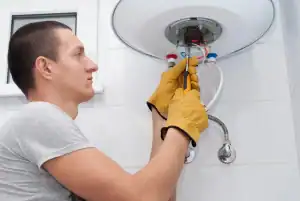
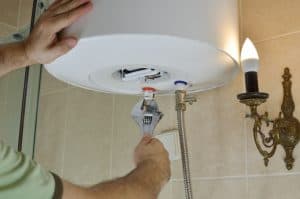
The first safety check after any gas stove installation in Manhattan is thorough gas leak testing. This isn’t something your installer eyeballs or skips because everything “looks fine.” A licensed master plumber uses electronic gas detection equipment to check every connection point from your gas line to the appliance itself.
Why does this matter so much? Gas is highly combustible, and even minor leaks you can’t smell yet build up over time and create dangerous conditions. Natural gas companies add that distinctive rotten egg smell—mercaptan—specifically for leak detection, but small leaks don’t always produce enough odor to notice immediately.
Your installer should test gas line pressure, inspect all fittings and connections, and verify your shut-off valve operates properly. They check for gas escaping when the stove is both on and off. If your installer didn’t perform visible leak testing with detection equipment, that’s a serious red flag about the quality of work you received.
How Professional Gas Leak Detection Actually Works
Professional gas leak testing for gas stove installation goes far beyond turning on burners and sniffing around your kitchen. Licensed master plumbers in New York County use electronic gas detectors that sense even trace amounts of natural gas that human noses miss completely.
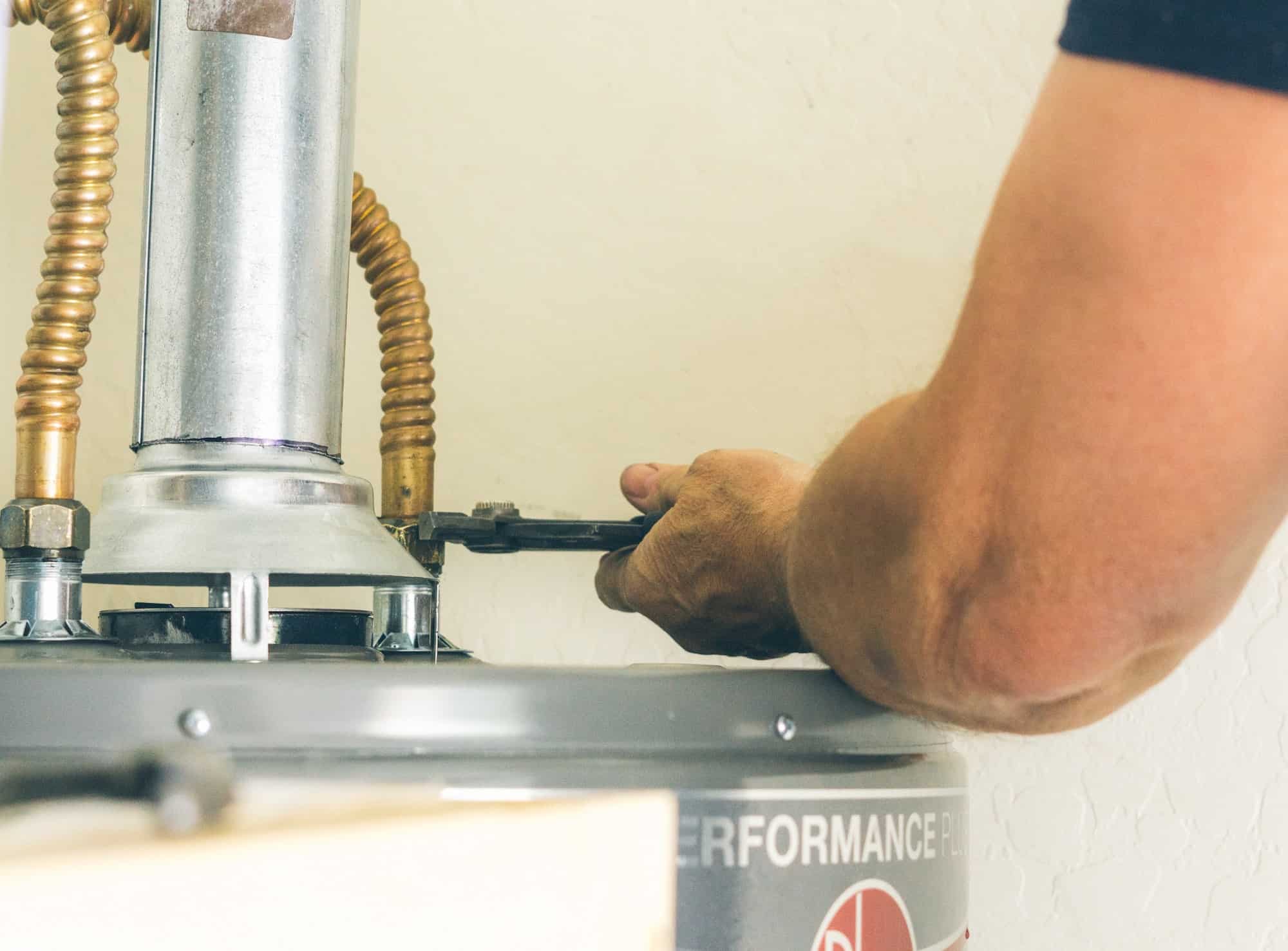
Testing starts at the connection point where your gas line meets the stove. The plumber checks the flexible connector or rigid pipe connection, then examines the manual shut-off valve that should be located within a few feet of your appliance. They test while gas flows and after it’s shut off to catch leaks that only appear under specific conditions.
Pressure testing is another critical component of proper gas stove installation safety checks. The plumber isolates sections of gas piping and pressurizes them to confirm they hold without any pressure drop that would indicate a leak. In older Manhattan buildings, this step catches problems with aging gas lines that develop small cracks or corroded connections invisible to the naked eye.
After connections pass inspection, the plumber tests each burner individually on your gas range. They’re verifying that gas flows properly when you turn the knob, that ignition happens promptly without delays, and that flame shuts off completely when you turn it off. Any hissing sounds, delayed ignition, or gas smell when burners are off means there’s a problem requiring immediate attention before you use the stove.
You should receive documentation of this gas leak testing. In NYC, this isn’t just good practice—it’s often required by building management and needed for Department of Buildings records. Keep this documentation with your other apartment maintenance records and appliance warranties.
What to Do If You Smell Gas After Your Installation
If you smell gas at any point after your gas stove installation in your Manhattan apartment, don’t investigate the source yourself. That distinctive rotten egg odor means natural gas is escaping somewhere, and your immediate priority is getting everyone to safety, not playing detective.
First, don’t touch any electrical switches or create sparks of any kind. Don’t turn lights on or off, don’t use your phone inside the apartment, and absolutely don’t light any flames or even think about testing the burners. Even a tiny spark from a light switch can ignite gas that’s accumulated in your kitchen.
Open windows and doors as you move toward the exit, but don’t waste time. Get everyone out of the apartment immediately. Once you’re outside at a safe distance, call 911 first, then call your gas utility company—Con Edison in Manhattan or National Grid depending on your location. They maintain 24/7 emergency response teams specifically for gas leak situations.
After emergency responders handle the immediate danger, contact the licensed master plumber who performed your gas stove installation. If it’s a new installation and you’re already smelling gas, something wasn’t connected properly or tested thoroughly enough. A reputable plumber returns to fix installation-related issues at no additional charge.
Don’t let anyone tell you a small gas smell is normal or will dissipate on its own. It won’t. Natural gas in its pure form is completely odorless, and utility companies add mercaptan specifically so leaks are immediately detectable. If you smell it, there’s a leak that needs professional attention.
Notify your building management as well, especially in co-ops and condos in New York County. Gas leaks can affect neighboring units through shared walls and ventilation systems. Your building likely has specific protocols for gas emergencies that protect all residents, not just your unit.
Carbon Monoxide Safety and Detector Placement
Carbon monoxide is the invisible threat most people don’t think about after gas stove installation—but they should. Unlike natural gas with its added rotten egg smell, carbon monoxide has no odor, no color, and no taste. It’s produced when gas doesn’t burn completely, and it accumulates in your Manhattan apartment without any warning until you’re already experiencing symptoms.
NYC building code requires carbon monoxide detectors in every dwelling unit with gas appliances. These detectors must be installed within fifteen feet of any sleeping area in your apartment. If your installer didn’t verify you have working carbon monoxide detectors during your gas stove installation, or if you’re unsure when yours were last tested, address this immediately.
Carbon monoxide poisoning symptoms mimic the flu—headaches, dizziness, nausea, and fatigue. But unlike the flu, symptoms worsen the longer you’re exposed. Severe carbon monoxide poisoning causes loss of consciousness and death. Working detectors aren’t paranoia or overkill—they’re basic safety equipment that saves lives when gas appliances malfunction.
Where to Install Carbon Monoxide Detectors in Your Manhattan Apartment
Carbon monoxide detector placement affects whether they actually protect you when your gas stove or other gas appliances malfunction. NYC building code is specific about requirements: you need at least one detector within fifteen feet of the primary entrance to each room used for sleeping. But if you have a gas stove installation, adding one near your kitchen provides an extra layer of protection many safety experts recommend.
Mount detectors on the wall at roughly head height, not on the ceiling like smoke detectors. Carbon monoxide mixes with air rather than rising like smoke, so ceiling-mounted carbon monoxide detectors aren’t as effective at early detection. If you’re using plug-in detectors, make sure furniture or curtains don’t block them and prevent proper air circulation around the sensor.
Test your carbon monoxide detectors monthly by pressing the test button. This verifies the alarm works, but it doesn’t actually verify the sensor is detecting carbon monoxide properly. Most detectors have a lifespan of five to seven years, after which the sensor becomes less reliable even if the alarm still sounds during tests. Check the manufacture date on the back of your detector and replace it if it’s more than seven years old.
In older Manhattan apartments, you might have combination smoke and carbon monoxide detectors installed by your landlord or building management. These work fine for gas stove safety, but verify they’re actually functioning properly. Press the test button and listen for both alarm types—if you only hear one alarm sound, the detector might not be protecting you from both threats.
Battery-powered carbon monoxide detectors need fresh batteries at least once a year. Many people change them when daylight saving time changes as an easy reminder. Sealed battery detectors with ten-year batteries are becoming more common in New York County and eliminate the battery replacement hassle, but you still need to replace the entire unit after ten years when the sensor reaches end of life.
Don’t install carbon monoxide detectors directly next to your gas stove or in bathrooms where humidity is high. These locations cause false alarms or damage the sensor over time. The goal is detecting carbon monoxide that’s spreading through your living space, not right at the source where brief exposure during normal cooking is expected.
Understanding Proper Ventilation for Gas Stoves in NYC
Proper ventilation is your first line of defense against carbon monoxide buildup and other harmful emissions from gas cooking after your gas stove installation. When gas burns, it produces nitrogen dioxide, carbon monoxide, formaldehyde, and particulate matter that affect indoor air quality. In a poorly ventilated Manhattan kitchen, these pollutants accumulate and create health problems over time.
Many people assume their range hood provides adequate ventilation for their gas range, but not all range hoods actually protect you. Ductless range hoods—the kind that recirculate air through a filter and back into your kitchen—don’t remove pollutants from your home at all. They filter grease and cooking odors but send carbon monoxide and other combustion byproducts right back into the air you’re breathing.
Ducted range hoods that vent directly outside are significantly more effective for gas stove safety. These systems physically remove combustion byproducts from your kitchen and exhaust them outdoors where they can’t harm you. If you have a ducted hood after your gas stove installation, use it every single time you cook—not just when you’re frying fish or burning something. The pollutants are being produced whether you can smell them or not.
In Manhattan apartments, especially older buildings in New York County, you might not have a range hood at all. If that’s your situation, ventilation becomes even more critical for safe gas range operation. Open windows when you cook, even in winter. Run a fan to create cross-ventilation if possible. The goal is preventing pollutants from accumulating in your living space where you and your family breathe them for hours.
Building codes in NYC don’t actually require residential gas stoves to be vented to the outdoors, which surprises many people learning about gas stove safety. Unlike commercial kitchens, your home kitchen might be perfectly legal without any ventilation system beyond an openable window. That doesn’t mean it’s safe or healthy for daily use—it just means you need to be proactive about creating airflow during and after cooking.
If you’re experiencing symptoms like headaches, fatigue, or respiratory irritation after your gas stove installation in your Manhattan apartment, poor ventilation might be the culprit rather than a carbon monoxide leak. These symptoms don’t always mean you have a dangerous gas leak. Sometimes it’s the cumulative effect of other combustion byproducts that your body reacts to over time. Better ventilation often resolves these issues without any changes to the stove itself.
Maintaining Gas Stove Safety Long After Installation Day
The safety checks we’ve covered aren’t one-time tasks you complete and forget. Gas leak testing, carbon monoxide detector maintenance, and proper ventilation need to become part of your routine in your Manhattan apartment. Check for gas smells regularly, especially around the connections behind your stove. Test your carbon monoxide detectors monthly without fail. Use your ventilation system every single time you cook on your gas range.
If you notice any changes in how your burners perform—yellow flames instead of blue, difficulty igniting, weak or uneven flames—call a licensed master plumber immediately. These are signs that gas isn’t burning correctly, which leads to carbon monoxide production and safety risks. Regular maintenance keeps your expensive gas stove running efficiently and your family safe from preventable hazards.
When you need gas stove installation or ongoing service in Manhattan or anywhere in New York County, working with experienced professionals makes all the difference in safety and peace of mind. We’ve been serving Manhattan and Staten Island for over 40 years at RB Mechanical Plumbing and Heating, handling everything from initial gas appliance installation to ongoing maintenance with the expertise and care that gas stoves demand.