

When you upgrade a kitchen or swap in a tankless water heater, the last thing you want to discover after the fact is that your existing gas line can’t handle the load. That’s a real problem in Graniteville, where the bulk of the housing stock — the semi-attached colonials, Cape Cods, and townhomes built after the Verrazzano-Narrows Bridge opened — was piped for the appliance demands of a completely different era.
A line that worked fine for a standard four-burner range and a standing-pilot water heater in 1972 may not cut it for a 60,000 BTU professional range and a tankless unit running simultaneously today. Getting this right means calculating the full BTU load of every appliance connected to the system — not just the one you’re adding — and sizing the pipe accordingly.
On Staten Island, every new installation or capacity upgrade goes through National Grid, not Con Edison. That’s a different authorization process, a different inspection, and a different restoration protocol if your gas ever gets shut off. We understand that distinction from the start, which saves you time, delays, and headaches you didn’t see coming.
When the job is done correctly, you get documented proof: pressure test results, permit records, and LMP certification. That matters for your insurance, for building management if you’re in a condo or attached home, and for anyone who buys this property down the road.
We’ve been doing this since 1983. That’s over 40 years of gas line installations, repairs, and compliance work across New York City — and Staten Island has been a named part of our service area from the beginning, not a recent addition to a dropdown menu.
The neighborhoods along Richmond Avenue and Forest Avenue — the crossroads that define Graniteville — are full of the kind of attached homes, townhomes, and small condo buildings that require more than just a plumber who shows up with pipe and a wrench. Shared walls, building management, HOA considerations, and the National Grid authorization process all factor in. That’s the kind of work we’ve been navigating for decades, and the reason customers keep coming back.
A Licensed Master Plumber is on staff and on-site for every job — not a subcontractor arrangement where someone else’s name is on the license. The LMP signs off on the work, files the GPS-2 certification with the DOB when required, and is personally accountable for every installation.
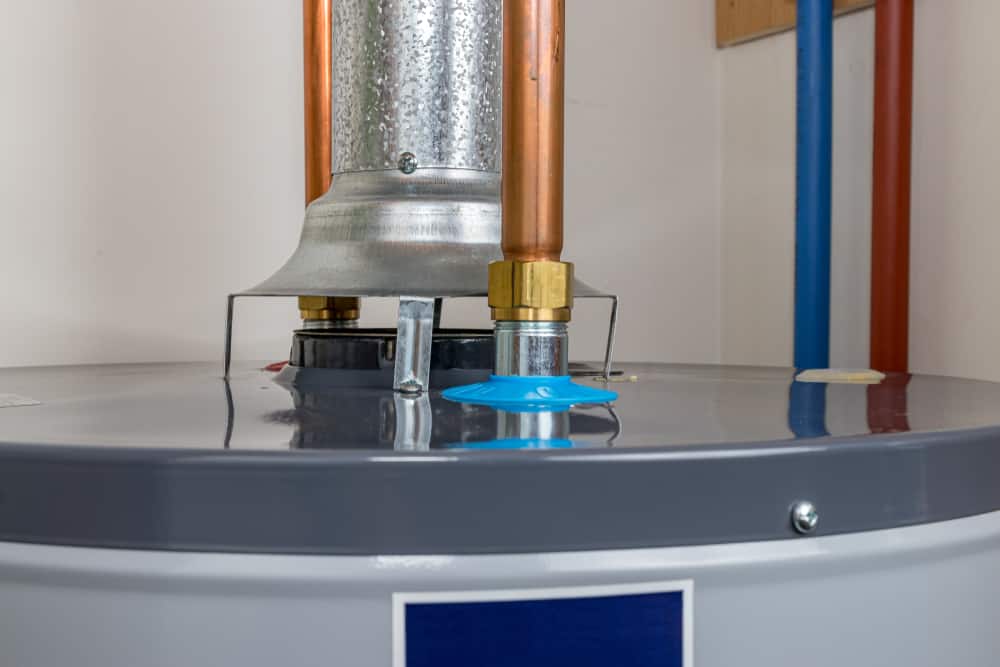
It starts with an honest look at what you already have. Before any new pipe goes in, we evaluate your existing gas infrastructure — the line size, the current BTU load, and what the system will need to support once the new appliance or upgrade is in place. In Graniteville’s older housing stock, this step matters more than most people realize. A lot of these homes have never had their gas lines touched since original installation, and what was adequate then often isn’t now.
Once the scope is clear, a DOB permit gets filed through DOB NOW — the city’s required digital portal — before any work begins. There are no shortcuts here, and no work happens without the permit in hand.
After installation, the system is pressure-tested at 1.5 times working pressure, which is what the NYC Fuel Gas Code requires. We use electronic leak detection equipment throughout. Nothing gets signed off until it passes.
The final step is National Grid coordination. On Staten Island, that means scheduling their inspection, meeting their authorization requirements for new or upsized service, and making sure the meter gets activated correctly. If you’re in a condo or attached home and building management needs to be in the loop, we handle that too. When it’s all done, you receive written documentation of everything — the safety tests, the permit records, and the LMP certification — so you have a complete paper trail for insurance, resale, or building records.

Ready to get started?
Gas line installation in Graniteville covers a range of situations. Some homeowners need a new line run for a professional-grade range in a kitchen renovation. Others are adding a gas dryer, hooking up a tankless water heater, or connecting a boiler. Each of those appliances has different BTU demands, and each requires its own dedicated manual shutoff valve in the same room.
The line sizing, pipe routing, and permit scope all vary depending on what’s being connected and what the existing system already serves. For single-appliance installations — a new stove hookup, a water heater connection — costs typically range from $500 to $2,000. Whole-home installations or more extensive re-piping projects generally run $1,300 to $3,500.
Pricing depends on the complexity of the run, the pipe length at $12 to $25 per linear foot, and whether wall or ceiling penetrations are involved. Every job starts with a written, itemized estimate before any work begins.
For building owners and property managers in Graniteville’s multifamily and mixed-use buildings, Local Law 152 compliance is part of the picture. Staten Island’s initial LL152 inspection cycle ran in 2019, which means many buildings are now in their second four-year compliance window. We handle the full package: LMP inspection, violation remediation, and GPS-2 certification filing with the DOB.
Missing the deadline carries penalties up to $10,000, and the 2026 requirement for all-digital DOB NOW filing adds a layer that building owners unfamiliar with the portal will want help navigating.
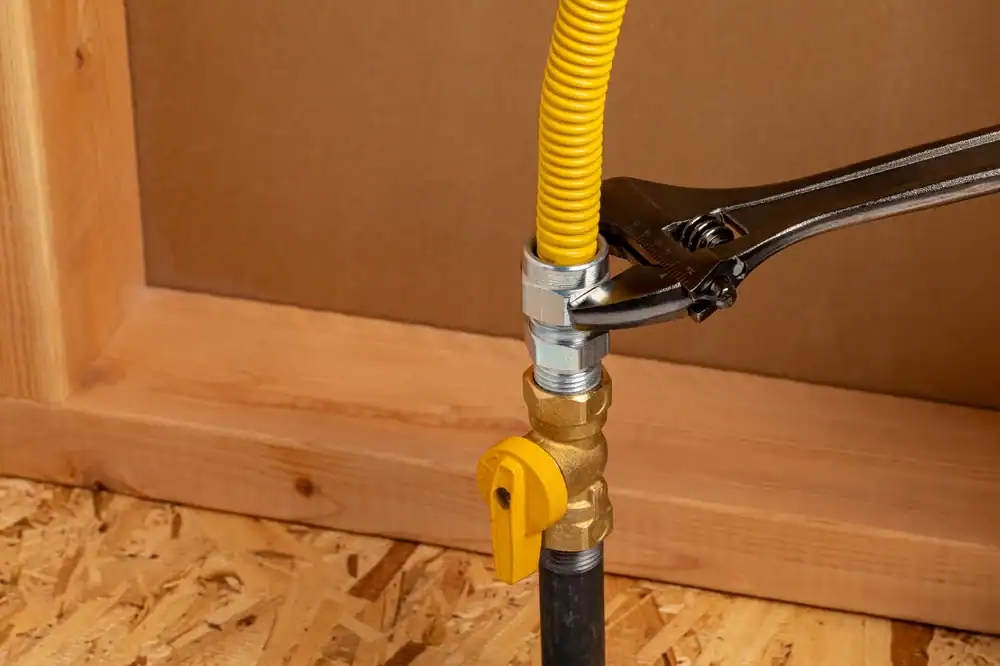
Yes, every gas line installation in Graniteville requires a permit filed with the NYC Department of Buildings, regardless of how small the job is. There are no exceptions for “minor” work — that’s not how the NYC Fuel Gas Code reads. The permit has to be filed through DOB NOW, the city’s all-digital portal, before any work starts. Paper submissions are no longer accepted.
Beyond the DOB permit, new gas service or any capacity upgrade on Staten Island also requires authorization from National Grid, which is the natural gas utility serving this borough. That’s a separate process from the DOB permit — it involves National Grid’s own inspection and approval before the meter can be activated or reactivated. We handle both sides of this, so you’re not left trying to coordinate between a government portal and a utility company on your own.
It depends on the line size, the length of the run, and what else is already connected to the system — and in Graniteville, where a significant portion of the housing stock dates back to the 1960s through 1990s, the honest answer is often “not without an upgrade.” The original gas lines in these homes were sized for the appliance loads of that era. A standard four-burner range from 1975 drew a fraction of the BTUs that a modern professional-grade range or a tankless water heater demands.
The way to know for sure is a proper BTU load calculation that accounts for every appliance connected to the system, the total pipe length, and the pressure available at the meter. Tankless water heaters alone can demand 150,000 to 199,000 BTUs, which often requires at least a three-quarter-inch line even on a short run. If the existing line is undersized and you just hook up the new appliance without evaluating it first, you’ll get underperforming equipment, potential code violations, and a failed pressure test that stops the job cold. Getting this evaluated before the appliance is installed saves a lot of trouble.
For a straightforward single-appliance hookup — running a new line for a stove or connecting a water heater — the installation itself typically takes a few hours. Most homeowners are without gas for a single day or less when the job is planned and permitted in advance. More complex work, like re-piping multiple appliances or running a longer line through walls or ceilings, can take longer, but the bigger variable on Staten Island is usually the National Grid side of things.
Once the installation and pressure testing are done, National Grid needs to inspect and authorize the service before the meter is activated. Scheduling that inspection adds time to the overall timeline, and if there are any issues that require corrections before National Grid signs off, that extends things further. This is why having an experienced LMP managing the full process — not just the installation — makes a real difference. We coordinate the National Grid inspection directly, which keeps the timeline moving instead of leaving you waiting on hold with the utility company.
A National Grid gas shutoff — whether triggered by a failed Local Law 152 inspection, a suspected leak, or a violation found during a routine check — doesn’t get resolved with a single phone call. The process requires identifying and repairing whatever caused the shutoff, having a Licensed Master Plumber certify the work and file the appropriate documentation with the DOB, and then scheduling National Grid’s re-inspection before they’ll reactivate the meter. Depending on the scope of the violations and how quickly repairs can be completed, this can take anywhere from a few days to a few weeks.
The worst thing you can do is wait. Every day without gas means no heat, no hot water, and no working stove — and in a Graniteville winter, with the damp cold that comes off the Kill van Kull, that’s not a situation anyone wants to sit in. We offer 24/7 emergency response and have direct experience navigating National Grid’s restoration process on Staten Island. Getting an LMP involved immediately is what gets the timeline moving.
It can, yes. Graniteville’s dominant housing types — semi-attached homes, townhouses, and small condo buildings — introduce considerations that a freestanding single-family home doesn’t have. Shared walls mean pipe routing has to account for adjacent units. In condo buildings, building management or an HOA may require approval before any gas work begins, and some buildings have their own alteration agreement process that needs to be completed first. Skipping those steps creates problems down the line, both with the building and with the DOB.
On top of that, small multifamily buildings in Graniteville fall under Local Law 152, which requires gas piping inspections every four years. Single-family homes are exempt, but if your building has three or more units or has commercial space, LL152 applies. If you’re not sure whether your building is subject to LL152 or what your compliance status is after the 2019 Staten Island inspection cycle, that’s worth clarifying before you schedule any gas work. We can assess both the installation need and the compliance picture at the same time.
In New York City, only a Licensed Master Plumber registered with the NYC Department of Buildings can legally perform gas line work. This isn’t a general contractor license or a handyman certification — it’s a specific credential that requires passing a rigorous exam, meeting experience requirements, and maintaining registration with the DOB. You can verify any LMP’s license directly on the NYC DOB’s online portal by searching their name or license number.
The reason this matters in practice — not just on paper — is that unpermitted gas work creates real liability that follows your property. If unlicensed work is ever discovered during a sale, an insurance claim, or a building inspection, you’re looking at violations, potential fines, and the cost of redoing the work correctly. On Staten Island, National Grid also won’t activate gas service to work that wasn’t permitted and inspected by a licensed plumber. Asking for the LMP license number before hiring anyone for gas work is a reasonable and smart question, and any legitimate contractor will give it to you without hesitation. We have a Licensed Master Plumber on staff — not a subcontractor — who is on-site for every job and personally signs off on all certifications.
Other Services we provide in Graniteville