
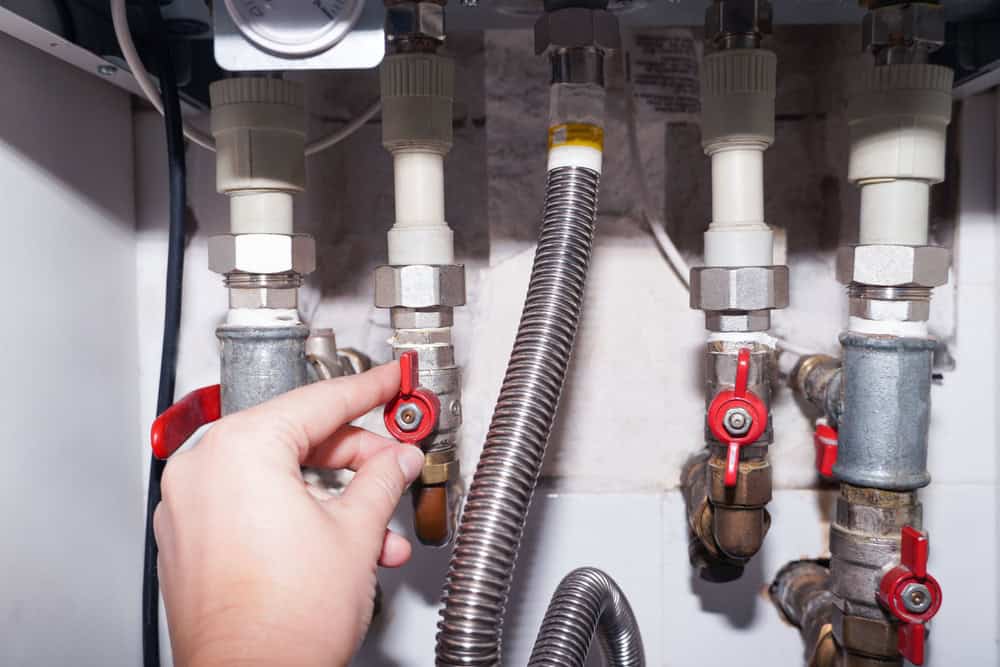
A gas shutoff in New Dorp isn’t just an inconvenience. It’s no heat on a January night, cold showers, and no way to cook — all at once. The longer it drags on, the more it costs you, and not just on your utility bill.
New Dorp has some of Staten Island’s oldest housing stock. A lot of homes here were built before 1940, with another wave going up through the 1950s and 60s. That means the gas piping inside those walls, the boiler in the basement, the fittings behind the stove — they were installed under standards that look nothing like what Con Edison inspects against today. When a technician shows up and finds a problem, the shutoff happens immediately.
What comes next depends entirely on who you hire to fix it. We get this done in weeks. The wrong plumber — someone who misfiles the paperwork, fails the DOB pressure test, or doesn’t know how to coordinate with Con Edison — can turn a manageable situation into a months-long ordeal. Getting it done right the first time isn’t a bonus. It’s the whole thing.
RB Mechanical Plumbing and Heating is a family-owned operation based right here on Staten Island, founded in 1983. We’ve been doing gas work in Richmond County longer than most of our competitors have been in business. When you call, you’re reaching the people who will actually show up and do the work — not a dispatcher routing your job to whoever’s available.
Every job we perform is completed by a Licensed Master Plumber. That’s LMP #1169, with a Gas Work Qualification — the specific credential NYC law requires for gas restoration work since January 1, 2020. Not every plumber who answers the phone in a New Dorp search result can say that.
From the older Colonials and Victorians near New Dorp Lane to the homes rebuilt after Sandy in New Dorp Beach, we’ve worked on the gas systems inside these houses. We know what we’re walking into before we open a wall — and that experience is what keeps your restoration moving forward instead of stalling out.
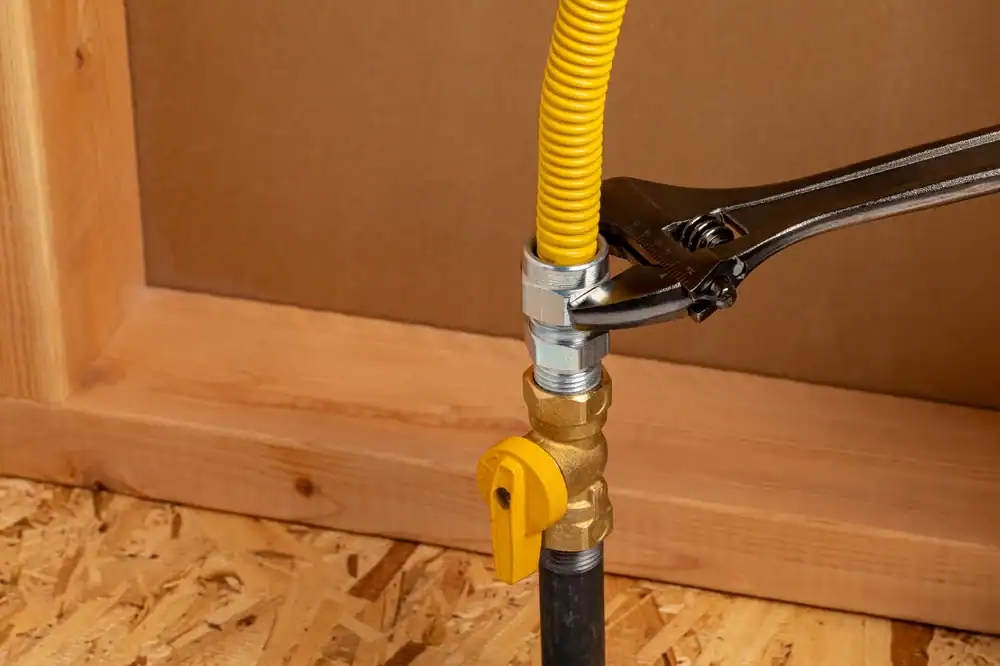
The first thing that needs to happen after a Con Edison shutoff is an Emergency Work Notification filed with the NYC Department of Buildings. This is the legal step that authorizes the repair work to begin. It has to be filed by a Licensed Master Plumber — not a general contractor, not an unlicensed handyman. We handle this filing immediately so no time is wasted at the starting line.
From there, we complete the actual repair work — whether that’s replacing corroded pipe, fixing a faulty connection, or bringing an older gas system up to current code. In New Dorp’s pre-war and mid-century homes, this often means working with galvanized pipe that’s been in place for decades. That’s not a surprise to us — it’s the kind of work we’ve been doing on Staten Island since 1983.
Once repairs are complete, a DOB pressure test has to be passed. No shortcuts, no self-certifications — Local Law 151 of 2016 ended that. The inspection happens, it gets passed, and then Con Edison comes out for their own visual inspection and leak test before service is restored.
Con Edison’s restoration timeline after all approvals are in place typically runs one to three weeks. What we control is everything that happens before that — filing correctly, passing the pressure test the first time, and coordinating with Con Edison so nothing falls through the cracks. That’s how weeks stays weeks, instead of turning into months.
Ready to get started?
This isn’t a service where you hire someone to fix one thing and then figure out the rest yourself. We handle the full scope — Emergency Work Notification filing with the DOB, gas line diagnosis and repair, DOB permit coordination, pressure testing, scheduling the DOB inspection, and direct coordination with Con Edison through every step of their restoration process. One call, one team, start to finish.
For New Dorp homeowners dealing with older gas infrastructure, that scope matters more than it might somewhere else. A pre-1940 home on a side street off Richmond Road might have original galvanized piping, an aging boiler connection, and appliance hookups that haven’t been touched since the Eisenhower administration. We assess the full system — not just the failure point that triggered the shutoff — so you’re not back in the same situation six months from now.
We also carry FDNY Certificates of Fitness #89078745 and #88089263, which means we can address fuel-burning equipment like boilers and water heaters as part of the same job, not as a separate call to a separate contractor.
If your building falls under Local Law 152, we handle gas piping inspections for Staten Island Community District 2 as well. For building owners in New Dorp, staying current on that four-year inspection cycle is one of the most direct ways to avoid an unexpected shutoff before it ever happens.
Before any work begins, you’ll receive a detailed cost breakdown — no hidden charges, no surprise invoice at the end.
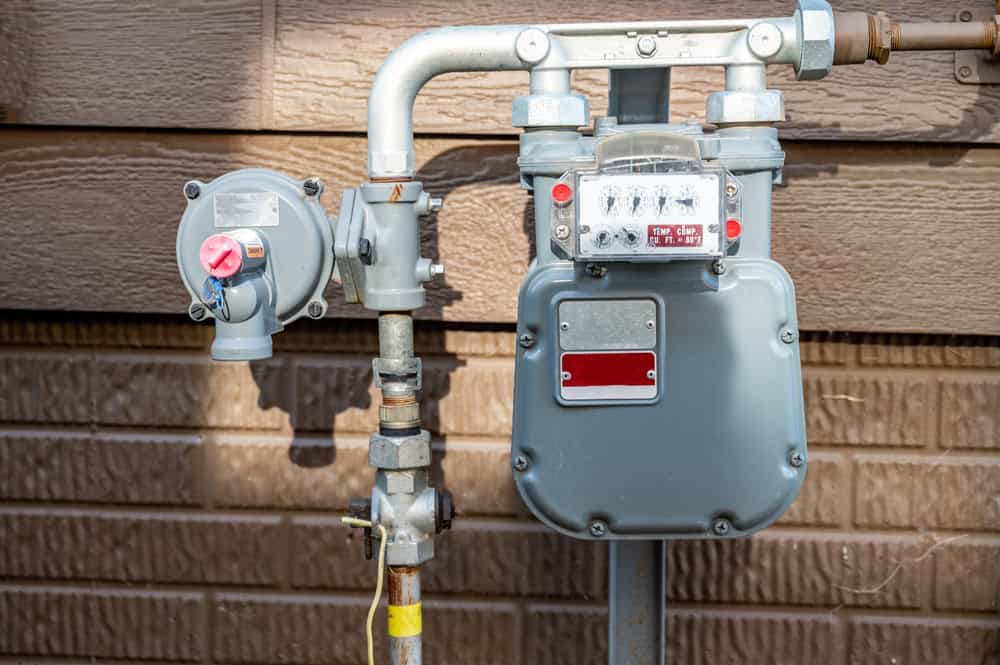
When Con Edison detects a gas leak or a safety issue at your property — whether during a routine visit, a meter inspection, or a response to a complaint — they will shut off service immediately and lock the meter. At that point, you cannot turn it back on yourself. Tampering with a locked meter is illegal, and Con Edison won’t restore service until the underlying problem has been repaired, inspected, and approved through the proper channels.
What that means practically is that a Licensed Master Plumber with a Gas Work Qualification needs to be involved from the very first step. We file the Emergency Work Notification with the NYC DOB, complete the repair work, pass a DOB pressure test, and then coordinate with Con Edison for their own inspection and leak test before service is restored.
In New Dorp, where a lot of homes have older gas systems that may have gone years without being pressure-tested, the repair scope can sometimes be broader than expected — which is exactly why experience with this type of housing stock matters.
Not since January 1, 2020. Under Local Law 150 of 2016, all gas work in New York City — including restoration after a shutoff — must be performed by a Licensed Master Plumber who also holds a Gas Work Qualification issued by the NYC Department of Buildings. A standard plumbing license isn’t enough. Many plumbers working in Staten Island don’t hold this specific qualification, which means they legally cannot touch the gas piping, file the required permits, or conduct the pressure test.
This matters because hiring someone without the right credential doesn’t just risk a failed inspection — it can invalidate the work entirely and force you to start over with a qualified plumber, at additional cost and with more time lost. When you’re already without heat and hot water, that’s not a situation you want to find yourself in.
We hold LMP #1169 with Gas Work Qualification, which is verifiable directly on the NYC DOB website. If a plumber can’t give you a license number and tell you they hold a Gas Work Qualification, that’s your answer before you hire them.
The honest answer is that it depends on two things: how quickly the repair work gets done and filed correctly, and then how long Con Edison takes on their end. Once all repairs are complete, the DOB pressure test is passed, and Con Edison has their paperwork, their restoration timeline typically runs one to three weeks. That’s the utility’s side of it, and it’s largely outside anyone’s control.
What is within your control — or more accurately, within your plumber’s control — is everything that happens before Con Edison gets involved. If the Emergency Work Notification is filed promptly, the repair work is done correctly the first time, and the DOB pressure test is passed without a re-do, you’re moving as fast as the system allows.
Where restorations drag on for months, it’s almost always because something went wrong in that earlier phase — wrong paperwork, a failed pressure test, or a plumber who didn’t know how to coordinate with Con Edison’s inspection process. In New Dorp’s older housing stock, where the repair scope can be more involved, having a plumber who has seen these systems before is what keeps the timeline from getting away from you.
A pressure test is a required inspection step under NYC Local Law 151 of 2016. After gas piping has been repaired or replaced, the NYC Department of Buildings must inspect the work and confirm that the system holds pressure — meaning there are no leaks in the repaired section. A DOB inspector has to physically be present and sign off before the process can move forward.
If the system fails the pressure test, the work has to be corrected and the inspection has to be rescheduled. That adds time — sometimes significant time — to the restoration. For homeowners in New Dorp dealing with pre-war or mid-century homes, where the gas piping may be galvanized steel that’s been in place for 60 or 70 years, the pressure test is also a useful diagnostic. It can reveal whether a broader section of pipe needs attention beyond the immediate repair point.
We have a track record of passing pressure tests on the first attempt, a direct result of 40-plus years of experience with exactly this type of work on Staten Island.
It can, yes — and it’s worth understanding why before you hire someone. Homes built in New Dorp in the 1940s, 50s, and 60s were typically piped with galvanized steel, which corrodes over time from the inside out. That corrosion can cause pinhole leaks that weren’t detectable until Con Edison ran a pressure test or a technician got close enough to smell something. When the shutoff happens, the repair often isn’t just fixing one fitting — it’s replacing a section of pipe that’s been slowly deteriorating for decades.
The other factor is that these homes were built under gas codes that look very different from what NYC requires today. Bringing an older system into current compliance — which is what the DOB inspection is checking for — sometimes involves more work than a straightforward modern repair.
None of that is a reason to panic, but it is a reason to hire someone who has worked inside these houses before. We’ve been doing gas work on Staten Island since 1983. The older housing stock along Richmond Road and the side streets off New Dorp Lane isn’t unfamiliar territory — it’s the kind of work we’ve been doing for over four decades.
Local Law 152 requires periodic gas piping inspections for most buildings in New York City — the exceptions are single and two-family homes classified as R-3 occupancy, which are exempt. If your property is a larger residential building, a mixed-use building, or a multi-family dwelling, you’re likely required to have a gas piping inspection completed on a four-year cycle, organized by community district. New Dorp falls within Staten Island Community District 2, so the inspection window that applies to your building is tied to that district’s schedule.
Where this connects to gas shutoffs is straightforward: if a building misses its required inspection window, or if an inspection reveals a condition that doesn’t meet current standards and isn’t corrected, the DOB can order a gas shutoff. It’s a compliance-triggered shutdown rather than a utility-triggered one, but the result is the same — no gas until the issue is resolved and approved.
For building owners in New Dorp, staying current on the Local Law 152 cycle is genuinely the most direct way to avoid an unplanned shutoff. We handle these inspections for properties in Community District 2, which means we can identify and address potential issues before they become the kind of problem that leaves tenants without heat in the middle of winter.
Other Services we provide in New Dorp