
A gas shutoff in Pleasant Plains hits differently than it does in a Manhattan apartment building. You own the home. You’re the one responsible for fixing it. And in a single-family house on the South Shore — where coastal winds off Prince’s Bay cut right through and your heating system is doing real work — being without gas in January isn’t just uncomfortable, it’s a situation that can deteriorate fast.
What you actually need isn’t just a plumber. You need someone who understands the full restoration process: the DOB paperwork, the pressure test, the National Grid coordination, and every step in between. When that process is handled correctly the first time, National Grid’s stated timeline is one to two days — not exceeding five business days — from approval to restored service. When it isn’t, you’re looking at weeks of delays and a clock that resets every time something fails.
The homes in Pleasant Plains — most of them built between the 1970s and the 1990s — have gas piping that’s now anywhere from 25 to 55 years old. That’s not ancient, but it’s old enough that National Grid is finding real problems during routine inspections. Getting the restoration done correctly means understanding what those systems look like, where they fail, and what the DOB inspector is going to be looking for when they show up.
We’ve been operating on Staten Island since 1983 — which means we were working on South Shore gas systems before most of the homes in Pleasant Plains were built. Our base is at 49 Englewood Ave, Staten Island, NY 10309. That’s the same ZIP code as Pleasant Plains and Prince’s Bay. When you call us, you’re not getting a contractor dispatched from another borough.
Bobby and Rob Jr. — father and son — are the ones who show up. Not a crew of laborers. Not a subcontractor. The Licensed Master Plumber is on-site doing the work, which is exactly what NYC law requires for gas restoration under Local Law 150 of 2016. Our LMP license number is #1169, verifiable directly on the NYC DOB website.
We also hold two FDNY Certificates of Fitness (#89078745 and #88089263) and a Licensed Master Fire Suppression Contractor license (#954B). For Pleasant Plains homeowners whose gas restoration also involves getting a boiler or water heater back online safely, that depth of credential matters more than most people realize until they need it.
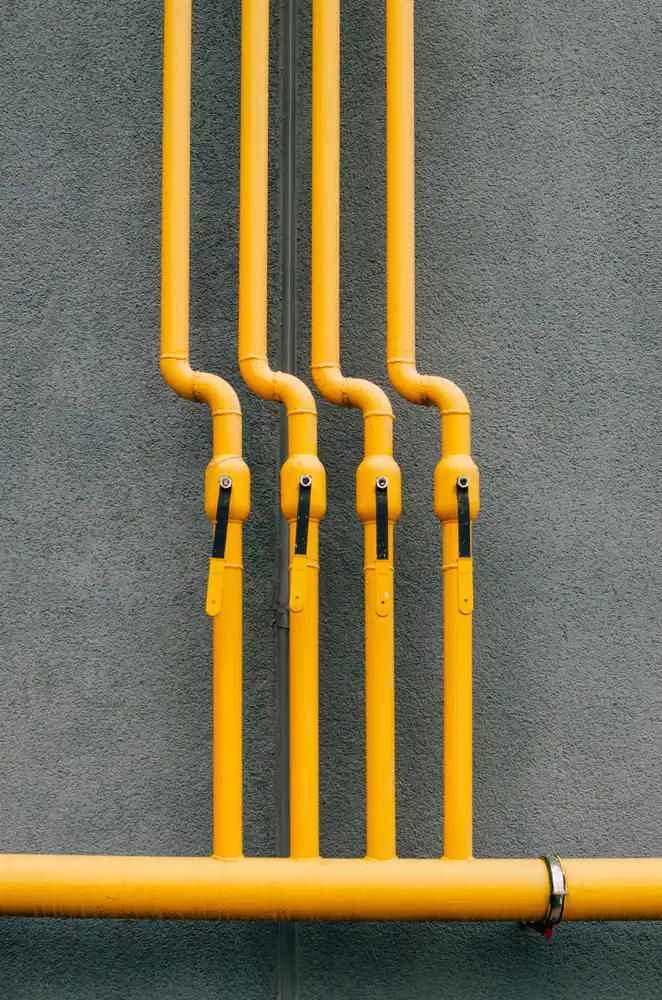
The first thing we do is assess exactly why the gas was shut off and what’s needed to fix it. Whether National Grid flagged a leak during a routine patrol, a failed joint in aging pipe triggered the call, or a DOB inspection surfaced a code issue, the cause determines the scope of the repair. For Pleasant Plains homes — many of which have mid-vintage gas piping that hasn’t been touched since original installation — this assessment step is where experience pays off. We know what 1980s and 1990s piping looks like inside a South Shore home and what it takes to bring it up to current code.
Once the repair scope is clear, we file an Emergency Work Notification with the NYC Department of Buildings. This is the legal step that authorizes us to begin work and is required before anything else moves forward. From there, we handle the repair itself — all performed by a Licensed Master Plumber — and then schedule the DOB pressure test. Passing that test on the first attempt is critical. A failed test doesn’t just delay things; it resets the utility coordination process entirely.
After the pressure test clears, we coordinate directly with National Grid for the utility-side inspection and reconnection. Because all of Staten Island, including Pleasant Plains, runs on National Grid — not Con Edison — we work within their specific process and timeline. We stay on top of the scheduling so nothing stalls waiting on a callback. When it’s done, your gas is back, your boiler or water heater is safely recommissioned, and you have documentation showing the work was done to code.
Ready to get started?
Gas restoration in Pleasant Plains isn’t a single repair call. It’s a multi-step regulatory and technical process that involves the NYC Department of Buildings, your utility provider, and in some cases the FDNY. What we handle covers all of it: Emergency Work Notification filing, permit coordination with the DOB, the physical repair or pipe replacement, the required pressure test, DOB inspection scheduling, National Grid coordination for utility-side sign-off, and safe recommissioning of your heating equipment once service is restored.
For Pleasant Plains homeowners specifically, the service often involves mid-vintage piping — the kind installed in the 1970s through the 1990s that’s now reaching the age where corrosion, joint failure, and code non-compliance with post-2016 NYC gas laws become real issues. We’ve been working on these systems since they were new. We know where the problem points are, and we know what the DOB inspector is going to look for before we ever schedule the test.
It’s also worth knowing that gas in a Pleasant Plains home built before 2026 is now a non-renewable feature. New York State’s all-electric mandate for new construction means no new gas connections in new builds on Staten Island going forward. Real estate listings in the 10309 market are already marketing gas-equipped homes as a premium. Protecting that infrastructure — and restoring it correctly when something goes wrong — isn’t just about comfort. For a home valued near $885,000, it’s about protecting an asset that genuinely can’t be replaced.
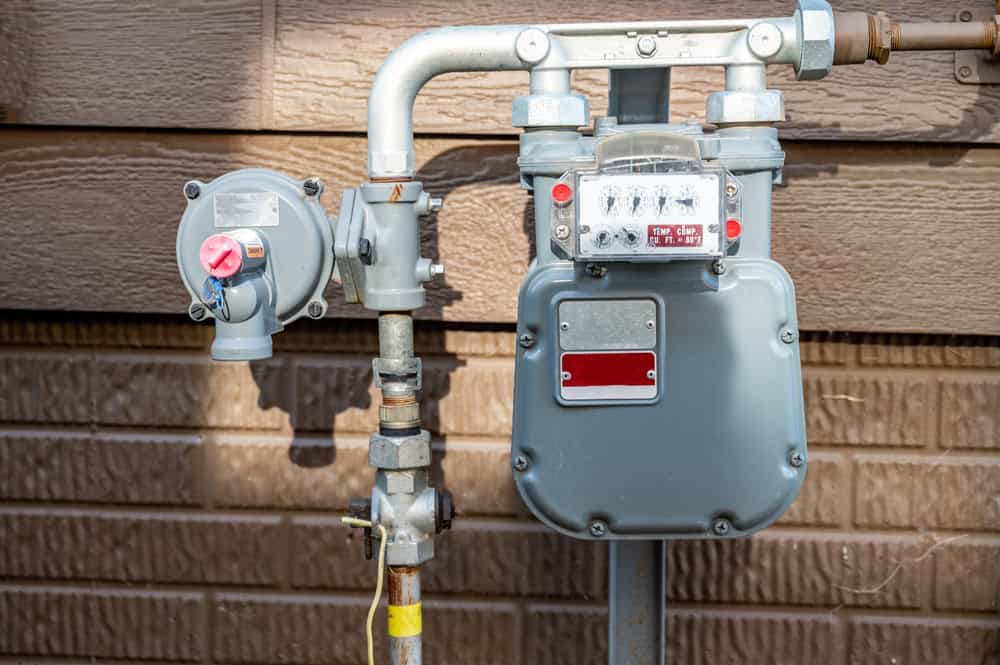
The first thing to understand is that once National Grid locks your meter, you cannot turn it back on yourself. Tampering with a locked meter is illegal and won’t pass the inspection required before service can be restored anyway. What you need immediately is a Licensed Master Plumber who holds a Gas Work Qualification — that’s the specific credential required under NYC’s Local Law 150 of 2016 for any gas restoration work. Not every licensed plumber has it.
Once you have the right plumber on the job, the process starts with an Emergency Work Notification filed with the NYC Department of Buildings. That’s the legal authorization to begin repair work. From there, the plumber assesses the cause of the shutoff, makes the necessary repairs, schedules the DOB pressure test, and then coordinates with National Grid for the utility-side reconnection. In Pleasant Plains, that’s National Grid — not Con Edison, which serves other boroughs. Knowing the difference in how each utility handles restoration matters for how quickly your service comes back.
Once all the repair work is complete and the DOB pressure test passes, National Grid’s stated timeline for restoration is one to two days — and they commit to no longer than five business days. That’s actually a faster window than Con Edison’s typical one to three weeks. But that favorable timeline only holds if the plumber’s work passes inspection correctly on the first attempt and the paperwork is filed promptly and accurately.
Where restorations go sideways — and stretch from days into weeks or months — is when a plumber misfires the DOB documentation, fails the pressure test, or doesn’t know how to coordinate the utility-side scheduling. Each failure resets the clock. For a Pleasant Plains homeowner without heat in a single-family house during a New York winter, that difference isn’t abstract. It’s the difference between being back to normal in under a week or sitting in a cold house for two months while paperwork gets sorted out.
No — and this is one of the most important things to verify before hiring anyone. Under Local Law 150 of 2016, which took effect January 1, 2020, all gas work in New York City must be performed by a Licensed Master Plumber who also holds a Gas Work Qualification. That’s a separate, additional credential beyond the standard LMP license. Many plumbers who advertise in Staten Island do not hold it.
You can verify any plumber’s LMP status and gas qualification directly on the NYC DOB website. Gas qualification cards now include a QR code for instant verification. If a contractor can’t point you to a verifiable LMP number and Gas Work Qualification, they legally cannot perform the repair, file the required DOB permit, or conduct the pressure test needed to restore your service. Hiring an unqualified contractor doesn’t just waste time — it can result in failed inspections, re-work costs on top of the original repair, and an even longer outage.
Both — and in most cases, the process touches multiple agencies in a specific sequence. The NYC Department of Buildings controls the permitting and inspection side: your plumber files an Emergency Work Notification, completes the repair, and then the DOB must inspect and approve the work before anything else can move forward. The pressure test — which the DOB requires before approving any gas restoration — is a hard gate. Nothing moves until it passes.
Once the DOB sign-off is in place, the coordination shifts to National Grid, which is the gas utility for all of Staten Island including Pleasant Plains. National Grid conducts its own utility-side inspection and then schedules the reconnection. In some situations involving boilers or fuel-burning equipment, FDNY oversight may also apply — which is why credentials like FDNY Certificates of Fitness matter for a complete restoration, not just the pipe repair itself. A plumber who handles only one piece of this process and leaves you to figure out the rest isn’t a full solution.
It’s a real possibility. Homes built in the 1970s through the 1990s — which make up a significant portion of Pleasant Plains’ housing stock — have gas piping systems that are now 25 to 55 years old. That’s the age range where corrosion, deteriorating joints, and outdated materials start showing up in National Grid’s routine safety inspections and leak surveys. The pipe itself may have been perfectly fine for decades and still fail at this stage of its life.
There’s also a regulatory layer on top of the physical aging. NYC’s 2016 gas law overhaul introduced new code requirements that older piping installations may not meet — even if the pipe is structurally sound. When National Grid or the DOB identifies a system that doesn’t comply with post-2016 standards, a shutoff can follow. The good news is that mid-vintage South Shore piping is exactly what we’ve been working on since 1983. We know these systems well, and we know how to bring them into compliance correctly.
Yes, and it’s more significant than most homeowners initially realize. With New York State’s all-electric mandate for new construction taking effect in 2026, no new gas connections are being made in newly built homes on Staten Island. That’s already showing up in the 10309 real estate market — active listings for gas-equipped homes in Pleasant Plains and Prince’s Bay are explicitly marketing the presence of gas as a selling point, with language like “one of the few remaining gas-equipped homes on Staten Island.”
For a home valued near $885,000 — which is close to the current median sale price in Pleasant Plains — a gas system that’s shut off and not properly restored affects habitability, and habitability affects value. Mortgage lenders and buyers take notice when a home’s heating system is non-functional. Beyond the market value question, an improperly closed-out restoration — one where the DOB permit was never finalized or the pressure test documentation isn’t on record — can create title and compliance issues that surface at the worst possible time. Getting the restoration done correctly, with all permits closed and documentation in order, protects the home as an asset, not just as a place to live.
Other Services we provide in Pleasant Plains