
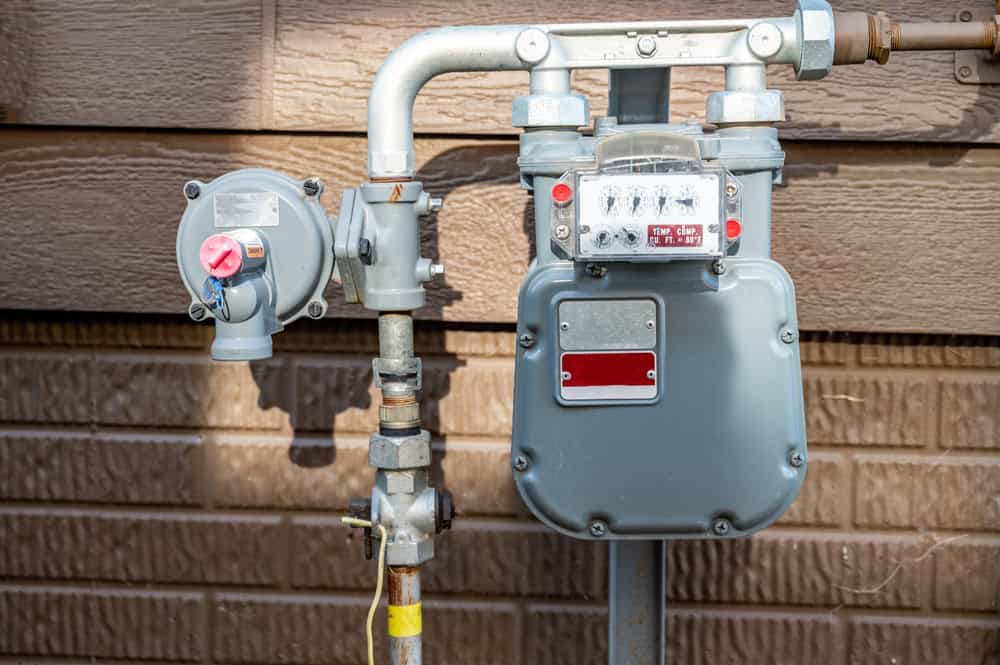
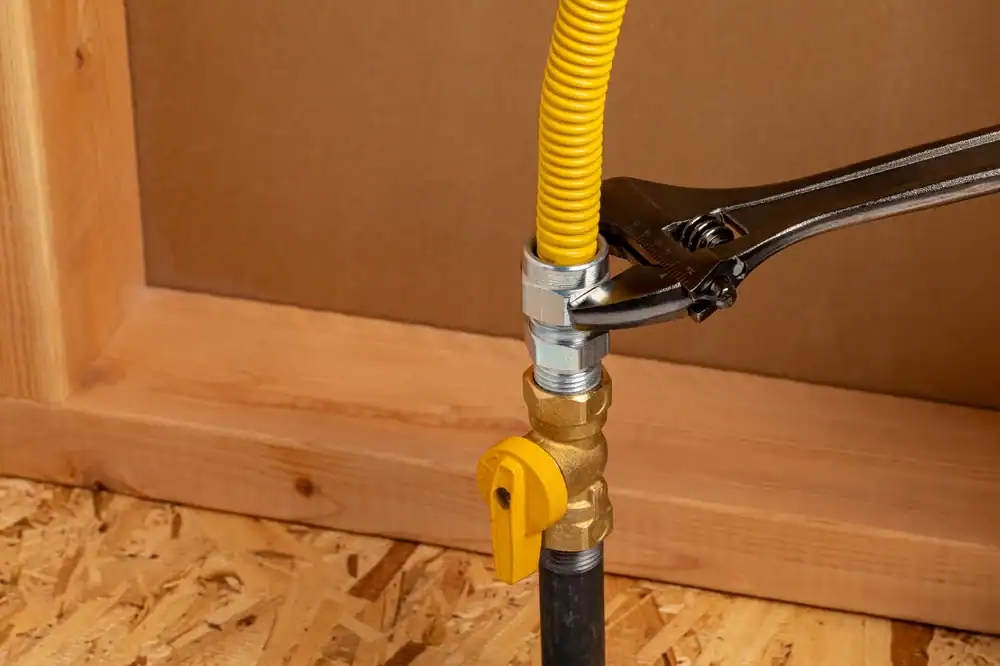
A gas shutoff in Richmond Valley hits differently than it does in a denser part of the borough. These are large, detached single-family homes — many with gas boilers, gas water heaters, gas ranges, and gas dryers all running off one system. When National Grid locks the meter, every one of those appliances goes cold at once.
Getting that system restored isn’t a patch job. It’s a complete process, and how well your plumber executes it determines whether you’re back online in weeks or stuck waiting through months of paperwork limbo. The South Shore’s coastal exposure adds another layer. Nor’easters come through hard here, and the proximity to Raritan Bay and the Arthur Kill means Richmond Valley homeowners have lived through real utility disruptions — some dating back to Hurricane Sandy.
Whether the shutoff came from storm damage, an aging gas line, or a routine National Grid inspection that flagged a problem, the restoration path is the same: permits, pressure testing, utility coordination, and a final DOB inspection before service can be restored. Every step has to be done correctly, in order, by a plumber who’s done it hundreds of times.
When it’s done right, you get your home back — heat running, hot water flowing, the kitchen working again. No surprise invoices. No second trips because something failed inspection. Just a clean restoration handled by someone who knows exactly what National Grid’s South Shore field process looks like.
We’ve been doing gas work on Staten Island since 1983. Bobby and Rob Jr. — the father and son who run RB Mechanical Plumbing and Heating — have worked in the South Shore communities surrounding Richmond Valley for their entire careers. Tottenville, Pleasant Plains, Charleston — these aren’t names on a service area list. They’re neighborhoods where we’ve been called out, done the work, and left customers with their gas running.
We’re based at 49 Englewood Ave, Staten Island, in ZIP 10309 — the same ZIP code as Tottenville, directly next door to Richmond Valley. When you call, you’re not waiting on a crew to drive in from another borough. Bobby and Rob Jr. are the ones who show up, and we hold the credentials the job requires: Licensed Master Plumber #1169 with Gas Work Qualification, FDNY Certificates of Fitness #89078745 and #88089263, and Licensed Master Fire Suppression Contractor #954B.
Every credential is verifiable. Every job is done by the LMP himself — not handed off to an unlicensed laborer once the contract is signed.
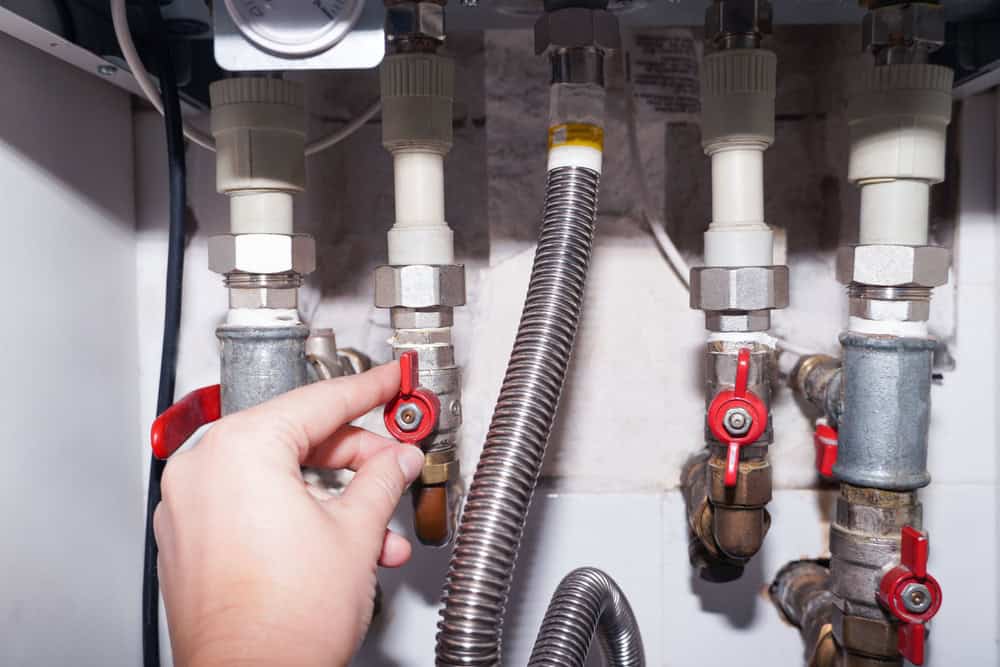
The first thing that has to happen after a gas shutoff is an Emergency Work Notification filed with the NYC Department of Buildings. This is the legal gateway to starting any repair work, and it has to be filed by a Licensed Master Plumber with a Gas Work Qualification — not just any plumber. We handle that filing immediately, so the clock starts running in your favor from day one.
Once the DOB notification is filed, the actual repair work begins. For Richmond Valley homes — which often have more gas piping and more appliances than a typical apartment or rowhouse — this means a thorough assessment of the full system before any repairs are made. The goal is to identify every issue in one mobilization, not discover problems one at a time across multiple visits.
After repairs are complete, the system has to pass a pressure test before anything else can move forward. This is a hard requirement, and a failed pressure test means starting the inspection cycle over. Our track record is built on passing the first time.
Once the pressure test is cleared and the DOB inspection is scheduled and passed, the file goes to National Grid. Richmond Valley is National Grid territory, and their stated restoration window — once all work is approved — is one to two days, not exceeding five business days. We coordinate directly with National Grid’s field crews to keep that timeline on track. From the moment you call to the moment your gas is back on, the process is managed end to end.
Ready to get started?
Gas restoration in Richmond Valley involves more than fixing a pipe. The full scope of work covers Emergency Work Notification filing with the NYC DOB, permit coordination, complete gas system inspection and repair, DOB pressure testing, final DOB inspection, and direct coordination with National Grid for meter restoration. We handle every one of those steps — you don’t have to track down a separate permit expediter or figure out who to call at National Grid.
For Richmond Valley homeowners specifically, the size and age of the home matters. A large single-family home on Amboy Road or Beach Avenue may have decades of gas piping history — some of it potentially dating back to before the 2016 Local Law overhaul that changed what compliant gas work looks like in New York City. If older work doesn’t meet current standards, it will surface during the pressure test. We identify those issues upfront and repair them as part of the restoration, not as a surprise add-on after the test fails.
Non-compliance with NYC gas regulations carries penalties of up to $10,000, and self-certifications for gas work are no longer permitted under Local Law 151 of 2016. Every job requires a real DOB inspection. Richmond Valley homeowners who’ve had gas work done in the past — including any post-Sandy repairs done under emergency conditions — may want to have their system evaluated before National Grid’s next mandated inspection triggers a shutoff they weren’t expecting.
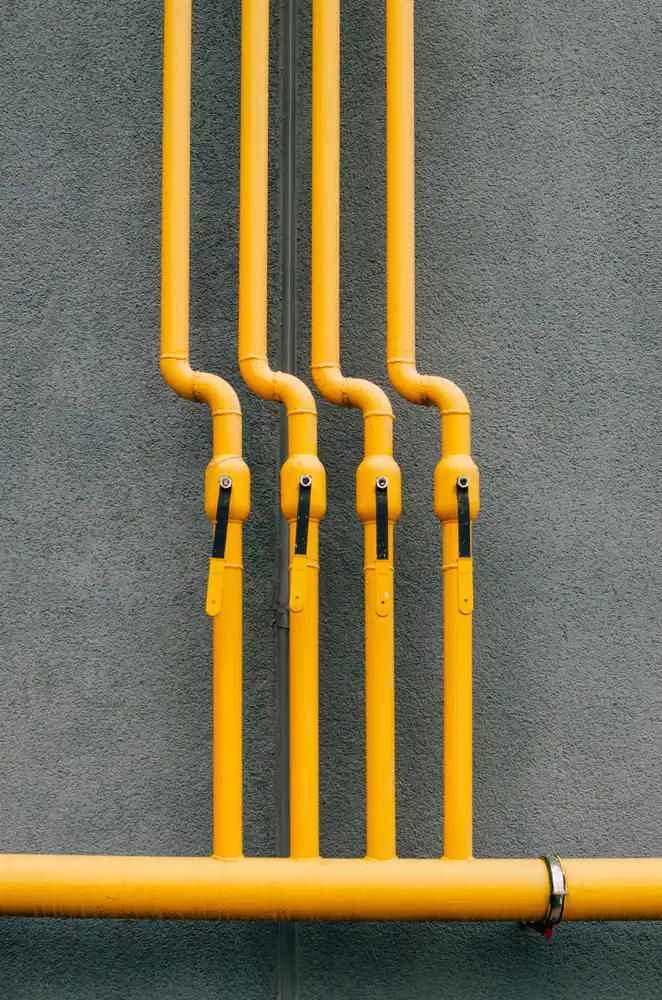
National Grid shuts off the gas when their crew detects a safety issue — a leak, a pressure problem, or a system that doesn’t meet current standards. Once they lock the meter, restoring service becomes the building owner’s or homeowner’s responsibility entirely. National Grid will not repair the internal gas piping in your home. That’s on you to hire a Licensed Master Plumber with a Gas Work Qualification to fix.
After the repairs are made and the system passes a DOB pressure test and inspection, National Grid comes back to restore service on their end. Their stated timeline for restoration once all work is approved is one to two days, not exceeding five business days. The length of the overall outage depends almost entirely on how quickly and correctly your plumber moves through the DOB process — which is why hiring someone with real experience in National Grid’s South Shore procedures matters more than most people realize.
The honest answer is that it depends on who you hire and how fast they move. National Grid’s own timeline — once all repairs are approved and inspections are passed — is one to two days, not exceeding five business days. That part is relatively fast. The longer part of the process is everything that happens before National Grid gets involved: the Emergency Work Notification filing with the NYC DOB, the actual repairs, the pressure test, and the DOB inspection.
For a straightforward repair in a Richmond Valley home, a plumber who knows the process and files correctly can move through the DOB side in a matter of days. Where restorations drag into weeks or months is when the plumber misfiles paperwork, fails the pressure test, or doesn’t know how to coordinate with National Grid’s field crews. Richmond Valley homes tend to have larger, more complex gas systems than a typical apartment — more appliances, more piping, more potential failure points. That’s exactly why the first-time-right approach matters so much here.
Not since January 1, 2020. Under Local Law 150 of 2016, all gas work in New York City — including gas restoration after a shutoff — must be performed by a Licensed Master Plumber who also holds a Gas Work Qualification. These are two separate credentials, and many licensed plumbers do not hold the Gas Work Qualification. If you hire a plumber who lacks it, they cannot legally perform the work, and anything they do will not pass DOB inspection.
This matters a lot in Richmond Valley, where the stakes on a gas restoration job are high. A large home with a complex gas system is not the place to find out your plumber isn’t properly credentialed. Before you hire anyone, ask for their LMP license number and confirm their Gas Work Qualification status — both are verifiable on the NYC DOB website. We hold LMP #1169 with Gas Work Qualification, and those credentials are published openly for exactly this reason.
An Emergency Work Notification — or EWN — is a filing made with the NYC Department of Buildings that gives a Licensed Master Plumber legal authorization to begin emergency gas repair work. It’s filed by emailing the DOB’s LAA Unit and is the required first step before any repair work can start on a gas system that has been shut off. Without it, no work can legally begin, and any repairs made before it’s filed will not be recognized by the DOB.
For Richmond Valley homeowners dealing with a National Grid shutoff, the EWN is typically what gets the process moving. It’s not something you file yourself — it has to come from the LMP who will be doing the work. We file the EWN as the first order of business, so the DOB clock starts immediately. Delays in filing this notification are one of the most common reasons gas restorations stretch from weeks into months — and it’s entirely avoidable when you work with a plumber who knows the process cold.
A failed pressure test means the inspection cycle resets. The DOB requires a passing pressure test before it will issue the approvals needed to move the restoration forward to National Grid. If the test fails, the plumber has to identify what caused the failure, make additional repairs, and schedule another test. Each cycle adds time — sometimes significant time — to an outage that’s already disrupting your daily life.
This is one of the most important reasons to hire a plumber with deep experience in gas system work before you hire based on price alone. For Richmond Valley homes — which often have older piping alongside newer additions, and in some cases gas work done under post-Sandy emergency conditions — there can be hidden issues that a less experienced plumber misses on the initial assessment. We inspect the full system before repairs begin, identifying every potential failure point upfront. The goal is always to pass the pressure test on the first attempt, not to discover problems one failed test at a time.
The most common trigger for unexpected shutoffs on the South Shore is National Grid’s mandated residential leak inspection, which the state requires every three years. If their crew finds a problem during that inspection, they can shut off service on the spot — no advance notice, no grace period. For homeowners in Richmond Valley whose gas systems haven’t been looked at in years, that inspection can surface issues that were quietly building for a long time.
The practical way to stay ahead of it is to have your gas system evaluated by a Licensed Master Plumber before National Grid’s inspection cycle comes around. If there are aging pipes, outdated connections, or any work that predates the 2016 Local Law changes, it’s far better to find and fix those issues proactively than to deal with a shutoff in January when the coastal winds are coming off Raritan Bay and your boiler is the only thing keeping the house warm. We also handle Local Law 152 compliance inspections for properties that require them — so if you own a multi-unit property in the Richmond Valley area, that’s another proactive step worth taking before a compliance deadline forces your hand.
Other Services we provide in Richmond Valley