
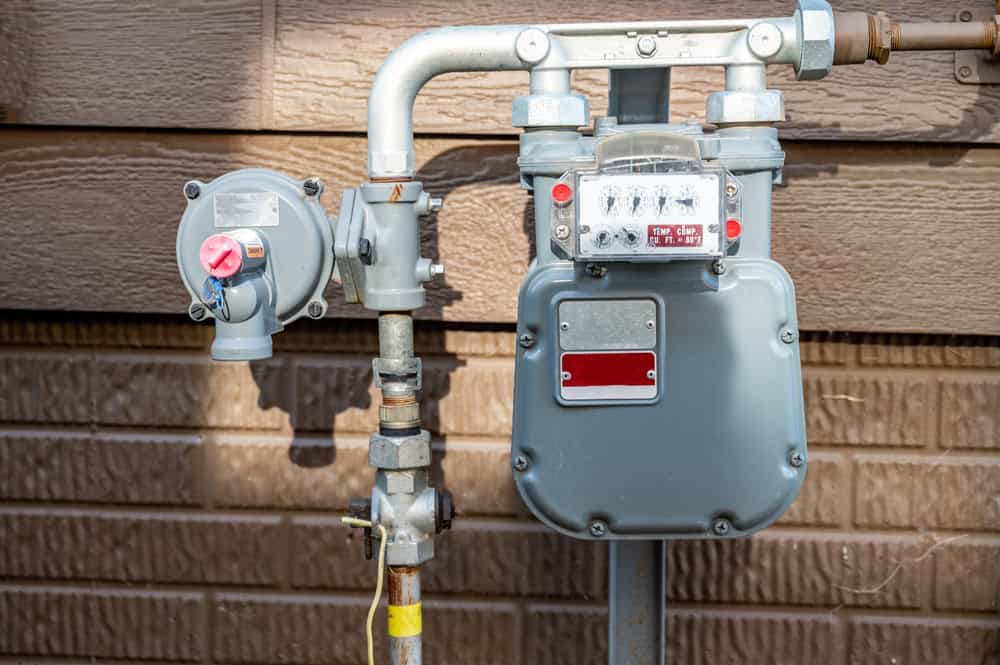
A gas shutoff in Saint George hits differently than it does in many other neighborhoods. You’re dealing with pre-war buildings — many of them pushing 80 or 90 years old — where aging pipes and corroded fittings are the norm, not the exception. When National Grid detects a problem and locks that meter, restoring service isn’t just a repair job. It’s a regulatory process that involves DOB filings, a pressure test, and utility sign-off before anyone turns the gas back on.
For the roughly 70% of Saint George residents who rent, the stakes go even further. A shutoff in a multi-family building on Daniel Low Terrace or along Richmond Terrace doesn’t just affect one household — it affects everyone on that riser. The longer it drags out, the more it becomes a legal and financial problem for the building owner, not just an inconvenience.
What you get on the other side of a properly handled restoration is straightforward: heat, hot water, and cooking gas restored as fast as the process allows — with every permit filed correctly, every inspection passed on the first try, and no hidden charges waiting at the end of the invoice. We handle all of it.
We’ve been doing gas work on Staten Island since 1983. That’s four decades of navigating National Grid’s restoration protocols, filing Emergency Work Notifications with the DOB, coordinating pressure tests, and getting gas service back on for homeowners, landlords, and building managers across the borough — including the older, denser housing stock that defines Saint George’s North Shore waterfront.
Bobby and Rob Jr. are the ones who show up. Licensed Master Plumber #1169, two FDNY Certificates of Fitness, Licensed Master Fire Suppression Contractor #954B — these aren’t credentials on a wall. They’re what make the job legal, and what make the pressure test pass the first time around.
Saint George sits in National Grid territory, not Con Edison. Every gas job we’ve done on Staten Island has gone through National Grid’s protocols. That familiarity isn’t something you can fake, and it’s exactly what keeps a restoration moving in weeks instead of months.
The first thing that needs to happen after National Grid shuts off your gas is an Emergency Work Notification filed with the NYC Department of Buildings. This is the legal gateway to beginning any repair work, and it has to be filed by a Licensed Master Plumber with a Gas Work Qualification. We handle this immediately — not after a few days of scheduling, but as the first move.
From there, the actual repair work begins. In Saint George, that often means working inside pre-war buildings where gas piping runs through shared walls, behind plaster, or through common spaces in multi-unit structures. The repair has to be done correctly before anything else can move forward, because the DOB pressure test comes next — and a failed pressure test means starting the inspection process over, which can add weeks to your outage.
Once the repair passes the pressure test and the DOB inspection is complete, National Grid coordinates the final step: their own two-part sign-off, which includes a visual inspection of the repair work followed by a utility leak test. National Grid’s stated timeline from that point is one to two days, not exceeding five business days. We keep that clock moving without gaps throughout every step — because every gap is another day without gas in your building.
Ready to get started?
Gas restoration isn’t a single task — it’s a sequence, and every step has to be handled correctly for the next one to proceed. When you call us for a gas shutoff in Saint George, here’s what’s covered: the Emergency Work Notification filing with the DOB, the full repair of the affected gas piping, the DOB pressure test and inspection coordination, and direct communication with National Grid to schedule their sign-off and restore service to the meter.
For multi-unit buildings — which make up a significant share of Saint George’s housing stock, particularly in the pre-war corridors near Bay Street and along the hillside streets above the ferry terminal — the permitting and inspection process covers the full scope of the building’s affected system, not just a single unit. That matters because a repair that only addresses part of the problem won’t pass inspection, and won’t get the gas back on for anyone in the building.
Local Law 152 is also worth understanding if you own property in Saint George. Buildings in NYC Community District Staten Island 1 are required to have their gas piping inspected on a four-year cycle. If your building is approaching that window — or if a failed inspection is what triggered the shutoff in the first place — we handle both the compliance inspection and any repairs that follow. Getting ahead of that cycle is a lot less disruptive than reacting to a shutoff after the fact.
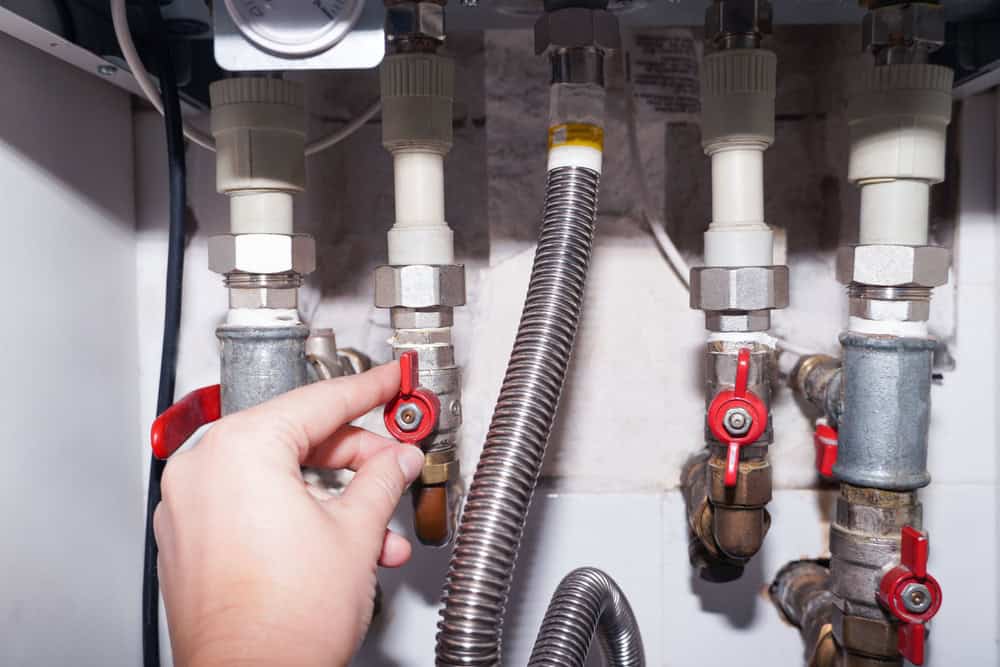
The first thing to understand is that you cannot restore gas service yourself. Once National Grid locks the meter — whether they detected a leak during a routine check, responded to a smell-of-gas call, or acted on a DOB or FDNY order — only the utility can restore service, and only after a Licensed Master Plumber has completed the required repairs and the work has passed a DOB pressure test and inspection.
Your immediate next step is to contact a Licensed Master Plumber who holds a Gas Work Qualification. Under Local Law 150 of 2016, this is a hard legal requirement — not every licensed plumber qualifies. The LMP needs to file an Emergency Work Notification with the NYC Department of Buildings before any repair work can legally begin. We handle this filing as the first order of business, so the clock starts moving right away rather than sitting idle while paperwork gets sorted out.
The honest answer is that it depends heavily on who you hire and how fast they move through each step of the process. The repair itself — fixing the leak or replacing the damaged piping — can often be completed in a day or two, depending on the scope. In Saint George’s older building stock, where pre-war piping sometimes runs through shared walls or multi-unit risers, the repair can be more involved than a straightforward single-family job.
After the repair, the DOB pressure test and inspection have to be scheduled and passed. Once that’s done, National Grid takes over for the final step. Their stated timeline is one to two days, not exceeding five business days, from the point where all work is complete and approved. A plumber who files the EWN immediately, completes the repair without delays, and passes the pressure test on the first try can realistically get a Saint George building’s gas restored within a couple of weeks. A plumber who misfiles paperwork or fails the pressure test can stretch that same process into months.
No — and this is one of the most important things to verify before you hire anyone. Since January 1, 2020, under Local Law 150 of 2016, all gas work in New York City must be performed by a Licensed Master Plumber who also holds a Gas Work Qualification. A standard plumbing license alone is not sufficient. If a plumber doesn’t have both, they cannot legally perform the repair, file the required DOB paperwork, or conduct the pressure test — which means the job stalls before it even starts.
You can verify a plumber’s LMP status and Gas Work Qualification on the NYC DOB website. The gas qualification card now includes a QR code for instant verification. We hold LMP #1169 with Gas Work Qualification, along with two FDNY Certificates of Fitness and a Licensed Master Fire Suppression Contractor license. In a market where national franchise plumbers and smaller operators compete for gas restoration calls in Saint George, the credential question is the first filter — and it’s a real one.
Tenants in Saint George have real options, and the neighborhood’s proximity to the Richmond County Courthouse and Borough Hall means many residents are already familiar with how city agencies work. If your landlord is not taking action to restore gas service, you can file an HPD complaint online or by calling 311. HPD can issue violations against the building owner, which creates a formal record and puts pressure on the landlord to act.
If that doesn’t move things, tenants can file an HP Action in Housing Court — which is located right in the civic center area of Saint George — to compel the landlord to make repairs. Tenants may also be entitled to a retroactive rent abatement for the period without gas service, typically in the range of 10 to 20 percent. The longer the outage continues without action, the greater the landlord’s legal and financial exposure. If you’re a building owner in this situation, that context should inform how quickly you prioritize getting a qualified plumber on-site.
It matters more than most people realize. All of Staten Island — including Saint George — is served by National Grid for natural gas, not Con Edison. The two utilities have different restoration protocols, different inspection sequences, and different coordination requirements. A plumber who primarily works in Manhattan or the Bronx, where Con Edison is the utility, may not be as familiar with National Grid’s specific process for Staten Island customers.
National Grid’s gas restoration involves two separate utility-side steps after the plumber’s work is complete: a visual inspection of the repair, followed by a leak test conducted by National Grid field crews. Their stated timeline for this final phase is one to two days, not exceeding five business days. We’ve operated exclusively in National Grid territory on Staten Island for over 40 years. That’s four decades of coordinating directly with National Grid on gas restorations — which means no learning curve, no delays from unfamiliarity, and no confusion about which utility coordinator to contact or what documentation they require.
Local Law 152 requires most buildings in New York City — everything except single and two-family homes classified as R-3 — to have their gas piping inspected by a Gas Operator Qualified Licensed Master Plumber on a four-year cycle. The inspections are scheduled by community district, and Saint George falls within NYC Community District Staten Island 1. If your building’s inspection was overdue, failed, or never filed, the DOB can order a gas shutoff as a result.
This is particularly relevant in Saint George given the neighborhood’s pre-war building stock. Gas piping installed in the 1930s and 1940s is now approaching 80 to 90 years old. These systems are more likely to show deterioration, corroded fittings, or failing joints that trigger a violation during an LL152 inspection. If a failed inspection is what led to your shutoff, the path forward involves both making the required repairs and getting the DOB to lift the order — which requires a properly filed permit, a passed pressure test, and a DOB inspection. We handle all of it, including the LL152 inspection itself if your building needs to get back into compliance proactively before the next cycle comes due.
Other Services we provide in Saint George