Summary:
You’ve probably been there. Third person in line for the shower, and the water goes cold halfway through. Or you’re running the dishwasher while someone’s doing laundry, and suddenly nobody has hot water. Traditional tank water heaters have a limit, and when you hit it, you’re stuck waiting.
Tankless hot water systems work differently. They heat water the moment you turn on the tap, not hours beforehand. No storage tank means no running out, no reheating cycles, and no energy wasted keeping 50 gallons hot at three in the morning.
But here’s what most homeowners want to know: does it actually save money, how do you size one correctly, and is it worth the upfront cost? Let’s walk through how these systems work and whether they’re the right fit for your Staten Island home.
How Tankless Hot Water Systems Work
A tankless hot water system doesn’t store water. Instead, it heats water instantly as it flows through the unit. When you turn on a hot water tap, cold water travels through a pipe into the heater, triggering a flow sensor that activates either a gas burner or electric heating elements.
The water circulates through a heat exchanger where it’s heated to your preset temperature in seconds. Then it exits through your home’s pipes to wherever you need it. The moment you turn off the tap, the system shuts down and stops using energy.
This on-demand approach is why they’re also called instantaneous or demand-type water heaters. You’re not paying to keep a reservoir of water hot around the clock. You’re only heating what you actually use, when you use it.
Continuous Hot Water Without Running Out
The biggest frustration with traditional tank heaters is simple: they run out. A 50-gallon tank might handle two showers, but the third person is out of luck until the tank refills and reheats. That recovery time can take 30 to 60 minutes depending on your heater.
Tankless systems eliminate that problem entirely. As long as you’re not exceeding the unit’s flow rate, you get hot water continuously. That means back-to-back showers, running the dishwasher during laundry day, or filling a soaking tub without worrying about the supply.
Here’s the catch: flow rate matters. A tankless heater can only heat so much water per minute, measured in gallons per minute or GPM. If you’re running three showers, the dishwasher, and the washing machine simultaneously, you might exceed the unit’s capacity. That’s where proper sizing comes in, which we’ll cover in detail.
For most Staten Island households, a correctly sized tankless system handles typical usage without issue. Morning routines, evening dishes, weekend laundry—all covered. You’re not managing a hot water budget anymore. You’re just using what you need.
The energy efficiency is a bonus. Traditional tanks lose heat through their walls even when you’re not using hot water. It’s called standby heat loss, and it’s expensive. According to the U.S. Department of Energy, tankless water heaters can be 24% to 34% more energy efficient for homes using 41 gallons or less of hot water daily. Even larger households using around 86 gallons per day see efficiency gains of 8% to 14%.
That translates to real savings on your monthly utility bills. Gas-fired tankless systems can save homeowners $100 or more annually. Electric models save around $44 per year. Over a 20-year lifespan, that’s $2,000 to $4,000 back in your pocket.
Space Savings and Installation Flexibility
Traditional tank water heaters are bulky. A standard 50-gallon unit stands about 5 feet tall and 2 feet wide, taking up serious floor space in your basement, utility closet, or garage. If you’re in a smaller Staten Island home or apartment, that’s valuable real estate.
Tankless units are compact. Most are about the size of a small suitcase and mount directly on the wall. You’re freeing up floor space that can be used for storage, laundry, or just making a cramped utility area feel less cramped.
Installation flexibility is another advantage. Because they’re so small, tankless heaters can be installed in tight spaces where a traditional tank wouldn’t fit. Some homeowners install them in closets, under sinks for point-of-use applications, or even on exterior walls if space inside is limited.
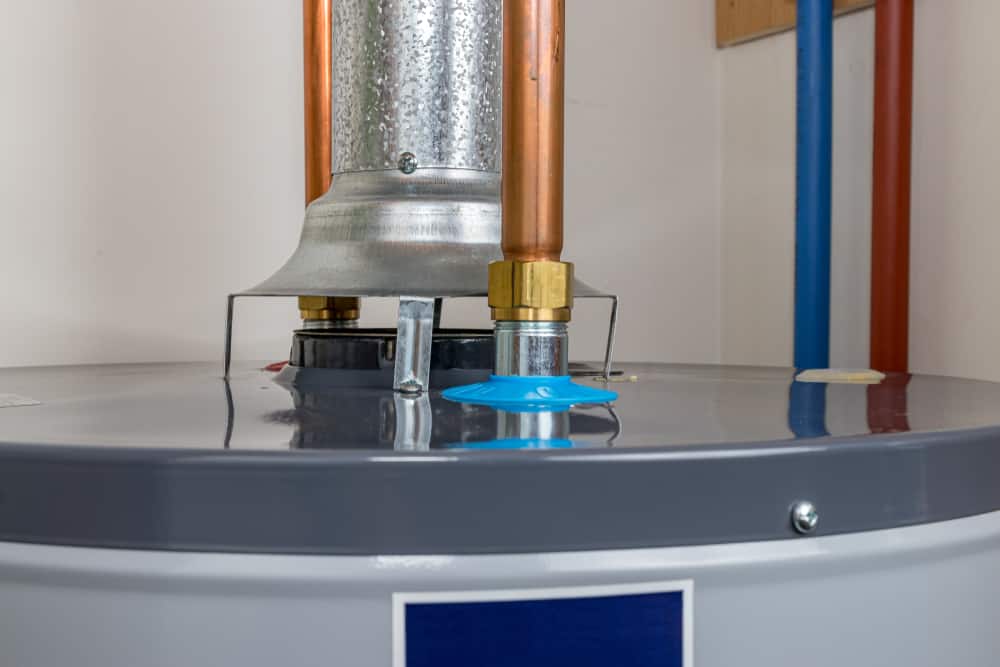
That said, installation isn’t always simple. Tankless systems have specific requirements. Gas models need proper venting to safely exhaust combustion gases. Electric models often require upgraded electrical service because they draw significant power to heat water instantly. If you’re switching from a tank to tankless, you may need modifications to your gas line, electrical panel, or venting system.
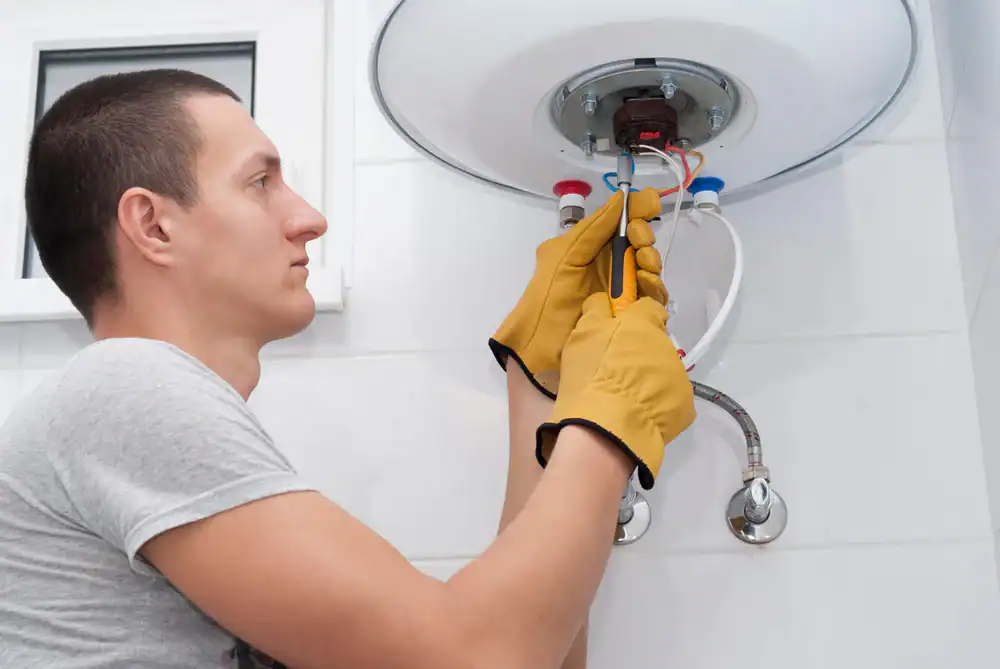
This is where working with a licensed professional matters. Improper installation can lead to performance issues, safety hazards, or code violations. In New York City, building codes are strict, and installations need to meet specific standards. A licensed master plumber who understands local requirements ensures the job is done right the first time.
The other benefit of going tankless: longevity. Traditional tank water heaters typically last 10 to 15 years before they need replacement. Tankless systems, with proper maintenance, can last 20 years or more. That’s double the lifespan, which offsets some of the higher upfront cost.
Tankless Water Heater Sizing Requirements
Sizing a tankless water heater isn’t as straightforward as matching tank capacity. You’re not replacing a 50-gallon tank with a “50-gallon equivalent” tankless unit. Instead, sizing is based on two factors: flow rate and temperature rise.
Flow rate is the total gallons per minute (GPM) your household needs during peak usage. Temperature rise is the difference between your incoming cold water temperature and your desired hot water temperature. Get either one wrong, and you’ll end up with a system that can’t keep up.
A properly sized system handles your household’s maximum simultaneous demand without running out of hot water or delivering lukewarm water. Undersizing means frustration. Oversizing means you’ve spent more than necessary.
Calculating Flow Rate for Your Home
To determine the right flow rate, you need to figure out how much hot water your household uses at one time during your busiest periods. Start by listing the fixtures and appliances that might run simultaneously.
A standard shower uses about 2.5 GPM. A kitchen faucet uses around 1.5 GPM. A dishwasher uses about 1 GPM, and a washing machine uses roughly 2 GPM. If you have a high-efficiency showerhead, that might drop to 2 GPM or less.
Let’s say your morning routine includes two showers running at the same time, plus someone washing their hands at the bathroom sink. That’s 2.5 GPM + 2.5 GPM + 1 GPM = 6 GPM total. Your tankless system needs to handle at least 6 GPM to keep up without anyone noticing a drop in temperature or pressure.
Here’s where it gets tricky. Not every fixture runs at full flow all the time. You might turn the shower down partway through. Someone might finish washing their hands before the second shower starts. Real-world usage is less predictable than the math suggests.
That’s why it’s smart to calculate based on realistic peak demand, not every fixture in the house running at once. Most households don’t actually use hot water in every bathroom, the kitchen, and the laundry room simultaneously. You’re looking for the highest likely usage, not the absolute maximum theoretical usage.
We can help you assess your actual needs based on your household size, routines, and fixtures. We’ll also account for future needs—if you’re planning to add a bathroom or upgrade to a larger shower, that changes the calculation.
For most Staten Island homes with 2 to 4 people, a tankless unit rated for 7 to 10 GPM handles typical demand comfortably. Larger households or homes with multiple bathrooms running at once might need a higher-capacity unit or even multiple tankless heaters installed in tandem.
Understanding Temperature Rise and Groundwater Temperature
Temperature rise is the second piece of the sizing puzzle. It’s the difference between the temperature of the water coming into your home and the temperature you want coming out of your faucet.
In Staten Island and the surrounding New York area, groundwater temperature varies by season. In winter, incoming water can be as cold as 45°F to 50°F. In summer, it might warm up to 60°F to 70°F. Most people want their hot water around 120°F for safety and comfort.
If your incoming water is 50°F in winter and you want 120°F at the tap, your tankless heater needs to raise the temperature by 70°F. That’s your temperature rise. The colder your incoming water, the harder your tankless system has to work, which affects how much hot water it can deliver per minute.
This is why the same tankless unit performs differently depending on where you live. A system that delivers 10 GPM in a warm climate might only deliver 7 GPM in a cold climate because it’s working harder to achieve the same temperature rise.
Staten Island, NYufacturers provide performance charts that show GPM output at different temperature rises. A unit might deliver 10 GPM at a 35°F rise, but only 6 GPM at a 70°F rise. You need to match the unit’s capacity to your coldest incoming water temperature to ensure it performs year-round.
Sizing based on summer groundwater temperatures is a mistake. Come winter, your system won’t keep up, and you’ll get lukewarm water during peak usage. Always size for the coldest incoming water you’ll see.
This is another reason professional sizing matters. We’re familiar with local conditions and know what groundwater temperatures to expect in Richmond County, NY. We’ll factor that into our recommendation, ensuring the system you install actually works when you need it most.
One more consideration: if you’re using a tankless system for radiant heating or other applications beyond domestic hot water, the sizing calculation changes. Combination systems that handle both space heating and hot water need higher capacity and more complex controls. That’s a specialized installation that requires expertise beyond a standard water heater replacement.
Is a Tankless Hot Water System Right for Your Home
Tankless hot water systems offer real benefits: endless hot water, lower energy bills, longer lifespan, and space savings. But they’re not the right fit for every household. The upfront cost is higher, installation can be complex, and proper sizing is critical.
If you’re frequently running out of hot water, dealing with a cramped utility space, or looking to reduce your monthly energy costs, a tankless system is worth considering. If you’re staying in your home long-term, the energy savings and extended lifespan make the investment more compelling.
The key is getting it sized and installed correctly. An undersized system won’t deliver the performance you expect. An improperly installed system can create safety issues or code violations. Working with experienced professionals who understand both the technology and local requirements makes all the difference.
We’ve been serving Staten Island and Staten Island, NY for over 40 years. With Licensed Master Plumber expertise and a third-generation family-owned approach, we ensure every installation is done right—properly sized, code-compliant, and built to last.