

You wake up to cold water. Your tenants are calling. Your morning routine just got complicated.
Here’s what happens when we handle your water heater replacement: You get your hot water back fast. Your property stays clean. The work meets Staten Island, NY codes. And you don’t get surprised by hidden costs or corner-cutting that’ll bite you later.
We’re not the cheapest option in the Garment District—and that’s exactly why you want us. You’re investing in a water heater replacement that works the first time, lasts longer, and gives you one less thing to worry about.
When you call RB Mechanical, you’re hiring Bobby and his son Rob—and that’s exactly who shows up at your door. No subcontractors. No mystery technicians. Just two guys who’ve been doing this work in Staten Island, NY for years and actually care about getting it right.
We’ve replaced water heaters in everything from pre-war Garment District apartments to modern commercial spaces. The neighborhood’s older buildings come with their own challenges—tight spaces, outdated connections, strict building requirements. We know how to work around them without creating bigger problems.
Here’s something you won’t hear often: we’re probably going to come in under our estimate. Not because we lowball you upfront, but because we price fairly and work efficiently.
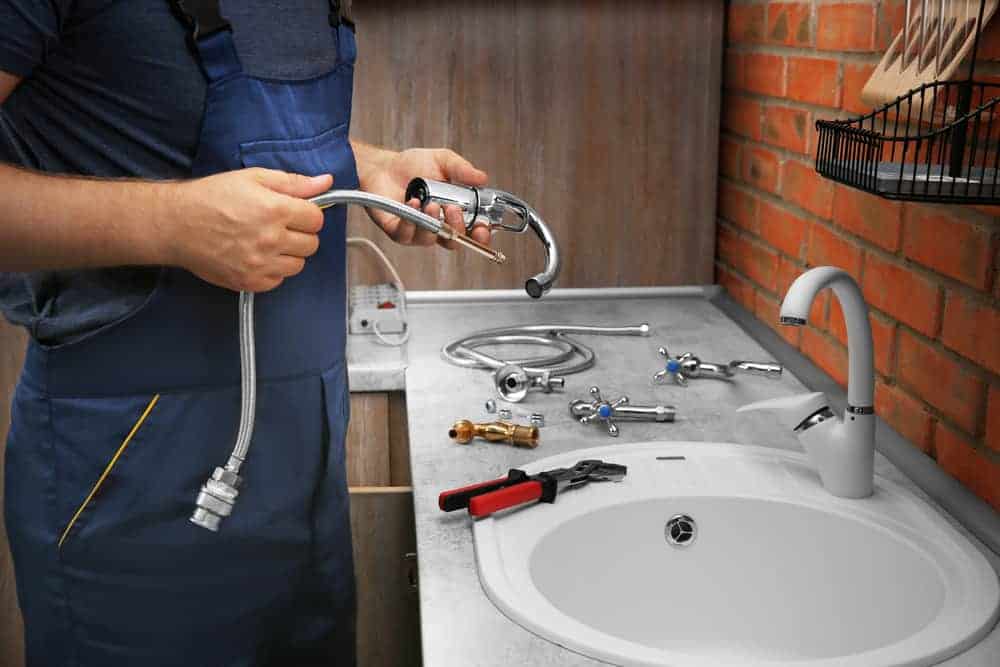
First, we assess what you actually need. Not every water heater problem requires a full replacement, but when it does, we’ll explain why and show you the options that make sense for your space and budget.
Next, we handle the permits and code requirements. Staten Island, NY has specific rules about water heater installations, and we make sure everything meets current standards. No shortcuts that’ll cause headaches during inspections later.
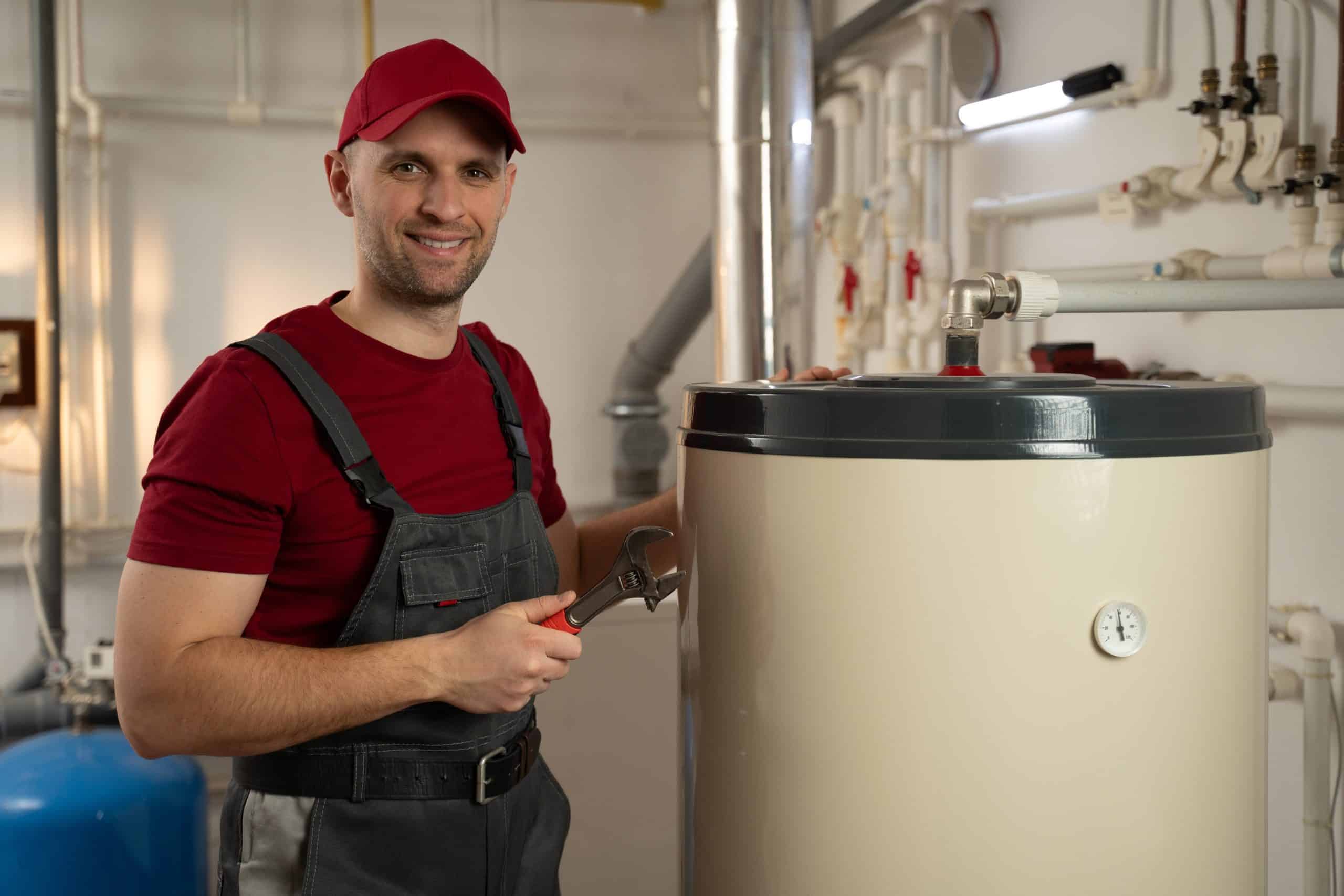
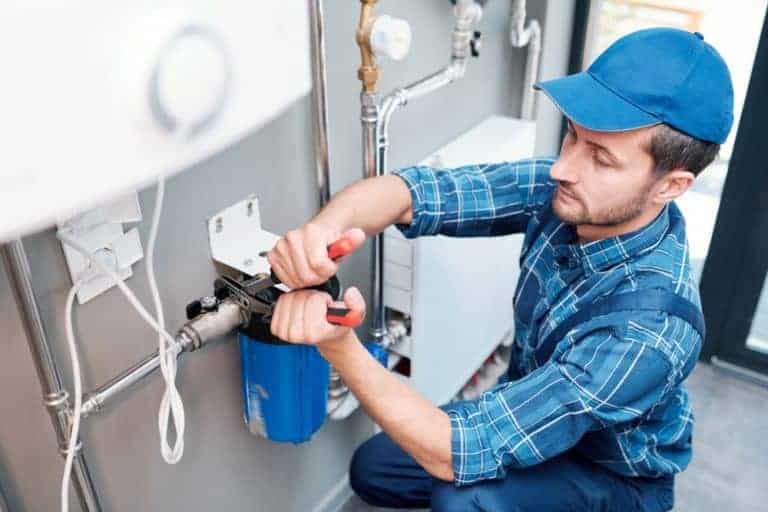
Then we do the work. We remove your old unit safely, install the new one properly, and test everything before we leave. The area gets cleaned up—we’re not the type to leave debris and expect you to deal with it. You’ll have hot water the same day, and you’ll know it was done right.
Ready to get started?
Your water heater replacement includes everything: proper removal and disposal of your old unit, installation of the new system with all necessary connections, code-compliant venting and safety features, and cleanup of the work area.
In the Garment District, we deal with unique challenges—older buildings with limited access, strict co-op and condo board requirements, and the need to minimize disruption to neighboring units. We coordinate with building management when needed and work around your schedule.
We also provide something most contractors don’t: honest advice about what you actually need. If your current setup is oversized for your space, we’ll recommend something more efficient. If you’re dealing with hard water that’s shortening your heater’s life, we’ll suggest solutions. The goal is getting you a system that works well for years, not just selling you the most expensive option.
Most water heater replacements in the Garment District take 4-6 hours from start to finish. This includes removing the old unit, installing the new one, connecting all gas and water lines, and testing the system.
The timeline can extend if we need special building access, elevator reservations, or if your installation requires updates to meet current Staten Island, NY codes. Pre-war buildings sometimes need additional venting work or electrical upgrades. We handle all the coordination with building management and let you know upfront if anything will add time to the job.
Age is the biggest factor—if your water heater is over 10 years old, replacement usually makes more sense than repair. Other clear signs include rusty or discolored water, strange noises like banging or popping, leaks around the base of the unit, and inconsistent water temperature.
In Staten Island, NY’s hard water environment, sediment buildup happens faster than in other areas. If you’re hearing rumbling sounds, that’s often sediment interfering with the heating element. Water that smells metallic or looks rusty typically means the tank is corroding from the inside. Don’t wait for a complete failure—it usually happens at the worst possible time and can cause water damage to your property.
Yes, water heater replacement in Staten Island, NY requires permits, and the requirements vary depending on your building type and the specific work being done. Gas water heaters need both plumbing and gas work permits. Electric units typically need electrical permits if any wiring changes are required.
We handle all the permit applications and inspections as part of our service. This includes ensuring your new installation meets current Staten Island, NY building codes, which may be different from when your old unit was installed. Co-op and condo buildings often have additional requirements about contractor insurance and work scheduling that we’re familiar with and can navigate for you.
Water heater replacement costs in the Garment District typically range from $1,500 to $4,000, depending on the unit type, installation complexity, and any code updates required. Standard gas units in straightforward installations are on the lower end, while high-efficiency models or installations requiring significant plumbing updates cost more.
Staten Island, NY installations often cost more than other areas because of building access challenges, permit requirements, and the need for proper disposal of old units. We provide upfront pricing that includes all labor, permits, and disposal fees. No surprise charges for “unforeseen complications” that any experienced contractor should anticipate in older Garment District buildings.
Absolutely. We specialize in older Staten Island, NY buildings and understand the unique challenges they present—limited space, outdated connections, strict building management requirements, and the need to work around other tenants.
Pre-war buildings in the Garment District often have specific requirements about work hours, elevator use, and contractor access. We coordinate with building management, carry proper insurance, and know how to work in tight mechanical rooms or basement spaces. Sometimes older installations need updates to meet current codes, and we handle those requirements as part of the replacement process.
For most Garment District apartments, a standard tank water heater sized appropriately for your space and usage works best. Tankless units can be good for very small spaces, but they’re more expensive upfront and require more complex installations that aren’t always practical in older buildings.
The key is proper sizing—many older installations are oversized, which wastes energy and space. We assess your actual hot water needs and building constraints to recommend the right capacity. Gas units are typically more cost-effective to operate than electric in Staten Island, NY, but the choice depends on your building’s existing utilities and any restrictions from your co-op or condo board.