


Your water heater failing in the middle of a Staten Island, NY winter isn’t just inconvenient—it’s a crisis. You need hot water for showers, dishes, laundry, and basic daily comfort. When your system breaks down, every hour without hot water feels longer than the last.
That’s where professional water heater replacement makes all the difference. You get reliable hot water restored quickly, energy-efficient systems that lower your utility bills, and peace of mind knowing the job meets Staten Island, NY building codes. No more cold showers, no more waiting around for lukewarm water, and no more worrying about when your aging system might fail next.
The right replacement means consistent performance for years to come. You’ll have the hot water capacity your household actually needs, whether that’s a high-efficiency tankless system or a traditional tank that fits your space and budget perfectly.
We’ve been serving Theater District residents and businesses for years, building our reputation one satisfied customer at a time. When you call us, you’re getting Bobby and his son Rob—not a rotating cast of technicians, but the same expert professionals who’ve mastered Staten Island, NY’s unique plumbing challenges.
We understand Theater District’s older buildings, tight spaces, and specific code requirements. From pre-war apartments to modern commercial spaces, we’ve handled water heater replacements in every type of property this neighborhood has to offer.
Our approach is straightforward: show up on time, diagnose the problem accurately, explain your options clearly, and complete the work right the first time. We’re the plumbing company that comes in under estimate, not over it.
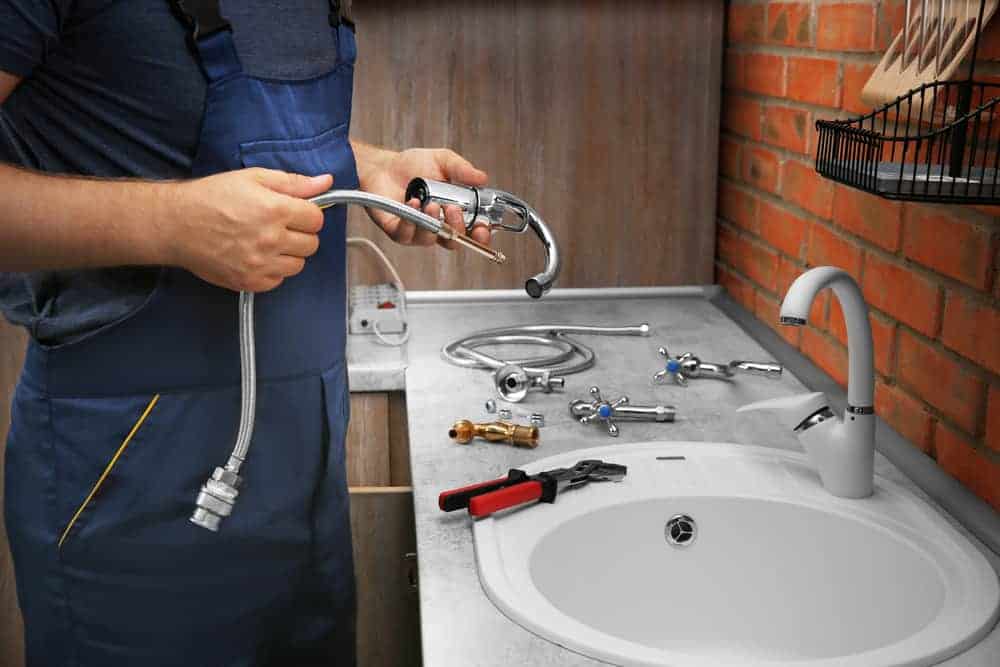
First, we assess your current setup and hot water needs. We’ll look at your space, existing connections, and discuss what type of water heater makes sense for your household or business. This isn’t a sales pitch—it’s a consultation to find the right solution.
Next, we provide a clear, written estimate with no hidden fees. You’ll know exactly what you’re paying before any work begins. We explain the timeline, what’s included, and answer any questions you have about the process.
Then we handle everything: removing your old unit, installing the new system, testing everything thoroughly, and cleaning up completely. We make sure your new water heater meets all Staten Island, NY codes and performs exactly as expected. You get hot water back fast, with the confidence that comes from professional installation.

Ready to get started?
We install traditional tank water heaters, tankless systems, heat pump units, and hybrid models. Each type has specific advantages depending on your space, hot water usage, and energy efficiency goals. Traditional tanks work great for predictable usage patterns, while tankless systems save space and provide endless hot water on demand.
Theater District’s mix of older and newer buildings means we often work with unique installation challenges. Tight utility closets, specific venting requirements, and building code compliance—we handle it all. We’re experienced with the permits and inspections Staten Island, NY requires for water heater replacements.
Heat pump water heaters are becoming increasingly popular here because they can cut energy costs significantly while qualifying for rebates and tax credits. We’ll help you understand which incentives apply to your situation and ensure your new system maximizes both performance and savings for your specific Theater District location.
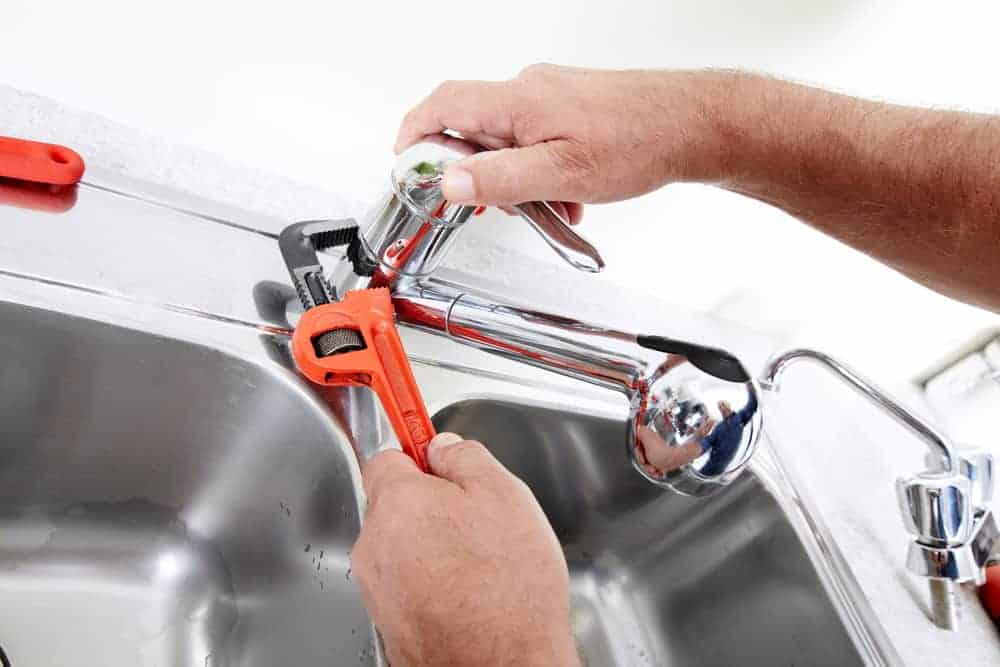
Most water heater replacements in Theater District take 2-4 hours, depending on the type of system and any modifications needed for your specific space. If we’re doing a direct replacement with the same type of unit, we can often complete the job in 2-3 hours.
Tankless installations typically take longer because they require different venting and gas line considerations. We might need additional time if your building requires permits or inspections, which is common in Theater District’s older buildings.
We always provide a realistic timeline upfront and keep you informed if anything changes. Our goal is to restore your hot water as quickly as possible while ensuring everything is installed correctly and safely.
Water heater sizing depends on your household size and hot water usage patterns, not just square footage. For a typical 1-2 person apartment, a 30-40 gallon tank usually works well. Larger households or those with high usage might need 50-80 gallon systems.
Tankless water heaters are sized differently—by flow rate rather than storage capacity. We calculate your peak demand by looking at how many fixtures might run simultaneously. A typical Theater District apartment might need 6-8 gallons per minute capacity for tankless systems.
We always assess your actual usage before recommending a size. Theater District’s compact living spaces often benefit from tankless systems that free up valuable storage space while providing unlimited hot water. We’ll help you find the right balance between capacity, space, and budget.
Yes, Staten Island, NY requires permits for most water heater replacements, especially when changing fuel types or significantly modifying existing installations. We handle all permit applications and ensure your installation meets current building codes.
The permit process typically adds 1-2 days to the timeline, but it’s essential for legal compliance and safety. Staten Island, NY inspectors verify that gas connections, venting, and electrical work meet city standards. This protects you and ensures your insurance coverage remains valid.
We’re familiar with Theater District’s specific building requirements and work with the Department of Buildings regularly. You don’t need to worry about paperwork or inspections—we manage the entire process and keep you informed of any requirements or timing considerations.
Water heater replacement costs in Theater District typically range from $1,200 to $4,000, depending on the type of system, installation complexity, and any necessary upgrades to existing connections. Traditional tank replacements are generally less expensive than tankless or heat pump systems.
The total cost includes the unit, installation labor, permits, and any necessary modifications to gas lines, venting, or electrical connections. Theater District’s older buildings sometimes require additional work to meet current codes, which can affect pricing.
We provide written estimates before starting any work, so you’ll know exactly what you’re paying. We often come in under our initial estimates because we price conservatively. Staten Island, NYy customers also qualify for rebates and tax credits that can significantly reduce the net cost of energy-efficient systems.
Traditional water heaters store and continuously heat 30-80 gallons of water in an insulated tank. They’re reliable, less expensive upfront, and work well for predictable usage patterns. However, they can run out of hot water during high-demand periods and use energy to maintain water temperature even when not in use.
Tankless systems heat water on-demand as it flows through the unit. They provide unlimited hot water, take up much less space, and are more energy-efficient since they only heat water when needed. The upfront cost is higher, but they typically last longer and can significantly reduce energy bills.
For Theater District apartments where space is premium, tankless systems often make sense despite the higher initial investment. They free up valuable storage space and eliminate the risk of tank leaks. We’ll help you evaluate which option works best for your specific situation, space constraints, and budget.
Absolutely. We specialize in working with Theater District’s mix of pre-war and older buildings, each with unique challenges like limited space, older gas lines, and specific venting requirements. We’ve handled installations in buildings dating back decades.
Older buildings often require creative solutions for proper venting, especially when installing high-efficiency units. We’re experienced with the modifications needed to meet current safety codes while working within existing structural limitations.
We also understand the co-op and condo approval processes common in Theater District buildings. We can provide documentation for building management and work with your building’s requirements for contractor insurance, scheduling, and any specific installation procedures they require.