Summary:
The Hidden Costs of Ignoring Slow Drains in Staten Island, NY
Most homeowners dismiss slow drains as minor annoyances. But in Staten Island, NY’s complex plumbing systems, that sluggish bathroom sink often signals bigger problems brewing in your building’s infrastructure.
When drains start backing up slowly, it typically means buildup is restricting water flow throughout your pipes. Left unchecked, this creates pressure that can cause pipes to burst, sewage to back up into your home, or water to find its way into places it shouldn’t be.
The financial impact hits fast and hard. Water damage restoration in Staten Island, NY ranges from $1,200 to $5,000 for standard cleanup, but sewer backups can cost up to $50,000 for extensive contamination removal and structural repairs.
What Slow Drains Really Mean for Your Staten Island, NY Property
In Staten Island, NY and Staten Island’s older buildings, slow drains rarely happen in isolation. They’re usually the first visible sign of systemic problems that affect multiple units or entire building sections.
Hair, soap scum, and everyday debris combine with grease and food particles to create stubborn blockages that grow over time. But the real culprits in Staten Island, NY are often more serious: tree roots infiltrating aging sewer lines, mineral buildup from hard water, or structural issues with pipes that haven’t been updated in decades.
These blockages don’t just slow your water flow—they create back-pressure throughout the system. When heavy rains hit (and Staten Island, NY gets plenty), overwhelmed drains can’t handle the extra volume. That’s when you get the call every homeowner dreads: sewage backing up into basements, first-floor apartments, or worse.
The city’s Department of Environmental Protection logged nearly 5,400 sewer backup complaints in just four months during 2023—a 14% increase from the previous year. Each of these represents a property owner dealing with contaminated water, damaged belongings, and expensive cleanup bills.
Most insurance policies specifically exclude sewer backup damage, leaving homeowners to cover costs that average $7 per square foot of affected area. For a 1,000-square-foot basement, that’s $7,000 in cleanup costs alone, before addressing any structural damage or mold remediation.
The Health and Safety Risks You Can't Ignore
Beyond the financial impact, sewer backups pose serious health risks that many Staten Island, NY residents underestimate. Contaminated water contains bacteria, viruses, and parasites that can cause everything from minor skin irritation to serious illnesses like hepatitis and dysentery.
The tight quarters of Staten Island, NY living make these health risks even more concerning. When sewage backs up in one apartment, it often affects neighboring units through shared walls, floors, and ventilation systems. Children and elderly residents face the highest risk from exposure to contaminated water and air.
Professional cleanup isn’t just about removing water—it requires specialized equipment to properly sanitize affected areas and prevent mold growth. Mold remediation alone can cost $1,500 to $4,000, and that’s assuming you catch it early.
The city requires thorough cleaning and disinfection after any flood or sewer backup because direct exposure can infect eyes, skin, stomach, and intestines. This isn’t something you can handle with household cleaners and good intentions.
What makes this particularly frustrating for Staten Island, NY homeowners is how preventable these situations usually are. Regular drain maintenance catches problems while they’re still manageable, before they escalate into health hazards that require professional hazmat-level cleanup.
Common Drain Clog Culprits in Staten Island, NY Homes
Understanding what causes clogs in Staten Island, NY properties helps you recognize problems early and take preventive action. The city’s unique challenges—from aging infrastructure to high-density living—create specific patterns that smart homeowners learn to watch for.
Kitchen drains face constant assault from grease, food particles, and soap buildup. Even small amounts of cooking oil solidify in pipes, creating sticky surfaces that trap other debris. Bathroom drains deal with hair, soap scum, and personal care products that combine into tough, rope-like tangles.
But Staten Island, NY’s biggest drain threats often come from outside your apartment: tree roots seeking moisture in aging sewer lines, mineral deposits from the city’s hard water, and structural shifts in older buildings that cause pipes to sag or separate.
Tree Roots: Staten Island, NY's Underground Menace
Tree roots cause some of the most expensive and persistent drain problems in Staten Island, NY, particularly in areas with mature street trees and older sewer lines. Roots naturally seek moisture and nutrients, making your sewer pipes an irresistible target.
The process starts small—tiny “hair roots” slip through minor cracks or loose joints in clay or cast-iron pipes. Once inside, they have access to a constant supply of water and organic matter, allowing them to grow rapidly. Over time, these roots expand, creating serious blockages and potentially crushing or cracking the pipes themselves.
What makes root infiltration particularly problematic in Staten Island, NY is how far roots can travel underground. A tree planted 20 feet from your building can still send roots directly to your sewer line. Staten Island, NY’s street trees, in particular, have extensive root systems that often intersect with aging infrastructure.
The warning signs include recurring clogs that seem to clear temporarily but return quickly, gurgling sounds from drains, and sewage odors that persist even after cleaning. By the time you notice these symptoms, roots have usually established themselves throughout significant portions of your sewer line.
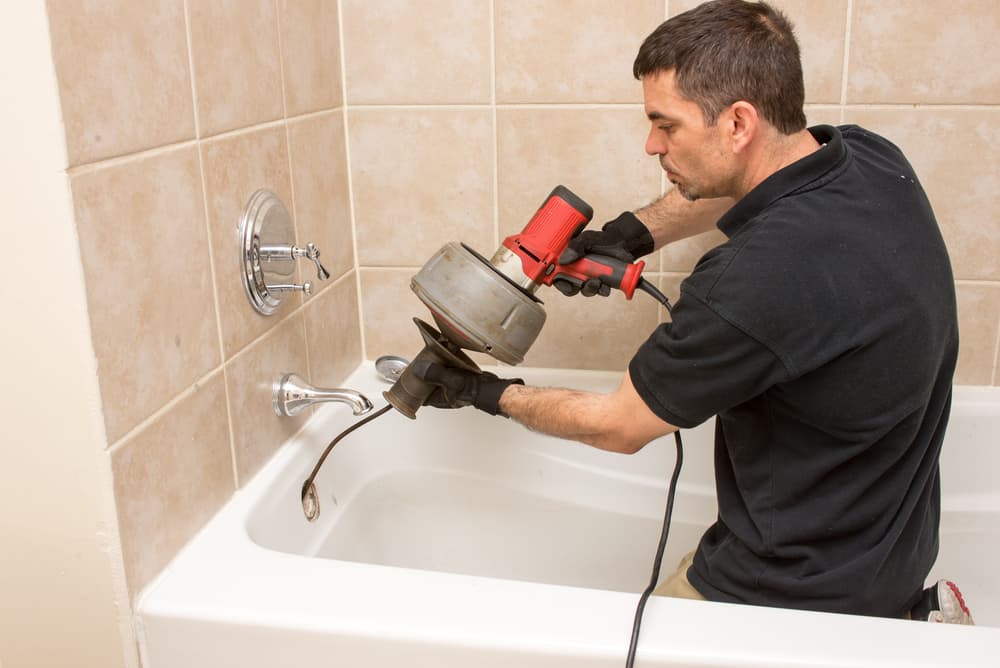
Professional removal typically requires specialized equipment like hydro-jetting or mechanical cutting tools. But without addressing the underlying pipe damage that allowed roots to enter, they’ll return within months. This is why many Staten Island, NY properties end up needing partial or complete sewer line replacement, with costs ranging from $10,000 to $15,000.
The most effective approach combines immediate root removal with long-term pipe repair or replacement using modern materials that resist root infiltration.
Grease, Hair, and Daily Buildup: The Slow Killers
While tree roots grab headlines, everyday household waste causes the majority of drain problems in Staten Island, NY apartments and homes. The combination of cooking grease, hair, soap residue, and food particles creates a perfect storm for serious blockages.
Grease presents the biggest challenge because it behaves differently in pipes than in your kitchen. Liquid cooking oil and fat solidify quickly in cool pipes, creating sticky surfaces that trap everything else going down the drain. Over time, this buildup narrows pipe diameter and restricts water flow.
Hair combines with soap scum and body oils to form tough, rope-like clogs that resist simple removal attempts. In buildings with older plumbing, these clogs can extend deep into the system, affecting multiple units.
The problem compounds in Staten Island, NY because of how buildings share plumbing systems. A grease clog in one apartment’s kitchen drain can affect the entire building’s waste line. When multiple units contribute to the same problem, individual efforts to clear drains often provide only temporary relief.
“Flushable” wipes deserve special mention as one of the most problematic items in Staten Island, NY sewers. Despite manufacturer claims, these products don’t break down quickly enough in pipe systems, creating stubborn clogs that require professional removal. The city’s Department of Environmental Protection identifies improper disposal of wipes as one of the leading causes of sewer backups.
Chemical drain cleaners, while tempting, often make these problems worse. They can dissolve some organic matter but leave behind mineral deposits and can damage older pipes, creating rough surfaces that catch debris more easily.
Your Staten Island, NY Drain Maintenance Action Plan
Smart prevention starts with recognizing early warning signs: water draining slower than usual, gurgling sounds, recurring clogs, or persistent odors. Don’t wait for complete blockages—these symptoms tell you it’s time for professional attention.
Monthly maintenance habits make a real difference. Use enzyme-based cleaners instead of harsh chemicals, install drain screens to catch hair and debris, and never pour grease down kitchen drains. For Staten Island, NY homeowners, annual professional inspections catch problems while they’re still manageable and less expensive to fix.
When you need professional help, choose experienced local experts who understand Staten Island, NY’s unique plumbing challenges. We’ve been solving these exact problems for Staten Island, NY and Staten Island residents for over 40 years, combining proven expertise with the personal attention that only a family-owned business provides.