Summary:
You turn on the shower and wait. And wait. Then someone else uses hot water and suddenly you’re left with lukewarm water at best. If this sounds familiar, you’re dealing with the limitations of a traditional tank water heater. Tankless water heaters work differently. They heat water the moment you need it, delivering a continuous supply without the wait or the worry about running out. Whether you’re considering an upgrade or just trying to understand your options, knowing how these systems actually work helps you make a smarter decision. Let’s start with the basics.
How Tankless Water Heaters Work
A tankless water heater doesn’t store hot water. Instead, it heats water as it flows through the unit. When you turn on a hot water tap, cold water enters the heater through an inlet pipe. A flow sensor detects the water movement and activates the heating system.
If you have a gas unit, a burner ignites and heats a heat exchanger. If it’s electric, high-powered heating elements kick in. The water passes through this heat exchanger, reaching your set temperature before exiting to your faucet or shower. The whole process takes seconds.
When you shut off the tap, the flow sensor detects the change and the unit goes into standby mode. No energy is wasted keeping a tank of water hot. This on-demand approach is why these systems are also called instantaneous or demand-type water heaters.
Electric Tankless Water Heater Systems
Electric tankless water heaters use powerful heating elements to warm water as it flows through. They’re typically more affordable upfront, with costs ranging from $1,200 to $2,500 installed. The lower initial investment makes them appealing if you’re working within a tighter budget.
Installation is usually simpler than gas models. You don’t need venting or gas line work. But there’s a catch. Electric units require dedicated 40-60 amp circuits, and if your electrical panel is already maxed out, you might need an upgrade. That can add $850 to $1,700 to your project cost.
Electric tankless heaters work well for smaller households or point-of-use applications. A single unit under your bathroom sink can provide instant hot water right where you need it. But for whole-house applications, electric models typically have lower flow rates than gas units. If you’re running multiple showers and the dishwasher simultaneously, an electric system might struggle to keep up.
The efficiency is solid. You’re heating water only when needed, which cuts down on standby energy loss. But electricity costs more per unit than natural gas in most areas, so your operating costs might be higher despite the efficiency gains. If your home already runs entirely on electricity and you don’t have gas service, an electric tankless makes practical sense. You avoid the expense of adding a gas line.
Hard water can be tough on electric elements. Mineral buildup happens faster when heating elements are in direct contact with water. If you live in an area with hard water, plan on more frequent maintenance or consider a water softener.
Gas and Propane Tankless Water Heater Options
Gas tankless water heaters use natural gas or propane burners to heat water through a heat exchanger. They cost more upfront, typically $2,000 to $3,800 installed, but they deliver higher flow rates. A quality gas unit can handle multiple showers, the washing machine, and the dishwasher running at the same time.
The heat exchanger design matters. Condensing models capture heat from exhaust gases and reuse it, pushing efficiency ratings above 90%. Non-condensing units vent that heat outside, which means they’re less efficient but cost about 25% less to install. The trade-off is higher energy bills over time.
Propane tankless water heaters work the same way as natural gas models. If you don’t have access to a natural gas line, propane is your alternative. You’ll need a propane tank, and fuel costs vary by region. But the performance is comparable. A propane unit producing 40,000 BTU per hour uses about 1.5 gallons of propane daily, depending on your hot water usage.
Installation gets more complex with gas systems. You need proper venting to remove combustion gases safely. Condensing units can use PVC venting, which is cheaper. Non-condensing models require stainless steel venting because the exhaust temperatures are higher. Your existing gas line might not be large enough either. Staten Island, NYy tankless units need a 3/4-inch gas line, but older homes often have 1/2-inch lines. Upgrading costs $200 to $800 depending on the distance from your meter.
Gas tankless heaters handle hard water better than electric models. The water doesn’t contact the heating elements directly, so mineral buildup is less aggressive. You still need annual maintenance, but the system is more forgiving. For larger families or homes with high hot water demand, gas systems make more sense. They recover faster and deliver more hot water per minute than electric units.
Tankless Water Heater Installation Cost and Requirements
Installing a tankless water heater isn’t as simple as swapping out your old tank. The average installation cost in 2026 ranges from $1,400 to $5,600 depending on fuel type, unit size, and what modifications your home needs. Labor alone runs $700 to $2,500.
If you’re converting from a traditional tank to tankless, expect the higher end of that range. We might need to upgrade your gas line, install new venting, add electrical circuits, or relocate plumbing connections. Each of these adds to the total cost but ensures your system works safely and efficiently.
Location matters too. Richmond County, NY has specific code requirements for water heater installations. Working with a licensed Master Plumber who knows local regulations protects you from compliance issues down the road.
What Installation Actually Involves
A straightforward tankless replacement takes 3 to 5 hours. But if you’re converting from a tank system, plan on 6 to 10 hours or even a full day. We need to remove the old tank, modify plumbing connections, install the new unit, and test everything thoroughly.
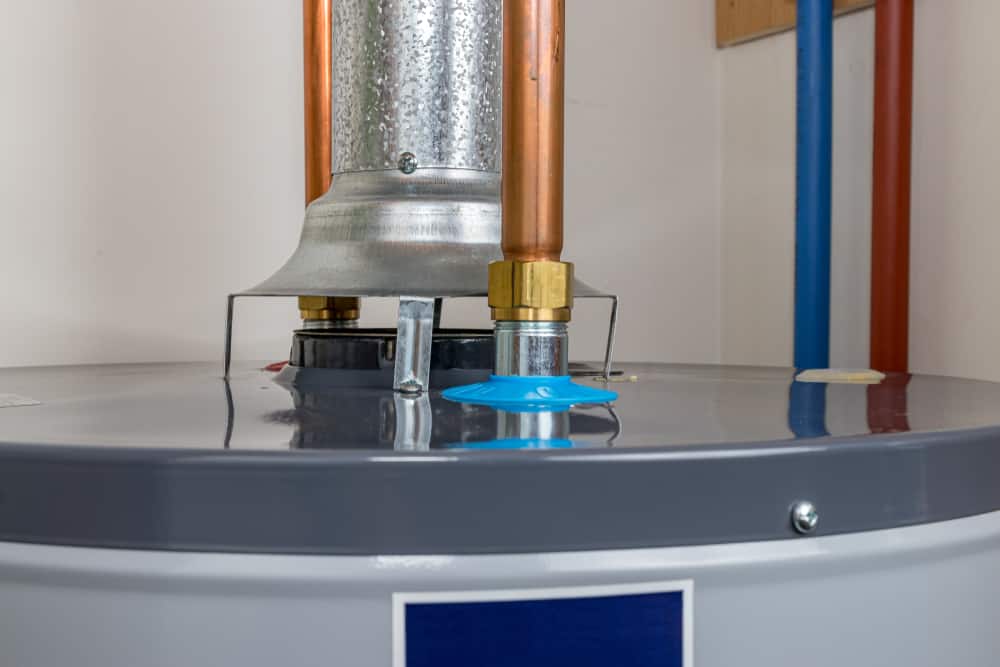
Gas installations require careful attention to venting. Combustion gases need to exit your home safely. We’ll run vent pipes through an exterior wall or up through the roof, depending on your home’s layout and the unit type. Condensing models produce cooler exhaust and can use PVC pipes. Non-condensing units need stainless steel venting that can handle higher temperatures.
Electrical work is part of every installation. Even gas units need electricity for controls, ignition, and the exhaust fan. Electric tankless heaters demand significant power. You might need a dedicated 40 to 60 amp circuit, and if your electrical panel can’t handle the load, an upgrade becomes necessary.
Permits are typically required. Most jurisdictions need permits for gas work, electrical modifications, and water heater replacements. A licensed professional handles this paperwork as part of the installation. Skipping permits might save money short-term, but it creates problems when you sell your home or file an insurance claim.
Proper sizing is critical. We calculate your peak hot water demand based on how many fixtures might run simultaneously. A unit that’s too small will struggle during high-demand periods. One that’s too large wastes money upfront without providing additional benefit. Flow rate, measured in gallons per minute, determines how much hot water the unit can deliver. Most households need a unit that can handle 2 to 5 gallons per minute, but larger families might need more capacity.
Water quality affects installation decisions. If you have hard water with high mineral content, we might recommend a water softener or plan for more frequent descaling maintenance. We often include service valves during installation, making future maintenance easier and less expensive.
Hidden Costs and Long-Term Value
The sticker price doesn’t tell the whole story. Gas line upgrades can add $200 to $800. Electrical panel upgrades run $850 to $1,700. New venting costs $100 to $600. Permits add another $50 to $200 depending on your location. Old tank removal and disposal might be included in your quote, or it might cost extra.
But tankless systems deliver long-term value that offsets the higher upfront cost. Energy savings average $95 to $180 annually depending on your household’s hot water usage. Homes using 41 gallons or less per day see 24% to 34% energy savings compared to tank systems. Larger households using around 86 gallons daily still save 8% to 14%.
The lifespan matters. A tankless system lasts 20 years or more with proper maintenance. Traditional tank heaters fail after 8 to 12 years. Over 20 years, you’d replace a tank system twice but buy just one tankless unit. Factor in the avoided replacement costs and the math starts to work in your favor.
Federal tax credits improve the economics. In 2026, ENERGY STAR certified tankless water heaters qualify for a 30% federal tax credit up to $600. Some local utilities offer additional rebates. These incentives can reduce your out-of-pocket cost by $500 to $2,000.
The break-even point typically hits around year 8 to 10. After that, your energy savings represent pure financial gain. If you’re planning to stay in your home long-term, a tankless system makes economic sense. If you’re selling within five years, the financial return might not justify the investment, though it can be a selling point for energy-conscious buyers.
Annual maintenance costs $100 to $200 for descaling and inspection. This is higher than tank heater maintenance, but it’s necessary to protect your investment and maintain efficiency. Skip maintenance and mineral buildup will reduce performance and potentially void your warranty.
Choosing the Right Tankless Water Heater for Your Home
Tankless water heaters work by heating water on demand, eliminating standby energy loss and providing an endless hot water supply. They cost more upfront but deliver long-term savings through lower energy bills and longer equipment life. The right choice between electric, natural gas, or propane depends on your home’s infrastructure, your household’s hot water demand, and your budget.
Installation quality matters as much as the unit itself. Proper sizing, code-compliant work, and attention to your home’s specific requirements ensure you get the performance and efficiency these systems promise. Working with experienced professionals who understand local building codes and have credentials to back up their expertise makes the difference between a system that performs well for 20 years and one that underdelivers.
If you’re considering a tankless water heater for your Richmond County, NY home, we bring over 40 years of experience to every installation. Our team understands the unique requirements of Staten Island homes and ensures your system is sized correctly and installed to code.