Summary:
Your water heater just died, and you need hot water back fast. But if you’re in Richmond County, NY, this isn’t a simple swap. Staten Island, NY requires licensed plumbers, building permits, and strict code compliance for gas water heater installation—and for good reason. Gas appliances done wrong can leak carbon monoxide, cause explosions, or leave you with violations that cost more to fix than the original installation. You need to know what a proper installation looks like, what it actually costs in Staten Island, and why the cheapest quote usually isn’t the best deal. Here’s what matters most when installing a gas water heater in your home.
How Gas Water Heater Installation Works
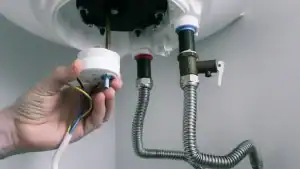
A gas water heater installation involves more than disconnecting the old unit and hooking up a new one. The process requires shutting off gas and water supplies, draining the existing tank, disconnecting gas lines and water pipes, and removing the old unit. Then comes sizing the new heater properly for your household, ensuring adequate venting to prevent carbon monoxide buildup, connecting gas lines with proper fittings and leak testing, installing temperature and pressure relief valves, and testing everything before we leave.
In Richmond County, this work must be done by a Licensed Master Plumber who understands Staten Island, NY’s fuel gas code. The gas line connections need specific pipe sizing based on BTU load, and venting requirements differ from less regulated areas. We also handle the permit filing with Staten Island, NY Department of Buildings, which is mandatory for any gas appliance installation or replacement.
What Happens During a Professional Hot Water Heater Installation
When we arrive for hot water heater installation, the first step is assessing your current setup. We check your existing gas line size, venting configuration, and water pressure. This matters because inadequate gas supply or improper venting causes most installation problems down the line.
Next comes removing your old unit safely. This means draining the tank completely, disconnecting the gas line at the union, and capping everything properly. If you have an older home in Staten Island, your gas lines might be undersized for modern water heaters, which means additional work to bring things up to code.
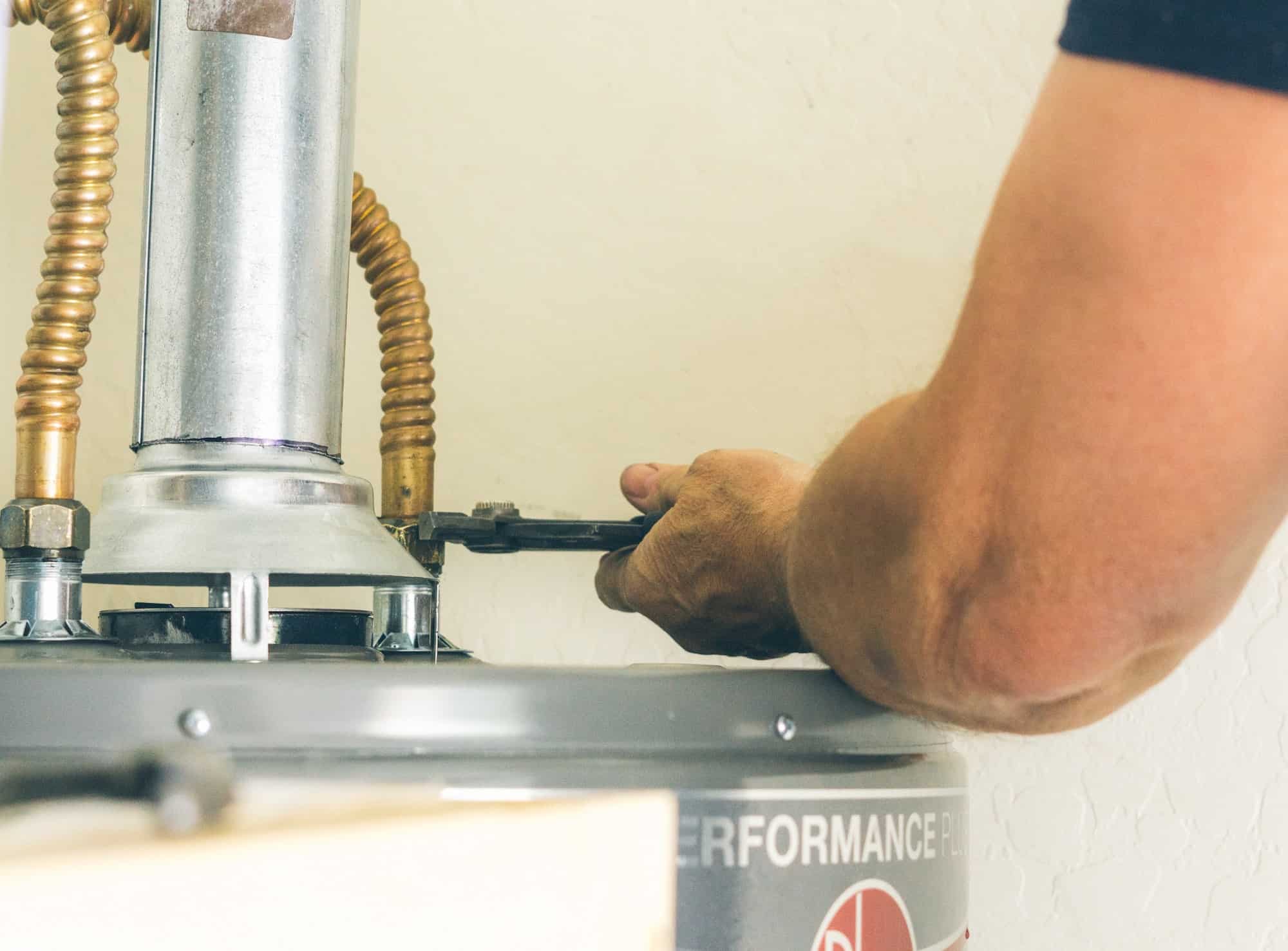
The new installation starts with positioning the unit on a drain pan—required by Staten Island, NY code to catch leaks. We install the temperature and pressure relief valve, connect cold water inlet and hot water outlet lines, and run a discharge pipe from the relief valve to a safe termination point. The gas connection comes next, using proper pipe joint compound and ensuring all fittings are tight and leak-free.
Venting is critical for gas water heaters. In Richmond County, you can’t just connect to any old chimney. The vent must be properly sized for your heater’s BTU rating, pitched correctly to prevent condensation issues, and terminated according to Staten Island, NY mechanical code. Direct-vent and power-vent systems have different requirements, and mixing them up creates carbon monoxide risks.
Before leaving, we test everything. We check for gas leaks using soap solution, verify proper draft on the vent, fill the tank and check for water leaks, light the pilot and test the burner operation, and set the temperature to a safe level (usually 120°F). We also show you where the gas shutoff valve is located and explain basic maintenance like flushing the tank annually.
The entire process typically takes 2-3 hours for a straightforward tank replacement in an accessible location. If you’re upgrading to a larger unit, adding a power vent system, or dealing with gas line modifications, plan on 4-6 hours. We give you a clear timeline during the estimate, not after we’ve already started tearing things apart.
Gas Tankless Water Heater Installation: What's Different
Gas tankless water heater installation is more complex than installing a traditional tank. Tankless units require larger gas lines because they use more BTUs during operation—even though they’re more efficient overall. If your current gas line is ½ inch, you’ll likely need to upgrade to ¾ inch or larger, depending on the unit size and distance from the meter.
Venting is also different. Tankless heaters produce hotter exhaust gases than tank models, requiring special stainless steel or high-temperature PVC venting. You can’t use the same chimney vent as your old tank heater. Most tankless installations in Richmond County use power-vent or direct-vent systems that terminate through an exterior wall, which means cutting holes and running new vent pipes.
Electrical requirements surprise many homeowners. Even gas tankless heaters need electricity to run the control board, ignition system, and (in power-vent models) the exhaust fan. You’ll need a dedicated 120V circuit, which might require running new wiring if your old tank heater didn’t need power.
Water pressure matters more with tankless systems. If your home has low water pressure, the unit might not activate properly or could shut off mid-shower. We test your water pressure during the estimate and recommend solutions if needed.
The installation itself takes longer—typically 4-6 hours for a straightforward swap, more if gas lines or venting need significant modification. But done right, a tankless system lasts 20+ years compared to 10-15 for a tank, and you’ll never run out of hot water during back-to-back showers. Just make sure your plumber has specific experience with tankless installations, because the requirements are stricter and mistakes are costlier to fix.
Gas Water Heater Installation Cost in Richmond County, NY
Gas water heater installation cost in Richmond County runs higher than the national average due to Staten Island, NY’s elevated cost of living and strict permitting requirements. For a standard 40-50 gallon tank replacement, expect to pay $2,400-$3,500 including the unit, labor, and permits. That’s roughly $1,000 more than you’d pay in less regulated areas.
The breakdown typically includes the water heater itself ($600-$1,200 depending on brand and warranty), labor ($700-$1,500 based on complexity), Staten Island, NY permit fee ($130 flat fee from Department of Buildings), and miscellaneous supplies like gas fittings, venting materials, and drain pan ($100-$300). If your installation requires gas line modifications, venting upgrades, or code compliance work, add another $500-$2,000 to these figures.
What Affects Gas Water Heater Replacement Cost
Several factors push gas water heater replacement cost up or down. Tank size matters most—a 40-gallon unit costs $200-$400 less than a 75-gallon model, but if you’re constantly running out of hot water, undersizing to save money just creates frustration.
Location accessibility affects labor costs significantly. A water heater in an open basement takes 2-3 hours to replace. The same job in a tight closet, finished attic, or space requiring multiple stairways can take 5-6 hours, doubling your labor cost. If we need to remove doors, navigate narrow hallways, or work in cramped quarters, expect to pay more.
Venting requirements impact cost heavily. If your existing vent is properly sized and in good condition, you might reuse it. But many older Staten Island homes have undersized or deteriorating vents that need replacement. Direct-vent systems cost less than power-vent setups, but power-vent systems work better in homes without adequate natural draft.
Gas line work adds cost fast. If your current line is undersized, corroded, or doesn’t meet current code, you’ll need modifications. Running new gas pipe costs $12-$15 per linear foot in Richmond County, and some installations require 20-30 feet of new piping. We identify these issues during the estimate, not after we’ve started the job.
Code compliance issues surface frequently in older homes. Maybe your current water heater lacks a proper drain pan, or the temperature/pressure relief valve discharge pipe terminates incorrectly. We bring everything up to current Staten Island, NY code, which protects you from violations but adds to the bill. The alternative—ignoring code—risks failed inspections and fines that cost more than doing it right initially.
Emergency installations cost 50-100% more than scheduled work. If your water heater fails at midnight and you need hot water immediately, expect premium pricing. When possible, replace your water heater before it fails completely. Most units show warning signs like rust-colored water, strange noises, or water pooling around the base—giving you time to schedule normal-rate installation.
Gas Water Heater Installation Cost: Tankless vs. Tank
The cost difference between tankless and tank gas water heater installation is substantial. A quality gas tankless system installed properly in Richmond County runs $3,300-$5,500, compared to $2,400-$3,500 for a tank. That’s $1,000-$2,000 more upfront.
Why the difference? Tankless units cost more to buy—$1,200-$2,600 for the unit alone versus $600-$1,200 for a comparable tank. Installation labor is higher because tankless systems require larger gas lines, special venting, electrical connections, and more complex setup. Staten Island, NYy Staten Island homes need gas line upgrades from ½ inch to ¾ inch or larger, adding $500-$1,500 to the project.
But tankless systems save money long-term. They’re 24-34% more energy efficient than tank models, saving $100+ annually on gas bills. They last 20+ years versus 10-15 for tanks, meaning you’ll replace them half as often. And you never run out of hot water, which matters if you have teenagers or a large household.
The math works differently for every home. If you use minimal hot water, live alone, or plan to move within 5 years, a tank makes more financial sense. If you have high hot water demand, plan to stay long-term, or want maximum efficiency, tankless pays for itself over time. We won’t push you either direction—we explain the real costs and let you decide based on your situation.
One hidden cost with tankless: annual maintenance. Tankless units need descaling every 1-2 years to prevent mineral buildup, costing $150-$300 for professional service. Tank heaters need less frequent maintenance. Factor this into your long-term cost comparison.
Getting Gas Water Heater Installation Done Right in Richmond County
Gas water heater installation in Richmond County, NY requires more than basic plumbing skills. You need a Licensed Master Plumber who understands Staten Island, NY building codes, handles permits properly, and installs everything to prevent carbon monoxide risks and code violations. The cost runs higher than less regulated areas—$2,400-$3,500 for tank installations, $3,300-$5,500 for tankless—but that reflects the reality of Staten Island, NY’s strict safety requirements and elevated labor costs.
Choose your plumber based on licensing, experience with gas appliances, and transparent pricing. Get detailed written estimates before work begins, verify they’ll handle permit filing, and confirm they’ll bring everything up to current code. The cheapest quote often skips critical steps that create problems later. At RB Mechanical Plumbing and Heating, we’ve been serving Richmond County with over 40 years of experience in Staten Island, NY code compliance, ensuring your gas water heater installation is done safely and correctly the first time.