Summary:
Spring cleaning takes on new meaning when you’re finally tackling that laundry room upgrade. Maybe you’re tired of waiting hours for clothes to dry, or you’re renovating your Manhattan apartment and want the efficiency of a gas dryer. Either way, you’ve probably started researching installation options.
Here’s what most people don’t realize until it’s too late: gas dryer installation in NYC isn’t something you can DIY, and not every installer is qualified to do it legally. The city has specific requirements about who can touch gas lines, what permits you need, and how the work gets inspected. Miss any of these steps, and you’re looking at serious fines, safety risks, or worse. Let’s walk through what actually goes into a proper gas dryer installation and why it matters more than you think.
What Makes Gas Dryer Installation Different in NYC
If you’ve ever installed an electric dryer, you might assume gas dryers work the same way. They don’t. Electric dryers plug into an outlet. Gas dryers connect to your building’s gas supply, which means you’re dealing with combustible fuel, pressure systems, and exhaust requirements that can affect everyone in your building.
NYC treats gas line work seriously for good reason. Improperly installed gas connections can leak, and gas leaks can cause explosions, fires, or carbon monoxide poisoning. That’s why the city requires Licensed Master Plumbers to handle all gas dryer installations, no exceptions. This isn’t a suggestion or a best practice. It’s the law, and buildings get shut down when people ignore it.
Beyond the safety angle, there’s the inspection piece. Your gas dryer installation needs DOB approval, which means filing permits, scheduling inspections, and passing pressure tests. The work has to meet current building codes, vent properly to the outside, and get documented correctly. Skip any part of this process, and you’re setting yourself up for violations that can cost thousands to fix.
Why NYC Requires Licensed Master Plumbers for Gas Work
You can’t just hire any handyman or appliance installer for gas dryer installation in Manhattan. NYC law specifically requires a Licensed Master Plumber to perform the work, file the permits, and certify the installation. This requirement exists because gas line work is high-stakes. One bad connection can put an entire building at risk.
Licensed Master Plumbers go through years of training and testing to earn their credentials. They understand gas pressure systems, know how to test for leaks properly, and can navigate NYC’s building codes without guessing. When you hire an LMP, they’re not just installing your dryer. They’re taking legal responsibility for the safety of that installation.
The permit process requires an LMP to file a Limited Alteration Application with the Department of Buildings before any work starts. This filing puts the installation on record and triggers the inspection process. Once the work is done, the LMP requests a DOB inspection to witness pressure testing of the gas line. If everything passes, the inspector authorizes gas service. If it doesn’t, you’re back to square one with additional costs and delays.
Here’s what happens when people try to shortcut this process: the building’s gas service gets shut off. Not just for your apartment—for everyone. Restoring gas after an illegal installation is expensive and time-consuming. The building owner faces fines up to $10,000, and you’re responsible for the costs of bringing everything up to code. The DOB doesn’t mess around with gas violations, and neither should you.
The Licensed Master Plumber requirement also protects you legally. If something goes wrong with an installation done by an unlicensed person, your insurance may not cover the damage. You could be personally liable for injuries or property damage. When an LMP does the work, their license and insurance provide a layer of protection that DIY or unlicensed installers can’t offer.
In Manhattan, where buildings are close together and gas systems are old, proper installation isn’t optional. The mineral-rich water, aging infrastructure, and tight spaces create challenges that require professional expertise. An experienced plumber knows how to work around these issues while keeping everything up to code. They understand building-specific requirements, can coordinate with property management, and know exactly what DOB inspectors will look for.
How Gas Dryers Compare to Electric for Efficiency and Cost
If you’re deciding between gas and electric dryers, the efficiency difference is significant. Gas dryers heat up instantly because the burner fires immediately, producing high heat right away. Electric dryers use heating coils that take time to warm up and don’t get as hot. This means gas dryers dry clothes in about half the time of electric models.
That time difference translates directly to energy costs. Gas dryers typically cost $85 per year to operate, while electric dryers run closer to $120-130 annually. Over the 10-13 year lifespan of a dryer, that’s $350-585 in savings. Gas dryers also use less electricity overall since they only need power for the drum, fan, and controls—not for heating.
The upfront cost is higher for gas dryers, usually $100-150 more than comparable electric models. Installation costs more too, especially if you need a new gas line run to your laundry area. In Manhattan, that can add $400-1,000 to your project depending on the complexity. But if you’re staying in your home for more than a few years, the operating cost savings typically make up the difference.
There’s also the speed factor. If you do laundry frequently, cutting drying time in half adds up. Less time in the dryer also means less wear on your clothes. The gentler, faster drying process helps fabrics last longer, which saves money over time on clothing replacement.
Gas dryers produce less static electricity than electric models, which is a small but noticeable benefit. They also maintain consistent performance in cold weather, while electric dryers can be affected by temperature fluctuations. In a Manhattan apartment where space is tight and laundry facilities are precious, having a dryer that works efficiently year-round matters.
The environmental angle is more complicated. Gas dryers use less energy overall, but they burn fossil fuel. Electric dryers use more energy but can run on renewable electricity if your building has that option. For most people in NYC, the practical benefits of gas—faster drying, lower costs, better performance—outweigh the theoretical environmental concerns, especially since the energy savings mean less overall consumption.
One thing to know: gas dryers still need electricity. They plug into a standard 110-volt outlet for the controls and drum motor. So you’re not eliminating electrical use entirely, just reducing it significantly. This is different from gas stoves or water heaters that can operate during power outages. Your gas dryer won’t work if the power’s out.
NYC Code Requirements for Gas Dryer Installation
NYC has specific rules about how gas dryers get installed, and these requirements are stricter than in most other cities. The regulations exist because Manhattan’s building density and aging infrastructure create higher risks. Understanding what’s required before you start helps you avoid surprises and delays.
First, the installation must vent directly through an exterior wall. You can’t vent into interior spaces, attics, or crawl spaces. The exhaust has to go outside, and the vent path can’t exceed 25 feet from the dryer to the outlet terminal. Every bend in the duct reduces this maximum length, so the routing matters. Your plumber needs to calculate the total equivalent length to make sure it meets code.
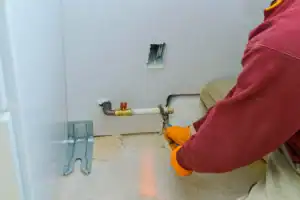
The gas line itself has to be hard-piped to the dryer location. Only the final connection to the dryer can use a flexible gas connector, and that connector has to be the right type for the application. The piping has to be sized correctly for the gas load, properly supported, and labeled with yellow “Gas” markers at intervals no more than 5 feet apart. These aren’t suggestions—inspectors check for all of this.
Permits, Inspections, and What DOB Actually Checks
The permit process starts with your Licensed Master Plumber filing a Limited Alteration Application with the Department of Buildings. This filing includes detailed sketches of the gas piping installation and the vent routing. The application has to show that the work complies with current codes, including proper venting, adequate gas supply, and safe clearances.
Once the installation is complete, the plumber schedules a DOB inspection. This isn’t optional, and you can’t self-certify gas work in NYC. A city inspector has to physically come to your building and witness pressure testing of the gas line. The inspector will check that the piping is properly labeled, correctly sized, and free of leaks. They’ll verify that the venting meets code and that all connections are secure.
The pressure test is the critical step. The plumber pressurizes the gas line to a specific level and holds that pressure while the inspector watches. If the pressure drops even slightly, it indicates a leak somewhere in the system. The test has to hold steady for the required time period, or the installation fails. Finding and fixing leaks can add days to your project, which is why hiring an experienced plumber matters.
After the inspection passes, the plumber requests gas authorization from the utility company. This is the final step that allows gas to flow to your new dryer. The utility won’t turn on gas without proof of DOB approval, so everything has to go through the proper sequence. Trying to skip steps or rush the process just causes delays and complications.
Common reasons installations fail inspection include improper venting materials, incorrect gas line sizing, missing labels, inadequate support for piping, or leaks detected during pressure testing. An experienced Manhattan plumber knows these potential issues and addresses them before the inspector shows up. This is why choosing someone familiar with NYC requirements saves time and money.
The inspection timeline varies depending on DOB scheduling, but you should expect 2-5 days from when your plumber requests the inspection to when it actually happens. During busy periods, it can take longer. This is why planning ahead matters, especially if you’re coordinating the dryer installation with other renovation work or if you have a move-in deadline.
One thing that surprises people: if your building has a co-op or condo board, you need their approval before you even file with DOB. The board review process can take 8-12 weeks depending on the building. They’ll want to see your plans, verify your contractor’s insurance, and make sure the work won’t affect other units. Factor this into your timeline if you live in a managed building.
Venting Requirements and Why They Matter for Safety
Proper venting isn’t just about meeting code—it’s about preventing carbon monoxide from building up in your home. Gas dryers produce combustion byproducts that have to be exhausted outside. If the venting is inadequate or improperly installed, those gases can leak back into your living space. Carbon monoxide is odorless and deadly, which is why venting requirements are so strict.
The vent duct has to be made of rigid or semi-rigid metal. Flexible plastic or foil ducts that work for electric dryers aren’t allowed for gas dryers because they can’t handle the heat and combustion gases. The duct needs to be as straight and short as possible, with smooth interior walls to allow proper airflow. Every turn or bend restricts airflow and reduces the effective length you can use.
The exterior termination point matters too. The vent has to exit through an exterior wall, not into a shaft or interior space. It needs a proper vent cap to keep rain, debris, and animals out while allowing exhaust to escape freely. The cap can’t be blocked by shrubs, structures, or other obstructions. In Manhattan, where buildings are close together, finding a compliant vent location can be challenging.
Your plumber also has to ensure the vent route doesn’t create fire hazards. The duct can’t pass through fire-rated walls without proper protection, and it needs adequate clearance from combustible materials. In older Manhattan buildings with wood framing, this requires careful routing and sometimes additional fireproofing measures. The goal is to contain any potential fire to the dryer itself rather than letting it spread through the vent system.
Lint buildup is another safety concern. Even with proper venting, lint accumulates in the duct over time. This is why the vent system needs to be designed for easy cleaning and why you should have it cleaned regularly. A clogged vent restricts airflow, makes your dryer work harder, increases drying time, and creates a fire hazard. Professional installation includes designing the vent path with maintenance in mind.
In some Manhattan buildings, venting to the exterior isn’t straightforward. You might have to route through multiple rooms, around structural elements, or coordinate with building management about where the vent can exit. An experienced plumber knows how to navigate these challenges while keeping everything code-compliant. We can often find solutions that work within your building’s constraints.
The venting requirements also tie into Local Law 152, which mandates periodic gas line inspections every four years. When inspectors check your building’s gas system, they look at dryer venting along with everything else. Improper venting discovered during an LL152 inspection has to be corrected, and the building can’t pass inspection until it’s fixed. This is another reason to do it right from the start.
Getting Your Gas Dryer Installation Done Right in Manhattan
Gas dryer installation in Manhattan isn’t something to wing or try to save money on by cutting corners. The safety risks, legal requirements, and potential for expensive violations make professional installation the only smart choice. When you hire a Licensed Master Plumber who knows NYC codes and has experience working in Manhattan buildings, you’re protecting yourself, your family, and your neighbors.
The process takes longer than plugging in an electric dryer, but it’s not complicated when you work with someone who knows what they’re doing. Permits get filed, inspections get scheduled, and the work gets done right the first time. You end up with a dryer that’s safe, efficient, and fully legal—plus the peace of mind that comes with knowing it won’t cause problems down the road.
If you’re ready to upgrade your laundry room this spring, we’ve been handling gas dryer installations in Manhattan for over 40 years. We know the codes, we work with DOB regularly, and we understand how to navigate the unique challenges of Manhattan buildings. Reach out to discuss your project and get it done right.