
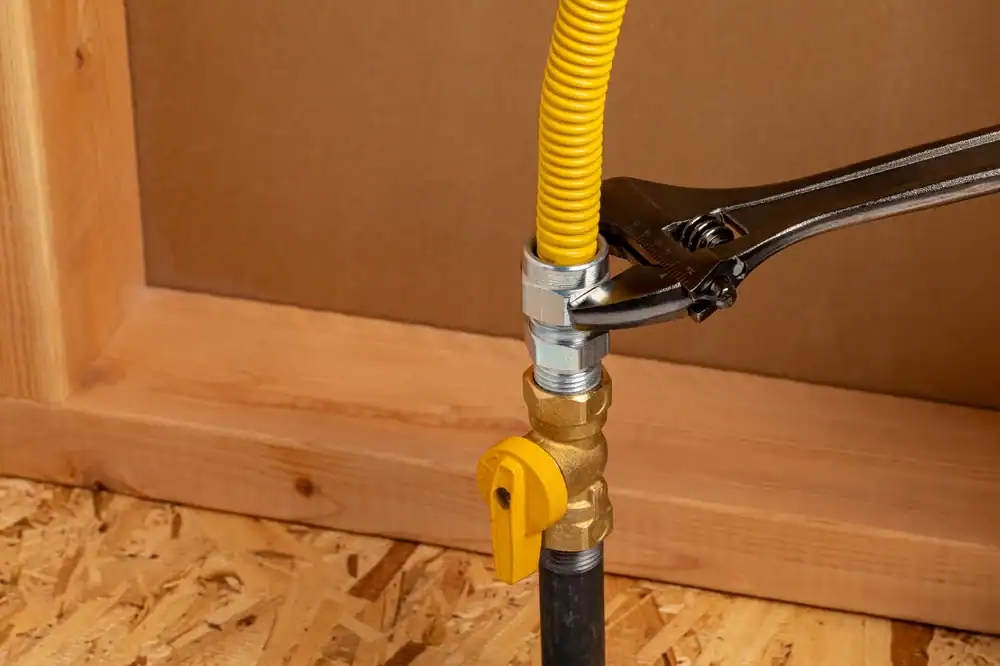
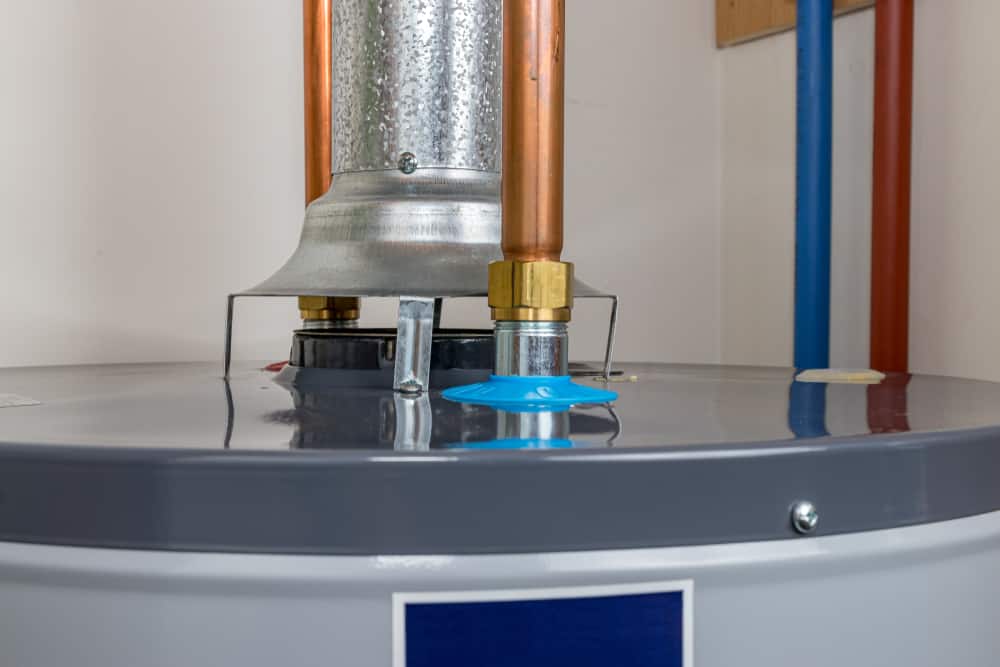
When you upgrade to a high-BTU range or a tankless water heater — something a lot of New Springville homeowners are doing right now — the real question isn’t whether the appliance is good enough. It’s whether the gas line feeding it is. A 1970s line sized for a basic pilot-light stove wasn’t built for a professional-grade range pulling 60,000 BTUs. The appliance underperforms, or worse, the installation doesn’t pass inspection.
Getting this right means your new appliance actually does what it’s supposed to do from day one. It means the work is permitted through the NYC Department of Buildings, pressure-tested, and documented — so your insurance is protected and your building records are clean. For homeowners in condo communities like Wellington Court or Windom Loop, it also means the HOA gets the paperwork they need without you having to chase anyone down.
A properly installed, permitted gas line adds real, documented value to your home. In New Springville, where buyers from Brooklyn are actively moving in and paying attention to what’s been done right, that paper trail matters more than most people realize.
We’ve been doing gas line work in New York City since 1983. That means we were working on New Springville homes when the attached high ranches and two-families along Forest Hill Road and Richmond Hill Road were still relatively new construction. We know what’s inside the walls of a mid-island home built in that era — the original pipe configurations, the materials used, and what it takes to bring that infrastructure up to current NYC Fuel Gas Code.
We’re not a company that recently expanded to Staten Island to pick up leads. We’re a Licensed Master Plumber operation with over 40 years of documented history in this market, a named principal behind every job, and customer reviews that back up the reputation. The LMP is on staff and on-site — not a name on a permit while someone else does the work.
Every installation we complete comes with full documentation: safety test results, permit records, and LMP certification. That’s not optional — it’s how we’ve operated for four decades.

The first step is a real assessment of what you have. Before we recommend any new work, we evaluate the existing gas infrastructure — pipe diameter, current BTU load, condition of the line, and whether it can support what you’re adding. For a home built in the 1970s in New Springville, that evaluation often turns up undersized piping that was never meant to handle modern appliances. You’ll know exactly what needs to happen before any work begins, and you’ll have a written estimate in hand before anything is touched.
Once the scope is confirmed, we file the DOB permit through DOB NOW — the NYC Department of Buildings’ online portal. This is required for all gas line work in the city, no exceptions. We handle the filing. You don’t need to create an account, navigate the portal, or figure out which form applies to your job.
After the permit is approved, the installation happens. Every line we install is pressure-tested at 1.5 times working pressure before gas service is activated — that’s the NYC Fuel Gas Code standard, not something optional. We coordinate with Con Edison for service authorization as part of the process. When it’s done, you receive written documentation of everything: the permit, the pressure test results, and the LMP certification. For homeowners in condo buildings or two-family properties in the 10314 area, that documentation package is what building management and HOA boards will ask for.

Ready to get started?
Gas line installation covers a lot of ground depending on what you’re working with. A straightforward appliance hookup for a new gas range or dryer in an existing New Springville home typically runs between $500 and $2,000 for a single appliance. Whole-home installations — where multiple appliances are being added or the entire gas distribution system is being replaced — generally fall between $1,300 and $3,500. Per linear foot, the range is $12 to $25 depending on pipe type and the complexity of the run. Every job gets a written estimate before work starts.
Beyond the physical installation, we include BTU load calculation to make sure the line is properly sized for everything connected to it. That’s especially relevant in New Springville, where a lot of homeowners are upgrading from older appliances to high-demand equipment — tankless water heaters, professional ranges, gas dryers — without realizing the existing line may not be adequate. Getting the sizing right the first time prevents performance problems and failed inspections.
For multi-unit properties and condo communities in the area, we also handle the coordination side: working with building management, providing the documentation that HOA boards require, and making sure the permit and inspection records are filed correctly with the NYC DOB. Local Law 152 compliance services — including the full gas piping inspection and GPS-2 certification filing required for Community Board 2 buildings — are also available for building owners who need to get compliant.
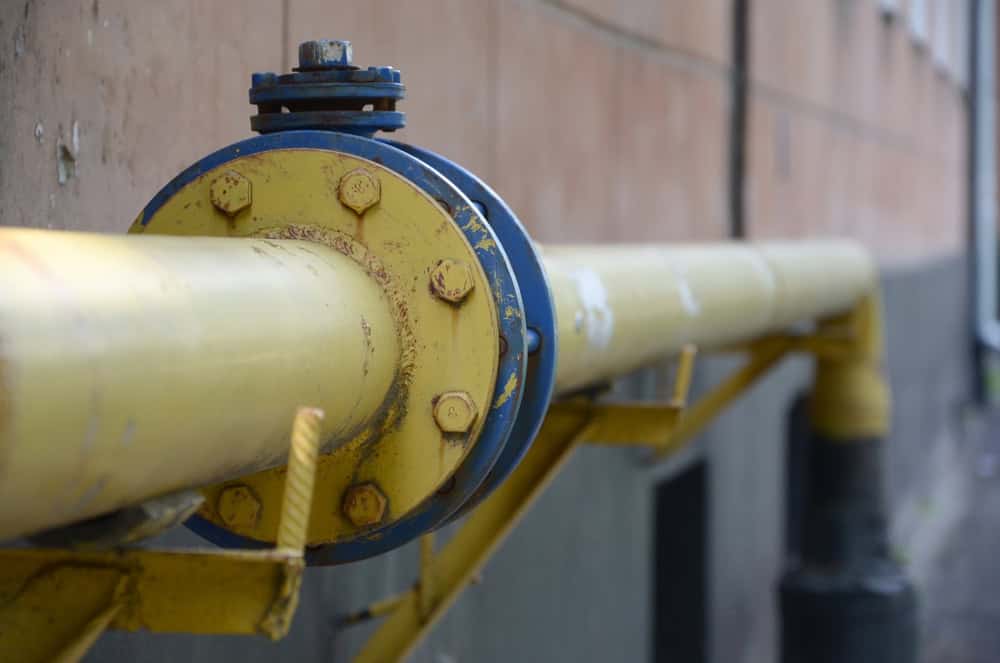
It depends on what you’re adding and what’s already there — but for a lot of homes in New Springville built between 1960 and 1980, the honest answer is yes, at least partially. The original gas lines in those homes were sized for the appliances of that era: standard-efficiency ranges, conventional tank water heaters, and older boilers with modest BTU demands. Today’s professional-grade ranges can pull 60,000 BTUs or more. Tankless water heaters often require 150,000 to 199,000 BTUs. If the existing line is a half-inch diameter pipe running a long distance, it likely can’t deliver that kind of demand without pressure drop — which means your appliance won’t perform the way it should.
The only way to know for sure is to have a Licensed Master Plumber assess the existing infrastructure: measure the pipe, calculate the total BTU load of all connected appliances, and determine whether the current line can handle it. That assessment happens before any work is recommended or priced. You won’t be told you need a new line unless the numbers actually show you do.
In New York City — which includes all five boroughs, Staten Island included — only a Licensed Master Plumber registered with the NYC Department of Buildings can legally perform gas line installation, repair, or alteration. This isn’t a preference or a recommendation. It’s state law, and it applies to every gas line job regardless of how small it seems. A handyman, a general contractor, or an unlicensed plumber cannot legally do this work in New Springville or anywhere else in the city.
The reason the law is strict is straightforward: improper gas work is one of the leading causes of residential fires and explosions. Beyond the safety issue, there are practical consequences to unlicensed work. Con Edison won’t activate gas service to an unpermitted installation. Your homeowner’s insurance can be voided if a claim arises from work that wasn’t permitted and performed by a licensed professional. If violations are discovered later — during an LL152 inspection, for example, or when you go to sell the home — the cost to remediate unpermitted work is significantly higher than doing it right the first time.
Local Law 152 is a New York City law that requires gas piping inspections every four years for virtually all NYC buildings, with the exception of one- and two-family homes. If you own a multi-unit residential building, a mixed-use property, or a condo building in New Springville, LL152 almost certainly applies to you. The inspection must be performed by a Licensed Master Plumber, and after the inspection is complete, the LMP files a GPS-2 certification electronically through the NYC DOB’s online portal, DOB NOW.
New Springville falls within Staten Island Community Board 2. The LL152 inspection deadline for CD2 buildings was December 31, 2025. If your building hasn’t had the inspection completed and the GPS-2 filed, you’re currently past deadline and penalties can reach up to $10,000 per building. The NYC DOB also introduced new filing fees and tighter enforcement standards in 2026. If you’re in this situation, the priority is getting the inspection done and the GPS-2 filed as quickly as possible to stop the penalty exposure. We handle the full process — inspection, any required repairs, and GPS-2 certification filing.
For a typical single-appliance hookup in a New Springville home — a new gas range, a dryer connection, or a water heater replacement — the installation itself usually takes a few hours. The gas is off only during the active work and pressure testing. Once the line passes the pressure test, service can be restored to the rest of the home while the final connection is made to the new appliance.
Where the timeline extends is on the permit and utility side. The DOB permit needs to be filed and approved before work begins, and for new service or a capacity increase, Con Edison authorization is required before the meter can be activated. We manage both of those processes, but they do take time — typically a few days to a couple of weeks depending on the scope of the job and Con Edison’s current scheduling. You’ll know the realistic timeline before any work starts, not after. For emergency situations — a gas shutoff, a suspected leak — the process moves faster, and our 24/7 availability means you’re not waiting until Monday to get started.
In most cases, yes. Condo communities like Wellington Court and Windom Loop have HOA governance structures, and gas line work that affects shared infrastructure — a riser, a common gas meter, or any piping outside the individual unit — typically requires HOA or building management approval before a contractor can proceed. Even for work entirely within your unit, many condo associations require an alteration agreement and proof of the contractor’s licensing and insurance before they’ll allow the job to start.
This is an area where a lot of homeowners run into delays, not because the work is complicated but because the contractor they hired wasn’t prepared for the building management layer. We’ve been doing gas work in Manhattan’s co-op and condo buildings for over 40 years, where board approvals and alteration agreements are standard. That experience translates directly to New Springville’s condo communities. The documentation that HOA boards ask for — permit records, LMP certification, proof of insurance, safety test results — gets delivered as part of every job. No scrambling after the fact to produce paperwork the board needed before the work started.
The cost depends on the scope of the job. For a single appliance hookup — connecting a new gas range, dryer, or water heater to an existing line — most installations in New Springville run between $500 and $2,000. If you’re looking at a whole-home installation, where multiple appliances are being added or the gas distribution system is being replaced throughout the house, the range is typically $1,300 to $3,500. On a per-linear-foot basis, gas line work runs $12 to $25 depending on the pipe type and complexity of the run.
What affects where your job lands in those ranges: the length of the pipe run, whether the line needs to go through walls or ceilings, the type of piping material required, and whether the job involves a permit for new service versus work on an existing line. For older homes in New Springville — built in the 1960s and 1970s — there’s also the possibility that the existing infrastructure needs to be partially replaced rather than just extended, which affects the total scope. Every job gets a written, itemized estimate before any work begins. The estimate is the price — no permit fees discovered after the fact, no line items added once the job is underway.
Other Services we provide in New Springville