
You leave for Manhattan early. You’re on the Staten Island Railway out of Great Kills station, or catching an express bus on Hylan Boulevard before most people are awake. The last thing you need is to come home after a 45-minute commute to find your gas was shut off while you were gone — no heat, no hot water, cold apartment.
Getting your gas restored isn’t just about fixing a pipe. It’s about filing the right paperwork with the NYC Department of Buildings the same day, coordinating with National Grid on their specific restoration timeline, passing the pressure test the first time, and getting every step done in the right order so nothing stalls. When any one of those steps gets fumbled, what should take days turns into weeks.
Great Kills also has something most neighborhoods don’t — nearly 60% of its homes are attached or row housing. That means a gas issue in one unit can pull the heat from an entire row of families. The scope of the problem, and the urgency of fixing it correctly, is bigger here than in a neighborhood of standalone homes. You need someone who has handled exactly this kind of restoration, knows National Grid’s process inside and out, and isn’t learning on the job at your expense.
We’ve been doing gas work in Great Kills and across Staten Island since 1983. That’s four decades of navigating DOB permits, National Grid coordination, pressure tests, and every regulatory change in between — including the full overhaul that came after the 2016 Local Law package rewrote the rules for gas work across New York City.
When you call, you get Bobby and Rob Jr. — the Licensed Master Plumber and the person who actually shows up at your door. Not a dispatcher. Not a crew of unlicensed laborers. The people who answer the phone are the people doing the work, and we put our names on every job.
For Great Kills homeowners — many of whom have lived in this community for years and own homes worth $700,000 or more — that kind of accountability isn’t a bonus. It’s the baseline expectation. Our address is right here on Staten Island’s South Shore, about 10 to 15 minutes from the Amboy Road corridor. We’re not calling in from another borough. We’re your neighbors.
The first thing that has to happen after a National Grid shutoff is an Emergency Work Notification filed with the NYC Department of Buildings. This is the legal gateway to starting any gas repair work — and it has to be filed by a Licensed Master Plumber with a Gas Work Qualification. We file it the same day. Every hour that filing sits undone is an hour added to your outage.
From there, the actual repair work begins — whether that’s a corroded lateral, a failed joint in aging black iron pipe, or a section of gas line that no longer meets current code. Great Kills has a significant amount of housing built between 1940 and 1969, and gas systems from that era were installed under very different standards. Bringing them into compliance isn’t optional; it’s what the DOB pressure test will confirm before National Grid will even schedule a reconnection visit.
Once the repair is done and the pressure test passes, National Grid takes over their side of the process. Their stated timeline is one to two days, and not more than five business days, from the point all work is approved. We coordinate directly with National Grid to keep that window as tight as possible — submitting documentation promptly, following up on scheduling, and making sure nothing sits in a queue longer than it has to. The goal is always the same: get your gas back on as fast as the process legally allows.
Ready to get started?
Gas shut down restoration in Great Kills isn’t a single task — it’s a coordinated sequence of regulatory, technical, and utility steps that all have to happen correctly and in order. We handle the entire sequence: Emergency Work Notification filing, DOB permit coordination, repair of the gas piping itself, pressure testing, final DOB inspection, and National Grid reconnection sign-off. You don’t need to manage multiple contractors or figure out who calls who.
Because so much of Great Kills sits within older attached and row housing stock — some of it built before 1970 — the gas piping involved is often galvanized steel or aging black iron that has never been fully updated. Properties near the waterfront along Great Kills Harbor and the Raritan Bay coastline face an added layer of risk: salt air accelerates corrosion on exterior gas piping and meter connections in ways that inland neighborhoods don’t see. We inspect the full system, not just the point of failure, so the repair that passes today doesn’t become next winter’s emergency.
All work is performed by Licensed Master Plumber #1169, who also holds a Gas Work Qualification, two FDNY Certificates of Fitness, and a Licensed Master Fire Suppression Contractor credential. Under Local Law 150 of 2016, only an LMP with a Gas Work Qualification can legally perform gas restoration work in New York City. Before work begins, you get a detailed cost breakdown — no hidden charges, no surprise invoices at the end.
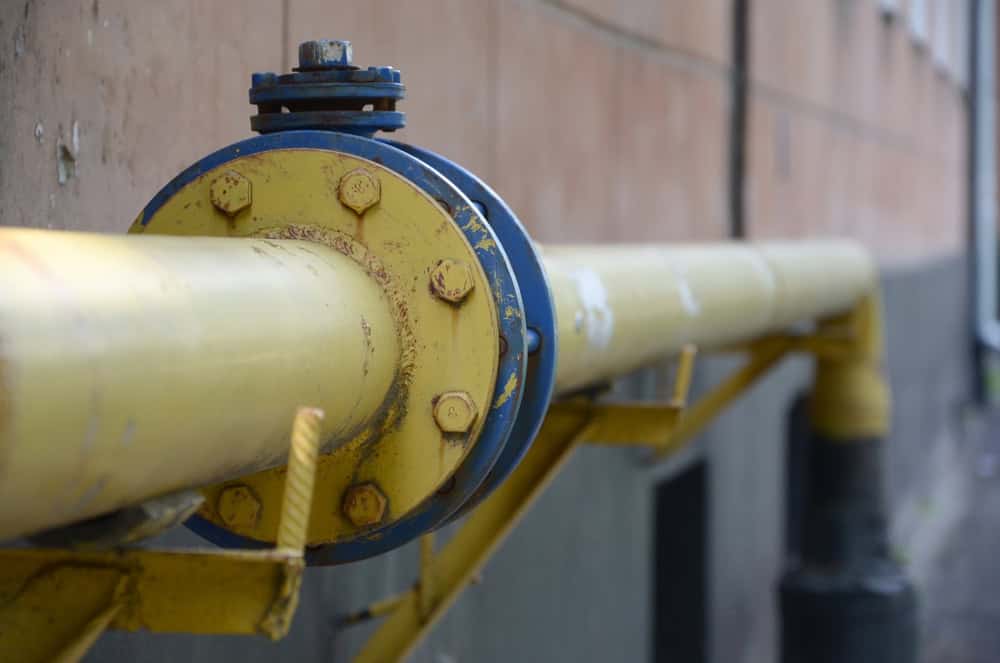
The first thing to understand is that you cannot restore gas service yourself. Once National Grid locks the meter — whether because of a detected leak, a failed inspection, or a reported safety concern — only the utility can restore it, and only after a Licensed Master Plumber has completed all required repairs and the work has passed a DOB pressure test. Turning the meter back on yourself is illegal and genuinely dangerous.
Your first call should be to a Licensed Master Plumber who holds a Gas Work Qualification — that credential is required by NYC law for any gas restoration work. We’ll file an Emergency Work Notification with the DOB, which is the legal authorization to begin repairs. The sooner that filing happens, the sooner the clock starts moving toward restoration. In Great Kills, where National Grid is the gas utility for all of Staten Island, the reconnection process follows National Grid’s specific procedures — which differ from Con Edison’s process used in other boroughs.
The honest answer is that it depends heavily on how quickly the plumber moves through the DOB side of the process. National Grid’s stated timeline — once all repairs are approved and the DOB inspection is complete — is one to two days, and not more than five business days, for reconnection. That’s actually faster than Con Edison’s typical one to three week window in other parts of the city. But National Grid doesn’t start their clock until everything on the building side is done and documented correctly.
If the Emergency Work Notification gets filed the same day, the repair work is completed promptly, and the pressure test passes on the first attempt, you’re looking at days — not weeks. Where restorations drag on for weeks or months, it’s almost always because of delays in the DOB filing, a failed pressure test requiring re-work, or a breakdown in coordination between the plumber and the utility. Choosing a plumber who has handled this process repeatedly — and who knows National Grid’s specific procedures from decades of work in Great Kills and across Staten Island — is what keeps the timeline short.
No — and this is one of the most important things to understand before you hire anyone. Since January 1, 2020, under Local Law 150 of 2016, all gas work in New York City must be performed by a Licensed Master Plumber who also holds a Gas Work Qualification. A standard plumbing license alone is not sufficient. Many licensed plumbers do not have this additional qualification, which means they cannot legally touch gas restoration work — and if they try, the job will fail inspection and you’ll be starting over.
You can verify any plumber’s LMP status and Gas Work Qualification directly on the NYC Department of Buildings website. The license number should be published and verifiable — not just claimed. RB Mechanical Plumbing and Heating’s Licensed Master Plumber #1169 is on record with the DOB. In a situation where the wrong hire can turn a two-week outage into a two-month nightmare, checking credentials before you commit is worth the five minutes it takes.
Great Kills has one of the highest concentrations of attached and row housing in the entire country — close to 60% of homes here are classified as rowhouses or other attached structures. In that type of housing, gas piping systems are often shared, interconnected, or running through common walls and risers. When National Grid detects a leak or a DOB inspector finds a violation in one unit, the shutoff frequently extends to the entire building or row because the problem can’t be isolated to a single address.
This is different from what happens in a neighborhood of standalone single-family homes, where a shutoff typically affects one household. In Great Kills, a single failing lateral or corroded riser can leave four, six, or eight families without heat and hot water simultaneously. That changes the scope of the repair, the complexity of the DOB permit filing, and the coordination required with National Grid. It’s not a single-unit fix — it’s a building-wide restoration, and it requires a plumber experienced in handling exactly that.
Local Law 152 is a New York City law that requires periodic gas piping inspections for most buildings — essentially everything except single and two-family homes — on a four-year rotating cycle by community district. Great Kills falls within Staten Island Community District 3, which has its own inspection deadline on that cycle. If your building hasn’t completed its required inspection by the deadline, or if the inspection reveals violations that aren’t corrected in time, the DOB can issue a gas shutoff order.
This is a proactive compliance issue, not just an emergency one. Building owners in Great Kills who aren’t tracking their Local Law 152 deadline may find themselves facing a shutoff that wasn’t triggered by a leak or an accident — it was triggered by a missed filing. The inspection itself must be performed by a Licensed Master Plumber with a Gas Operator Qualification. We handle both the compliance inspection and the restoration side, so if an inspection reveals a problem, the same team that found it can fix it.
It often does, and significantly. A large portion of Great Kills was built between 1940 and 1969 — homes that are now 55 to 85 years old. The gas piping installed in that era was typically galvanized steel or older black iron, put in under building codes that look nothing like what NYC requires today. Over decades, that piping corrodes from the inside out, develops pinhole leaks at joints, and eventually fails the pressure test that the DOB requires before National Grid will restore service.
For homes near Great Kills Harbor or along the Raritan Bay waterfront, the issue is compounded by coastal salt air, which accelerates corrosion on exterior piping, meter connections, and service laterals in ways that don’t affect inland neighborhoods. What looks like a small, isolated leak can turn out to be a longer section of pipe that needs full replacement to meet current code. We inspect the entire gas system — not just the point of failure — so the repair holds up and you’re not back in the same situation a year from now.
Other Services we provide in Great Kills