Summary:
What Staten Island, NY Homeowners Can Safely DIY
Not every plumbing issue requires a licensed plumber. Simple maintenance and minor repairs often fall within the DIY-friendly zone, especially when they don’t involve major water flow or structural changes.
Basic tasks like plunging toilets, replacing toilet flappers, or cleaning aerators on faucets are generally safe for homeowners to handle. These repairs don’t require permits, don’t involve gas lines, and won’t trigger building code issues if done correctly.
The key word here is “simple.” If you can see the problem, understand the fix, and complete it without moving pipes or accessing walls, you’re usually in safe territory.
Simple Fixes That Don't Require a License
Certain plumbing tasks fall squarely in the homeowner-friendly category. Replacing a showerhead, for instance, typically involves unscrewing the old one and threading on the new one—no permits, no code violations, no major water flow disruption.
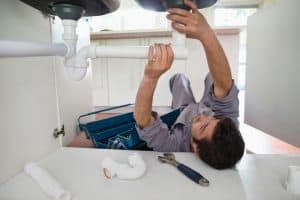
Clearing minor drain clogs with a plunger or drain snake also stays within DIY bounds. These tools work mechanically without requiring you to access building plumbing systems or alter any permanent fixtures. Same goes for replacing toilet seats, adjusting toilet chains, or cleaning out P-traps under sinks.
The common thread? These fixes don’t involve gas, don’t require opening walls, and don’t alter your home’s plumbing infrastructure. They’re maintenance, not modification. When you stick to tasks like these, you avoid the permit requirements and safety risks that come with more complex work.
But here’s where Staten Island, NY gets tricky. Even seemingly simple tasks can reveal bigger problems that require professional attention. That “simple” drain clog might actually be a collapsed sewer line. That loose faucet might indicate pipe movement behind the wall.
When Simple Problems Signal Bigger Issues
The challenge with DIY plumbing in Staten Island, NY isn’t just knowing what you can do—it’s recognizing when what looks simple actually isn’t. Staten Island, NY’s aging infrastructure means that minor problems often point to major issues lurking behind walls or under floors.
Take water pressure problems. You might think cleaning a faucet aerator will solve it, and sometimes it does. But in Staten Island, NY buildings, low water pressure can signal corroded pipes, building-wide plumbing issues, or problems with the main water line. What starts as a simple fix can quickly reveal the need for extensive pipe replacement.
Similarly, recurring drain clogs might seem like a job for a drain snake. But in older Staten Island, NY buildings, repeated blockages often indicate pipe bellying, root intrusion, or deteriorating sewer lines. Attacking these with aggressive DIY methods can actually make the problem worse, potentially causing pipe damage that leads to expensive water damage.
The smart approach? Try the simple fix first, but pay attention to what the problem tells you. If it keeps coming back, if water pressure remains low throughout your home, or if you notice other symptoms like unusual sounds or smells, it’s time to call us for a professional assessment.
This is especially true in co-ops and condos, where your plumbing connects to building-wide systems. A problem that seems isolated to your apartment might actually affect your neighbors—and building management typically requires licensed professionals for any work that could impact shared systems.
When Staten Island, NY Law Requires Licensed Professionals
Here’s where Staten Island, NY gets serious about plumbing: certain work legally requires a Licensed Master Plumber, period. This isn’t just a suggestion—it’s the law, enforced through permits, inspections, and violations that can cost thousands.
Gas line work tops this list. Whether you’re installing a new gas stove, moving a gas line, or repairing gas piping, Staten Island, NY requires licensed professionals for safety reasons. One mistake with gas can lead to explosions, fires, or carbon monoxide poisoning.
Major pipe work, anything involving your building’s main systems, and work that requires permits all fall into the “professionals only” category. The city takes this seriously because mistakes don’t just affect you—they can impact entire buildings and neighborhoods.
Gas Lines: Never a DIY Project in Staten Island, NY
Gas line work represents the clearest example of when Staten Island, NY homeowners must call licensed professionals. The city’s regulations are unambiguous: you cannot legally DIY gas line installation , modification, or repair in any of the five boroughs.
This rule exists for compelling reasons. Gas leaks can cause explosions, fires, and carbon monoxide poisoning—risks that extend far beyond your own apartment. In Staten Island, NY’s dense housing environment, a gas problem in one unit can endanger entire buildings.
Even seemingly simple tasks like connecting a new gas stove require licensed professionals. The connections must meet specific code requirements, undergo pressure testing, and receive proper inspection. DIY gas work doesn’t just risk your safety—it violates city law and can result in hefty fines.
Licensed Master Plumbers have the training to work safely with gas systems, understand the complex regulations governing gas work, and carry the insurance required for this high-risk work. We also handle the permit process, which involves multiple inspections and certifications before gas service can be restored.
The cost of professional gas line work might seem high, but consider the alternative. Gas explosions have caused multiple fatalities and millions in damage in Staten Island, NY. The East Village explosion in 2015, caused by illegal gas work, killed two people and destroyed three buildings. When it comes to gas, the only safe choice is a licensed professional.
Building Code Compliance and Permit Requirements
Staten Island, NY’s building codes create another clear line between DIY and professional work. Any plumbing work that requires a permit must be performed by licensed professionals—and the permit requirements are more extensive than many homeowners realize.
Moving fixtures, installing new plumbing, or altering existing pipe systems typically require permits from the Department of Buildings. These permits involve plan submissions, inspections at various stages, and final sign-offs that only licensed professionals can provide.
Backflow prevention presents another area where DIY work isn’t just inadvisable—it’s illegal. Staten Island, NY requires annual testing of backflow devices by Licensed Master Plumbers, with results filed with the Department of Environmental Protection. Attempting this work yourself can result in violations, fines, and potential water service interruption.
Code compliance extends beyond just getting permits. Staten Island, NY’s plumbing code includes specific requirements for pipe materials, installation methods, and safety features. Work that doesn’t meet these standards can trigger violations during inspections, sales, or insurance claims.
The violation process itself creates additional costs and complications. Resolving plumbing violations requires documentation from licensed professionals, potential reinspection fees, and sometimes extensive corrective work. What might have been a simple professional installation becomes a complex and expensive remediation process.
Building codes also address accessibility requirements, energy efficiency standards, and environmental protection measures. These regulations change regularly, and staying current requires the ongoing education that licensed professionals maintain as part of their certification requirements.
Making the Right Choice for Your Staten Island, NY Home
The decision between DIY and professional plumbing comes down to understanding risks, regulations, and your own capabilities. Simple maintenance tasks often work well as DIY projects, while anything involving gas, major water flow, or building systems requires licensed expertise.
When in doubt, consultation costs less than correction. A quick consultation with us can help you understand whether your project needs professional attention, potentially saving thousands in water damage, violations, or safety issues.
Remember that in Staten Island, NY’s complex regulatory environment, the safest approach often proves the most economical. Licensed professionals like us bring not just technical expertise, but knowledge of local codes, permit requirements, and the insurance coverage that protects both you and your property.