

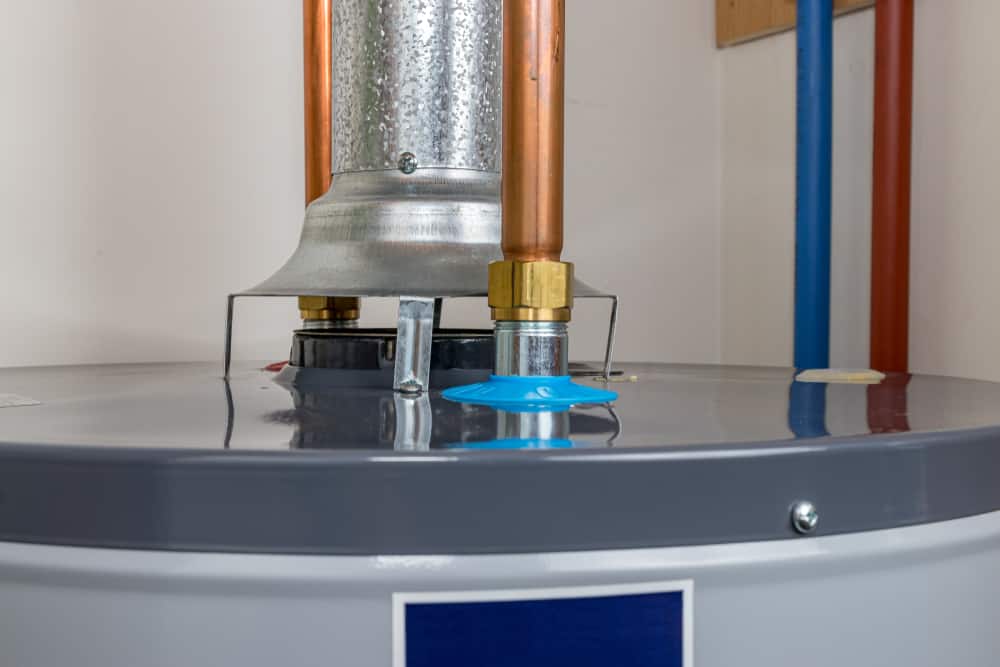
When gas line work is handled properly — permitted, sized correctly, and tested before the job is called complete — you stop waiting for the next problem to surface. Appliances run the way they’re supposed to. Tenants aren’t calling about low heat output or pilot lights that won’t stay lit. And you’re not sitting on unpermitted work that could come back to bite you during an inspection or a sale.
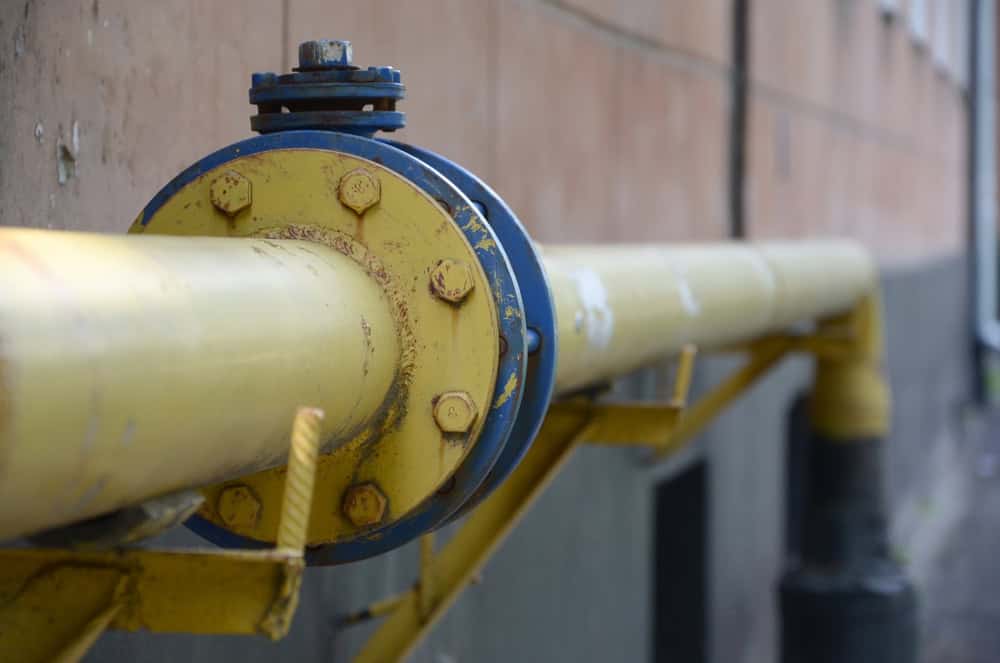
Fox Hills’s residential buildings are mostly mid-century construction — the majority built between 1940 and 1969. That means the gas piping in a lot of these buildings is anywhere from 55 to 85 years old. Black iron pipe from that era corrodes from the inside, fittings loosen over decades of thermal cycling, and the original sizing was calculated for appliances that drew a fraction of the BTUs that modern equipment demands. Getting that infrastructure evaluated and brought up to current standards isn’t optional — it’s overdue.
For building owners and property managers in Fox Hills, proper gas line work also means having the documentation to back it up. GPS-2 certifications filed with the DOB, pressure test records, permit paperwork — these aren’t just bureaucratic checkboxes. They’re what protect you when the city comes knocking, when your insurer asks questions, or when a tenant’s attorney wants answers.
We’ve been doing this work in New York City since 1983. That’s four decades of navigating aging building stock, DOB permit systems, Con Edison authorizations, and the kind of multi-story riser work that six-story elevator buildings in Fox Hills actually require. This isn’t a company that learned NYC regulations from a manual — we’ve worked through every version of them.
The Licensed Master Plumber on our staff isn’t a name on a license while someone else does the work. They’re on the job, accountable for every installation, and the one who signs the GPS-2 certification that gets filed with the DOB. That matters in a neighborhood like Fox Hills where a gas system failure doesn’t affect one household — it affects an entire building on Vanderbilt Avenue.
We explicitly serve Staten Island, and Fox Hills is well within reach via the Staten Island Expressway. Our customers have documented same-day and Saturday service in reviews — not as a marketing claim, but as something that actually happened when they needed it.
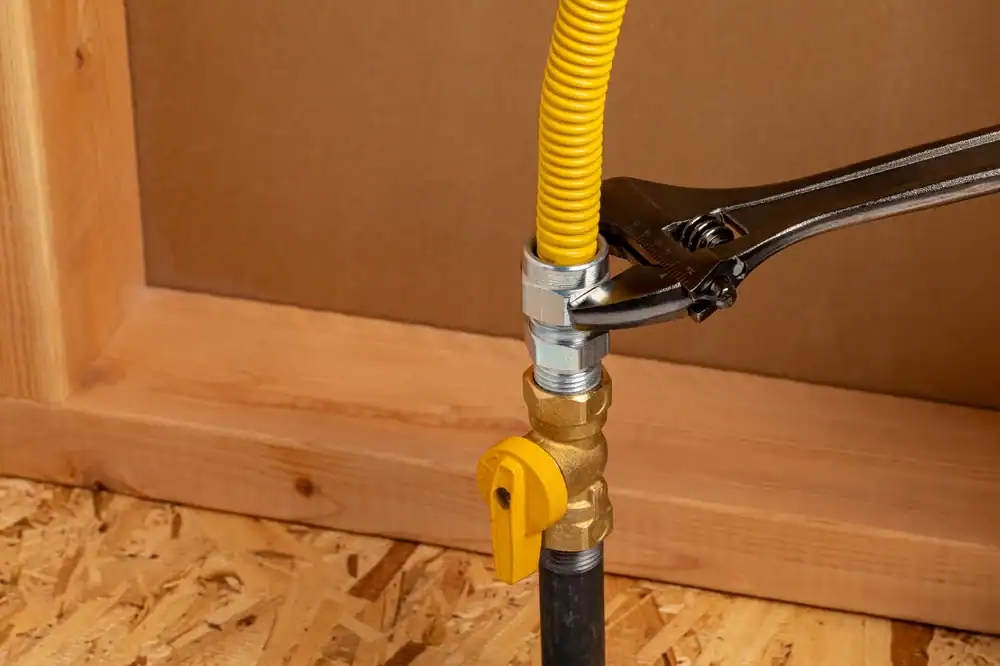
It starts with an assessment. Before any pipe gets touched, we evaluate the existing gas system — what’s there, what condition it’s in, and whether it can handle the load you’re putting on it. If you’re adding a new appliance or upgrading equipment, that means calculating the full BTU demand across every connected appliance, not just the one being added. Undersized lines are one of the most common causes of appliance underperformance, and in a building with multiple units drawing from the same supply, getting that sizing right matters.
Once the scope is clear, we file a DOB gas piping permit through DOB NOW — the city’s required online portal. No permit, no legal gas work in New York City. For Fox Hills buildings, this step also involves coordinating with Con Edison, which serves Richmond County for gas. Any new service connection or capacity increase requires Con Edison authorization in addition to the DOB permit, and we handle that coordination before the gas is ever activated.
Installation follows the permit. Every joint gets pressure-tested at 1.5 times working pressure before the system goes live — that’s not optional, it’s NYC Fuel Gas Code. After testing, you get written documentation of everything: the permit, the pressure test results, and if your building requires it under Local Law 152, the GPS-2 certification filed with the DOB. The job isn’t done until the paperwork matches the work.
Ready to get started?
Our gas line installation service includes the full scope — load calculation, DOB permit filing, installation, pressure testing, Con Edison coordination, and written documentation delivered when the job is complete. For single appliance hookups like a stove, water heater, or dryer, most installations in this area run between $500 and $2,000. Whole-building or whole-home gas piping work typically falls in the $1,300 to $3,500 range, with per-linear-foot costs running $12 to $25 depending on pipe type and project complexity. We provide written estimates before work begins — no surprises on the invoice.
For Fox Hills building owners dealing with Local Law 152, our service goes further. LL152 applies to virtually every multifamily building in the neighborhood — the apartment complexes and elevator buildings that make up the bulk of the Fox Hills housing stock are squarely in scope. Our full LL152 service covers the inspection itself, any violation remediation that comes out of it, and GPS-2 certification filing with the DOB. Missing a filing deadline means penalties up to $10,000, and violations found during inspection add repair time before the GPS-2 can be submitted. Getting ahead of that cycle is significantly cheaper than reacting to it.
New construction on Wandel Avenue and other active development sites in Fox Hills also falls within scope. New builds need complete gas piping from the street meter through the building to every appliance connection — sized, permitted, tested, and authorized by Con Edison before occupancy. That’s a full-scope installation, and we handle it the same way every other job is: by the book, documented, and done once.

Yes — and if you own or manage a multifamily building in Fox Hills, it almost certainly applies to you. Local Law 152 requires gas piping inspections every four years for virtually all NYC buildings, with the only exemption being one- and two-family homes. The apartment complexes and elevator buildings that define Fox Hills’s housing stock are exactly the building type LL152 was written for.
The inspection has to be performed by a Licensed Master Plumber or a Registered Journeyman Plumber working under direct LMP supervision. After the inspection, a GPS-2 certification gets filed electronically through DOB NOW. If violations are found during the inspection, they need to be repaired and re-certified before the GPS-2 can be submitted. Missing your filing deadline — which is tied to Staten Island Community District 1’s rotation schedule — means penalties that can reach $10,000. The process has real teeth, and the deadlines don’t move because you weren’t ready.
In New York City, only a Licensed Master Plumber can legally install, alter, repair, or maintain gas lines. This isn’t a suggestion or a best practice — it’s codified in the NYC Fuel Gas Code and the Administrative Code. Unlicensed gas work is a criminal offense in NYC, not just a code violation.
Beyond the legal requirement, there’s a practical reason this matters: Con Edison won’t activate gas service to unpermitted work. If a gas line gets installed without a DOB permit by a licensed contractor, you can’t legally turn the gas on. Your building’s insurance coverage can also be voided by unpermitted gas work, which creates liability that goes well beyond the cost of doing it right the first time. When you’re vetting contractors, ask for the DOB license number — a legitimate LMP will give it to you without hesitation.
The honest answer is that it depends on the scope of work, but for a single appliance hookup or a straightforward line extension, most installations are completed in a day. More complex jobs — multi-story riser work, whole-building re-piping, or anything that requires Con Edison to disconnect and reconnect service — take longer because the utility company’s timeline isn’t entirely within our control.
What you can control is how prepared you are going in. Having a contractor who already knows Con Edison’s authorization process for Richmond County, who files the DOB permit correctly the first time, and who doesn’t need to figure out the paperwork on the fly makes a measurable difference in how quickly the job moves. In a Fox Hills apartment building where a gas outage affects every tenant on every floor, that preparation isn’t a minor detail — it’s the difference between a two-day disruption and a two-week ordeal.
Gas line sizing isn’t a guess — it’s a calculation. The correct pipe diameter depends on the total BTU load of every appliance connected to the system, the length of the longest pipe run from the meter to the farthest appliance, the gas pressure available, and the pipe material being used. Getting any one of those variables wrong means the line is either undersized — which causes appliances to underperform and can create code violations — or over-engineered at unnecessary cost.
In Fox Hills’s older apartment buildings, the original gas piping was sized for appliances that drew far fewer BTUs than modern equipment. A professional-grade range can draw 60,000 BTUs or more. A tankless water heater demands 150,000 to 199,000 BTUs. If the existing line was sized for a 1965-era stove and a standing pilot water heater, it likely can’t handle a modern appliance upgrade without assessment and potentially a line replacement or upsizing. The right move is to have an LMP evaluate the full system before assuming the existing infrastructure is adequate.
A failed inspection doesn’t mean the process is over — it means you have more work to do before it can be. When violations are found during an LL152 inspection, they need to be repaired by a Licensed Master Plumber before the GPS-2 certification can be filed with the DOB. The specific violations get documented during the inspection, and the repair scope flows directly from that documentation.
The part that catches Fox Hills building owners off guard is the timeline. Violations found close to a filing deadline don’t pause the clock — the deadline still applies, and penalties for missing it can reach $10,000. That’s why it helps to work with a contractor who can handle both the inspection and any remediation that comes out of it, rather than having to find a second contractor after the fact and start the coordination process over. For Fox Hills building managers dealing with older infrastructure, finding violations during an inspection isn’t unusual — what matters is how quickly and completely they get resolved.
For most single appliance hookups — a stove, water heater, dryer, or boiler connection — gas line installation in this area runs between $500 and $2,000. Whole-home or whole-building installations typically fall in the $1,300 to $3,500 range. The per-linear-foot cost for gas piping runs $12 to $25 depending on the complexity of the run and the pipe type required. These are the ranges we publish openly, and written estimates are provided before any work begins.
What affects where your project lands within those ranges is the specifics: how far the line needs to run, whether it passes through walls or ceilings, how many appliances are being connected, and whether the existing infrastructure needs to be modified or replaced. In Fox Hills’s mid-century apartment buildings, older piping systems sometimes require more extensive work than a straightforward new installation would — which is exactly why an honest assessment upfront matters. A written estimate after a real evaluation is worth more than a ballpark number given over the phone without anyone having looked at the system.
Other Services we provide in Fox Hills