


When the job is done right, you don’t think about your gas line again. Your range hits full heat, your water heater keeps up, your boiler runs through January without a hiccup — and you have a permit file and a Licensed Master Plumber’s signature behind every foot of pipe. That’s the outcome. Not a sales pitch, just what properly sized and permitted gas work actually delivers.
Midland Beach has a housing stock unlike most of Staten Island. You’ve got original bungalows that were built as summer getaways and have been running year-round for decades on infrastructure that was never sized for modern appliances. You’ve got post-Sandy rebuilds where the home was raised on an elevated foundation — which changes the pipe run from the meter to your kitchen, and changes the sizing math that goes with it. Neither of those situations is a standard cookie-cutter job, and a plumber who treats them that way is going to leave you with a system that underperforms or fails inspection.
When gas line sizing is done correctly for your specific Midland Beach home — accounting for every connected appliance, the total run length, and the pressure requirements of your system — everything downstream works the way it should. You get full BTU delivery to your appliances, a pressure test on record, and documentation that protects your home’s value and your insurance coverage.
We’ve been doing this in New York City since 1983. That’s over four decades of navigating the NYC Department of Buildings permit system, coordinating with Con Edison, and handling the kind of gas line work that requires a Licensed Master Plumber on-site — not a subcontractor with a borrowed license number.
Midland Beach and the surrounding East Shore corridor along Father Capodanno Boulevard and Hylan Boulevard has been an active market for gas line work for years — and even more so since Sandy accelerated the rebuilding and renovation cycle. We know this market. We know what Con Edison requires for new service authorization on the island, what the DOB expects in a permit package, and what an elevated post-Sandy home needs from its gas infrastructure that a standard install doesn’t.
You get a Licensed Master Plumber who files the permits, runs the pressure tests, coordinates with the utility, and hands you documentation when the job is complete. That’s the whole job, handled.
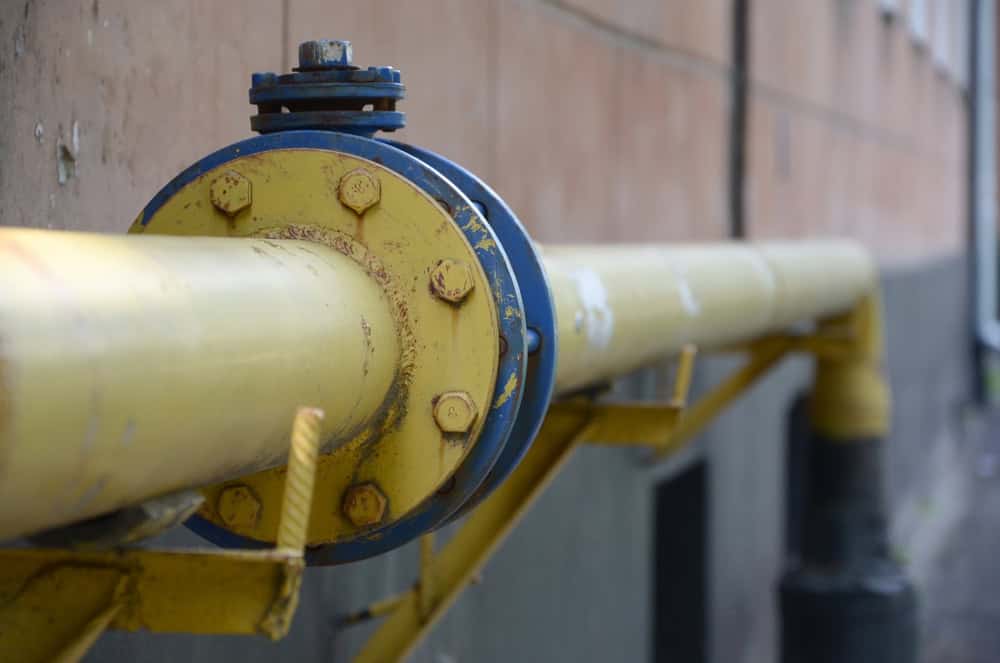
It starts with a real assessment of what you have and what you need. Before any pipe gets run, we evaluate your existing gas infrastructure — the current line size, the total BTU demand of your connected appliances, and the full pipe run from your meter to every appliance in the home. For Midland Beach homes that were rebuilt or raised after Sandy, that assessment includes accounting for the vertical run from a grade-level meter up to an elevated floor — a detail that directly affects pipe sizing and one that gets skipped more often than it should.
Once the scope is clear, the permit gets filed through DOB NOW — New York City’s online permit portal. All gas line work in NYC requires a DOB permit, no exceptions, and we handle that filing entirely. If your project involves new gas service or a capacity increase, Con Edison authorization is required on top of the DOB permit, and we coordinate that as part of the process as well.
After installation, the system is pressure-tested at the standard required by the NYC Fuel Gas Code before any gas service is activated. You receive written documentation of the pressure test results, the permit record, and the LMP certification. That file is yours to keep — for your insurance carrier, your building records, and anyone who asks about the work down the road.
Ready to get started?
Gas line installation covers more ground than most homeowners realize going in. At its core, it means running the right size pipe from your meter to your appliances — but the “right size” part is where the work actually lives. We perform a full BTU load calculation before recommending any pipe work, which means every connected appliance gets factored in: your range, your water heater, your boiler, your dryer. Undersized lines are one of the most common causes of appliance underperformance, and in a neighborhood with as much bungalow-era infrastructure as Midland Beach, it’s a more common problem than most homeowners know.
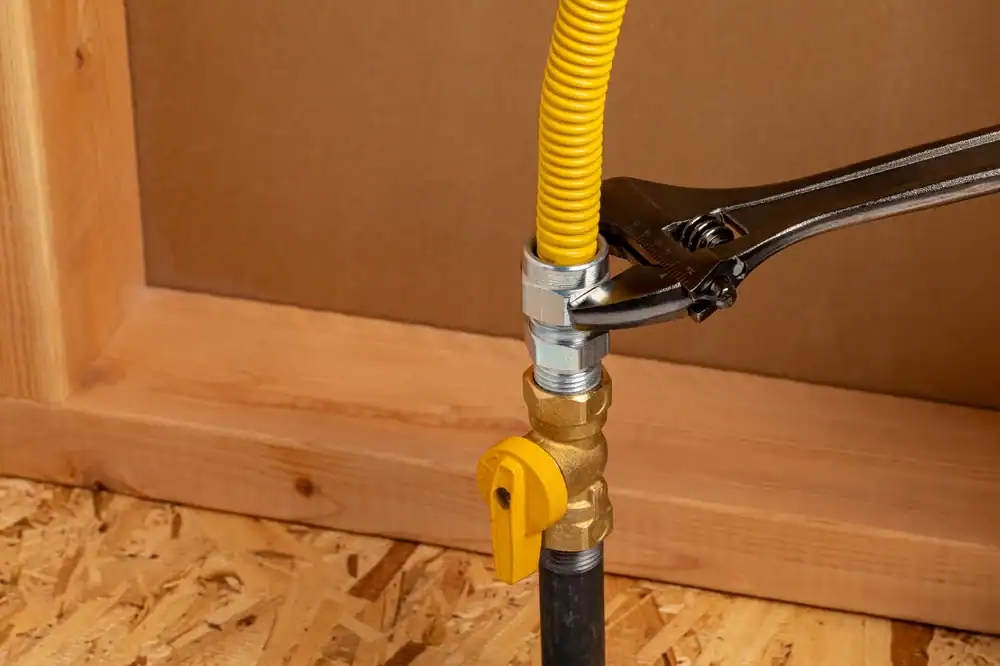
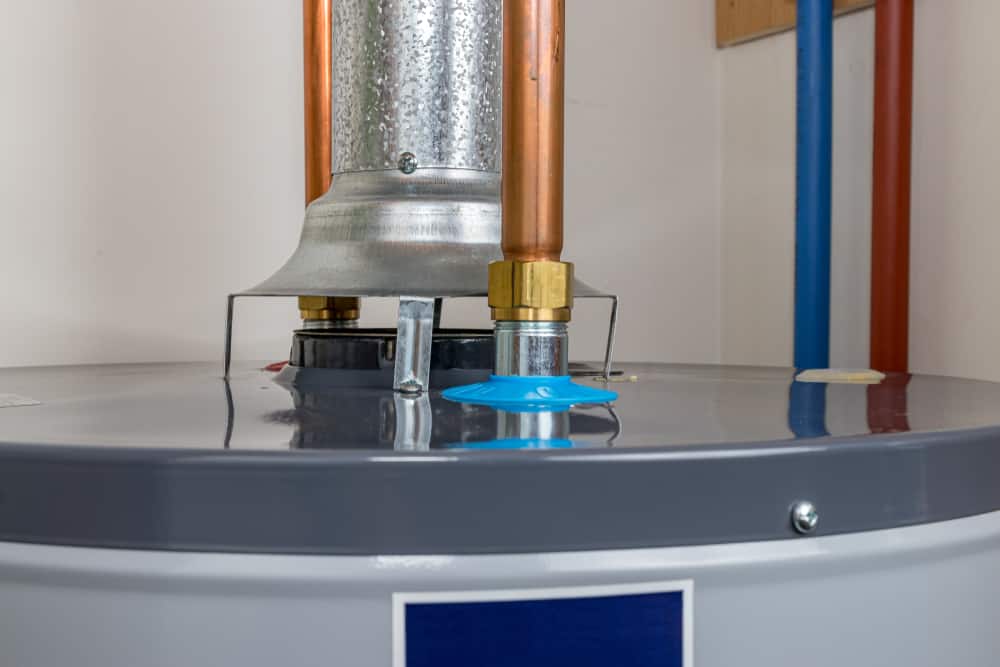
For appliance gas hookups specifically — whether you’re adding a new gas range, connecting a gas dryer, or hooking up a tankless water heater — each appliance has its own requirements. A standard range and a high-BTU professional model are not the same job. A tankless water heater pulls 150,000 BTU or more and often requires a larger supply line than what’s already in place. We size each hookup to the actual demand of the appliance, not a rough estimate.
If Local Law 152 applies to your Midland Beach property — which it does for virtually all multifamily buildings in New York City, including those in Staten Island’s Community District 2 — we also provide full compliance services: the inspection, any required repairs, and GPS-2 certification filing with the DOB. Single-appliance hookups run $500 to $2,000. Whole-home gas line installations typically range from $1,300 to $3,500. Written estimates are provided before any work begins.
Yes, and there are no exceptions for smaller jobs. All gas line work in New York City — including Staten Island — requires a permit filed through DOB NOW, the city’s online permit portal. This applies whether you’re running a new line for a single appliance or replacing gas piping throughout the home. The permit must be filed by a Licensed Master Plumber registered with the NYC Department of Buildings. A handyman, general contractor, or unlicensed plumber cannot legally pull this permit on your behalf.
Beyond the DOB permit, if your project involves new gas service from the street or an increase in your existing gas capacity, Con Edison also requires separate authorization before the work can be activated. That’s a second layer of coordination that gets overlooked when homeowners hire someone without deep experience in the NYC utility process. We handle both — the DOB permit filing and the Con Edison coordination — so you’re not managing two separate processes while waiting for your gas to come on.
You find out through a load calculation, not a visual inspection. The size of a gas line is determined by the total BTU demand of every appliance connected to it, the length of the pipe run from the meter to the farthest appliance, and the working pressure of the system. If you’re adding a high-output range, a tankless water heater, or a gas dryer to a home that was originally piped for a basic setup, there’s a real chance the existing line can’t deliver enough gas to run everything at full capacity simultaneously.
This is a particularly relevant issue in Midland Beach, where a significant portion of the housing stock consists of original bungalows that were built as seasonal vacation homes and converted to year-round use over the decades. Those homes were never designed around the gas demand of a modern kitchen. Before any new appliance gets connected, we evaluate the existing infrastructure against the actual BTU load — so you know whether you need a new line or an upgrade before the appliance is installed, not after it underperforms.
It does, and it’s one of the more commonly overlooked details in post-Sandy rebuilds on the East Shore. When a home is elevated on a raised foundation, the utility meter typically stays at or near grade level while the living space and appliances move up a full story. That added vertical run increases the total equivalent length of the gas piping system, which directly affects the pipe diameter needed to deliver adequate pressure to every appliance at the top of that run.
If the gas line was sized for the home’s original layout — before it was raised — there’s a good chance it’s undersized for the current configuration. The symptoms are subtle at first: a boiler that short-cycles, a range that won’t reach full output, a tankless water heater that can’t keep up with demand. We account for elevation changes when sizing gas lines for Midland Beach homes, which is the right way to approach any post-Sandy rebuild rather than assuming the existing infrastructure still works.
Local Law 152 is a New York City mandate that requires gas piping inspections every four years for virtually all buildings except one- and two-family homes. That means it applies to multifamily buildings, mixed-use properties, and commercial buildings throughout Staten Island, including those in Midland Beach and the surrounding East Shore neighborhoods that fall within Community District 2.
The inspection must be performed by a Licensed Master Plumber or a Registered Journeyman Plumber working under direct LMP supervision. After the inspection, the LMP files a GPS-2 certification with the DOB through the DOB NOW portal. If violations are found during the inspection, they need to be repaired before the GPS-2 can be filed. Missing the filing deadline carries penalties of up to $10,000 per building. We provide the full Local Law 152 package — inspection, any required repairs, and GPS-2 certification filing — so building owners in Midland Beach aren’t managing multiple contractors to get from inspection to compliance.
The physical installation itself — running pipe, making connections, and pressure testing — typically takes anywhere from a few hours for a single appliance hookup to a full day or more for a whole-home installation. The longer part of the timeline is usually the permitting and utility coordination that happens before and after the physical work.
In New York City, the DOB permit needs to be filed and approved before work begins. If Con Edison authorization is also required — which it is for new gas service or capacity increases — that adds another step in the sequence. After installation, the system is pressure-tested and documented before gas service is activated. The total timeline from first call to active gas service depends on permit processing times and utility scheduling, which can vary. What we control is making sure the permit package is filed correctly the first time and that Con Edison coordination moves forward without unnecessary delays — both of which are the most common sources of timeline extensions when the process isn’t managed by someone with experience in the NYC system.
You should receive written documentation of the pressure test results, the DOB permit record, and the Licensed Master Plumber’s certification of the work. If Local Law 152 applies to your property, you should also receive a copy of the GPS-2 filing confirmation from the DOB.
This documentation matters more than most homeowners realize at the time of the job. Flood insurance carriers — which are a practical reality for many Midland Beach homeowners given the neighborhood’s coastal flood zone location — may ask for proof that gas work was permitted and inspected. Mortgage lenders and buyers during a future sale will also want to see that any gas line work was done with proper permits and LMP sign-off. In a neighborhood where homes have been rebuilt, raised, and renovated over the past decade, the paper trail behind your gas infrastructure is part of what protects the investment you’ve made in your home. We deliver that documentation at job completion — not as an afterthought, but as a standard part of every installation.
Other Services we provide in Midland Beach