
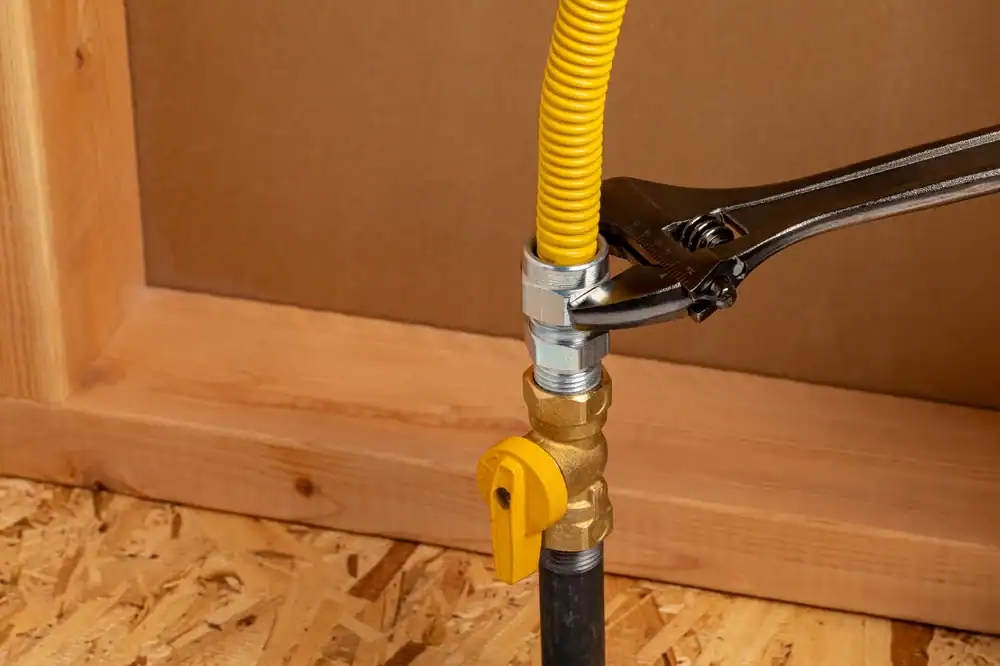

Most of New Brighton’s housing stock was built before 1939. Hamilton Park has homes that predate the Civil War. The gas lines running through those walls were sized for appliances that no longer exist — a modest stove, maybe a water heater. They were never designed to handle a professional-grade range pushing 60,000 BTU or a tankless water heater demanding nearly 200,000 BTU.
When you upgrade the appliance without upgrading the line, you either get an underperforming appliance or a code violation waiting to be discovered. Getting this right means your new range actually performs the way it was built to. It means your tankless water heater doesn’t struggle on cold mornings when the Kill Van Kull wind is cutting through the North Shore. It means your kitchen renovation finishes on schedule instead of stalling while you wait for a contractor who knows how to navigate the DOB permit process and National Grid authorization at the same time.
When the gas line is properly sized, installed, and documented, the rest of the project moves. That’s the outcome — not just a working appliance, but a finished job with a paper trail that protects you for insurance, building management, and resale.
We’ve been doing this work in New York City since 1983 — over four decades of gas line installations in buildings that range from pre-war co-ops to Victorian single-family homes. That’s exactly the kind of housing stock that defines New Brighton and the streets around Hamilton Park.
Staten Island runs on National Grid, not Con Edison. That distinction matters when it comes to getting new gas service authorized and activated. We know the National Grid authorization process, file permits through DOB NOW, and handle the full sequence from inspection to activation — so you’re not left managing two separate approval tracks on your own.
Every job is performed under a Licensed Master Plumber. That’s not a credential we list for appearances — in New York City, it’s the only legal way to do gas line work. The LMP signs off on everything, and you receive written documentation when the job is done.
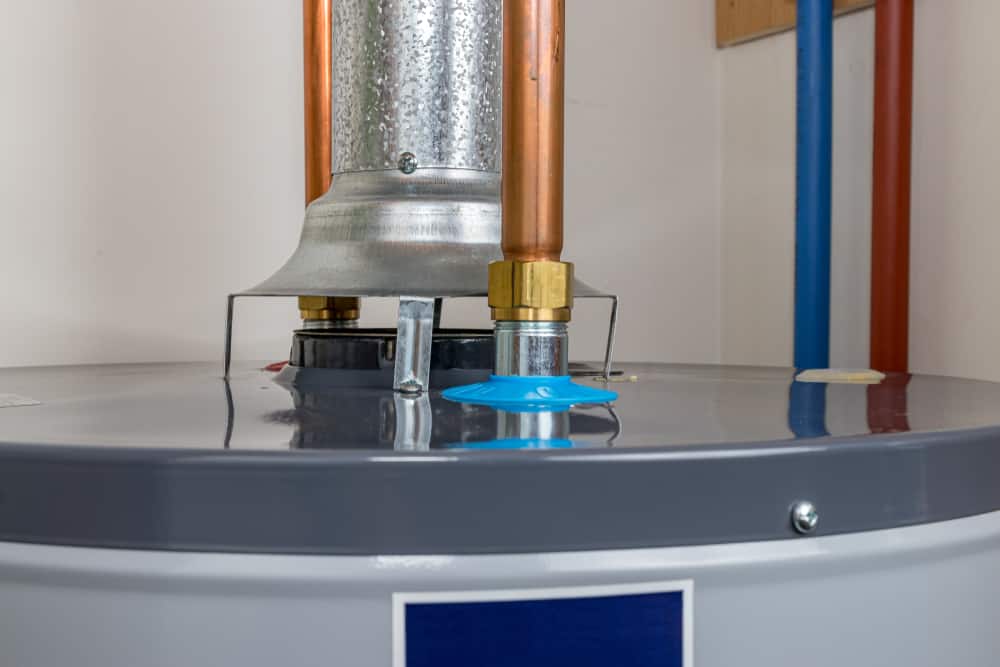
It starts with a real assessment. Before any pipe gets touched, we calculate the full BTU load of every appliance that will be connected to the line — not just the one you’re adding. In New Brighton’s older homes, that calculation often reveals that the existing pipe diameter is too small for modern demand. That gets caught here, before installation, not after.
Once the scope is clear, we file the DOB permit through DOB NOW — the city’s required digital portal. For new or upsized gas service in New Brighton, that runs parallel to a National Grid authorization request. These two tracks move at the same time so you’re not waiting on one after the other finishes.
Installation happens after permit approval: new pipe goes in, joints are made, and the system is pressure-tested at one and a half times working pressure before anything gets activated. After the pressure test clears, we coordinate with National Grid for the final inspection and meter activation. When the job is complete, you receive written documentation — safety test results, permit records, and LMP certification. If your property falls within the New Brighton Historic District and the work involves any exterior modification, we identify that requirement before the job starts so there are no surprises from the Landmarks Preservation Commission.
Ready to get started?
Gas line installation through us covers the full scope — not just the pipe. That means a BTU load calculation before the work starts, proper gas line sizing based on the actual run length through your building, DOB permit filing, installation with listed materials, pressure testing, National Grid coordination, and written documentation when it’s done.
Single appliance hookups in New Brighton typically run $500 to $2,000. Whole-home installations range from $1,300 to $3,500. Pricing per linear foot runs $12 to $25 depending on pipe type and project complexity. You get a written estimate before anything starts — no surprises mid-job.
For New Brighton’s multifamily building owners and property managers, we also handle Local Law 152 compliance from start to finish. Staten Island Community District 1 was in the first LL152 inspection cycle in 2019, which means many buildings are now in or past their second four-year window. If your GPS-2 certification hasn’t been filed with the DOB, the $10,000 non-compliance penalty isn’t theoretical — it’s accumulating. We perform the LMP-led inspection, repair any violations found, and file the GPS-2 electronically so you’re fully covered.
Whether it’s a gas hookup for a new range in a Hamilton Park Victorian, a line extension for a gas dryer in a Castleton Avenue co-op, or a full LL152 compliance engagement for a North Shore rental building, the work gets done under one licensed contractor with full documentation at the end.

Probably worth finding out before the range arrives. Most homes in New Brighton — especially in and around Hamilton Park — were built before 1939, and the gas lines running through them were sized for appliances from that era. A professional-grade range can demand 60,000 BTU or more. A tankless water heater can push 150,000 to 199,000 BTU.
If your existing line was sized for a modest mid-century stove, it may not have the diameter or pressure capacity to support what you’re putting in. The way to know for sure is a BTU load calculation — adding up the total demand of every appliance connected to the line, measuring the actual run length from the meter to the farthest appliance, and checking whether the current pipe diameter can handle it. If it can’t, the appliance will underperform, and you may end up with a code violation on top of that. Getting this assessed before installation costs far less than fixing it after.
In New York City, only a Licensed Master Plumber can legally install, alter, repair, or maintain gas lines. This is written into the NYC Fuel Gas Code and the city’s Administrative Code — it’s not a suggestion or a best practice, it’s the law. Hiring someone without that credential isn’t just a code violation; it’s a criminal offense. And practically speaking, National Grid won’t activate gas service to work that wasn’t performed and permitted by an LMP.
This matters in New Brighton because the neighborhood has a mix of licensed contractors and general tradespeople who handle renovation work. For anything involving gas piping — even what looks like a simple appliance hookup — you need to ask for the LMP credential and verify it against the NYC DOB license database. We have a Licensed Master Plumber on staff, not subcontracted, who signs off on every installation and is personally accountable for the work.
For a single appliance hookup in a straightforward layout, the installation itself typically takes a few hours. But the full timeline — from permit filing to gas activation — is longer, and in New Brighton’s older homes, the job often surfaces complications that add time.
Walls with original plaster, cast-iron infrastructure, pipe runs through multiple floors of a Victorian-era structure, or a line that needs to be upsized before the new appliance can be connected — these are common in this neighborhood and each adds to the scope. The permit filing through DOB NOW and the National Grid authorization request run in parallel, but both take time to process. Once installation is complete and the pressure test clears, National Grid schedules their inspection before the meter is activated. From start to gas-on, a typical project in New Brighton runs several days to about a week when everything moves smoothly. If there are violations to repair or additional sizing work required, plan for more.
Local Law 152 requires gas piping inspections every four years for virtually all New York City buildings — with the main exception being one- and two-family homes. If you own or manage a multifamily building, a mixed-use property, or a commercial building in New Brighton, it applies to you.
Staten Island Community District 1 was in the first inspection cycle from January 1 through December 31, 2019. The second four-year cycle has either passed or is approaching for most buildings in this district. The inspection must be performed by a Licensed Master Plumber, and when it’s complete, the LMP files a GPS-2 certification electronically through DOB NOW. If violations are found during the inspection, they have to be repaired before the GPS-2 can be filed. Missing the deadline carries penalties up to $10,000 per building. We handle the full LL152 process — inspection, any necessary repairs, and GPS-2 filing — so building owners in New Brighton don’t have to coordinate multiple contractors or navigate the DOB portal themselves.
Staten Island’s gas service runs through National Grid — not Con Edison — and that distinction matters when you’re adding a new gas line or upsizing an existing one. Beyond the NYC DOB permit, any new service connection or capacity increase requires a separate National Grid authorization before the utility will activate the meter. These are two parallel approval tracks, and both need to be completed before gas service is turned on.
The process involves submitting the work documentation to National Grid, scheduling their inspection, and waiting for their sign-off. Contractors who primarily work in Manhattan may not be familiar with National Grid’s specific authorization requirements, which can slow things down if they’re learning the process on your job. We serve Staten Island as a primary market and handle National Grid coordination regularly — which means the authorization process moves alongside the DOB permit, not after it, and you’re not waiting on one track while the other sits idle.
Yes, but there are layers to navigate that don’t apply to a standard single-family home. If your property is within the New Brighton Historic District — which covers a cluster of early structures in and around Hamilton Park — any exterior modification, including meter relocation or exterior pipe penetrations, may require review by the Landmarks Preservation Commission. That review needs to happen before the work starts, not after a violation notice arrives.
For co-op and condo buildings in New Brighton, the building’s own requirements add another layer: alteration agreements, building engineer sign-off, and board approval are common prerequisites before a licensed contractor can begin. We’ve spent decades working in exactly this kind of NYC building environment — co-ops, pre-war multifamily buildings, and properties with historic considerations. We identify what’s required from each party before the job starts, so the project doesn’t stall mid-renovation because a building management step got missed.
Other Services we provide in New Brighton