
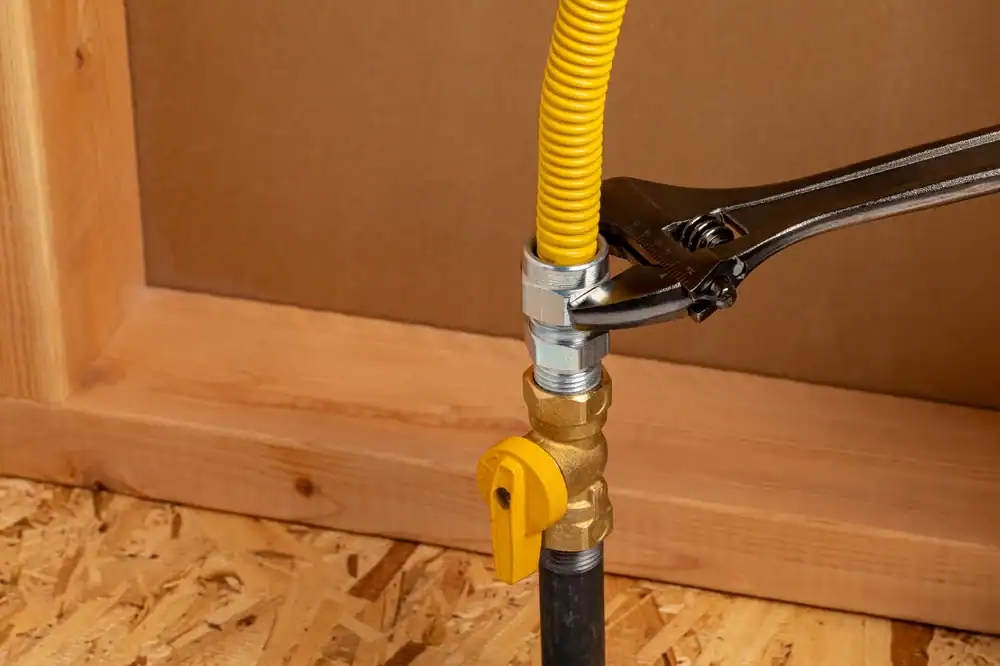
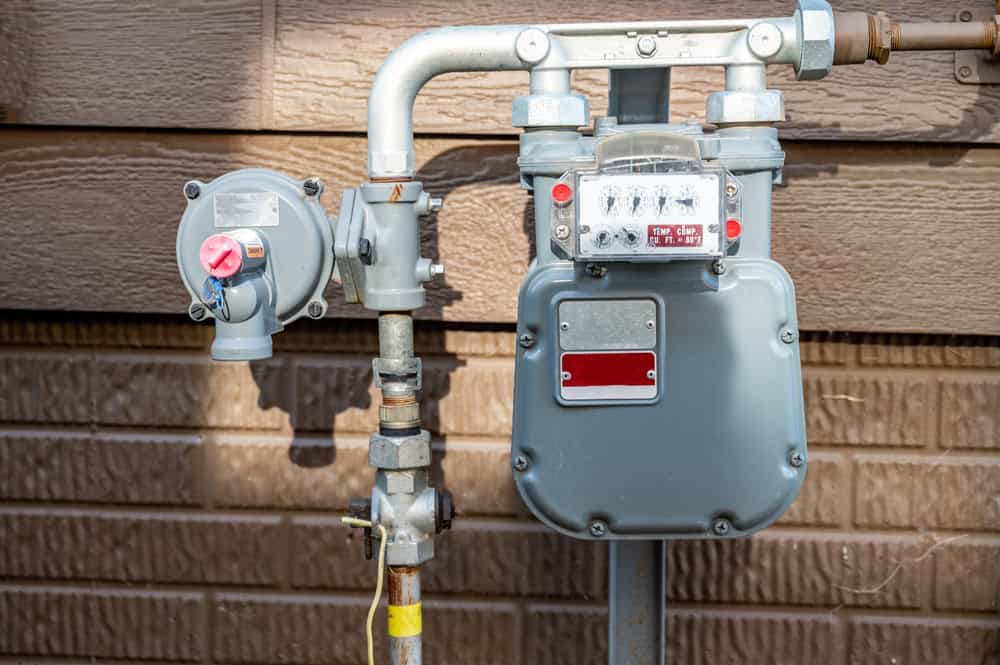
A gas shutoff in New Brighton hits differently than it does in a newer neighborhood. Most of the housing stock here was built before 1939. Some of it goes back to the 1850s, when Charles Hamilton was laying out the streets of Hamilton Park and building the cottages that still stand on Pendleton Place and Harvard Avenue today. That age means the gas systems inside those walls have been patched, re-routed, and repaired by dozens of hands over the decades — and when National Grid detects a pressure drop and locks the meter, what’s underneath isn’t always straightforward.
What you get when the restoration is handled correctly is simple: heat, hot water, and cooking gas back on as fast as the process allows. National Grid’s stated timeline is one to two days after all work is complete and approved — but that timeline only holds if the plumber gets everything right the first time. The paperwork filed correctly with the DOB. The pressure test passed on the first attempt. The utility coordination done proactively, not reactively. When those steps are handled by someone who has been doing this for over 40 years, the difference between a two-week restoration and a two-month ordeal becomes very real.
For the multi-family building owners along Richmond Terrace and Jersey Street, the stakes are even higher. One gas system failure in a building with 20 or 30 units means 20 or 30 families without heat or cooking gas simultaneously. Every day that drags on is another day of tenant complaints, potential HPD violations, and exposure to rent abatement claims. Getting the restoration done right and done fast isn’t just about comfort — it’s about protecting the building’s financials and keeping tenants from escalating to Housing Court.
We’ve been handling gas work on Staten Island since 1983, and New Brighton has been part of that work from the beginning. That’s four decades of navigating the DOB, coordinating with National Grid, and working through the full range of what aging gas infrastructure looks like — from the Victorian-era homes of Hamilton Park to the mid-century apartment buildings near the Kill Van Kull waterfront.
When you call, Bobby and Rob Jr. are the ones who show up. We are the Licensed Master Plumbers. We file the paperwork, run the pressure test, and coordinate directly with National Grid for reconnection. There’s no dispatch center sending a crew you’ve never met. The people who answer the phone are the people doing the work, and our names are on the license — LMP #1169, FDNY Certificates of Fitness #89078745 and #88089263, and a Gas Work Qualification that is legally required for any gas restoration work in New York City since 2020.
In a neighborhood where gas-related habitability failures have made the news and reached congressional inquiries, that kind of accountability isn’t a small thing.
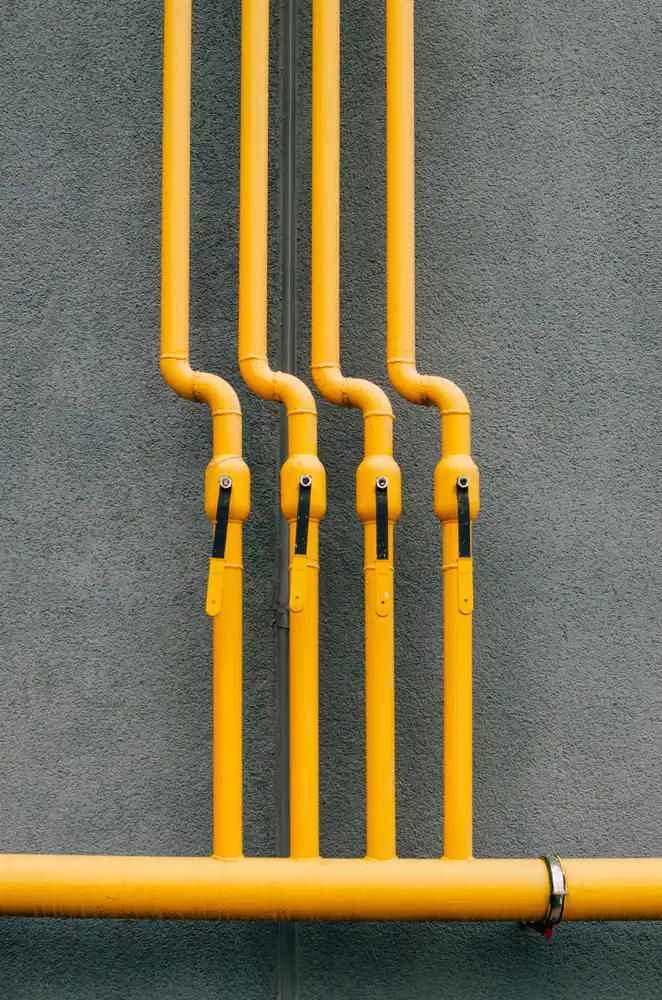
The first thing that has to happen after a National Grid shutoff is an assessment of what caused it. In New Brighton, where a significant portion of the housing stock predates World War II and the lower blocks near Richmond Terrace face elevated humidity and salt-air exposure from the Kill Van Kull, the cause is often corrosion in aging gas piping that has been slowly deteriorating for years. The leak National Grid found is usually the symptom. The condition of the surrounding pipe is the real question.
Once we’ve determined the scope of repair, an Emergency Work Notification gets filed with the NYC Department of Buildings. This is the legal authorization to begin emergency repair work, and it has to be filed by a Licensed Master Plumber with a Gas Work Qualification — not just any plumber. We complete the repair work and schedule a DOB pressure test. This is a hard regulatory gate: gas cannot be restored until the system holds pressure and the DOB signs off. There are no shortcuts here, and a failed pressure test means starting the inspection process over.
After the pressure test passes and the DOB issues its approval, we contact National Grid for service restoration. Their timeline — one to two days, not exceeding five business days — begins at that point. For properties in Hamilton Park’s historic district where exterior work may involve landmarked structures, any work affecting the building’s facade may also require coordination with the Landmarks Preservation Commission. We handle the full sequence, from the first call through the moment National Grid restores your meter.
Ready to get started?
Gas shut down restoration in New Brighton isn’t a single task — it’s a coordinated process that touches multiple agencies and requires a specific set of credentials at every step. We handle the complete scope: leak detection and pipe assessment, gas line repair or replacement as needed, Emergency Work Notification filing with the NYC DOB, DOB pressure testing, and direct coordination with National Grid for meter restoration.
For multi-family buildings — the apartment buildings along Richmond Terrace, the walk-ups near Cassidy Place, and the larger residential buildings throughout Community District 1 — the process also includes building-wide pressure testing and compliance with Local Law 153’s tenant notification requirements during the restoration period. If your building is approaching its Local Law 152 inspection cycle and you want to get ahead of a potential shutoff before it happens, we handle that inspection and the required GPS1 certification filing as well.
For homeowners in Hamilton Park and Brighton Heights dealing with pre-war or Victorian-era gas systems, the assessment phase is particularly important. These systems often have decades of layered repairs, and a thorough evaluation at the start prevents surprises during the pressure test. Every job comes with a detailed cost breakdown before work begins — no hidden charges, no surprise invoices at the end. You know what you’re paying before a single pipe is touched.
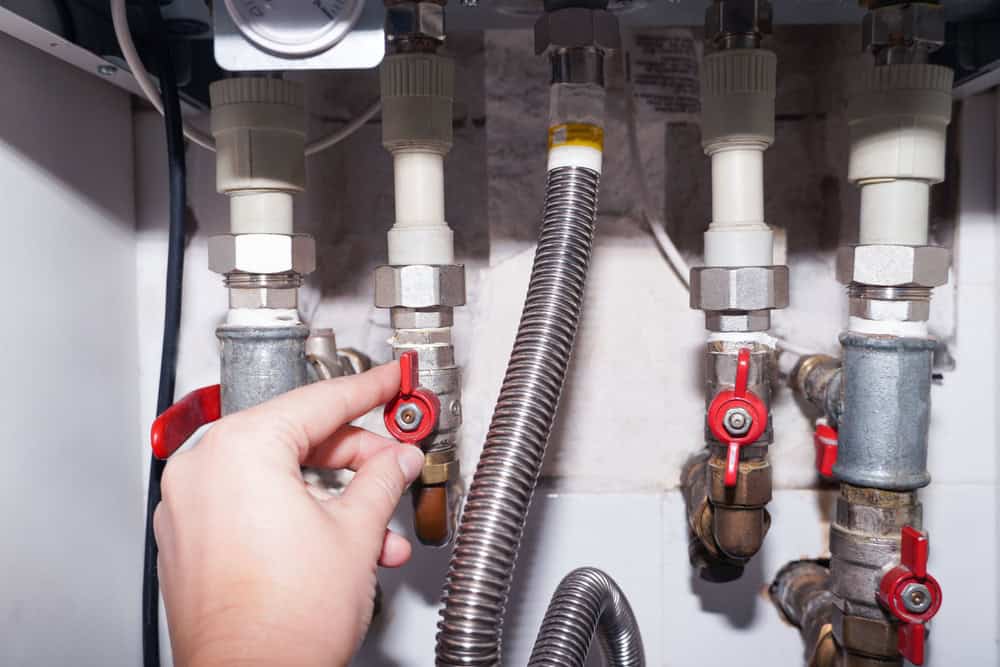
The first thing to understand is that once National Grid locks your meter, only they can restore it — and they won’t do that until a Licensed Master Plumber with a Gas Work Qualification has repaired the problem, filed the necessary paperwork with the NYC Department of Buildings, and passed a DOB pressure test. You cannot turn the gas back on yourself, and hiring a plumber without the specific Gas Work Qualification that has been required since January 2020 will result in work that can’t legally be approved.
Your immediate step is to call a qualified plumber who can assess the cause of the shutoff, file an Emergency Work Notification with the DOB, and get the repair process moving. In New Brighton, where older gas systems are common and the underlying cause of a shutoff is often more extensive than the initial leak, getting that assessment done quickly matters. The sooner the scope of work is defined, the sooner the DOB paperwork gets filed and the restoration timeline begins.
National Grid’s stated timeline is one to two days after all work is complete and approved, with a maximum of five business days. That clock doesn’t start until the DOB has signed off on the pressure test and all required documentation is in order. The total time from shutoff to restored service depends almost entirely on how quickly and accurately the plumber handles the repair and the regulatory process.
In practice, the difference between a two-week restoration and a two-month ordeal usually comes down to whether the plumber files the right paperwork, passes the pressure test on the first attempt, and coordinates proactively with National Grid rather than waiting for callbacks. In New Brighton — where older building systems can complicate the repair scope and multi-family buildings add layers of documentation — working with someone who has done this process hundreds of times is what keeps the timeline on the shorter end.
Not since January 1, 2020. Under Local Law 150 of 2016, all gas work in New York City — including gas restoration after a National Grid shutoff — must be performed by a Licensed Master Plumber who also holds a Gas Work Qualification issued by the NYC Department of Buildings. A standard plumbing license is not sufficient. The Gas Work Qualification is a separate credential, and many licensed plumbers in the city do not hold it.
Before you hire anyone for gas restoration work in New Brighton, verify their LMP license number and Gas Work Qualification on the NYC DOB website. Any plumber who cannot provide a verifiable LMP number with an active Gas Work Qualification cannot legally perform the work — and if they try, the job will fail inspection and you’ll be starting over. We hold LMP #1169 with Gas Work Qualification, verifiable directly through the DOB’s online system.
As the building owner, the internal gas piping system is your responsibility. National Grid shuts off service when they detect a safety issue, but the repair of the building’s gas system — and the cost of that repair — falls entirely on the property owner. The utility only returns to restore service after the building’s system has been repaired, inspected, and approved by the DOB.
For multi-family buildings in New Brighton, the stakes of a prolonged outage are significant. Tenants without heat or cooking gas can file complaints with HPD, which can result in formal violations on the property. They can also pursue rent abatement — typically 10 to 20 percent retroactively for the period without service — and in some cases bring an HP Action in Housing Court. The fastest way to limit that exposure is to get a qualified plumber on-site immediately, moving through the DOB process without delays. Buildings in Community District 1 are also subject to Local Law 152’s four-year gas inspection cycle, and a current inspection on file can sometimes clarify the scope of a shutoff and speed the restoration process.
It comes down to the age of the infrastructure. Most of New Brighton’s housing was built before 1939, and in Hamilton Park, some homes date to the early 1850s. The gas piping in these buildings — cast iron, galvanized steel, older fittings — has been in service for decades, in some cases approaching a century. Metal piping corrodes over time, joints loosen, and slow leaks develop that go undetected until National Grid’s inspection equipment picks them up.
The waterfront location adds another layer. New Brighton sits directly on the Kill Van Kull, and the lower-elevation blocks along Richmond Terrace experience elevated humidity, salt air, and freeze-thaw cycling that accelerates corrosion in underground and in-wall gas piping. These aren’t conditions you find in mid-island or South Shore neighborhoods, and they explain why gas infrastructure failures show up more frequently in North Shore waterfront communities. Regular Local Law 152 inspections — required every four years for most buildings in Community District 1 — are the most practical way to catch deterioration before it becomes a shutoff.
Yes. We serve all of Staten Island, including New Brighton’s distinct sub-areas — the historic Hamilton Park enclave on Brighton Heights, the Richmond Terrace corridor along the Kill Van Kull waterfront, and the residential blocks throughout Community District 1. We’ve been working Staten Island’s gas systems since 1983, which means the North Shore’s older building stock, its National Grid service territory, and the specific regulatory landscape that applies here are all familiar ground.
For homeowners in Hamilton Park dealing with pre-war gas systems, building managers along Richmond Terrace managing multi-family restorations, or anyone in the 10301 ZIP code who just got a National Grid shutoff notice, the process is the same: one call, one team, and a Licensed Master Plumber — LMP #1169 — handling everything from the Emergency Work Notification through the final National Grid reconnection. No subcontractors, no handoffs, no surprises on the invoice.
Other Services we provide in New Brighton