

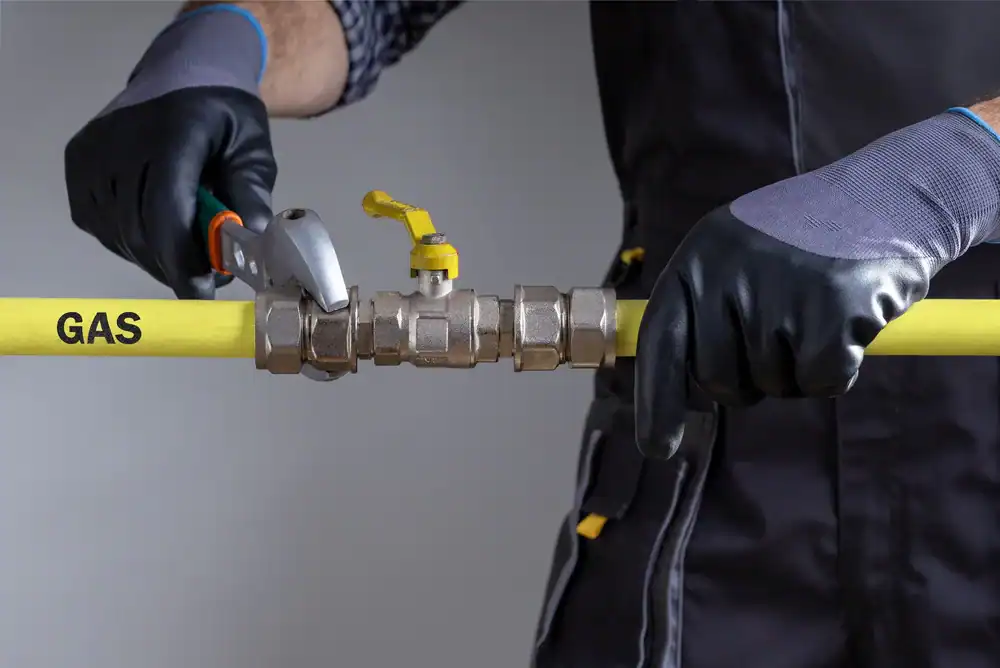
The original cooperative sections in Bay Terrace — built between 1952 and the mid-1960s — were constructed with gas infrastructure that was never meant to last 70 years without attention. Black iron risers, original fittings, branch lines serving entire floors: when something goes wrong in a building like that, it doesn’t affect one apartment. It affects everyone on that riser.
Getting the right licensed master plumber in quickly isn’t just about your unit — it’s about your entire building. We understand the urgency because we’ve been doing this work in Bay Terrace’s aging cooperative stock for four decades.
Bay Terrace also sits directly on Little Neck Bay, and that coastal exposure matters more than most residents realize. Salt air accelerates corrosion on exterior gas infrastructure — meter connections, exposed risers, exterior piping on building facades. It’s a stressor that inland neighborhoods don’t face the same way, and it’s one reason why gas systems here degrade faster than their age alone would suggest.
When the work is done correctly — repairs completed, pressure testing passed, National Grid notified and coordinating on restoration — you’re not just fixing a leak. You’re putting your building back on solid footing, with documentation to show for it.
We’ve been doing this work since 1983. Bobby and Rob — father and son, both licensed — have spent four decades working through the kind of aging NYC building stock that Bay Terrace is full of. Postwar construction, original piping, systems that were installed when the Bay Terrace cooperative sections first opened and haven’t been meaningfully touched since. That’s familiar territory for us.
What that experience actually means for you: we catch things other plumbers miss. Multiple customers have noted that Rob identified problem areas during a job that had nothing to do with the original call — and addressed them without padding the bill. That’s documented in our reviews, in customers’ own words.
Every job comes with a written estimate before any work begins. No surprises. No pressure. And unlike a lot of companies, there’s no after-hours surcharge — the rate is the same whether it’s a Tuesday afternoon or a Saturday night when you smell something wrong.
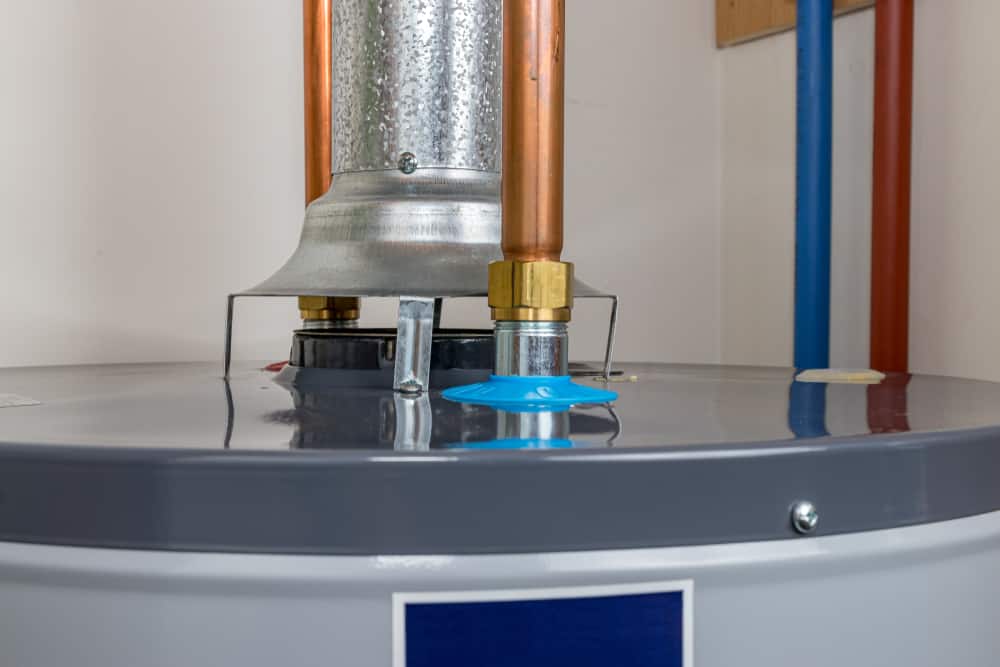
When you reach out, the first thing that happens is a real conversation about what you’re dealing with — not a form, not a hold queue. Whether you’re a co-op shareholder who noticed a smell in the hallway or a board member dealing with a National Grid notice, we start the same way: understanding the scope before anyone shows up.
On-site, we begin with a thorough inspection and pressure testing to locate the issue precisely. In Bay Terrace’s older cooperative buildings, that often means tracing gas lines through shared risers and branch connections that serve multiple units simultaneously. We find the actual source — not just the symptom — before any repair work starts. Once identified, you get a written estimate. Work doesn’t begin until you’ve reviewed and agreed to it.
After repairs are complete, we perform pressure testing again to confirm the system is holding properly. This is required by NYC DOB before gas service can be restored, and it’s not a step we skip. Because Queens is served by National Grid — not Con Edison — the final coordination for gas restoration goes through National Grid’s reinspection process. We handle that coordination directly, which is what separates a fast restoration from one that drags on for days while paperwork sits in a queue.

Ready to get started?
Gas line repair in Bay Terrace covers more ground than a single leak fix. For the cooperative buildings along Bell Boulevard and throughout the original sections, the most common work we handle involves corroded gas pipe replacement — original black iron piping that has reached the end of its useful life — along with gas pressure testing after any repair or replacement to satisfy NYC DOB requirements before service is restored. Gas line rerouting comes up frequently when kitchens are being renovated or when aging branch lines need to be redirected to accommodate updated appliances.
For building owners and co-op boards, Local Law 152 compliance is a pressing issue right now. Bay Terrace falls within Queens Community District 7, and the second-cycle LL152 inspection deadline was December 31, 2025. If your building didn’t file by that date, you’re now in Notice of Deficiency territory — and fines can reach $10,000 per year. National Grid also has the authority to shut off gas service to non-compliant buildings.
We handle the full compliance cycle: inspection, report, and DOB filing — not just the inspection itself. Emergency gas line service is available around the clock. If National Grid has already shut off gas to your building, the path to restoration runs through a licensed master plumber who can complete the required work, file with the DOB, and coordinate directly with National Grid for reinspection. That’s the process, and knowing how to move through it efficiently is what gets your building’s gas back on without unnecessary delays.
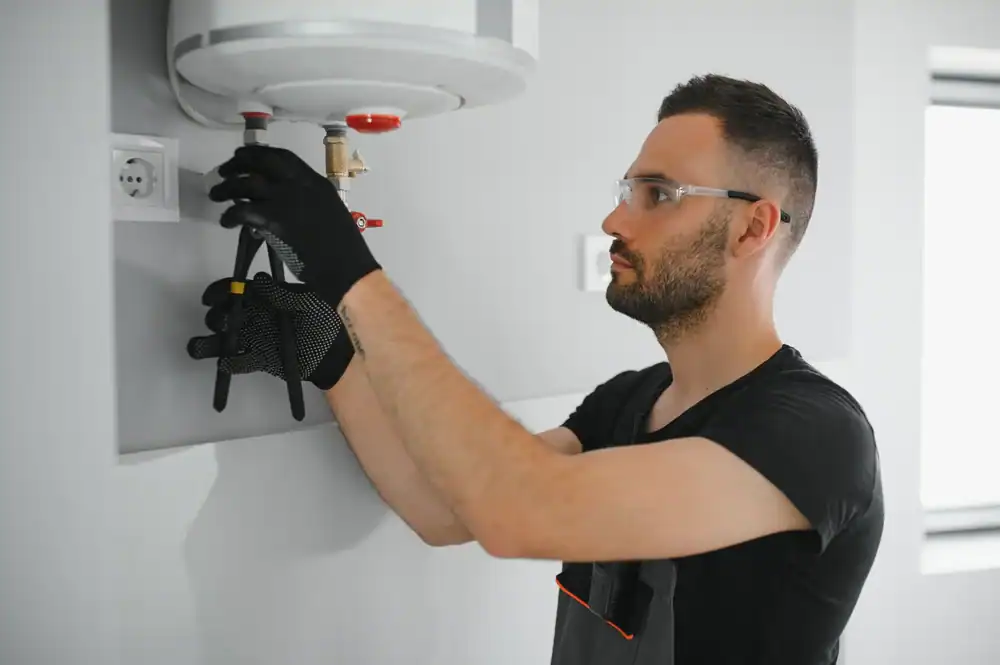
If your building is in Bay Terrace, it falls within Queens Community District 7. The second-cycle Local Law 152 inspection deadline for Community District 7 was December 31, 2025. If your co-op board did not complete and file a gas piping inspection by that date, the building is now subject to a Notice of Deficiency from the NYC Department of Buildings. That notice comes with fines that can reach $10,000 per year, and National Grid has the authority to shut off gas service to buildings that remain non-compliant.
The inspection itself must be performed by a Licensed Master Plumber — not a general contractor, not a super, not a handyman. The plumber then submits a report to the DOB within a specific timeframe. We handle the full process from inspection through filing, so the board isn’t left coordinating paperwork on their own after the physical inspection is done.
The honest answer is that you often can’t tell from the outside. Corroded black iron pipe can look fine on the surface while fittings are degrading internally, joints are loosening, or sections are thinning from years of corrosion. In Bay Terrace’s cooperative buildings — most of which were constructed between 1952 and the mid-1960s — the original gas piping is now 60 to 70 years old. The industry benchmark for elevated risk is 20 years without inspection. These buildings are three times past that threshold.
A Licensed Master Plumber will perform a pressure test to evaluate whether the system is holding properly. If the system loses pressure during the test, that identifies a leak or a compromised section that needs repair or replacement. If Bay Terrace’s waterfront location is a factor — and it often is, given the salt air exposure from Little Neck Bay — exterior piping and meter connections tend to show corrosion faster than interior lines. A proper inspection accounts for both.
Not exactly. In New York City, gas line work requires a Licensed Master Plumber — but there’s an additional layer that most people don’t know about. Under Local Law 150 of 2016, a Licensed Master Plumber must also hold a Gas Work Qualification endorsement to file permits for gas piping work with the NYC DOB. This endorsement requires a minimum of six months of supervised gas work experience plus completion of a DOB-sponsored 16-hour training course. It’s a separate credential on top of the master plumber license.
In a co-op building, this matters because the plumber isn’t just doing the physical repair — they’re responsible for pulling the correct permits, filing with the DOB, and coordinating with National Grid for service restoration. If the plumber doing the work isn’t properly credentialed to file gas piping permits, the building can end up with completed repairs and no path to getting the gas turned back on. Before you hire anyone for gas line work in Bay Terrace, verify that they hold both the master plumber license and the GWQ endorsement.
A National Grid shutoff in a Bay Terrace co-op building is not resolved by calling National Grid and asking them to turn it back on. The utility will not restore service until a Licensed Master Plumber has completed the required repairs, performed pressure testing to confirm the system is sound, and coordinated with National Grid for a reinspection. The DOB filing also needs to be in order. Until all of that is done, the gas stays off — and in a multi-unit cooperative building, that means every resident on the affected system is without cooking gas or heat until the process is complete.
The speed of restoration depends almost entirely on how efficiently the plumber moves through those steps. A plumber who is familiar with National Grid’s specific reinspection and restoration process — as opposed to Con Edison’s, which applies in Manhattan but not in Queens — can move through the coordination significantly faster than one who is learning the process on your building’s time. We handle National Grid coordination directly as part of every gas line repair job in Bay Terrace.
The range is wide because the scope varies so much. A straightforward leak repair or fitting replacement is a very different job than replacing a corroded riser in a six-story cooperative building or rerouting a gas line for a kitchen renovation. National averages for gas line repair run around $598 for standard repairs, with rerouting work running $250 to $800 depending on the complexity and linear footage involved. Pressure testing — required before gas service can be restored after any repair — typically runs $75 to $150.
In Bay Terrace’s cooperative buildings, the scope can expand quickly when aging infrastructure reveals additional problems during the repair. That’s why a written estimate before any work begins isn’t optional — it’s the only way to know what you’re actually agreeing to. We provide that estimate upfront, and there’s no after-hours surcharge if the call comes in on a weekend or late at night. The rate is the same regardless of when the emergency happens.
Yes, in almost every case. New York City requires a DOB permit for gas piping work, and that permit can only be filed by a Licensed Master Plumber with a Gas Work Qualification endorsement. Some limited repairs may qualify for a simplified filing process, but anything involving pipe replacement, rerouting, or work on shared building systems in a cooperative building will require a permit. Skipping the permit doesn’t make the work cheaper in any meaningful sense — it creates a violation that follows the property, can surface during future sales or refinancing, and can result in the DOB ordering the work to be redone by a licensed plumber anyway.
For Bay Terrace co-op buildings navigating Local Law 152 compliance at the same time, having a plumber who pulls proper permits and handles DOB filing as a standard part of the job — not as an add-on — simplifies the whole process considerably. It also protects the board from liability if questions arise later about whether the work was done to code.
Other Services we provide in Bay Terrace