
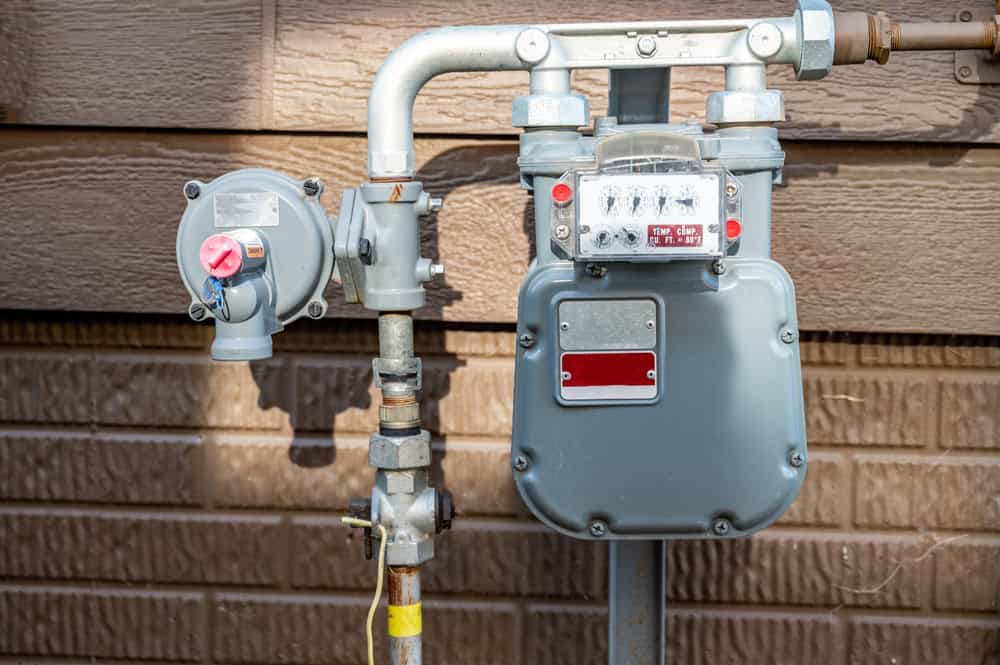
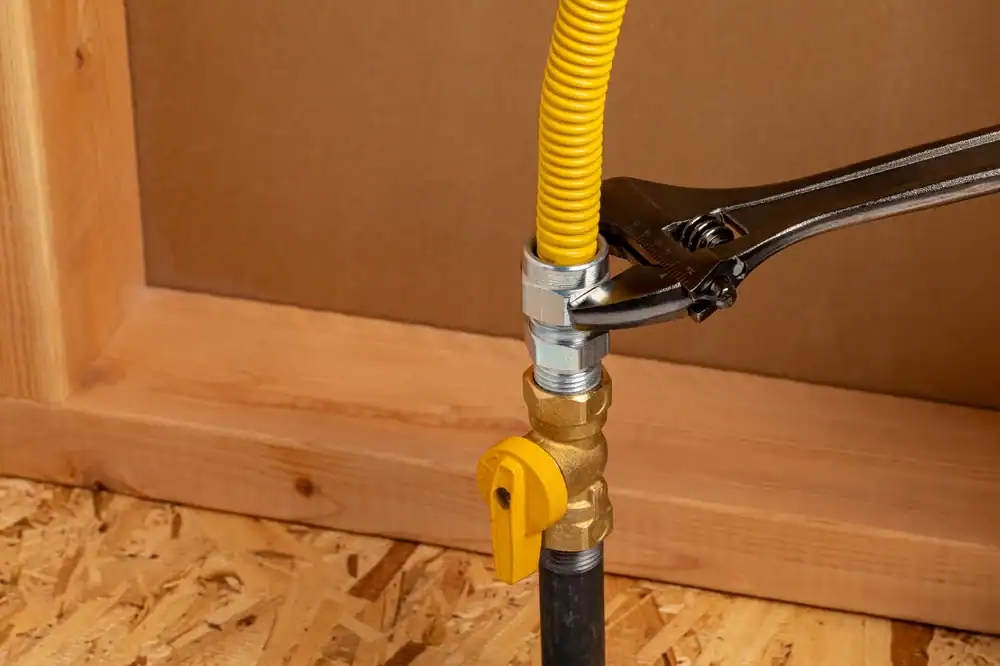
When National Grid shuts off gas service in Mariners Harbor, it happens fast and without much warning. A crew detects a leak, locks the meter, and leaves. From that moment, the clock is running — and your family is sitting in a home with no heat, no hot water, and no way to cook while you figure out what comes next.
What most people don’t realize is that the utility won’t restore service just because the leak is fixed. There’s a specific sequence that has to happen: an Emergency Work Notification filed with the NYC Department of Buildings, repair work completed by a Licensed Master Plumber holding a Gas Work Qualification, a pressure test that has to pass DOB inspection, and then National Grid’s own sign-off before they’ll touch the meter again. Miss a step or file something wrong, and the timeline stretches from weeks into months.
Mariners Harbor’s housing stock makes this even more critical. A lot of homes here were built before 1939, some going back to the early 1900s. Gas piping that old doesn’t fail in small, isolated ways — when National Grid finds a problem, the repair scope is often more extensive than a single joint. Getting an accurate picture of what the job actually involves before the walls come open is the difference between a cost estimate you can count on and one that balloons mid-project.
We’ve been doing gas work on Staten Island since 1983, and that’s not a marketing number — it means we’ve navigated every regulatory shift this city has thrown at gas contractors, including the full overhaul that came with the 2016 Local Law package after the East Harlem and East Village explosions changed everything. For homeowners in Mariners Harbor dealing with pre-war housing and aging gas infrastructure, that experience matters.
Every job is done by Bobby and Rob Jr. — Licensed Master Plumber #1169 with the Gas Work Qualification required by NYC law. We also hold two FDNY Certificates of Fitness and a Licensed Master Fire Suppression Contractor license. When gas restoration involves relighting and inspecting a boiler or water heater in one of Mariners Harbor’s older homes, we’re credentialed for that too.
Mariners Harbor is National Grid territory, and that matters. National Grid’s Staten Island restoration process — including the Staten Island-specific meter alteration paperwork — is different from what applies in Brooklyn or Manhattan. We’ve been working in this exact utility territory for over four decades. We know the contacts, the forms, and the inspection sequence. That institutional knowledge is what keeps a restoration moving on the right timeline instead of stalling out on a paperwork technicality.
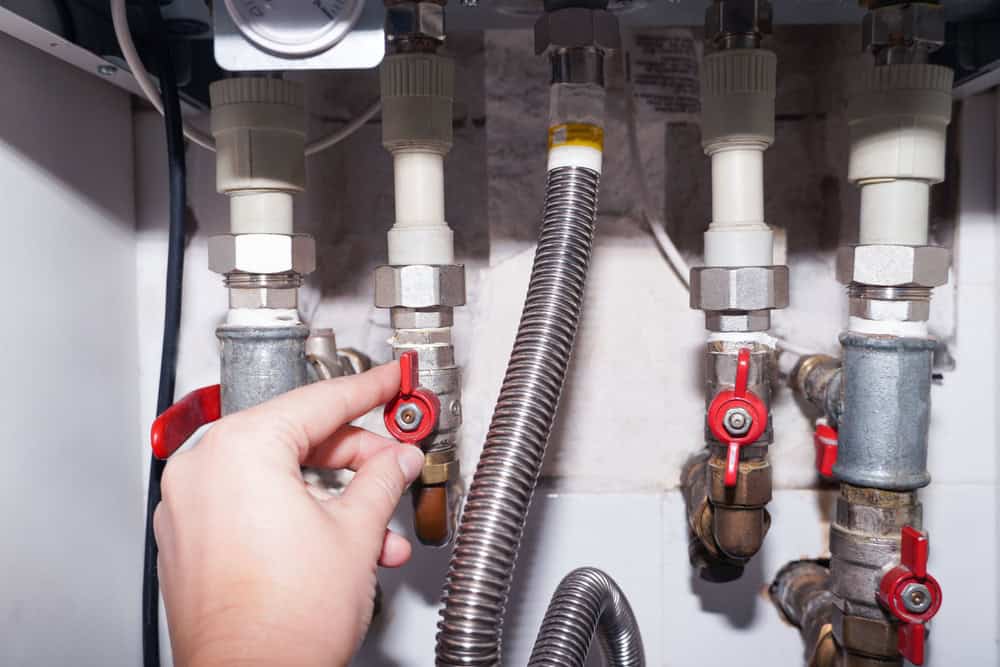
The first thing that has to happen after a National Grid meter lockout is an Emergency Work Notification filed with the NYC DOB. This is the legal gateway that allows a Licensed Master Plumber to begin emergency repair work. Without it, nothing else moves. We handle this filing immediately — not after a site visit, not after a drawn-out estimate process.
Once the EWN is filed and the repair scope is assessed, the actual work begins. In Mariners Harbor’s older homes, that often means evaluating gas piping that has been in place for 80 to 100 years. The assessment is thorough upfront because the goal is to do the job once, correctly, and pass the DOB pressure test on the first attempt. That pressure test is a hard gate — National Grid will not restore service until the DOB inspection clears.
A failed test means restarting the inspection clock, which is the last thing anyone needs when it’s January and the waterfront wind is coming off the Kill Van Kull. After the pressure test passes, we coordinate directly with National Grid for their inspection and reconnection. National Grid’s stated timeline once all work is approved is one to two days, not exceeding five business days. Getting to that point without delays — clean paperwork, a passed pressure test, proper utility coordination — is what separates a two-week restoration from a two-month ordeal.
Ready to get started?
Gas restoration in Mariners Harbor isn’t a single service — it’s a coordinated sequence of regulatory, technical, and utility steps that all have to happen in the right order. We manage the entire process: Emergency Work Notification filing, Limited Alteration Application with the NYC DOB, the physical repair work, the DOB pressure test, National Grid coordination, and final reconnection sign-off. There is no handoff to a permit expediter, no subcontracting the inspection coordination, no leaving you to chase the utility yourself.
For homeowners in Mariners Harbor dealing with pre-war housing stock, our service also includes a thorough assessment of the full gas piping system — not just the section that triggered the shutoff. Older cast iron and black iron pipe throughout a home can have multiple points of deterioration. Identifying the full scope before work begins means the cost breakdown you receive before anything starts is the cost you actually pay. No hidden charges, no surprise additions when the walls come open.
If your shutoff was triggered by a failed Local Law 152 inspection — which requires most NYC buildings to undergo gas piping inspections on a four-year cycle — we handle that compliance work as well. For building owners in Mariners Harbor who want to get ahead of the next inspection cycle rather than react to a DOB-ordered shutdown, that’s a conversation worth having before the notice arrives.
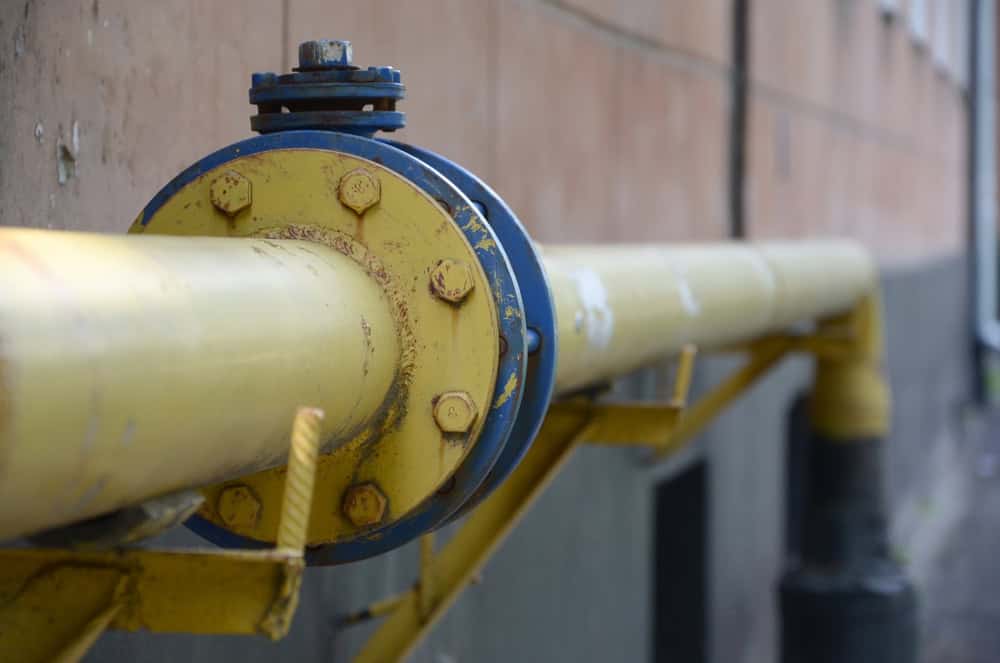
The first thing to understand is that you cannot restore the gas yourself. Once National Grid locks the meter, only the utility can reopen it — and they won’t do that until a Licensed Master Plumber with a Gas Work Qualification has completed the repair work and the job has passed a NYC DOB pressure test. Tampering with a locked meter is illegal and will make the situation significantly worse.
What you need to do immediately is contact a Licensed Master Plumber who can file an Emergency Work Notification with the NYC Department of Buildings. That EWN is the legal authorization to begin emergency repair work, and it has to come from the LMP — not from you, not from a general contractor. The faster that filing happens, the faster the restoration timeline begins. In Mariners Harbor, where National Grid is the sole gas utility and their Staten Island-specific restoration process has its own paperwork requirements, having a plumber who already knows that process is what keeps the job from stalling on day one.
National Grid’s stated policy is that once all repair work is complete and approved, they will restore service within one to two days, not exceeding five business days. The critical phrase there is “once all work is complete and approved” — meaning the DOB pressure test has passed and National Grid has done their own inspection of the repair work. Getting to that point is where the timeline varies dramatically depending on who’s doing the job.
A plumber who misfiles the Emergency Work Notification, fails the DOB pressure test, or doesn’t know how to coordinate with National Grid’s Staten Island inspection team can stretch a restoration from two or three weeks into two or three months. In Mariners Harbor’s older homes, where the repair scope is often more extensive than a simple joint fix, an accurate upfront assessment is what keeps the job on a predictable timeline. We’ve been coordinating with National Grid in this exact utility territory since 1983 — the process is not new to us, and that familiarity is what keeps restorations moving.
No — and this is one of the most important things to understand before you hire anyone. Under Local Law 150 of 2016, which took effect on January 1, 2020, all gas work in New York City must be performed by a Licensed Master Plumber who also holds a Gas Work Qualification. A standard LMP license alone is not sufficient. Many plumbers operating in Staten Island and the surrounding boroughs do not hold this additional qualification, which means they legally cannot perform the repair work, conduct the pressure test, or submit the required documentation to the DOB.
You can verify any plumber’s license status and Gas Work Qualification on the NYC DOB website. Gas Work Qualification cards now include a QR code for instant verification. We hold LMP #1169 with the Gas Work Qualification — those credentials are verifiable and current. In a neighborhood like Mariners Harbor where older homes mean more complex repair scopes, hiring someone without the proper credentials doesn’t just slow the process down. It means the work cannot legally proceed, and anything that was done has to be redone by someone who is actually qualified.
The most common trigger is a detected gas leak — either found during a routine inspection, reported by a neighbor, or discovered when National Grid responds to a smell complaint. When their crew detects a leak, they lock the meter on the spot. There is no grace period and no advance warning. This is especially relevant in Mariners Harbor, where a significant portion of the housing stock dates to before 1939. Gas piping that has been in place for 80 to 100 years is far more susceptible to corrosion, joint failure, and the kind of slow deterioration that eventually gets picked up during an inspection.
A shutoff can also be triggered by a failed Local Law 152 inspection. Most NYC buildings are required to undergo gas piping inspections on a four-year cycle, and a building that fails that inspection — or fails to file the required certification — can receive a DOB-ordered shutdown. National Grid’s own infrastructure on Staten Island is aging as well, with the average gas main in their network being 57 years old. Active infrastructure upgrade work in the area can increase inspection activity in surrounding neighborhoods, which in turn raises the likelihood of a meter-level shutoff for homes with older internal piping.
Yes, and it’s one of the most important factors to address upfront. In homes built before 1939 — which describes a lot of the housing stock along streets like Van Pelt Avenue, Lockman Avenue, and Grandview Avenue in Mariners Harbor — the original gas piping is often cast iron or early black iron pipe that has been in place for nearly a century. When National Grid detects a leak and locks the meter in a home like this, the problem is rarely isolated to a single spot. Corrosion and joint deterioration tend to be distributed throughout the system, which means the repair scope can be significantly more extensive than what a newer home would require.
This is why an accurate assessment before work begins matters so much. A plumber who looks at one failed joint and quotes accordingly, then discovers three more problems once the walls are open, will present you with a very different final invoice than what you agreed to. We evaluate the full system during the initial assessment on older homes — not just the obvious failure point. The cost breakdown you receive before work starts reflects the actual scope of the job, so there are no surprises when the work is done.
These are two separate authorities acting through two separate processes, and understanding the difference matters for knowing what steps come next. A National Grid shutoff happens when the utility’s own crews detect a leak during an inspection or in response to a reported smell. National Grid acts on their own authority to lock the meter immediately — no city agency has to issue an order first. The restoration path then runs through the NYC DOB for the pressure test and inspection, and back to National Grid for the final reconnection.
A DOB-ordered shutoff happens when the NYC Department of Buildings issues a violation — typically following a failed Local Law 152 gas piping inspection, a report of illegal gas work, or a building complaint. In this case, the DOB is the authority that issued the shutdown, and the restoration path involves resolving the underlying violation, completing the required repair work, passing the DOB inspection, and then coordinating with National Grid to restore service. Both types of shutoffs require a Licensed Master Plumber with a Gas Work Qualification to perform the repair work and manage the DOB filings. The paperwork and sequencing differ depending on which authority initiated the shutdown, which is exactly the kind of process detail that an experienced plumber handles as a matter of routine — and that an inexperienced one gets wrong in ways that add weeks to your timeline.
Other Services we provide in Mariners Harbor