
A gas shutoff in Silver Lake isn’t just an inconvenience. The Victorian and Colonial Revival homes lining Silver Lake Road, Oakland Avenue, and Park Lane — many built in the early 1900s — face a harder reality when National Grid locks a meter. The piping inside those walls may be 80 or 100 years old. When that pipe fails a pressure test or gets flagged during an inspection, restoration isn’t a simple swap. It requires a Licensed Master Plumber who knows what century-old systems look like and what the Department of Buildings expects when they inspect the repair.
For residents in the apartment buildings along Clove Road and Victory Boulevard, the stakes are even higher. A single gas problem in a shared riser can knock out heat and hot water for an entire floor — or an entire building. The faster we file the Emergency Work Notification, complete the repair, and coordinate with National Grid’s field crew, the faster your household or building gets back to normal.
The difference between a two-week restoration and a two-month one almost always comes down to who’s handling the paperwork, the pressure test, and the utility coordination — not just the pipe repair itself.
We’ve been doing gas work on Staten Island since 1983. Bobby and Rob Jr. are the business — we answer the phone, we show up, and we do the work. You’re not getting a crew of unlicensed laborers sent out while a manager sits in an office. Every job is performed by Licensed Master Plumber #1169, which is verifiable right on the NYC DOB website.
That matters especially in a neighborhood like Silver Lake, where the housing stock runs from late 19th-century Victorians near Silver Lake Park to large co-op buildings on Clove Road. These aren’t cookie-cutter jobs. The gas systems in Silver Lake’s oldest homes have layers of history, and navigating the DOB, National Grid, and the Emergency Work Notification process correctly the first time requires someone who’s done it hundreds of times — not someone figuring it out as they go.
We also hold FDNY Certificates of Fitness #89078745 and #88089263, along with a Licensed Master Fire Suppression Contractor license #954B. The credentials go deep because the work demands it.
When National Grid shuts off your gas in Silver Lake — whether it’s triggered by a detected leak, a failed Local Law 152 inspection, or a DOB order — the first legal step is filing an Emergency Work Notification with the NYC Department of Buildings. This is the document that authorizes emergency repair work to begin. It has to be filed correctly and promptly, because nothing else can happen until it’s in.
We handle this filing as part of the process — you don’t need to figure out what to send or where. Once the EWN is filed and approved, the actual repair work begins. For Silver Lake’s older single-family homes, that often means inspecting and replacing deteriorated black iron pipe or outdated fittings that no longer meet current NYC code. For multi-family buildings along Clove Road or Victory Boulevard, it may involve pressure testing multiple units or a shared riser.
After repairs are complete, the system undergoes a DOB pressure test — a hard regulatory gate that must be passed before National Grid will schedule their own inspection and reconnection. National Grid’s stated timeline, once all repairs are approved and inspections pass, is one to two days — not to exceed five business days. Getting there fast depends entirely on how cleanly the repair and inspection process runs. Our job is to make sure nothing stalls on the plumber’s end.
Ready to get started?
Gas restoration in Silver Lake covers more than swapping out a section of pipe. We manage the complete process: Emergency Work Notification filing, DOB permit coordination, pressure testing, National Grid coordination, final inspection scheduling, and utility reconnection sign-off. One call handles all of it — you’re not left managing multiple agencies on your own while your household goes without heat.
For Silver Lake’s multi-family buildings — the co-ops and apartment complexes along Clove Road, Victory Boulevard, and the Victorian conversions throughout the neighborhood — that means handling the complexity of building-wide restoration. Multiple units, shared gas lines, building managers, and tenant timelines all factor in. We’ve handled this kind of coordinated restoration before, and the process is the same: get the paperwork right, pass the pressure test on the first try, and keep National Grid’s timeline moving.
It’s also worth knowing that Silver Lake falls under NYC’s Local Law 152 gas piping inspection requirements, which apply to most multi-family buildings on a four-year cycle. If your building was shut down because of a failed inspection or missed filing, we handle both the restoration and the compliance work going forward — so you’re not back in this situation four years from now. Non-compliance with NYC gas regulations can carry penalties up to $10,000, which makes getting ahead of it the smarter move.
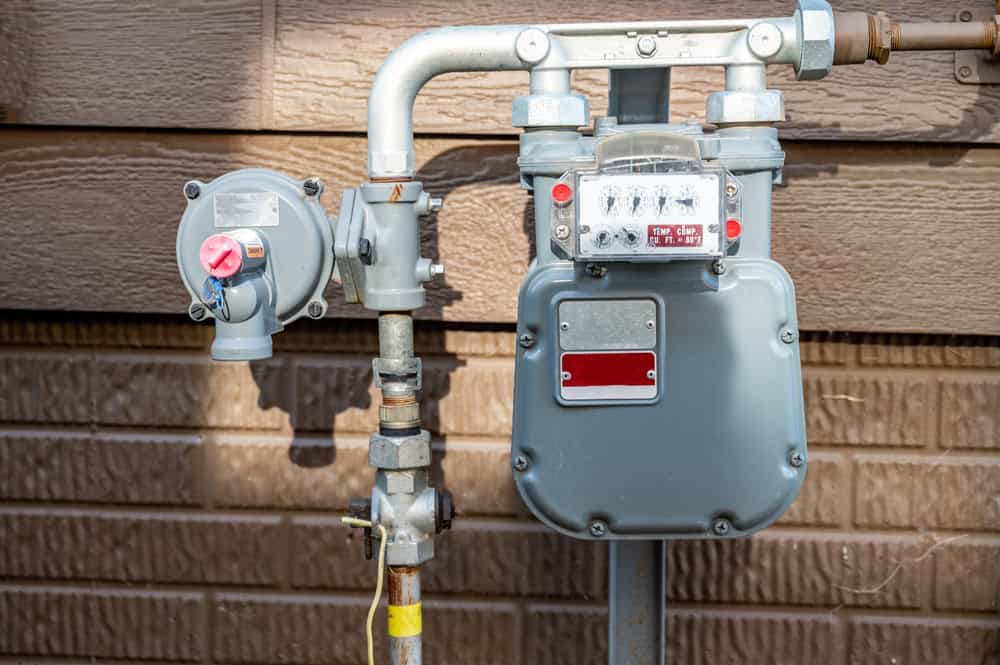
The first thing to understand is that you cannot restore the gas yourself. Once National Grid locks the meter — whether it was triggered by a detected leak, a DOB order, or a failed inspection — only the utility can reopen it, and only after a Licensed Master Plumber has completed the required repairs and the work has passed a DOB pressure test. Tampering with a locked meter is illegal and genuinely dangerous.
Your next step is to contact a Licensed Master Plumber who holds a Gas Work Qualification. Under NYC Local Law 150 of 2016, that specific credential is required to legally perform gas restoration work — not just any licensed plumber can do it. Once you have the right plumber, they file an Emergency Work Notification with the NYC DOB, which is the legal authorization to begin repair work. From there, the repair is completed, the pressure test is scheduled, and National Grid coordinates the final reconnection. In Staten Island, National Grid’s stated timeline for reconnection — once everything is approved — is one to two days, not to exceed five business days.
For a single-family home in Silver Lake where the repair is straightforward, the realistic timeline from first call to restored gas can be a week or two — assuming the plumber files the Emergency Work Notification promptly, completes the repair correctly, and passes the DOB pressure test on the first attempt. For multi-family buildings in Silver Lake, the timeline can be longer because the scope is larger: shared risers, multiple units, and building-wide pressure testing all add steps.
The biggest variable isn’t the repair itself — it’s how efficiently the plumber manages the regulatory process. A plumber who misfires the EWN, fails the pressure test, or doesn’t coordinate properly with National Grid can turn a two-week restoration into a two-month ordeal. Silver Lake’s apartment buildings along Clove Road and Victory Boulevard have seen exactly this kind of situation play out in neighboring Staten Island communities. The right plumber — one with documented experience in multi-unit gas restoration and a track record of passing pressure tests the first time — makes an enormous difference in how long your tenants or neighbors go without heat and hot water.
No — and this is one of the most important things to verify before you hire anyone. Since January 1, 2020, under NYC Local Law 150 of 2016, all gas work in New York City must be performed by a Licensed Master Plumber who also holds a Gas Work Qualification. That’s a separate, additional credential — not every LMP has it. If a plumber doesn’t hold both, they cannot legally perform gas restoration work, file the required DOB permits, or conduct the pressure test. Hiring someone without this qualification means the work cannot be inspected and approved, which means National Grid won’t restore your service.
You can verify any plumber’s LMP status and Gas Work Qualification directly on the NYC DOB website. We hold LMP #1169 — look it up. In a neighborhood like Silver Lake, where homes range from century-old Victorians to large co-op buildings with complex shared systems, you need a plumber whose credentials are current and verifiable, not someone whose paperwork you have to take on faith.
An Emergency Work Notification — commonly called an EWN — is a filing submitted to the NYC Department of Buildings’ LAA Unit that authorizes a Licensed Master Plumber to begin emergency repair work on a gas system. If your gas has been shut off due to a leak, a DOB violation, or a failed Local Law 152 inspection, an EWN is typically required before any repair work can legally start. It’s filed by email to the DOB’s LAA Unit, and it has to be complete and accurate — an incomplete or incorrect filing delays the entire process.
For Silver Lake homeowners and building managers, this step matters more than most people realize. It’s not just paperwork — it’s the legal gateway to everything that follows: the repair, the pressure test, the DOB inspection, and ultimately National Grid’s reconnection. Plumbers who aren’t familiar with the EWN process, or who treat it as an afterthought, routinely cause delays that extend gas outages by weeks. We handle EWN filing as a standard part of every gas restoration — it’s not an add-on or something you have to manage separately.
Local Law 152 of 2016 requires most NYC buildings — everything except single and two-family R-3 dwellings — to undergo periodic gas piping inspections on a four-year cycle. The inspection must be performed by a Licensed Master Plumber with a Gas Operator Qualification. If a building fails the inspection, or if the building owner fails to file the required documentation on time, the NYC Department of Buildings can initiate a gas shutoff order.
Silver Lake has a significant concentration of multi-family buildings — the apartment complexes along Clove Road and Victory Boulevard, and the many two-to-four unit Victorian conversions throughout the neighborhood — that all fall under this requirement. If your building’s gas was shut down by the DOB rather than by National Grid directly, a Local Law 152 compliance failure may be the reason. We handle both sides: the restoration work to get your gas back on, and the compliance inspection and filing to make sure the building stays in good standing going forward. Non-compliance carries penalties of up to $10,000, so staying current on the inspection cycle is worth taking seriously.
The DOB pressure test is a hard regulatory requirement — there’s no workaround. Once repairs are complete, the gas piping system has to hold pressure within the parameters the DOB sets, and an inspector verifies it. If the system fails, the inspection process resets and the timeline extends. This is exactly where inexperienced or underqualified contractors cause real damage: a plumber who doesn’t know what inspectors look for, or who cuts corners on the repair itself, fails the test and adds weeks to the outage — plus additional costs for re-work.
The way to protect yourself is to hire a plumber with a documented track record of gas restoration work in New York City’s regulatory environment. We’ve been doing this since 1983 — 40-plus years of navigating the DOB, the pressure test requirements, and National Grid’s inspection and reconnection process on Staten Island specifically. For Silver Lake’s older homes, where century-old pipe and outdated fittings are common, knowing what the system needs to pass — not just what it needs to be repaired — is the difference between a clean first-attempt approval and a drawn-out process that keeps your household without gas far longer than necessary.
Other Services we provide in Silver Lake