
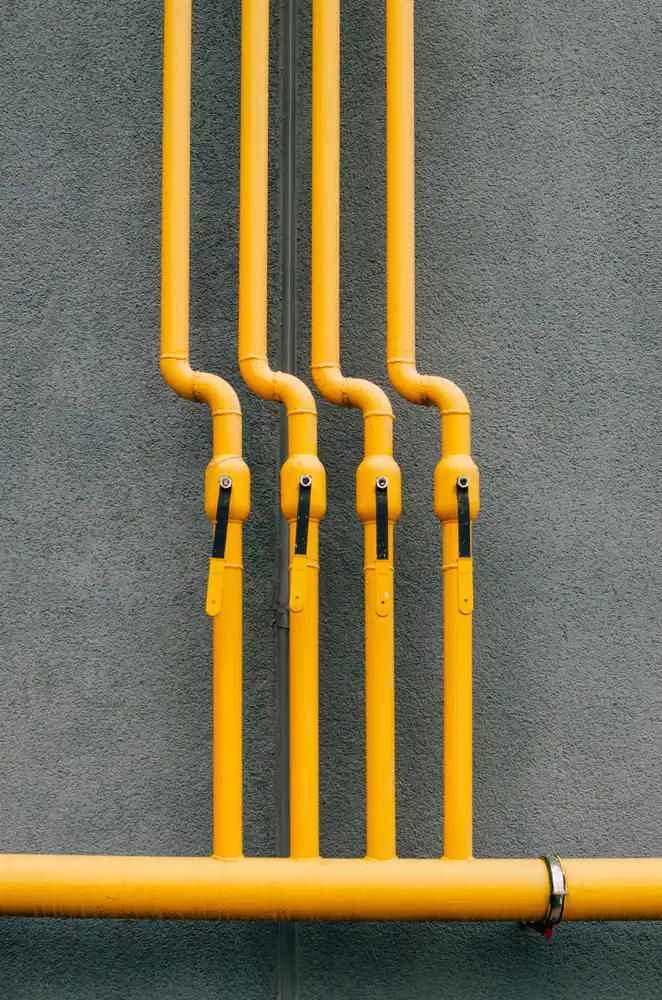
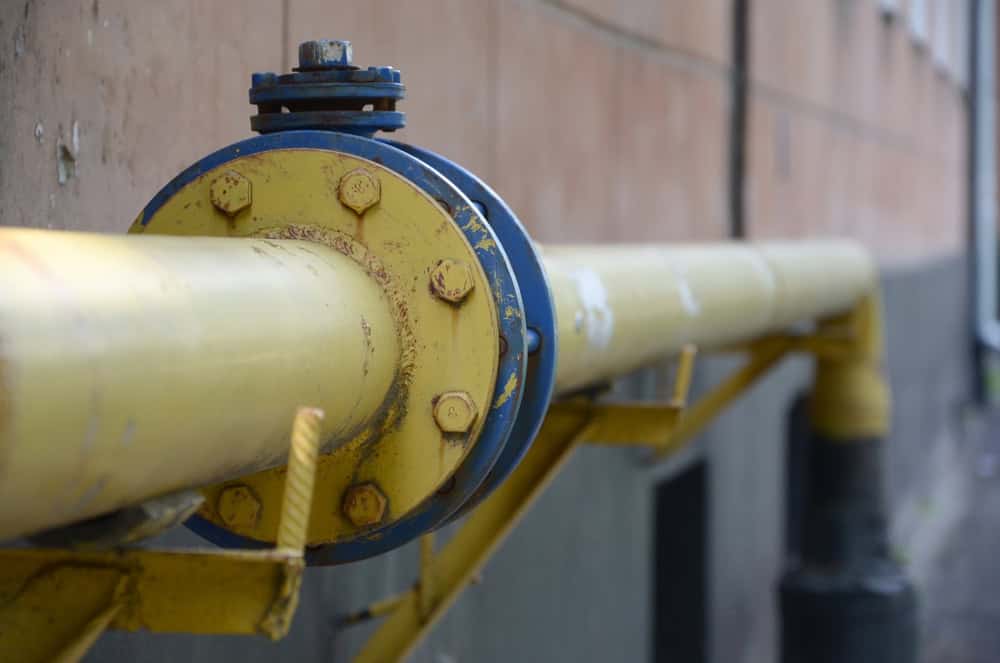
A gas shutoff in Travis isn’t just an inconvenience — it’s a full disruption. No heat, no hot water, no cooking. Travis sits at the western terminus of Victory Boulevard, surrounded by the Arthur Kill waterfront and the open marshland of Fresh Kills. Winter here cuts harder than it does in more sheltered parts of the island. Running space heaters in a drafty older home while waiting on a contractor who doesn’t know the area isn’t a solution. It’s a problem waiting to get worse.
When the process is handled correctly, National Grid’s stated restoration timeline is one to two days — not exceeding five business days — once all the work is complete and approved. That timeline only holds when the plumber files the right paperwork, passes the DOB pressure test on the first try, and coordinates the utility-side steps without fumbling. The difference between a competent contractor and the wrong one isn’t just money. It’s the difference between restoration in days and a winter month without gas.
Travis also has a mix of housing stock that matters here — homes dating back to the early twentieth century standing alongside newer construction. Older homes are more likely to have aging gas piping and outdated equipment that triggered the shutoff in the first place. Getting the gas back on means fixing the underlying issue properly, not patching it well enough to pass and hoping for the best.
We’ve been doing this work since 1983. Bobby and Rob Jr. are the ones who answer the phone, and we’re the ones who show up. Every job is performed by a Licensed Master Plumber — LMP #1169 — not handed off to an unlicensed crew while the owner stays in the office. That’s not a selling point we invented. It’s just how we’ve always operated.
All of Staten Island runs on National Grid for natural gas — Travis included. Forty years of working on Staten Island means forty years inside National Grid’s specific restoration process: the documentation, the coordination, the utility-side steps that inexperienced contractors consistently get wrong and then blame on the timeline. We’ve seen every version of this, from the West Shore to the North Shore, and we know how to keep the process moving.
Travis is a neighborhood with deep roots — the kind of community where people remember who showed up and who didn’t. We hold FDNY Certificates of Fitness #89078745 and #88089263 alongside our LMP license, meaning our credentials go well beyond the basics. When the job is done, it’s done right, documented, and built to pass inspection without a return visit.
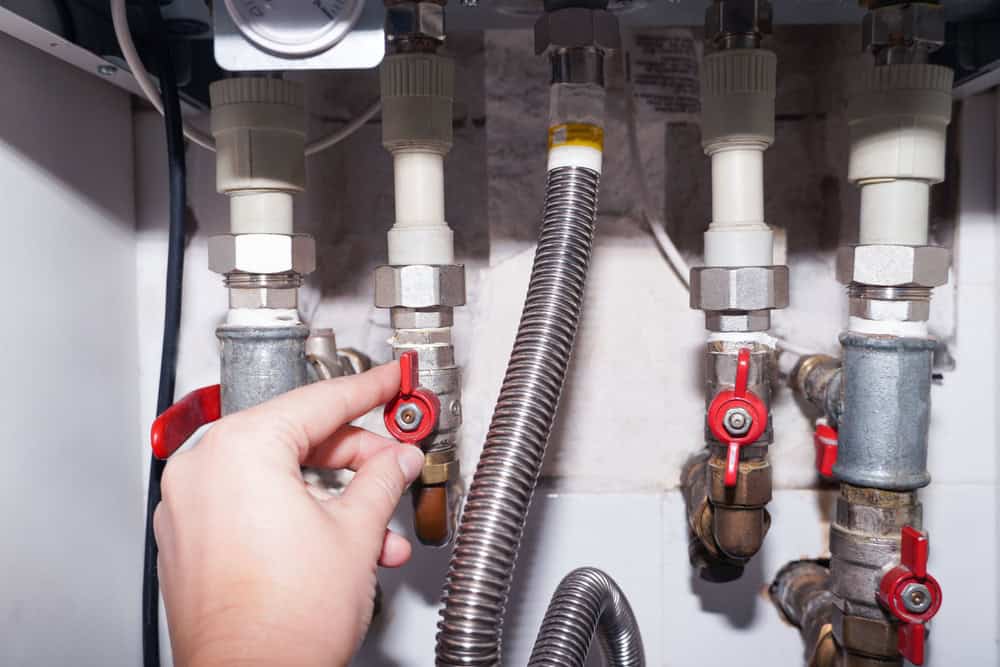
When National Grid locks your meter in Travis, the first thing that has to happen is an Emergency Work Notification filed with the NYC Department of Buildings. This is the legal gateway to beginning repair work — and it has to be filed by a Licensed Master Plumber with a Gas Work Qualification. Without that filing, nothing else moves. We handle this immediately, not after a few days of back-and-forth.
Once the EWN is in place, the repair work begins. That means assessing the full scope of what triggered the shutoff — whether it’s a corroded section of pipe, a faulty valve, or something that was flagged during a routine National Grid inspection — and completing the repair to DOB standards. After the repair, a pressure test is required before the DOB will schedule its final inspection. This is a hard gate. A failed pressure test means starting the inspection process over, which is exactly how a two-week restoration turns into two months. Our work passes on the first try.
After the DOB inspection clears, National Grid is coordinated for the meter unlock and service restoration. For Travis homeowners, that means dealing with National Grid’s Staten Island infrastructure — a system we know well. Once National Grid signs off, your gas is back on and every appliance is safely re-lit and confirmed operational. You don’t have to follow up with the utility yourself or wonder what’s happening next. That coordination is part of the job.
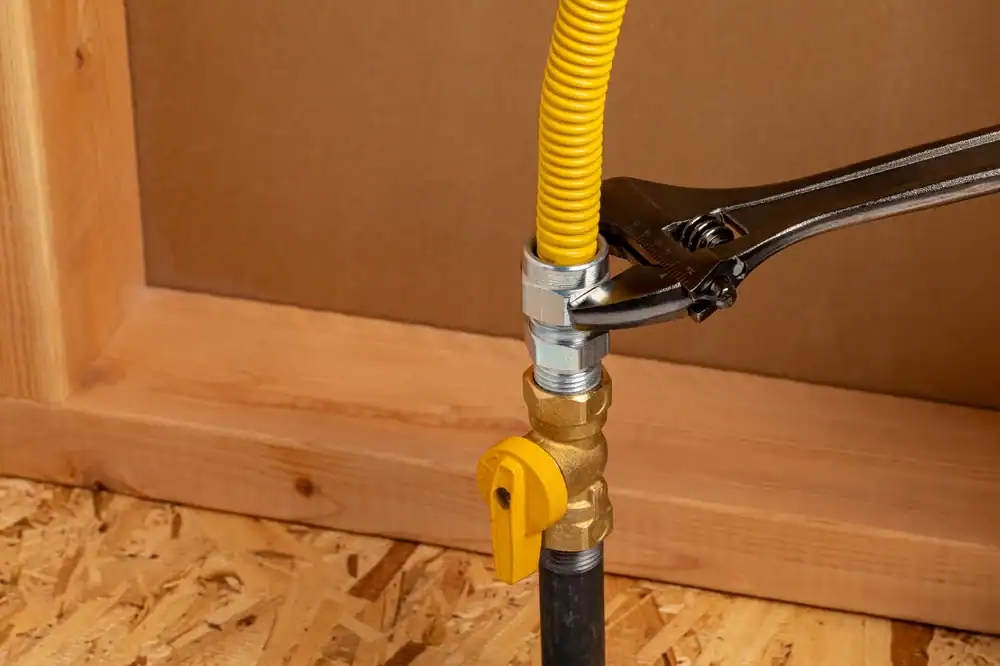
Ready to get started?
Gas shut down restoration in Travis involves more moving parts than most homeowners expect when they first get the call from National Grid. It’s not just a repair. It’s an Emergency Work Notification, a DOB permit, a pressure test, a DOB inspection, utility coordination, and a final walkthrough to confirm every gas appliance in the home is operating safely. All of that falls under one Licensed Master Plumber — LMP #1169 — and we handle it all from start to finish.
Travis falls under NYC’s full regulatory framework, which means Local Law 150 of 2016 applies here: all gas work must be performed by an LMP holding a Gas Work Qualification. Not every contractor on Staten Island has that qualification. It’s verifiable on the NYC DOB website, and it matters. Non-compliance with NYC gas regulations carries penalties of up to $10,000 — and hiring a contractor who isn’t properly credentialed doesn’t just risk the fine, it risks a failed inspection that extends the outage even further.
For homeowners near the Freshkills Park corridor or along Victory Boulevard with older homes that haven’t had their gas systems professionally assessed in years, this service also includes an honest evaluation of what’s there. If there’s aging infrastructure that’s likely to cause another issue down the road, you’ll know about it before it becomes another shutoff. Pricing is laid out clearly before work begins — detailed cost breakdown, no surprise invoice at the end.
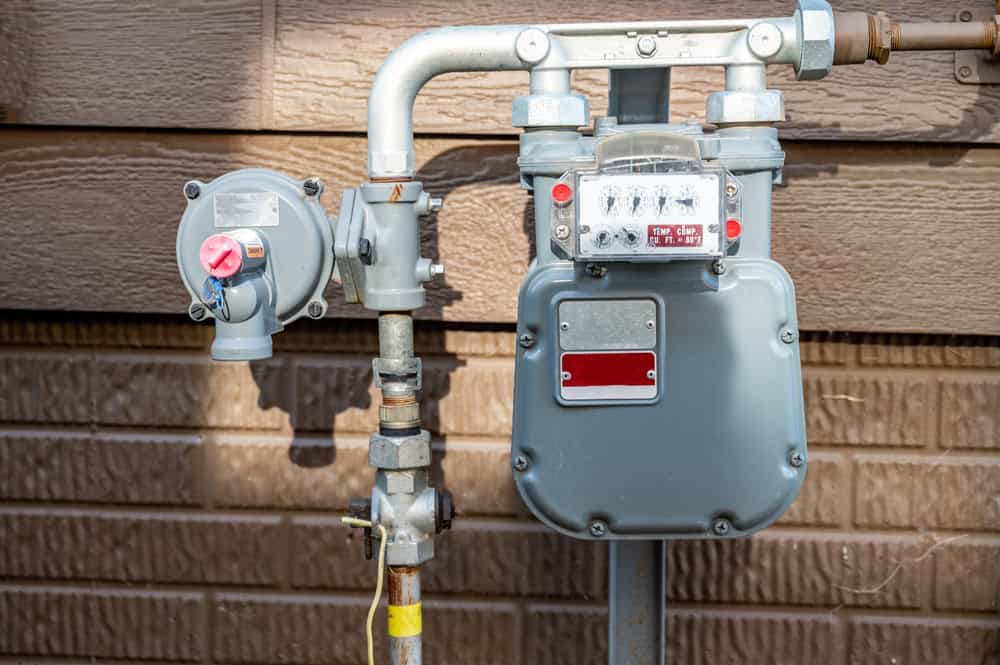
The moment National Grid locks your meter, the clock starts — and the first step is contacting a Licensed Master Plumber with a Gas Work Qualification. Under NYC Local Law 150 of 2016, which took effect January 1, 2020, only an LMP with that specific qualification can legally perform gas restoration work. Not every plumber on Staten Island holds it, so that’s the first thing to verify before you hire anyone.
From there, an Emergency Work Notification needs to be filed with the NYC Department of Buildings. This is not optional — it’s the legal authorization to begin repair work, and it has to be filed before anything else happens. We handle that filing immediately upon taking your call. The sooner that notification is in, the sooner the repair can begin and the sooner National Grid can be brought back in to restore service. In Travis, where National Grid is the sole gas utility, every step of this process runs through their specific coordination requirements — and knowing those requirements is what keeps the timeline from dragging.
National Grid’s official position is that once all repair work is complete and approved, restoration takes one to two days — and no more than five business days. That’s the best-case timeline, and it’s achievable. But it only holds when the plumber handles the DOB paperwork correctly, passes the pressure test on the first attempt, and coordinates with National Grid without delays on the contractor side.
Where restorations go sideways is when the plumber misfires on the Emergency Work Notification, fails the DOB pressure test, or doesn’t know how to move the utility-side coordination forward. Any one of those missteps resets the clock. For Travis homeowners — especially those in older homes along Victory Boulevard or near the West Shore where the cold hits harder — that difference between two weeks and two months without gas is not abstract. It’s space heaters running around the clock and eating out every night. Our track record on Staten Island is built around first-time-right work. The pressure test passes. The paperwork is filed correctly. The restoration moves on National Grid’s timeline, not a delayed one.
No — and this is one of the most common and costly misunderstandings homeowners run into. Since January 1, 2020, NYC law requires that all gas work be performed by a Licensed Master Plumber who also holds a Gas Work Qualification. A standard plumbing license alone isn’t enough. The Gas Work Qualification is a separate credential issued by the NYC Department of Buildings, and not every LMP on Staten Island has completed the process to obtain it.
If you hire a contractor who doesn’t hold the Gas Work Qualification, the work cannot be legally filed with the DOB, the pressure test cannot be officially submitted, and National Grid will not restore service based on that contractor’s paperwork. You’d be starting over — with the right contractor — after already paying for work that couldn’t be completed. We hold LMP #1169 with Gas Work Qualification. That credential is publicly verifiable on the NYC DOB website. Before you hire anyone for gas restoration work in Travis or anywhere else on Staten Island, look up their license status and confirm the Gas Work Qualification is active.
After your gas line is repaired, the NYC Department of Buildings requires a pressure test before it will schedule a final inspection. The pressure test verifies that the repaired piping is sealed, holds pressure correctly, and is safe to restore to service. It’s not a formality — it’s a hard regulatory gate. If the test fails, the inspection process has to start over, which adds significant time to an already urgent situation.
For Travis homeowners, this step matters more than it might seem on the surface. Many homes in Travis have older gas piping — some dating back decades — and a repair that addresses only the immediate issue without accounting for the condition of surrounding pipe can fail the pressure test because of a weakness that wasn’t the original problem. A thorough repair, done by an LMP who understands what the DOB inspector is looking for, passes on the first attempt. We’ve been navigating NYC DOB inspections for over forty years. The pressure test is not where the process stalls when we’re doing the work.
Not necessarily — but it’s worth understanding the connection. Local Law 152 requires periodic gas piping inspections for most buildings in New York City on a four-year cycle, organized by community district. Travis falls within Staten Island Community Board 2. If your building is due for a Local Law 152 inspection and hasn’t had one, a gas shutoff triggered by a leak or aging infrastructure could surface compliance issues that need to be addressed as part of the restoration process.
The more important point is this: Local Law 152 inspections are designed to catch exactly the kind of issues that lead to gas shutoffs — aging piping, improper connections, deteriorating fittings. If your home in Travis hasn’t been through a formal gas piping inspection recently, and especially if you’re in an older home near the Victory Boulevard corridor or the West Shore, getting that inspection done proactively is worth considering. Failing an inspection or missing the compliance window can trigger a DOB violation and, in some cases, a gas shutoff. We handle both the inspection compliance side and the restoration side, so if both issues are present, they’re addressed together.
Travis is at the western end of Staten Island — bordered by the Arthur Kill, Fresh Kills, and the William T. Davis Wildlife Refuge. There are no plumbing contractors based in Travis itself. When a gas shutoff happens here, you’re dependent on a contractor who knows the West Shore and will actually prioritize the call, not treat it as a long haul from a more central location.
We’re based in Staten Island and have been serving the borough — including the West Shore — for over forty years. All of Staten Island runs on National Grid for natural gas, and forty years of working here means forty years inside National Grid’s specific coordination process for this borough. That’s not the same as a contractor who primarily handles Con Edison work in Brooklyn and occasionally takes a Staten Island job. The familiarity with National Grid’s Staten Island infrastructure, the DOB’s requirements for this borough, and the geography of the West Shore is built into how we operate — not something we’re figuring out on your job.
Other Services we provide in Travis