Summary:
Water doesn’t wait. When a pipe bursts in your Richmond County home at 2 AM or your water heater starts flooding the basement on a Saturday afternoon, you need help immediately. But here’s the problem: the urgency makes you vulnerable. You’re more likely to call the first number you find, skip the questions you should ask, and trust someone you haven’t vetted. That’s exactly when bad decisions get expensive. This guide shows you how to find a licensed, reliable emergency plumber fast, even when you’re under pressure. You’ll know what questions separate professionals from pretenders, how to verify credentials in minutes, and what situations actually require emergency service. Let’s start with understanding when you truly need an emergency plumber versus when it can wait until morning.
When Do You Actually Need an Emergency Plumber?
Not every plumbing problem requires an emergency call. A slow drain or a dripping faucet can wait until business hours. But certain situations demand immediate professional attention because the damage compounds by the minute.
If water is actively flooding your property, that’s an emergency. A burst pipe can release hundreds of gallons within hours, saturating floors, walls, and everything in between. The same goes for sewage backups, which create immediate health hazards beyond just property damage.
No hot water in winter when you have young children or elderly family members isn’t just inconvenient. It’s a safety issue. Gas leaks fall into the same category. If you smell gas or hear hissing near a line or appliance, you need someone there immediately.
What Happens If You Wait Too Long
Water damage doesn’t stay contained. Within the first 24 hours, water saturates drywall, insulation, and wooden structures throughout your property. By 48 hours, mold spores start colonizing damp materials. In Staten Island’s humid climate, especially during summer months, that timeline can accelerate even faster.
The financial impact escalates just as quickly. What starts as a few hundred dollars for a pipe repair becomes thousands once you factor in water extraction, structural drying, mold remediation, and replacing damaged materials. Your homeowner’s insurance might cover sudden pipe bursts, but they expect you to act reasonably to minimize damage.
There’s also the issue of secondary problems. A small leak behind a wall can weaken structural supports, damage electrical systems, and create conditions for pest infestations. The longer water sits, the more systems it affects. In Richmond County’s older homes, particularly those built before 1950, this can mean damage to original plaster, hardwood floors, and structural elements that are expensive or impossible to replace.
Beyond your property, there’s liability. If your plumbing emergency affects neighboring units or properties, you could be responsible for their damages too. In multi-family buildings or attached homes common throughout Staten Island, one unit’s burst pipe becomes everyone’s problem. Quick action protects more than just your own space.
The stress factor shouldn’t be dismissed either. Living with active water damage, no heat in winter, or unusable bathrooms takes a toll. Every hour you wait is another hour your household can’t function normally. When you think “I need an emergency plumber,” trust that instinct. We understand this urgency and prioritize getting your home back to livable condition as quickly as possible.
Situations That Can Wait Until Morning
Understanding what doesn’t require emergency service saves you money and helps emergency plumbers focus on true crises. A dripping faucet is annoying and wastes water, but it won’t flood your home overnight. Turn off the supply valve underneath if it’s bothering you, and schedule regular service in the morning.
Low water pressure throughout your home usually indicates a systemic issue that needs diagnosis, not emergency intervention. Same with a toilet that runs constantly but isn’t overflowing. These problems cost you on your water bill, but they don’t threaten your property in the next few hours.
A clogged drain in one sink or shower is inconvenient, but if other drains work fine, you can manage until business hours. If every drain in your home backs up simultaneously, that’s different. That signals a main line problem requiring immediate attention, especially common in Richmond County’s older sewer systems.
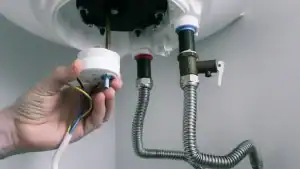
Water heater issues fall into gray areas. If yours stops producing hot water but isn’t leaking, that’s typically a morning call. If water is pooling around the base or you smell gas near a gas water heater, that’s an emergency. The distinction matters because emergency rates are higher, and rightfully so. Plumbers responding at midnight or on holidays deserve compensation for that availability.
Before calling for emergency service, ask yourself: Is this causing active damage right now? Does it create a health or safety hazard? Will waiting 8-12 hours make the problem significantly worse? If you answer no to all three, you probably don’t need emergency service. A reputable plumber will tell you the same thing when you call. If someone insists everything is an emergency, that’s a red flag.
How to Verify a Plumber's License Before They Start Work
In New York City, every plumber working on your property must hold a valid Master Plumber license issued by the NYC Department of Buildings. This isn’t optional or negotiable. It’s the law. Hiring an unlicensed plumber exposes you to fines up to $25,000, leaves you with no recourse if work is done incorrectly, and can void your homeowner’s insurance.
The good news is verification takes less than five minutes. The NYC Department of Buildings maintains an online license verification tool where you can search by the plumber’s name, business name, or license number. You’ll see whether their license is active, when it expires, and if they carry required insurance.
Don’t skip this step just because you’re in a hurry. A legitimate plumber expects you to verify their credentials and will provide their license number without hesitation. If someone refuses, gets defensive, or claims they “don’t have it handy,” that’s your signal to keep looking. Licensed professionals carry their credentials and understand why you’re asking.
Questions to Ask Before Hiring an Emergency Plumber
When you’re calling plumbers at 3 AM with water pooling on your floor, you might feel pressure to hire the first person who answers. Resist that urge. Asking a few key questions now prevents bigger problems later.
Start with licensing. Ask for their NYC Master Plumber license number and verify it immediately using the DOB website. Then ask about insurance. They should carry both general liability insurance and workers’ compensation. If someone gets injured on your property and the plumber doesn’t have workers’ comp, you could be liable for their medical expenses.
Ask about their response time. How quickly can they actually get to your Richmond County location? Some companies advertise 24/7 service but their nearest available plumber is an hour away dealing with another emergency. You need a realistic timeframe, not a marketing promise. Most reliable emergency plumbers in Staten Island can respond within 60 to 90 minutes for true emergencies.
Pricing is where many people get burned. Ask whether they charge flat rates or hourly fees for emergency calls. Find out what the service call fee covers. Does it include diagnosis, or is that separate? What happens if they need to return for parts? Get as much clarity as possible before they arrive. Yes, you’re in an emergency, but that doesn’t mean you can’t ask about costs.
Ask about their experience with your specific issue. If you have a burst pipe, have they handled those before? What about in older homes with galvanized plumbing? Richmond County has plenty of pre-war buildings with unique plumbing challenges. Many homes in neighborhoods like New Dorp, Tottenville, and St. George were built in the early 1900s with plumbing systems that require specialized knowledge. You want someone who understands what they’re walking into.
Find out who will actually show up. Some companies send apprentices or unlicensed helpers to assess the situation, then have you wait for the licensed plumber. That wastes time you don’t have. Confirm that a licensed Master Plumber will be the one responding to your emergency.
Finally, ask about guarantees. What warranty do they offer on emergency repairs? If the same pipe fails again next week, will they return without charging another emergency fee? Reputable plumbers stand behind their work even on emergency calls.
Red Flags That Should Make You Keep Looking
Even in an emergency, certain warning signs should make you pause. If a plumber can’t or won’t provide a license number, that’s the biggest red flag possible. It likely means they’re not licensed, which makes hiring them illegal and puts you at financial risk.
Be wary of prices that seem too good to be true. Emergency plumbing costs more than regular service because you’re paying for immediate availability. If someone quotes significantly less than others, they’re either cutting corners, unlicensed, or planning to add charges once they arrive.
Watch out for plumbers who insist on cash-only payment, especially before completing the work. Legitimate businesses accept multiple payment methods and don’t require full payment upfront for emergency repairs. Cash-only often signals someone operating off the books without proper licensing or insurance.
Pressure tactics are another warning sign. If a plumber creates artificial urgency beyond the actual emergency, insists you need extensive additional work immediately, or won’t let you get a second opinion on major repairs, they’re not operating in your best interest. Yes, you have an emergency. But that doesn’t mean every recommendation they make is equally urgent.
Vague estimates or refusal to explain charges clearly should concern you. Even in emergencies, professional plumbers can give you a reasonable estimate after assessing the situation. If they’re evasive about costs or say they’ll “figure it out later,” you’re likely facing surprise charges.
Pay attention to how they communicate. Do they answer your questions directly? Do they explain what they’re doing and why? Or do they brush off your concerns and act annoyed that you’re asking? Emergency situations are stressful, but professionals maintain clear communication even under pressure.
If someone shows up without proper tools or seems unfamiliar with NYC plumbing codes, that’s concerning. A licensed Master Plumber working in Richmond County should know Local Law requirements, understand how Staten Island’s infrastructure differs from other boroughs, and arrive equipped to handle common emergency scenarios.
Finally, trust your instincts. If something feels off about the interaction, if the plumber seems unprepared or unfamiliar with NYC requirements, or if they can’t show you proper identification and licensing, it’s okay to send them away and call someone else. The few extra minutes finding the right plumber will save you from much bigger problems down the road.
Finding the Right Emergency Plumber Protects More Than Just Your Pipes
Plumbing emergencies test your decision-making under pressure, but the stakes are too high to skip due diligence. Hiring an unlicensed plumber might save you money in the moment, but it exposes you to fines, liability, and work that might fail when you need it most. Taking five minutes to verify licensing and ask the right questions protects your property, your finances, and your peace of mind.
The best time to find a reliable emergency plumber is before you need one. Research local options now, verify their credentials, and save their contact information. When an emergency hits, you’ll already know who to call. But if you’re reading this with water on your floor, you now know exactly what to look for and what questions separate legitimate professionals from those you should avoid.
For Richmond County residents facing plumbing emergencies, we’ve served Manhattan and Staten Island since 1983 with Licensed Master Plumber credentials and over 40 years of experience handling everything from burst pipes to complex system failures.