
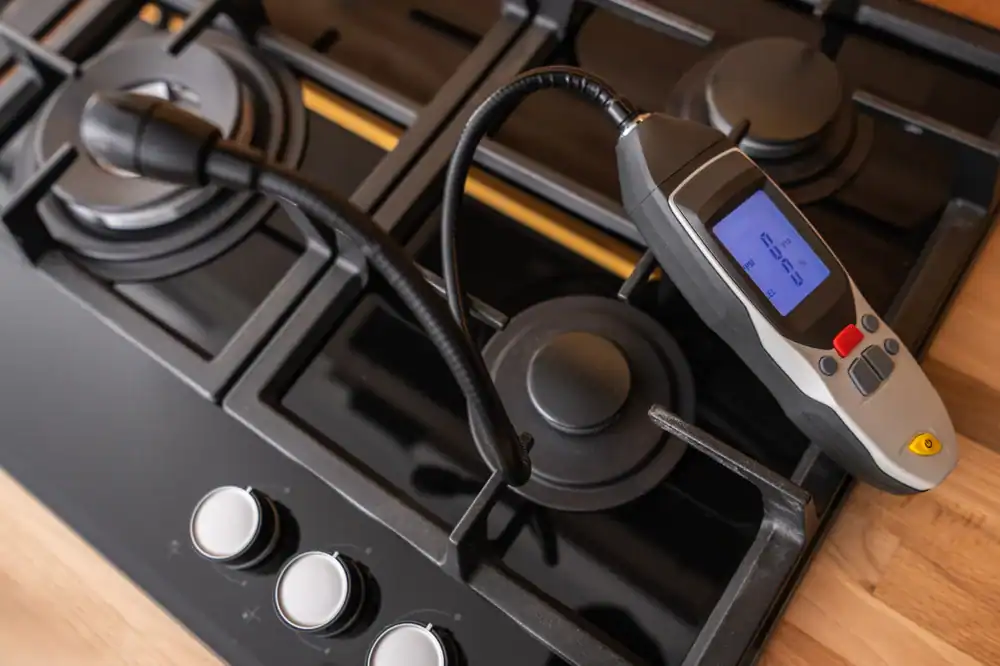

The annual test is the obligation everyone knows about: every twelve months, by a New York State certified tester, from installation onwards.
The other date is the one nobody has. The Department’s own handbook recommends that backflow assemblies are rebuilt or overhauled roughly every five years after installation. That is guidance rather than a filing deadline, which is exactly why it gets skipped.
Near the water those five years matter more than they would inland. The assembly is mechanical, the check valves are the working parts, and a damp or periodically flooded basement is a hard environment for anything with springs and seats in it. So is salt in the air for anything exposed.
The practical result is a device that keeps scraping through its annual test until it does not, usually at an inconvenient moment. An overhaul is planned work. A failure is not, and until it is corrected and retested your position is a device the city does not consider compliant.
RB Mechanical Plumbing and Heating is third generation and owner operated, licensed master plumbers working in New York City since 1983. We are across the Verrazzano on Staten Island’s south shore, which puts Bath Beach a few minutes away.
Most buildings here are small and owner occupied. There is no managing agent keeping a compliance calendar, which is why the annual backflow test is one of the items that slips most often, and the five year overhaul essentially never happens.
So when we test a device here, we tell you both things: whether it passed, and what condition it is actually in. Those are not the same answer, and only one of them is on the form.
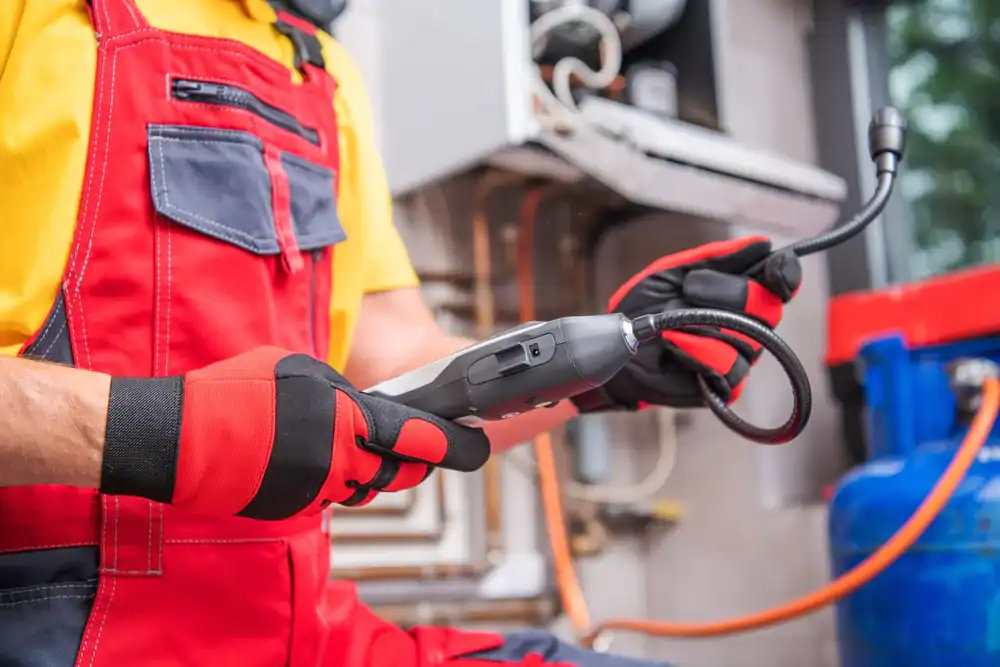
The test confirms both check valves are drip tight, which is the job the assembly exists to do. Form GEN215B, parts A and B for an annual test, completed by the certified tester and signed by a licensed master plumber. We file with the Department of Environmental Protection.
While we are there we look at the device itself: corrosion on the body and fittings, the condition of the relief port on a reduced pressure zone assembly, and whether it has ever been submerged. A device that has been underwater is a different conversation from one that has simply got damp.
We also check the isolation valves either side. Valves that have been wet corrode and seize, and a seized isolation valve turns a straightforward overhaul into a much bigger job.
If repair or overhaul is needed, that is licensed master plumber work and we carry it out, then retest. Installation, relocation or replacement needs a plumbing permit beforehand.

Ready to get started?
Whether the device was submerged, and how deep. A device that has been underwater should be looked at properly rather than left to the next annual test.
The isolation valves either side of it. Seized valves are common after flooding and they are a problem on the day you need to isolate the assembly.
Corrosion on the body, the fittings and the relief port. Surface rust is one thing; pitting and scaling mean metal has gone.
When it was last overhauled, as distinct from last tested. If the answer is never and it is more than five years old, that is the gap.
And whether it is mounted somewhere sensible. If a device sits low in a basement that floods, relocating it is a conversation worth having, noting that relocation needs a plumbing permit and licensed master plumber work.

Because passing and being in good condition are different things. The annual test confirms the check valves are drip tight on the day. It does not assess how much life is left in the internals.
The Department’s handbook recommends assemblies are rebuilt or overhauled about every five years after installation. In a damp basement that guidance is, if anything, generous.
It might be, and it should be looked at rather than assumed. Submersion is harder on an assembly than ordinary damp, and the isolation valves either side are often the first thing to seize.
A test will tell you whether it currently holds. A proper look tells you whether it is about to stop holding, which is the more useful answer after a flood.
Sometimes, and in a building that floods it is worth asking. There are practical constraints on where an assembly can sit relative to the service entry, so it is not always possible.
If it is, note that relocating or replacing an assembly requires a plumbing permit beforehand and must be carried out by a licensed master plumber. It is a planned job rather than something to do during a clean-up.
Every twelve months, by a New York State certified tester, from installation onwards. The form is completed by the tester and signed by a Licensed Master Plumber.
Repairs and overhauls to the assembly may only be done by a New York City licensed master plumber. Check that any tester’s certification is current, because the roster published on the Department’s own site is years out of date; the New York State Department of Health is the source for a live list.
Failure to perform the annual test can result in fines or disconnection of your water service. We will not quote an amount, because the penalty figures sit in city rules and legislation before the City Council would change them.
For a small owner occupied building the risk is disproportionate to the cost of the test, which is the main argument for just putting the date somewhere you will see it.
Yes. An annual test on one device in a four unit building is a legitimate piece of work, and Bath Beach is a short trip from our Staten Island base.
Small buildings are also where devices go longest without anyone qualified looking at them properly, which is where a visit is worth the most.