
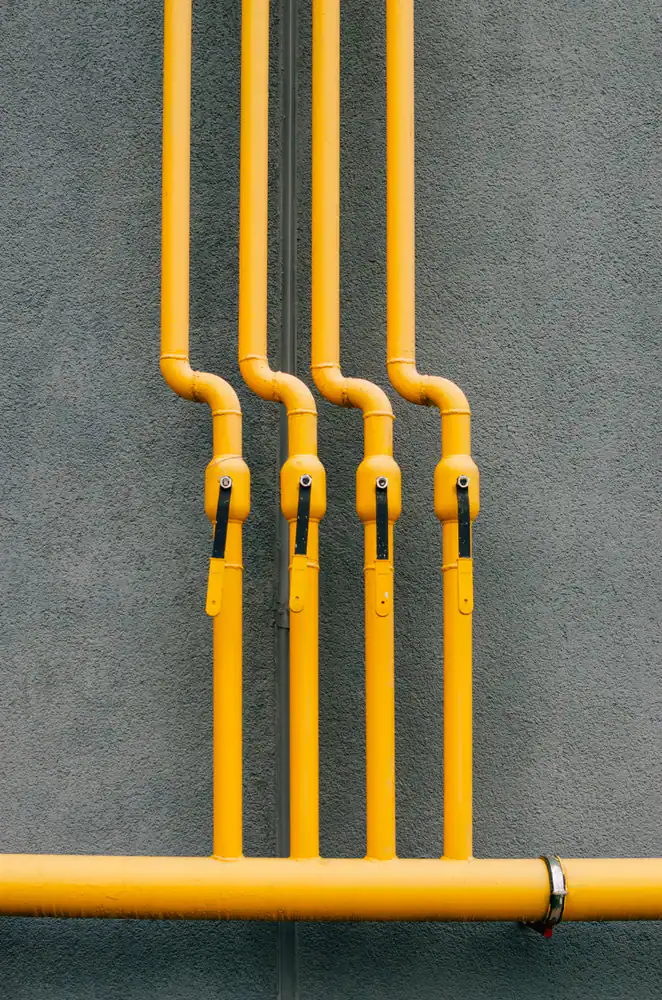
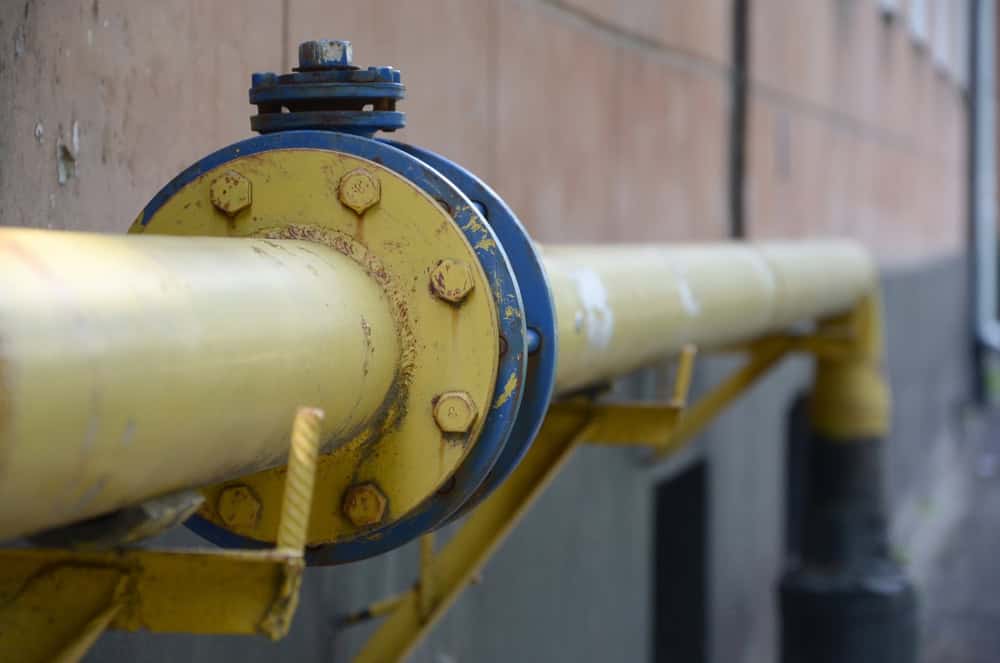
The gas goes off. Either you planned it for work, or the utility or fire department shut it off for safety. If it was the second, that was the right call even though it does not feel like it.
Work gets filed. Everything goes through DOB NOW: Build, because the Department of Buildings no longer accepts paper filings. Repair or replacement of existing equipment commonly runs under a self-permitted Limited Alteration Application.
The work gets done, by a Licensed Master Plumber, because fuel gas piping work in New York City is restricted to LMPs.
Then the part nobody expects: the gas does not come back on a phone call. A Department of Buildings inspection is required to authorize restoration of gas service. We request the Gas Authorization through DOB NOW: Inspections, the Plumbing Unit reviews it, and the utility reconnects on that approval.
That last step is where most of the waiting is. It is also the step a first-time owner has no way of knowing about, which is why we tell you at the start rather than when you ask why it is taking so long.
RB Mechanical Plumbing and Heating is third generation and owner operated, licensed master plumbers working in New York City since 1983. We are across the Verrazzano on Staten Island’s south shore, which puts Bath Beach a few minutes away.
In a large building, a managing agent handles the filings, the chasing and the tenant communication. In a four or six unit building owned by the family living in it, there is no such person, and the owner ends up doing a job they have never done.
So we take that end. We file, we request the authorization, we follow the review. Not because it is unusual service, but because the alternative is an owner with a day job learning DOB NOW while their tenants have no hot water.
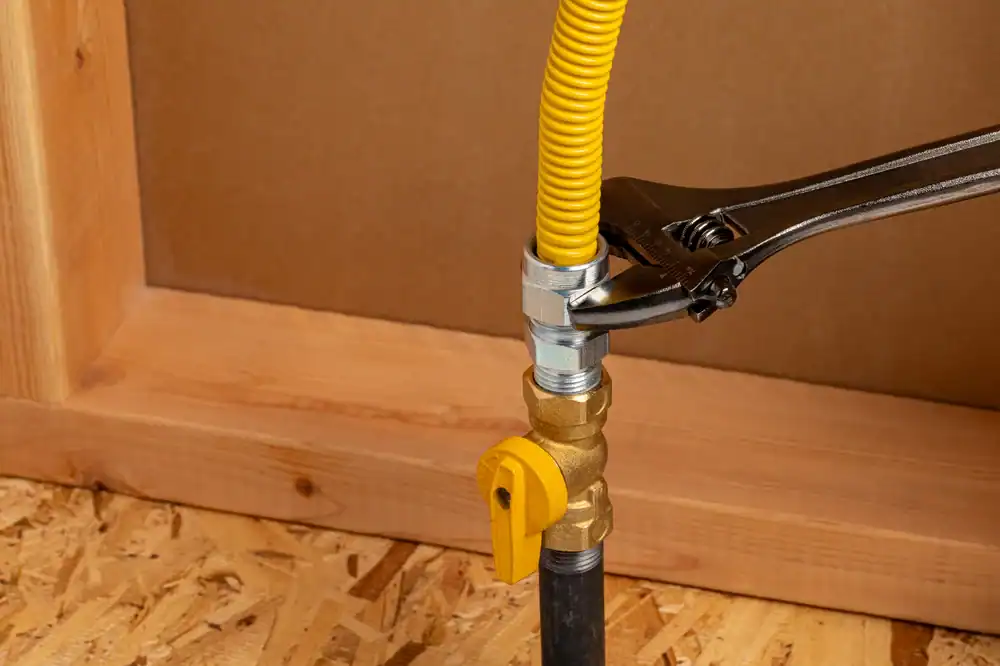
On planned work we pressure test and walk the exposed piping first. On a building where nobody can remember the system ever being tested, that is what prevents a surprise at the restoration inspection.
Near the water that look has a specific focus: corrosion at wall penetrations and low sections, and shutoff valves that may have seized after getting damp. A seized valve is a real problem on the day you need to isolate something.
We file before the shutdown where the work is planned, through DOB NOW: Build.
Lines taken out of use get capped properly rather than valved closed. Then the Gas Authorization Request, the Plumbing Unit review, and the utility reconnection on approval.
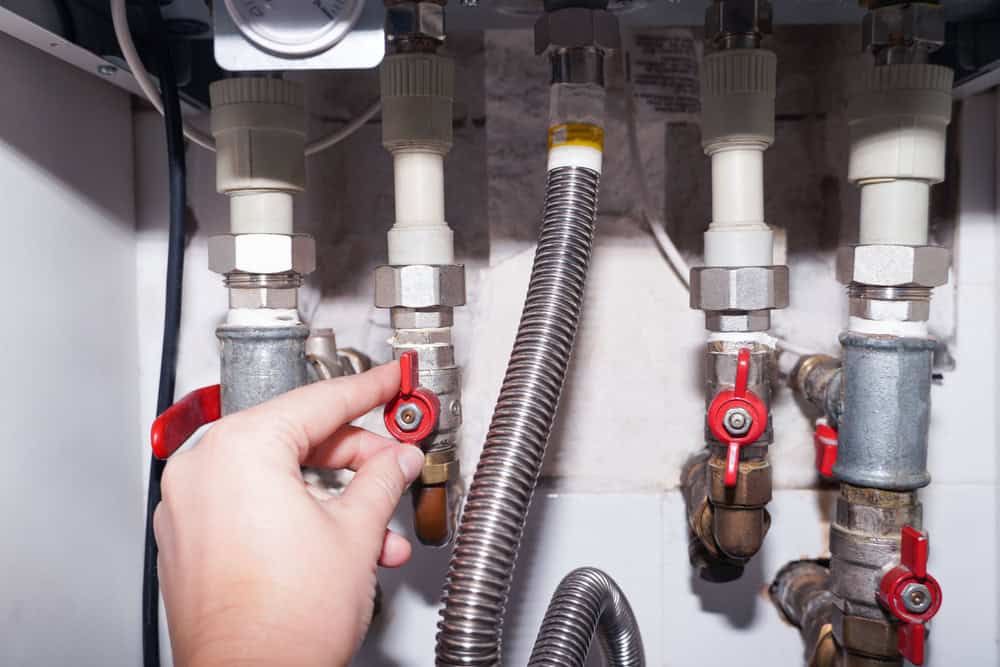
Ready to get started?
Work out what the outage actually covers. If heat, hot water and cooking all run on gas, that is three things going at once, and in an owner occupied building that includes your own household.
Tell any tenants early and realistically. The city publishes guidance for tenants about gas cut-offs, so they will know where to complain. A warned tenant is a much better position than a surprised one.
Choose the season if you can. Spring and early autumn leave room for the restoration to take longer than hoped.
Arrange hot water if the outage might run. It is far easier to organize before than during.
And think about doing other gas work in the same outage. The shutdown is the expensive part, so a second one later costs far more than adding to this one.
Access, a description of the building and its gas appliances, and anything you know about past work, particularly anything that might not have been filed.
That last one is the most valuable thing you can give us. It is not an accusation and it is extremely common. It is just much better handled as something you told us than as something found at the inspection.
Because restoration of gas service has to be authorized by a Department of Buildings inspection. The utility reconnects on that authorization rather than on request.
It feels heavy handed for a small building, and it applies the same way regardless of size. It is also why who does your work matters: the filing and the authorization request have to be done by a Licensed Master Plumber.
Give them a realistic range with an explanation rather than a confident date. We will tell you honestly what the variables are, and the main one is the Department of Buildings review, which is not ours to control.
Tenants handle an honest range far better than a date that slips twice. We would rather help you set the first expectation correctly.
Yes, and it is worth asking for specifically. Shutoff valves that have been damp corrode and seize, which is common in basements near the bay and entirely invisible until you need one.
A seized valve is a small planned fix and a significant unplanned problem. Checking them during work that is happening anyway costs almost nothing.
Not the gas work. Fuel gas piping work in New York City is restricted to a Licensed Master Plumber, including work classed as ordinary maintenance that needs no permit.
And the saving would be false. Unpermitted gas work can bring significant fines and a loss of service, and an open penalty blocks the next permit, which is the permit you need to get your gas back.
Yes. Bath Beach is a short trip from our Staten Island base and on the same gas utility, which is what makes smaller jobs here practical rather than something we would price people out of.
Small buildings also tend to have gone longest without anyone qualified looking at the system, which is exactly where a visit is worth the most.