

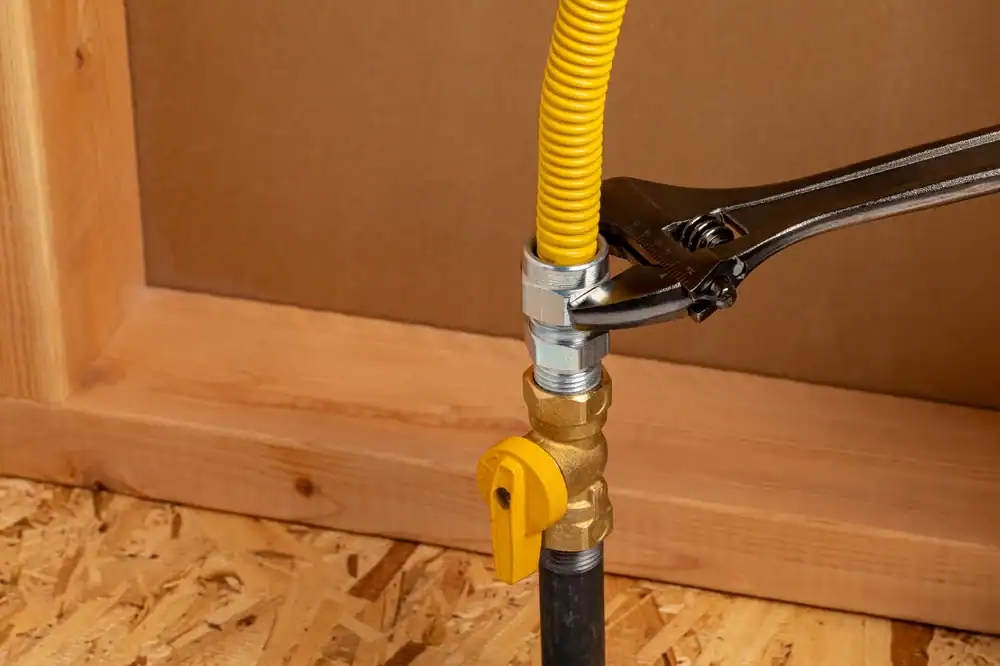
A properly installed gas line isn’t just a code box checked — it’s the difference between an appliance that performs the way it’s supposed to and one that underdelivers because the line feeding it was never sized for the load. For homeowners in Bloomfield’s residential pockets near Victory Boulevard, that matters more than most people realize.
The mid-century homes throughout Bloomfield were built with gas lines sized for the appliances of that era. If you’re upgrading to a professional-grade range or adding a tankless water heater, the existing line may not be able to carry the demand. Getting that assessed before the appliance goes in — not after — saves you real money and real frustration.
For commercial property owners and building managers along South Avenue and the West Shore corridor in Bloomfield, the outcome looks different but the stakes are just as high. A properly documented gas line installation, complete with pressure test records, DOB permits, and GPS-2 certification where required, protects you from Local Law 152 penalties that can reach $10,000. It also gives your insurance carrier, your investors, and the DOB exactly what they need when they ask for it.
When the job is done by a Licensed Master Plumber who handles everything from the permit filing to the final inspection, you’re not left chasing paperwork or wondering if the work will hold up under scrutiny. You get gas on, documentation in hand, and one less thing to manage.
We’ve been doing gas line work in New York City since 1983 — over four decades of navigating DOB permits, Con Edison coordination, and the kind of building stock that makes NYC gas work genuinely complicated. We’ve pulled permits and run lines across Bloomfield and throughout Staten Island since the neighborhood’s commercial corridor was still taking shape.
The Licensed Master Plumber on our staff is on-site for every job — not a name on a license while someone else does the work. That distinction matters in NYC, where the LMP is personally accountable for every installation, every pressure test, and every GPS-2 filing. Bloomfield’s mix of aging residential homes and active commercial properties is exactly the kind of environment where that accountability shows up in the quality of the work.
Customers who’ve worked with us describe the experience the same way: honest assessment, fair pricing, and no surprises after the fact. That reputation took four decades to build, and it’s what shows up on every job in Bloomfield.
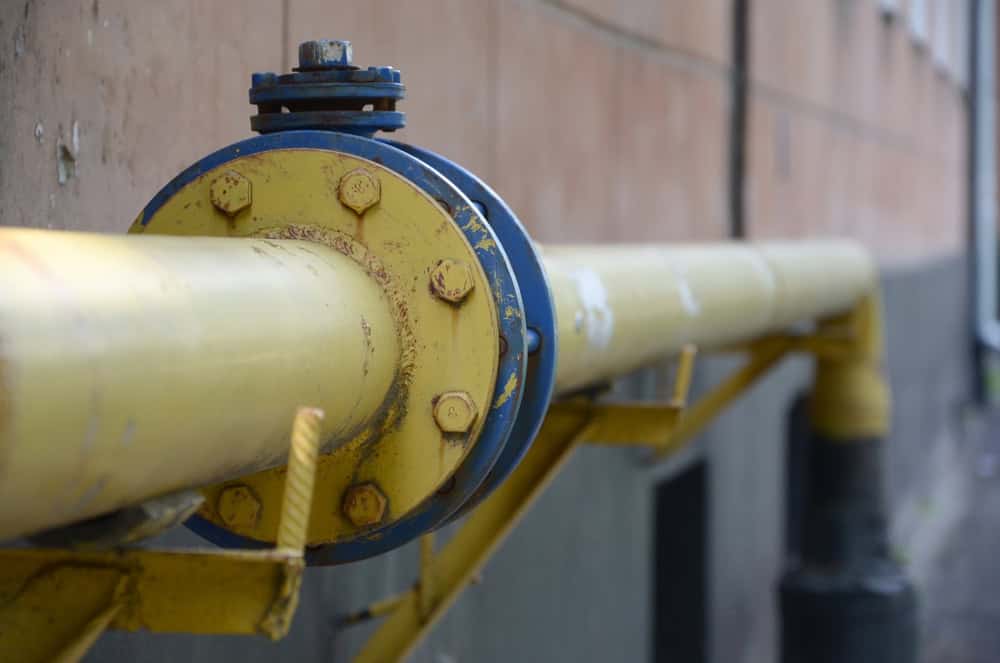
It starts with an honest look at what you actually need. Before any work is recommended, we evaluate your existing gas infrastructure — pipe diameter, line length, total BTU load of all connected appliances — to determine whether a new line is required or whether the existing one can handle the demand. For homes in Bloomfield where the gas lines may be fifty or sixty years old, this step alone can prevent a costly mistake.
Once the scope is confirmed, a DOB permit is filed through DOB NOW — the city’s all-digital permit portal. No paper submissions, no gray areas. The permit covers the installation before a single connection is made. From there, the line is installed using the correct materials for the application, whether that’s black iron pipe for a standard interior run or listed CSST where the layout calls for it.
Every installation is pressure-tested at one and a half times working pressure before gas service is activated — that’s not optional, it’s NYC Fuel Gas Code. After the pressure test passes, we coordinate with Con Edison for any required utility inspection or service authorization. When the job is complete, you receive written documentation: the permit record, pressure test results, and any certification filings. For commercial properties in Bloomfield subject to Local Law 152, that includes the GPS-2 certification filed directly with the DOB. You don’t track down a single form — we handle it.

Ready to get started?
Gas line installation isn’t a single-size service. What’s involved depends on what you’re connecting, where the existing line is, and what the building requires. For a homeowner in Bloomfield adding a gas dryer or upgrading to a high-BTU range, the job typically includes a BTU load calculation, a sizing assessment of the existing line, the new line run with a dedicated shutoff valve at the appliance, a pressure test, and a DOB permit — all documented and delivered when the work is done.
Single appliance hookups in Bloomfield generally run between $500 and $2,000 depending on complexity and pipe run length. For whole-home gas installations or situations where multiple appliances are being added at once — a range, a tankless water heater, a gas dryer — the scope expands to account for the combined BTU demand across the entire system. Those projects typically run between $1,300 and $3,500.
Pricing is provided in a written, itemized estimate before any work starts. No surprises. For commercial building owners and property managers in Bloomfield — the warehouses, office buildings, and mixed-use properties that define this neighborhood — we also handle Local Law 152 inspections, violation remediation, and GPS-2 certification filing. If your building falls outside the one- and two-family home exemption, the four-year inspection cycle applies to you, and the penalty for missing the filing deadline is real. That full compliance service is available as part of any commercial gas line engagement.
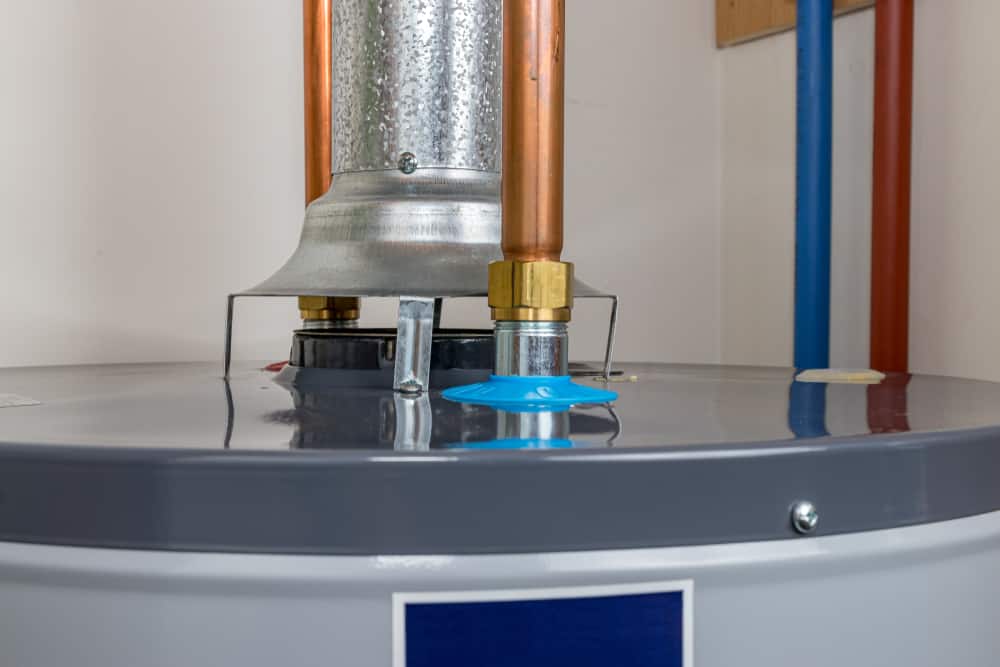
Yes — every gas line installation in Bloomfield requires a permit filed with the NYC Department of Buildings, no exceptions. This applies whether you’re running a new line for a single appliance or doing a larger gas piping project on a commercial property. The permit is filed through DOB NOW, the city’s all-digital portal, and must be filed by a Licensed Master Plumber before any work begins.
Con Edison will not activate gas service to unpermitted work, and your building’s insurance coverage can be compromised if gas work is discovered without a permit on record. We handle the entire permit process — filing, coordination, and documentation — so you’re not navigating the DOB system on your own. When the job is done, you have a permit record in hand.
The short answer is that you can’t know without a proper assessment — and assuming it’s fine is where problems start. Gas line sizing depends on the total BTU demand of every appliance connected to the line, the diameter of the pipe, and the length of the run from the meter to the farthest appliance.
A line that was sized for a standard range and a single boiler in the 1960s may not be able to carry the load of a modern professional-grade range, which can draw 60,000 BTU or more, or a tankless water heater pulling 150,000 to 199,000 BTU. This is a real concern for homes in Bloomfield’s residential areas, where the housing stock is largely mid-20th century construction. The gas infrastructure in these homes was designed for the appliances of that era.
Before any new appliance goes in, we evaluate the existing line — pipe diameter, total connected load, run length — and tell you directly whether it can handle the demand or whether a new or upsized line is needed. That assessment happens before the work is recommended, not after the appliance underperforms.
Local Law 152 requires gas piping inspections every four years for virtually all NYC buildings, with one main exception: one- and two-family homes are exempt. If you own or manage a commercial building, warehouse, mixed-use property, or multi-family building in Bloomfield, the law almost certainly applies to you.
The inspection must be conducted by a Licensed Master Plumber or a Registered Journeyman Plumber under direct LMP supervision, and the results must be filed electronically with the DOB via a GPS-2 certification through DOB NOW. Missing the deadline isn’t a minor issue — penalties reach up to $10,000 per building. Bloomfield’s commercial corridor includes office parks, logistics facilities, and multi-tenant properties along South Avenue and Gulf Avenue, so there’s a significant concentration of buildings in this neighborhood that fall under LL152’s scope.
We provide the full compliance package: the LMP-conducted inspection, any required violation remediation, and the GPS-2 filing. One call handles the entire process.
For a standard single-appliance hookup — a gas range, dryer, or water heater — the installation itself typically takes between four and eight hours on-site. More complex jobs involving longer pipe runs, wall or ceiling penetrations, or whole-home gas system work can take one to three days.
During the installation, gas service to the affected line will be off, but in most residential situations in Bloomfield, the disruption is limited to the appliance or section being worked on rather than the entire home. What adds time is the sequence after installation: the pressure test must pass before gas service is restored, and if Con Edison coordination is required — for new service or upsized capacity — their inspection and authorization adds additional time to the timeline.
We’re upfront about this sequence from the start. You’ll know before work begins what the realistic timeline looks like for your specific project, including any Con Edison steps that are part of the process.
In New York City, the answer is no on both counts. State law requires that all gas line installation, alteration, and repair work be performed by a Licensed Master Plumber registered with the NYC Department of Buildings. This applies everywhere in the five boroughs, including Bloomfield. A general contractor, handyman, or unlicensed tradesperson cannot legally perform this work.
Beyond the legal issue, Con Edison will not activate gas service to any line that wasn’t installed under a valid DOB permit pulled by an LMP. The consequences of unlicensed gas work go further than a failed inspection — it can void your homeowner’s or building insurance coverage, and in the event of a gas incident, liability exposure is significant. Our Licensed Master Plumber is on staff, on-site, and personally accountable for every installation.
Pricing depends on the scope of the work — how much pipe needs to be run, what appliances are being connected, and whether the existing infrastructure needs to be upsized. For a single appliance hookup in Bloomfield, most installations fall between $500 and $2,000. Whole-home gas installations, or projects connecting multiple appliances at once, typically run between $1,300 and $3,500. Per linear foot, gas line installation generally runs $12 to $25 depending on the complexity of the run and the type of pipe required.
For homes in Bloomfield’s residential areas — many of which are mid-century construction with older gas infrastructure — there’s sometimes an additional step involved: assessing whether the existing line can handle the new demand before any new pipe is run. That evaluation is part of how we approach every job, and it’s reflected in the estimate before work begins. Written, itemized pricing is provided upfront. What you see in the estimate is what you pay.
Other Services we provide in Bloomfield