

When the December 31, 2025 deadline passed for Staten Island Community District 2, the conversation for Bloomfield building owners shifted. It’s no longer about getting ahead of something — it’s about resolving something that’s already open. The DOB began issuing formal Notices of Violation to non-compliant buildings starting in January 2026, and those notices don’t go away on their own.
What makes Bloomfield’s situation more pressing than most is the neighborhood itself. Bloomfield sits on low-lying, reclaimed wetland between the Fresh Kills estuary and the Arthur Kill — one of the most moisture-saturated environments on Staten Island. Atmospheric corrosion of iron and steel gas piping is the most common finding in Local Law 152 inspections, and it moves faster in high-humidity, waterfront-adjacent conditions. A building along Gulf Avenue or on the residential fringe near Bulls Head isn’t dealing with the same corrosion environment as a property on a hillside in Todt Hill. The ground your Bloomfield building sits on is working against your gas piping every day.
Getting compliant now means two things: you stop the accumulating exposure from a missed deadline, and you get a clear picture of what your gas infrastructure actually looks like — before the DOB or a utility company forces that conversation on their timeline instead of yours.
We’ve been doing this work in New York City since 1983 — that’s four decades of navigating DOB requirements, enforcement cycles, and the kind of regulatory changes that catch newer operators off guard. When you call us in Bloomfield, you get Bobby and Rob — the licensed master plumbers who own the business and personally perform the work. No subcontractors. No guessing who shows up.
That matters more than it might seem. The GPS1 Gas Piping System Periodic Inspection Report is a legal document, signed and sealed by the Licensed Master Plumber who conducted the inspection. When it’s Bobby or Rob’s name on that report, our professional license is on the line — which means we’re accountable for every finding in a way that a subcontracted crew simply isn’t.
For Bloomfield building owners — whether you’re managing a property in the Matrix logistics corridor off Gulf Avenue or a two-family home on the residential fringe near Travis — you need a plumber who has seen the enforcement process up close and knows exactly how to move through it. We’ve been doing DOB violation removal work long before Local Law 152 existed.
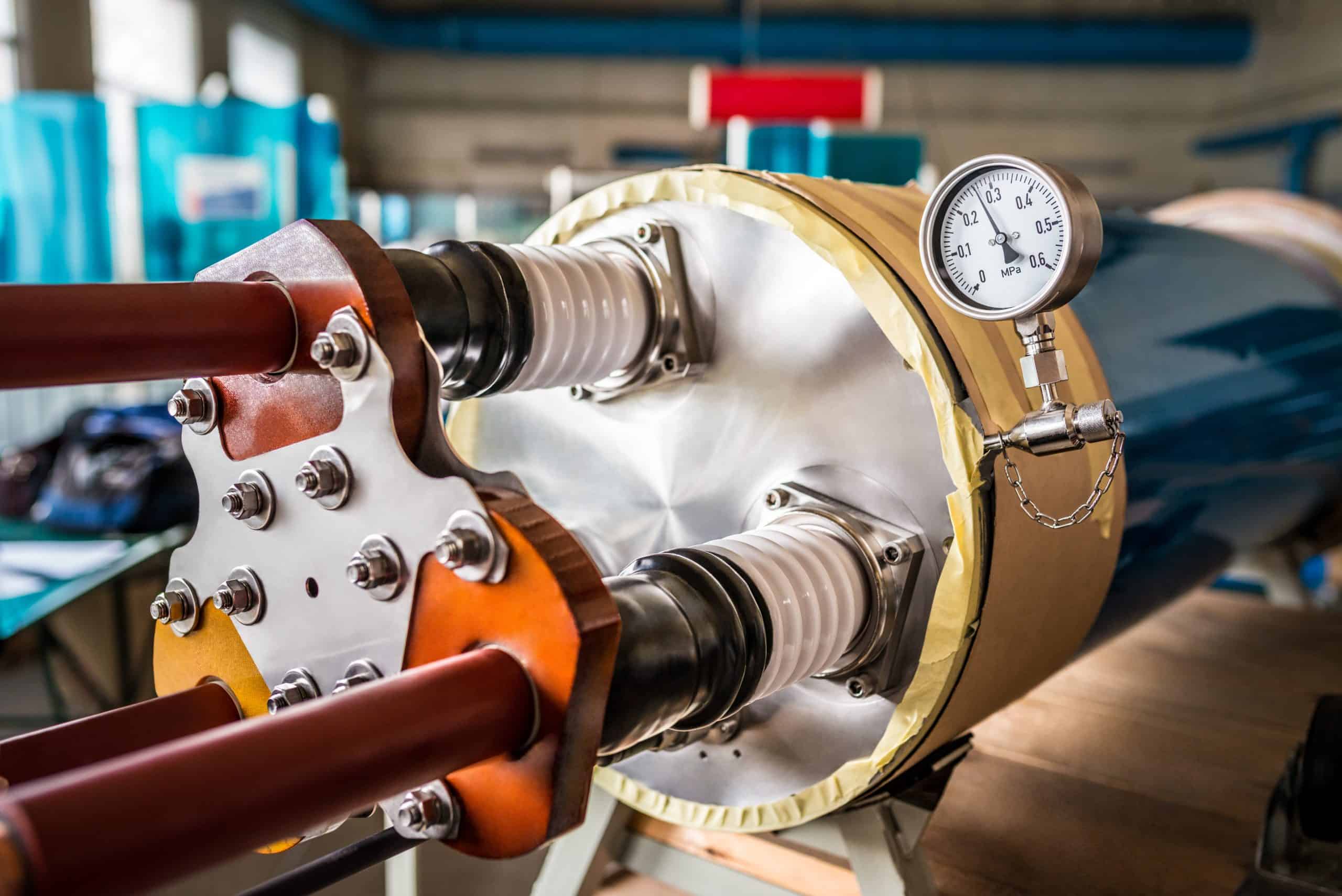
The first step is straightforward: a Licensed Master Plumber conducts a visual inspection of all exposed gas piping in your building’s common areas — boiler rooms, mechanical rooms, hallways, and rooftop runs. This is not an inspection of in-apartment or in-unit piping. It covers the building’s shared gas infrastructure from the point of entry through the common spaces. We use electronic leak detection equipment alongside the visual survey and document any Abnormal Operating Conditions — things like atmospheric corrosion, improper pipe supports, missing shut-off tags, or signs of illegal work.
For Bloomfield’s commercial and industrial building stock, this step is more involved than a standard residential walk-through. A large warehouse or mixed-use building along the West Shore Expressway corridor can have longer pipe runs, multiple gas meters, and mechanical rooms that require coordination with building management. That’s not a complication — it’s just the reality of inspecting buildings at this scale, and it’s work we’re equipped to handle.
After the inspection, you receive the GPS1 report within 30 days. From there, the GPS2 Gas Piping System Periodic Inspection Certification must be filed with the DOB within 60 days — and as of 2026, that filing goes through DOB NOW digitally; no paper submissions are accepted. If deficiencies are found, repairs happen first, followed by an Affirmation of Correction filing before the GPS2 can be submitted. We handle inspection, any needed repairs, and guide the filing process — one engagement, full resolution.

Ready to get started?
When a Bloomfield building owner contacts us after the December 31, 2025 CD2 deadline, the service isn’t a standard compliance inspection — it’s a compliance resolution. That distinction matters. You may already have a Notice of Deficiency or a formal Notice of Violation outstanding. The path forward involves the same inspection process, but it also requires understanding where you stand with the DOB, what documentation is needed to clear existing enforcement actions, and how to file correctly under the 2026 DOB NOW digital-only requirements.
The inspection itself covers all exposed gas piping in common areas and building mechanicals — not tenant spaces. For Bloomfield’s older residential buildings in the 10314 zip code, most of which were built in the 1970s, that means approximately 50-year-old gas infrastructure is being evaluated. Atmospheric corrosion is rated on a scale; Level 3 or Level 4 findings require pipe replacement. Given Bloomfield’s waterfront-adjacent, low-elevation environment, corrosion findings are a realistic possibility — and knowing about them through a scheduled inspection is far better than a ConEd emergency shutoff.
If repairs are needed, we handle them directly. You don’t have to locate a second contractor while a violation is open. The GPS1 report, any required repair documentation, the Affirmation of Correction, and the GPS2 certification filing are all part of a single, managed process. New 2026 filing fees apply — $35 per GPS2 certification submission — and we ensure those filings are completed correctly the first time.
Yes — Bloomfield is in Staten Island Community District 2, and the Cycle 2 Local Law 152 deadline for CD2 was December 31, 2025. That date has passed. If your building has not completed its gas piping inspection and filed the GPS2 certification with the DOB, you are currently non-compliant, and enforcement is no longer theoretical. The DOB began issuing formal Notices of Violation to buildings that missed this deadline starting in January 2026.
The next scheduled deadline for Community District 2 will be December 31, 2029 — but that doesn’t mean you can wait until then. Buildings with outstanding Cycle 2 non-compliance carry that exposure forward, and it doesn’t reset with the next cycle. If you’ve received a Notice of Deficiency or Notice of Violation in Bloomfield, or if you simply haven’t completed the inspection yet, the right move is to act now rather than let the violation sit open.
Local Law 152 inspections cover all exposed gas piping in a building’s common areas — boiler rooms, mechanical rooms, hallways, rooftops, and other shared spaces from the point where gas enters the building. It does not include piping inside individual apartments or tenant spaces. The inspection is a visual survey combined with electronic leak detection, and we document Abnormal Operating Conditions: things like atmospheric corrosion on the pipes, improper supports, missing shut-off tags, illegal connections, or active leaks.
For Bloomfield properties specifically, atmospheric corrosion is worth taking seriously. The neighborhood sits on low-lying, reclaimed wetland adjacent to the Arthur Kill, and the ambient humidity in that environment accelerates the oxidation of iron and steel gas pipes. Corrosion is rated on a scale during the inspection — Level 1 and 2 findings are typically manageable, but Level 3 or Level 4 means the affected pipe section needs to be replaced. Knowing where your Bloomfield building falls on that scale, on your schedule, is a much better position than finding out through a utility emergency.
Only a Licensed Master Plumber — or a Registered Journeyman Plumber working under the direct supervision of an LMP who has completed a DOB-approved 7-hour Periodic Gas Piping Inspector Qualification course — can legally perform a Local Law 152 inspection and sign the GPS1 report. This isn’t a technicality to overlook. The GPS1 is a legal document submitted under the LMP’s professional license. If the person who conducted your inspection wasn’t properly credentialed, the report won’t be accepted by the DOB, and you’ll still be out of compliance.
The DOB specifically encourages building owners to verify a plumber’s license status and disciplinary record before hiring. You can do this on the DOB’s public database — it’s a quick search by name or license number. Our Licensed Master Plumber credentials are verifiable there. For Bloomfield building owners who are already dealing with a missed deadline and a potential violation, hiring someone whose credentials don’t hold up would make a bad situation significantly worse.
Not every deficiency triggers a gas shutoff — that’s an important distinction that a lot of building owners don’t know going in. Deficiencies are classified as either Class 1 or Class 2. Class 1 conditions are immediate hazards — active leaks, severely compromised piping — and those require the gas to be shut off and repaired before service is restored. Class 2 conditions are non-immediate safety risks, meaning gas can remain on while repairs are made within a specified timeframe, typically 120 days.
The key thing to understand is that finding a deficiency during a scheduled Local Law 152 inspection is not the worst outcome. The worst outcome is a utility-initiated emergency shutoff, which happens on ConEd or National Grid’s timeline, with no advance notice to tenants, and requires a full utility restoration process before gas comes back on. For Bloomfield commercial building owners managing tenants in a logistics facility or a multi-family residential building, the disruption from an unplanned shutoff is far more costly than a scheduled repair. If repairs are needed, we handle them directly — you don’t need to find a second contractor while the clock is running.
The GPS2 — formally called the Gas Piping System Periodic Inspection Certification — is the building owner’s legal obligation to file with the NYC DOB. It is separate from the GPS1 report, which is the inspector’s document. Here’s the timeline: after the inspection, the Licensed Master Plumber delivers the GPS1 report to the building owner within 30 days. The building owner then has 60 days from the inspection date to file the GPS2 with the DOB.
As of 2026, all GPS2 filings must go through the DOB NOW digital portal — no paper submissions are accepted. There is also a new $35 filing fee per GPS2 certification submission. If your building had no gas piping and you’re filing to document that fact, the fee is $480 per Building Identification Number. For Bloomfield building owners who are filing after a missed deadline and may also have repairs and an Affirmation of Correction to submit, getting the filing sequence right matters. We guide clients through this process to make sure the paperwork is submitted correctly and in the right order — because a procedural error at the filing stage can extend your non-compliance exposure even after the physical work is done.
Yes — Local Law 152 applies to commercial, industrial, and mixed-use buildings with gas piping, not just residential properties. Bloomfield’s building stock includes large commercial and warehouse facilities along Gulf Avenue and the broader Matrix Global Logistics Park corridor, and those buildings are subject to the same inspection requirements as any apartment building in the five boroughs. The inspection scope — exposed gas piping in common areas, mechanical rooms, and building systems — is the same regardless of building type, though the scale of the inspection for a large commercial facility is significantly more involved than a standard residential walk-through.
For property managers and commercial real estate operators in Bloomfield, the compliance obligation is the same as for individual homeowners, but the stakes around tenant disruption are higher. A gas shutoff in a large warehouse or multi-tenant commercial building affects operations across the board. The practical argument for staying compliant — and for resolving any outstanding non-compliance quickly — is as much about operational continuity as it is about avoiding a $5,000 DOB civil penalty. We have experience with commercial-scale inspections and can coordinate access and documentation for larger buildings without requiring the owner to manage multiple contractors.
Other Services we provide in Bloomfield