
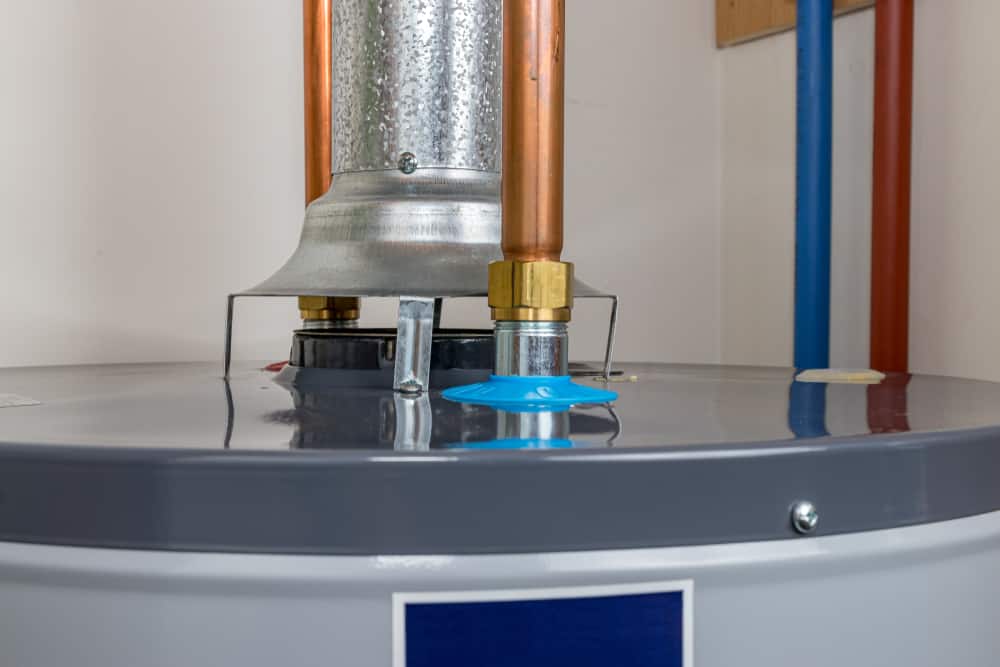
The most immediate thing you notice is that everything just works. Your new range hits full heat. Your water heater performs the way the manufacturer says it should. You’re not dealing with a pilot that won’t stay lit or a burner that sputters because the line feeding it was sized for a 1978 appliance and never touched since.
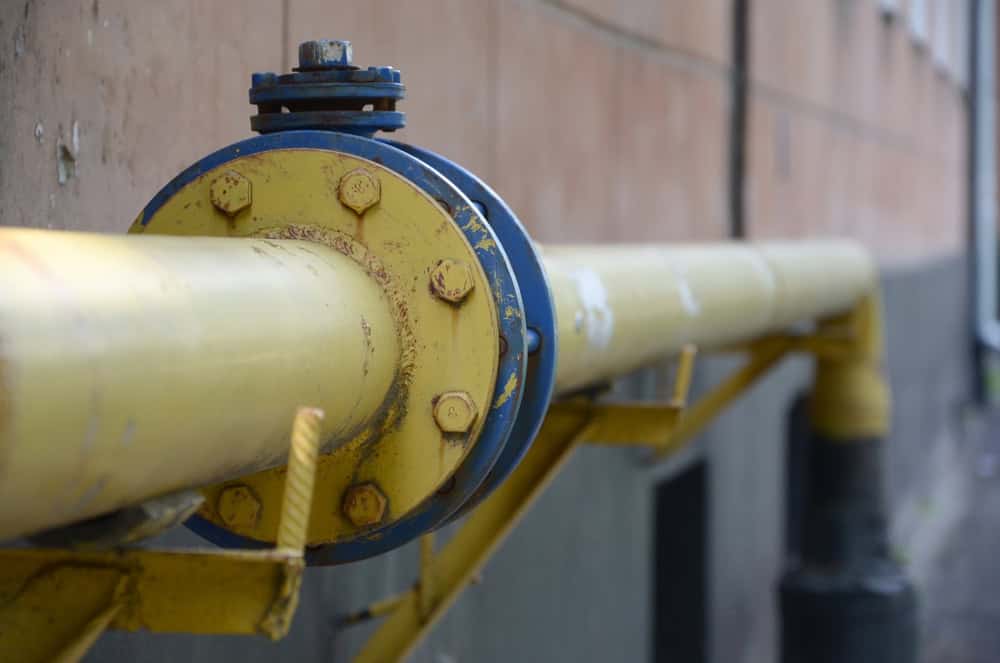
Heartland Village’s housing stock is almost entirely post-1965 construction — the vast majority of homes here were built between the late 1960s and the mid-1980s. That puts original gas infrastructure squarely in the 40 to 55-year range. Black iron pipe corrodes over time. Flexible connectors degrade. Original fittings may no longer meet current NYC Fuel Gas Code standards. A properly installed gas line — sized correctly, pressure-tested, and documented — removes that uncertainty entirely.
For homeowners in condos or townhouses along the Richmond Avenue corridor in Heartland Village, there’s another layer: building management needs documentation. After the job is done, you have written records of the safety testing, the permit, and the LMP certification. That matters for your building’s records, your insurance, and the day you eventually sell.
RB Mechanical Plumbing and Heating has been operating since 1983. That’s more than four decades of gas line work across Manhattan and Staten Island — including the Mid-Island neighborhoods like Heartland Village and New Springville where the housing stock is aging and the infrastructure questions are real.
Every gas line job requires a Licensed Master Plumber. That’s not a preference — it’s New York City law. Our LMP is on staff and on-site, not a name on a license while someone else does the work. They sign the GPS-2 certification and are personally accountable for every installation.
What that means for you practically: permits get filed correctly through DOB NOW, Con Edison coordination happens without you making a single call, and when the job is done, you receive written documentation of everything — safety tests, pressure verification, and the completed permit record. No chasing anyone down afterward.

It starts with an assessment. Before any work is quoted or scheduled, we evaluate your existing gas infrastructure — what’s there, what condition it’s in, and whether it can support what you’re adding. If you’re upgrading to a high-BTU range or a tankless water heater, that means a real BTU load calculation, not a guess. An undersized line causes performance problems and code violations. That step doesn’t get skipped.
Once the scope is clear, a DOB gas piping permit gets filed through DOB NOW — the city’s required digital portal. For Heartland Village homeowners in condo or townhouse buildings, this is also when building management coordination begins. Alteration agreements, building engineer requirements, condo board documentation — we’ve navigated all of it, and we handle it so you don’t have to learn a new bureaucratic process mid-renovation.
Installation follows, with all work performed to NYC Fuel Gas Code. Every joint is pressure-tested at 1.5 times working pressure before gas service is activated. Con Edison authorization is coordinated for any new service or capacity upgrade. When the job is finished, you get the full documentation package — not a handshake and an invoice.
Ready to get started?
Gas line installation in Heartland Village covers more ground than most homeowners expect going in. A single appliance hookup — connecting a new stove, gas dryer, or water heater to an existing line — typically runs $500 to $2,000 depending on the complexity and the run required. Whole-home installations or significant re-piping work ranges from $1,300 to $3,500. Per linear foot, the material and labor cost falls between $12 and $25 depending on pipe type and job complexity. Every estimate is written and itemized before work starts.
Gas line sizing is one of the most commonly overlooked parts of an appliance upgrade. If you’re replacing a standard residential range with a professional-grade model — the kind with high-BTU burners that Heartland Village kitchen renovations increasingly call for — your existing 1/2-inch line may not be adequate. The same applies to tankless water heaters, which draw 150,000 BTU or more at peak demand. We calculate the full load of every connected appliance on the line, not just the one being added.
For buildings within Staten Island Community District 2, Local Law 152 compliance is an ongoing requirement. Multifamily and mixed-use properties need a licensed master plumber to conduct the inspection, remediate any violations found, and file the GPS-2 certification with the DOB. We handle the full cycle — inspection, repair, and filing — so building owners aren’t left managing separate contractors for each step.

Yes — every gas line installation in New York City requires a permit filed through DOB NOW, the city’s digital permitting portal. There are no exceptions for small jobs or single-appliance hookups. The permit must be filed by a Licensed Master Plumber, and work cannot legally begin until it’s approved.
For Heartland Village homeowners, this process also involves Con Edison coordination if you’re adding new service capacity or connecting a new appliance to an existing meter. That’s a separate authorization from the DOB permit, and both need to be in place before gas service can be activated. We handle both filings — you don’t need to create a DOB NOW account or call Con Edison yourself. The permit cost typically runs $100 to $300 for standard residential gas work, and that’s factored into your written estimate before the job starts.
You don’t — not without a proper assessment. Gas line sizing is based on the total BTU demand of every appliance connected to the line, the diameter of the pipe, and the length of the longest run from the meter to the farthest appliance. If any of those numbers have changed since the line was originally installed, the existing pipe may be undersized.
This comes up constantly in Heartland Village kitchen renovations. A standard residential range draws around 65,000 BTU. A professional-grade model with high-output burners can draw significantly more. A tankless water heater pulls 150,000 BTU or above at peak. If your Heartland Village home was built in the 1970s or early 1980s and the gas line has never been evaluated, it was sized for the appliances of that era — not today’s equipment. We run the full load calculation before recommending any new line work, so you know exactly what’s needed and why.
Local Law 152 requires gas piping inspections every four years for virtually all New York City buildings — with the exception of one- and two-family homes. That means multifamily residential buildings, mixed-use buildings, and commercial properties in Heartland Village are all covered. The law applies borough-wide, including throughout Staten Island Community District 2, which encompasses Heartland Village and the surrounding Mid-Island neighborhoods.
The inspection must be performed by a Licensed Master Plumber or a Registered Journeyman Plumber under direct LMP supervision. After the inspection, the LMP files a GPS-2 certification electronically through DOB NOW to confirm the building’s gas piping system is compliant. If violations are found during the inspection, they must be repaired before the GPS-2 can be filed. Missing the filing deadline carries penalties up to $10,000. We handle the complete cycle — inspection, any required repairs, and the GPS-2 filing — so building owners in Heartland Village aren’t managing multiple contractors to close out a single compliance requirement.
For a single appliance hookup — connecting a new stove or water heater to an existing line — the physical installation typically takes a few hours once the permit is in place. More complex jobs involving new runs through walls or ceilings, or whole-home re-piping, can take one to three days depending on scope.
The part that takes the most time is the permit and utility coordination process, not the installation itself. DOB permit approval timelines vary, and Con Edison authorization for new service or capacity upgrades adds another step before gas can be activated. For homeowners in Heartland Village condo or townhouse buildings, building management sign-off adds time as well. We manage all of that coordination on your behalf and give you a realistic timeline upfront — not a vague “it depends.” If you’re mid-renovation and working around appliance delivery dates, that timeline conversation happens before the job is scheduled, not after.
No. In New York City, only a Licensed Master Plumber can legally install, alter, repair, or maintain gas lines. This is codified in the NYC Fuel Gas Code and the city’s Administrative Code — it’s not a preference or a best practice, it’s the law. Unlicensed gas work is a criminal offense in New York City.
Beyond the legal issue, there are practical consequences. Con Edison and National Grid will not activate gas service to a line that was installed without a permit. If unpermitted gas work is discovered — during a home sale, an insurance claim, or a building inspection — it can void your homeowner’s insurance coverage and create significant liability. For Heartland Village homeowners in condo or townhouse buildings, unpermitted work also violates the building’s alteration agreement and can result in action by the condo board. Hiring a Licensed Master Plumber isn’t just the right call — it’s the only call that results in gas service actually being turned on at the end of the job.
A failed inspection doesn’t mean the process is over — it means there’s a defined next step. When an LMP finds violations during a Local Law 152 inspection, those violations need to be repaired before the GPS-2 certification can be filed with the DOB. The type of violation determines the urgency: conditions classified as immediately hazardous require the gas to be shut off and the utility company notified right away, while non-hazardous violations follow a standard repair-and-refile timeline.
For building owners in Heartland Village — particularly those managing multifamily properties or mixed-use buildings along the Richmond Avenue corridor — the key is having the same contractor handle both the inspection and the repair work. Using separate contractors for each step adds time and coordination risk, especially when you’re working against a DOB filing deadline. We perform the inspection, identify what needs to be corrected, complete the repair work, and file the GPS-2 certification as a single engagement. That means no gap between finding a problem and fixing it, and no scrambling to find a second LMP before your deadline runs out.
Other Services we provide in Heartland Village