

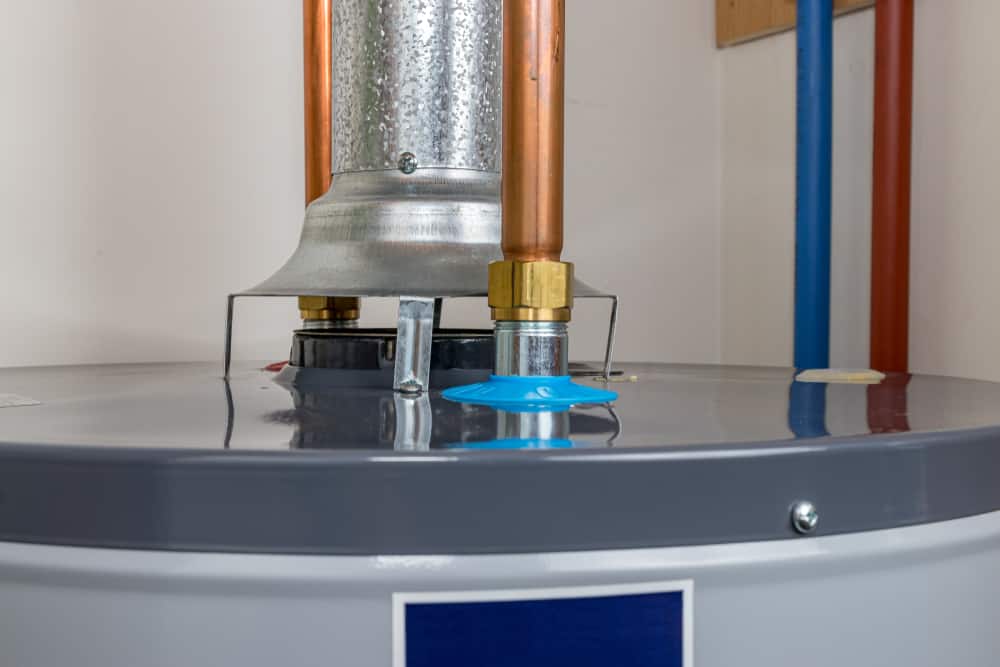
When your home in New Dorp Beach has been through what these homes have been through — flooding, rebuilding, elevation projects, years of infrastructure construction on your street — the last thing you want is a gas line that was done halfway. A properly installed, permitted, and pressure-tested gas line means your heat runs when it’s supposed to, your appliances perform the way they should, and your home is documented for insurance purposes.
In a neighborhood where flood insurance is a real monthly line item and unpermitted work can create serious problems at claim time, that documentation isn’t a bonus — it’s the whole point. The $84 million storm sewer and street elevation project that wrapped up in May 2025 on Cedar Grove Avenue, Finley Avenue, Hett Avenue, and Milton Avenue was a signal. The neighborhood is stable now. The infrastructure is in. If you’ve been sitting on a kitchen upgrade, a tankless water heater, or a full gas system overhaul because the streets were torn up or the timing never felt right, the timing feels right now.
Homes in New Dorp Beach are selling near $762,000 — that’s a home worth investing in properly, not patching together. Getting your gas line sized correctly for a professional-grade range or a high-demand water heater also means your appliances actually run the way they’re supposed to. Undersized lines cause performance problems that most homeowners blame on the appliance — when the real issue is the pipe feeding it.
We’ve been doing gas line work in New York City since 1983. That’s four decades of navigating DOB permit systems, utility company processes, and the kind of residential building stock that keeps changing but never gets simpler. Staten Island’s East Shore — including neighborhoods like New Dorp Beach and Midland Beach — has its own set of conditions, and we know them.
Every gas line job we take on is handled by a Licensed Master Plumber on staff. Not a subcontractor with a borrowed credential — the LMP is on the job, signs off on the work, and files the documentation with the NYC Department of Buildings directly. For a neighborhood where post-Sandy contractor horror stories are still fresh, that distinction matters more than it might anywhere else.
Staten Island runs on National Grid, not Con Edison. We handle the full National Grid coordination process — gas authorization, utility inspection scheduling, and service activation — so you’re not left figuring out who to call after the pipe work is done.
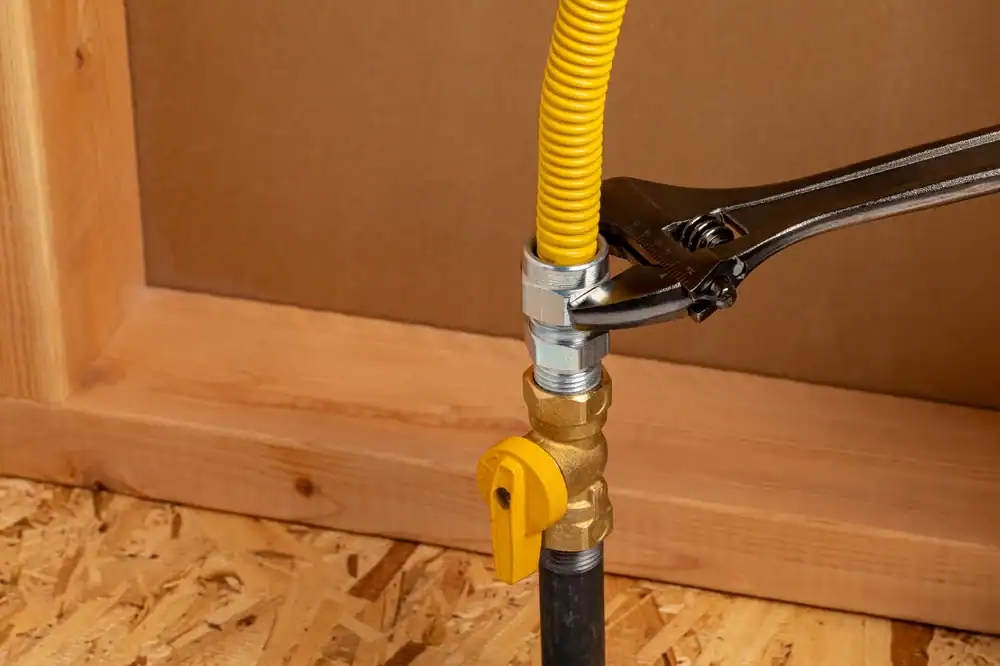
It starts with understanding what you actually need. Before any pipe gets touched, we run a load calculation — factoring in every appliance that will connect to the line, the total BTU demand, the length of the run, and the pipe diameter required to handle it all at full capacity. If you’re adding a high-BTU range or a tankless water heater to a home that was rebuilt after Sandy, the existing line may not be adequate for the new demand. That gets figured out before anything is quoted, not after.
Once the scope is clear, we file the DOB permit through DOB NOW — the city’s online portal for all gas piping work in New York City. No permit, no legal gas work. That’s not a technicality; it’s the law, and it’s also what protects your insurance coverage. The permit filing, the installation, the pressure testing at 1.5 times working pressure, and the National Grid coordination all happen in sequence, managed from start to finish without you having to track down a single form or make a single call to a government agency.
After the work is done, you get written documentation — pressure test results, permit records, and LMP certification. For homeowners in a FEMA flood zone carrying National Flood Insurance Program policies, that paper trail is something you actually want to hold onto. It’s also what building inspectors and future buyers will ask for if you ever sell.

Ready to get started?
New Dorp Beach isn’t a one-size-fits-all gas line market. The neighborhood has elevated homes that needed full gas line re-routing when the structure was lifted. It has original bungalows converted to year-round residences that were never set up for full residential gas demand. It has post-Sandy rebuilds where the gas infrastructure was repaired quickly but not necessarily replaced. Each of those situations calls for a different approach, and we scope the work correctly from the start.
Single appliance hookups — a new gas range, a dryer, a water heater — typically run between $500 and $2,000 depending on the length of the run and the complexity involved. Whole-home installations or full re-piping projects run $1,300 to $3,500. If your home was elevated through the Build It Back program or a private project and the original gas line routing no longer serves the new structure, that’s a full installation — not a repair — and it gets permitted and documented as one.
Local Law 152 compliance is also part of what we handle for building owners and property managers in Staten Island Community Board 2. If your building is due for a gas piping inspection and GPS-2 certification filing with the DOB, that’s a service that comes with the same licensed, documented process as any installation job. Missing the filing window means penalties up to $10,000 — the inspection and certification process is straightforward when you have an LMP who’s done it before.
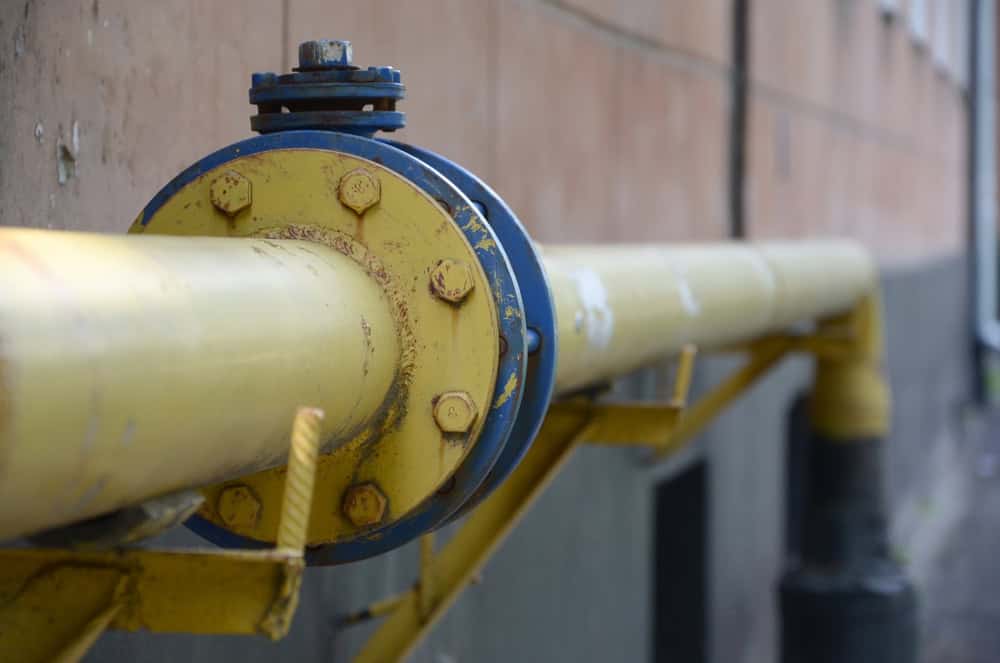
Not necessarily — but it’s worth finding out before assuming the answer is no. Saltwater intrusion is harder on gas piping than freshwater flooding. It corrodes black iron pipe fittings, compromises threaded connections, and leaves behind mineral deposits that accelerate degradation over time. A home that took on water during Sandy and was repaired rather than rebuilt may have gas infrastructure that looked fine in 2013 but has been quietly deteriorating since.
The way to know for certain is a proper inspection — pressure testing and electronic leak detection to assess whether the existing piping is sound or approaching the end of its service life. If the line passes, you have documented proof it’s safe. If it doesn’t, you know what needs to be replaced before it becomes an emergency rather than after. For homes on the blocks closest to the Raritan Bay waterfront in New Dorp Beach, this is a question worth asking even if the gas has been running without obvious problems.
Staten Island’s gas utility is National Grid — not Con Edison. That distinction matters because the authorization process, the inspection scheduling, and the service restoration procedures are all handled through National Grid’s Staten Island operations, not through Con Edison’s systems. A plumber who defaults to Con Edison language when talking about New Dorp Beach gas work is telling you something about how familiar they actually are with this market.
When a gas line installation requires new service capacity or involves restoring service after a shutoff, National Grid needs to authorize the work, inspect the installation, and reactivate the meter. We handle that coordination as part of the job — the permit filing with the NYC Department of Buildings, the National Grid authorization request, the utility inspection scheduling, and the final activation steps all get managed without the homeowner having to chase down separate agencies.
The short answer is that you probably don’t know without running the numbers — and the numbers matter more than most people realize. Gas line sizing is based on the total BTU demand of every appliance connected to the line, the length of the pipe run from the meter to the farthest appliance, and the diameter required to deliver adequate pressure at full load. A line that was sized for a standard residential range in 1985 may not be adequate for a professional-grade range pulling 60,000 BTU or a tankless water heater demanding 150,000 to 199,000 BTU.
This comes up frequently in New Dorp Beach because a lot of the homes that were rebuilt or substantially renovated after Sandy got upgraded kitchens and modern appliances as part of the renovation. The structural work and the appliance selections happened, but the gas line sizing didn’t always get revisited at the same time. If your high-end range isn’t performing the way it should — weak flame, slow ignition, inconsistent output — the gas line is the first place to look. A proper load calculation before any new appliance hookup catches this before it becomes a problem.
Yes — every gas line installation, alteration, or repair in New York City requires a permit filed through the NYC Department of Buildings, and Staten Island is no exception. This applies regardless of the scope of the job. A single appliance hookup requires a permit just as a whole-home re-piping does. There are no minor gas jobs that fall below the permit threshold in New York City. Unlicensed, unpermitted gas work is a criminal offense under New York State law, and utility companies won’t activate gas service to work that hasn’t been permitted and inspected.
The permit gets filed through DOB NOW, the city’s online portal. Once the permit is approved, the installation can proceed, followed by pressure testing and a utility inspection before National Grid activates service. The full sequence — from permit filing to gas activation — typically takes several days to a couple of weeks depending on the scope of the work and how quickly National Grid schedules their inspection. For homeowners in New Dorp Beach who are coordinating a gas line installation alongside a kitchen renovation or home elevation project, factoring that timeline into the overall project schedule upfront avoids delays at the end.
A National Grid shutoff notice — whether it’s tied to a Local Law 152 violation, a suspected leak, or a failed inspection — is not something to sit on. The restoration process has several steps, and each one has to happen in sequence before the meter gets reactivated. First, the underlying issue has to be identified and repaired by a Licensed Master Plumber. Then the LMP certifies the repair and files the appropriate documentation with the NYC Department of Buildings. After that, National Grid schedules their own inspection of the work before they’ll restore service.
The entire process can take days to a couple of weeks if it’s managed correctly — and significantly longer if it isn’t. During winter months, being without heat and hot water in a coastal neighborhood like New Dorp Beach isn’t just inconvenient; it’s a real problem. The faster you get a licensed plumber on the phone who knows the National Grid restoration process specifically, the faster the sequence moves. We’re available around the clock for exactly this kind of situation.
Local Law 152 is a New York City mandate requiring gas piping inspections every four years for virtually all buildings in the five boroughs — including Staten Island. The law applies to most building types: multifamily residential, mixed-use, and commercial properties. One- and two-family homes are the primary exception. If you own or manage a building in New Dorp Beach that falls outside that exception, you have a filing obligation with the NYC Department of Buildings on a rotating schedule tied to your community district.
The inspection has to be performed by a Licensed Master Plumber or a Registered Journeyman Plumber working under direct LMP supervision. After the inspection, the LMP files a GPS-2 certification through DOB NOW confirming the building’s gas piping system was inspected and is compliant — or identifying violations that need to be corrected before the certification can be filed. Missing the filing deadline carries penalties up to $10,000. If violations are found during the inspection, they have to be repaired and re-certified before the GPS-2 can be submitted. We handle the full process: inspection, violation repair, and GPS-2 filing.
Other Services we provide in New Dorp Beach