
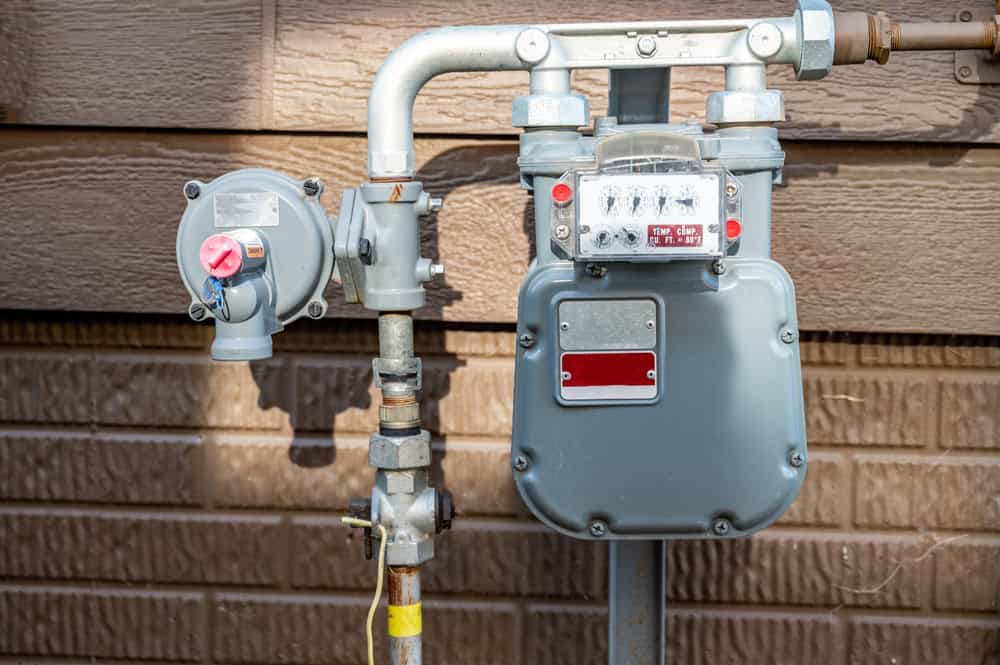
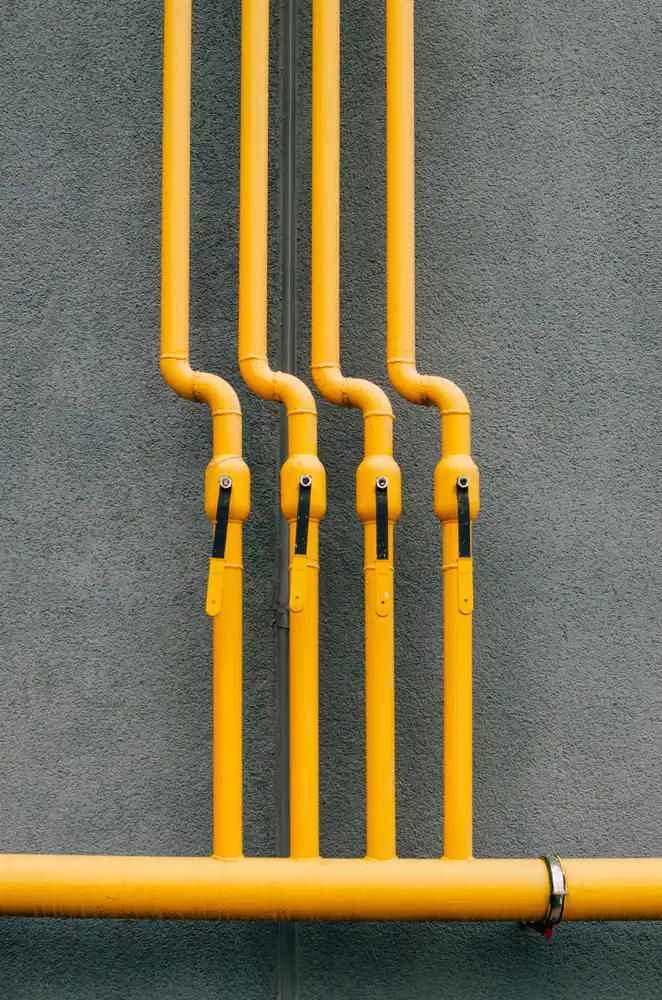
A gas shut down in New Dorp Beach isn’t just an inconvenience — it’s a full disruption to your household. No heat, no hot water, no cooking. And if National Grid was the one who locked the meter, they won’t reopen it until a Licensed Master Plumber completes the repair, passes the DOB pressure test, and coordinates the utility sign-off. That sequence has to move fast and in the right order, or the days stretch into weeks.
New Dorp Beach has a housing stock that makes this more common than most people realize. A significant portion of homes here are converted beach bungalows and cottages — many built before 1940 or updated piecemeal over the decades — with gas systems that were never designed for the year-round demand of modern boilers, water heaters, and appliances. When National Grid runs a routine inspection or responds to a reported leak, older infrastructure in homes along Cedar Grove Avenue and the surrounding side streets is more likely to surface a problem than newer construction elsewhere on the island.
Then there’s the post-Sandy factor. Hundreds of homes in this neighborhood were elevated, rebuilt, or re-piped through the Build It Back program after 2012. Those installations are now more than a decade old and entering their first real maintenance cycle. If your home in New Dorp Beach was rebuilt or elevated after Sandy, there’s a real chance the gas system hasn’t been independently assessed since. When the shut down happens, you need someone who understands what was built here and how to get it back to code — not someone learning the process on your job.
We’ve been doing gas work on Staten Island since 1983. That’s not a marketing number — it means we were here before the 2016 Local Law overhaul, before Sandy, and before the DOB tightened gas work requirements to the point where only a Licensed Master Plumber with a Gas Work Qualification can legally touch the job. We’ve navigated every regulatory shift this city has thrown at Staten Island contractors, and we’ve worked in New Dorp Beach through all of it.
When you call us, the people who answer are the people doing the work. Licensed Master Plumber #1169 — that’s Bobby — is on your job site. Not a crew of laborers working under a license hanging in an office somewhere. We’re based at 49 Englewood Ave on the South Shore, a few miles down Hylan Boulevard from New Dorp Beach, and we’ve been working in National Grid’s service territory on this island for decades. In a neighborhood where the community is tight-knit and word travels, that matters.
The moment you call, we assess what triggered the shut down — whether it was National Grid detecting a leak, a DOB-ordered shutdown tied to a Local Law 152 inspection failure, or an emergency shutoff from a contractor striking a line. That first conversation matters because the path to restoration depends on what caused the shutdown in the first place, and getting the paperwork wrong at the start is one of the most common reasons restorations drag on far longer than they should.
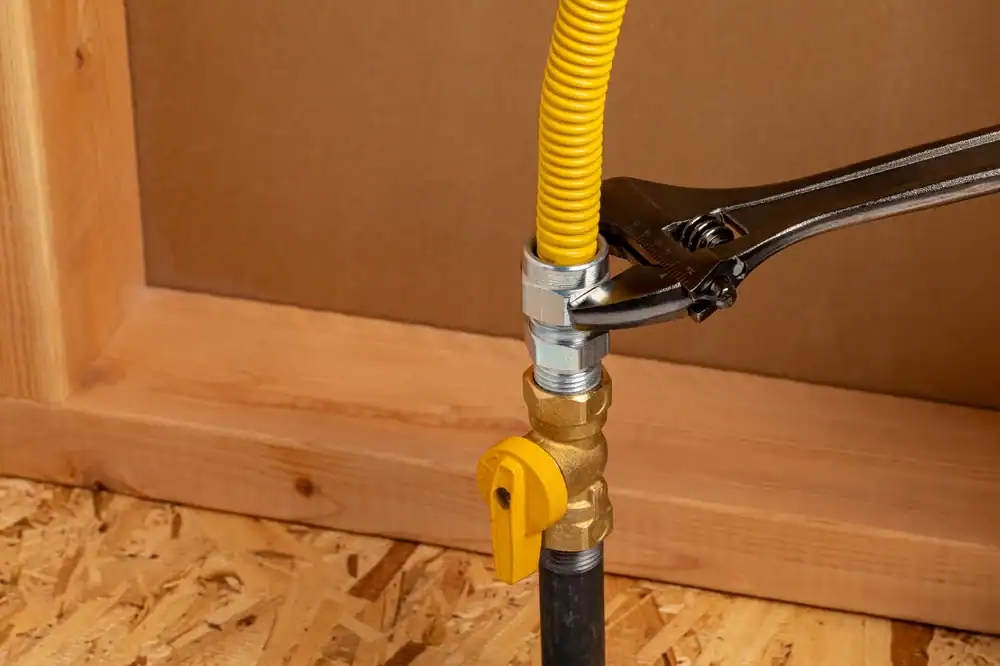
Once the cause is confirmed, an Emergency Work Notification gets filed with the NYC Department of Buildings. This is the legal gateway that allows the repair work to begin. From there, we handle the actual repair — whether that’s replacing a corroded section of pipe, addressing a failed fitting, or re-running a gas line in a post-Sandy elevated home where the original piping no longer meets current code. All of it is done by the Licensed Master Plumber, and all of it is permitted and documented correctly.
After the repair, the job goes to a DOB pressure test. This is a hard gate — nothing moves until it passes, and it has to pass on the first try to avoid starting the inspection clock over. Once the DOB signs off, we coordinate directly with National Grid for the final utility reconnection. National Grid’s stated timeline once all work is complete and approved is one to two days, not exceeding five business days.
Ready to get started?
Gas shut down restoration in New Dorp Beach isn’t a single repair call — it’s a coordinated sequence involving the NYC Department of Buildings, the property’s gas infrastructure, and National Grid. We handle every piece of that sequence. Emergency Work Notification filing, DOB permit coordination, the physical repair work, pressure testing, scheduling the DOB inspection, and the final utility coordination with National Grid — that’s one call, one team, no handoffs to a third party who doesn’t know your job.
For homes in New Dorp Beach specifically, the scope of the repair often reflects the neighborhood’s history. Older converted bungalows along Cedar Grove Avenue may have cast-iron piping or outdated fittings that need full replacement rather than a patch. Post-Sandy elevated homes may require re-routing of the gas supply line to match the home’s new elevation and current DOB requirements. Homes in the low-lying areas near Marine Way — where flooding occurs regularly as the land drops toward tidal wetlands — may have corrosion-related damage to underground piping or meter connections from repeated saltwater exposure.
We assess the repair scope honestly upfront, with a detailed cost breakdown before any work begins. No hidden charges, no surprise invoices at the end. We also hold the full credential stack the City of New York requires for this work: Licensed Master Plumber #1169 with Gas Work Qualification, FDNY Certificates of Fitness #89078745 and #88089263, Licensed Master Fire Suppression Contractor #954B, and Certified Backflow Prevention Technician #8422. Every credential is verifiable on the NYC DOB website.
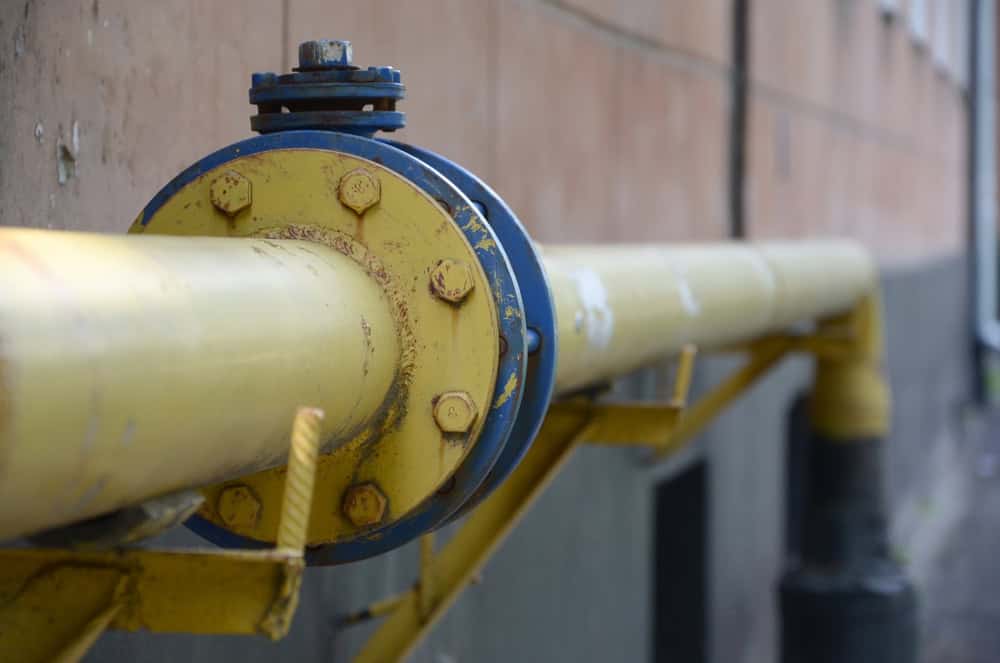
National Grid shuts off the gas for safety — their job ends at the meter. Once they lock it, restoring your service is entirely on the property owner’s side, and it starts with hiring a Licensed Master Plumber who holds a Gas Work Qualification. Under Local Law 150 of 2016, that credential is required for all gas work in New York City — not just any licensed plumber can legally do this job.
In New Dorp Beach, National Grid is your utility, and their process for restoring service after a shutdown is distinct from Con Edison’s. Once we complete the repair, pass the DOB pressure test, and submit the required documentation, National Grid’s stated restoration window is one to two days, not exceeding five business days. That timeline only holds if your plumber moves through the prior steps correctly. The first call you make determines how fast or slow everything that follows will go.
Not since January 1, 2020. Under Local Law 150 of 2016, all gas work in New York City must be performed by a Licensed Master Plumber who also holds a Gas Work Qualification from the NYC Department of Buildings. A standard plumbing license alone does not authorize gas restoration work. This is one of the most common and costly mistakes homeowners make — hiring a plumber who seems qualified but doesn’t hold the specific gas credential, only to have the job stall at the DOB filing or fail the pressure test.
You can verify an LMP’s Gas Work Qualification directly on the NYC DOB website. We hold LMP #1169 with the Gas Work Qualification — look it up before you commit to anyone. In a neighborhood like New Dorp Beach, where the post-Sandy rebuilding period brought in contractors of uneven quality, the habit of verifying credentials before hiring is a reasonable one.
The timeline depends almost entirely on who you hire and how fast they move through the required steps. The process involves filing an Emergency Work Notification with the NYC DOB, completing the physical repair, passing a DOB pressure test, and then coordinating with National Grid for the final utility reconnection. Each step has to happen in order, and a delay or error at any point resets the clock on what follows.
National Grid’s stated restoration timeline — once all work is complete, inspections are passed, and documentation is submitted — is one to two days, not exceeding five business days. That’s the utility’s end of the process. On our end, from first call to completed DOB inspection, the timeline typically runs several days to a couple of weeks depending on the scope of the repair. For older homes in New Dorp Beach with more complex infrastructure — converted bungalows, post-Sandy elevated structures, or homes with flood-related pipe corrosion near Marine Way — the repair scope can extend that window. We assess the job honestly upfront and file everything correctly the first time to keep that window as short as possible.
Yes, and it’s worth understanding why. When homes in New Dorp Beach were elevated through the Build It Back program after Hurricane Sandy, the gas supply lines, meter placements, and interior piping configurations were often modified to accommodate the new foundation height. Any subsequent gas work on those homes — including restoration after a shutoff — needs to account for the current structure’s configuration and meet existing NYC DOB code requirements, which are more stringent than what was in place during the post-Sandy recovery period.
In practical terms, this means the repair scope on an elevated home may involve re-routing gas lines that no longer align with the original entry points, updating fittings that were installed under emergency conditions in 2013 or 2014, or addressing DOB documentation gaps from the original post-Sandy work. All of this requires a Licensed Master Plumber with a Gas Work Qualification who can assess the current state of the system, file the correct permits, and pass the DOB pressure test on the first attempt. We’ve been working on Staten Island’s gas infrastructure through the Sandy recovery and every year since — including homes that were rebuilt or elevated in New Dorp Beach.
Local Law 152 of 2016 requires periodic gas piping inspections for most buildings in New York City — single and two-family homes are exempt, but multifamily buildings, mixed-use properties, and commercial buildings are not. The inspections run on a four-year cycle by community district. New Dorp Beach falls within Staten Island Community District 2, and the most recent inspection deadline for that district was December 31, 2025.
If a building in Community District 2 failed its Local Law 152 inspection — or if the owner didn’t complete the inspection at all — the NYC Department of Buildings can issue a shutdown order for the gas system. That’s a DOB-initiated shutoff, which is separate from a National Grid utility shutoff but equally disruptive and subject to the same restoration process. The next inspection cycle for Community District 2 will be due December 31, 2029. If you own a qualifying building in New Dorp Beach and aren’t sure where your property stands on compliance, getting that clarity now is far less painful than dealing with a DOB-ordered shutoff later.
The low-lying area between Marine Way and Tysens Lane in New Dorp Beach floods regularly — this isn’t a Sandy-specific condition, it’s an ongoing geographic reality where the land drops to sea level and meets tidal wetlands. Repeated saltwater exposure accelerates corrosion in underground gas piping and at meter connections in ways that aren’t visible from the surface. A line that looks intact can be compromised internally, and National Grid’s inspection equipment is specifically designed to detect the pressure loss that results.
When a home in this part of New Dorp Beach gets a gas shutoff triggered by a detected leak, the repair often involves more than a simple fitting replacement. Corroded underground sections may need to be excavated and re-run. Meter connections may need to be rebuilt. We provide a detailed cost breakdown before any work begins — so you understand what you’re dealing with before committing, not after the invoice arrives.
Other Services we provide in New Dorp Beach