
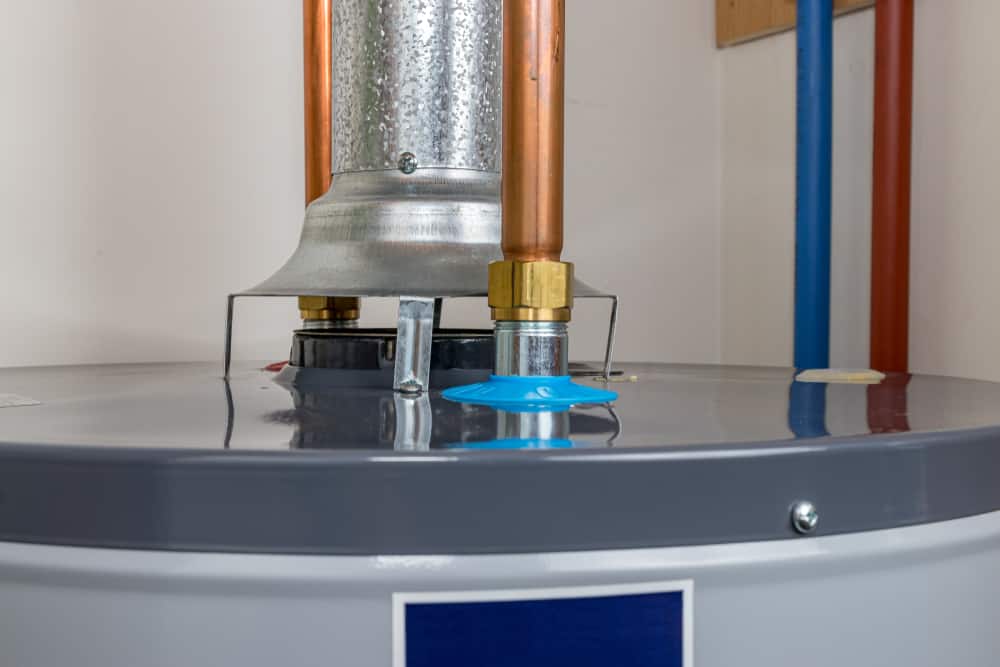
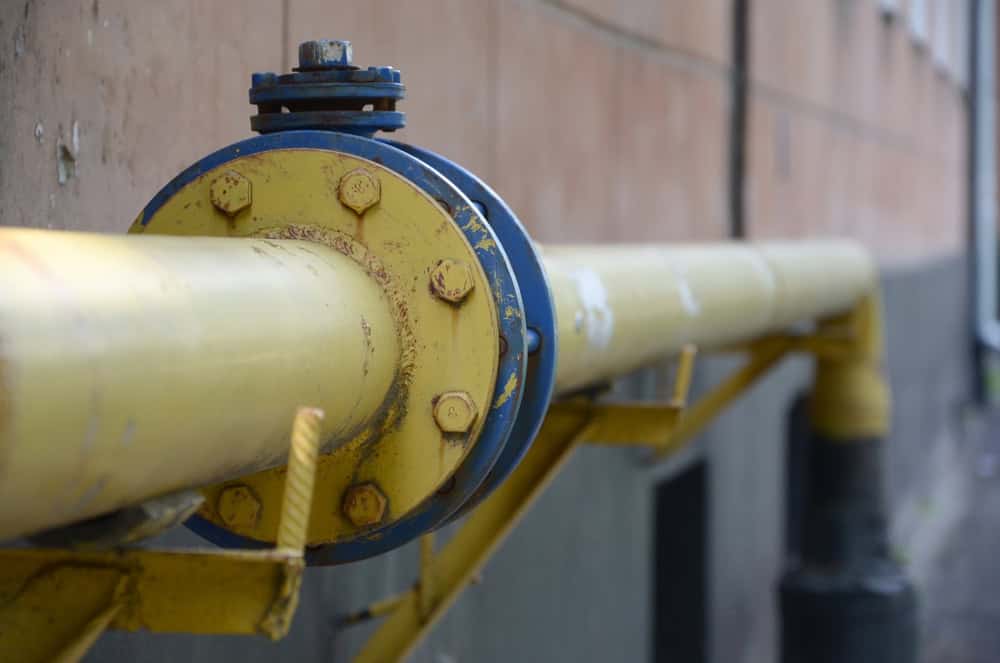
Most of the two-family woodframes lining Port Richmond’s residential streets were built between 1895 and 1925. The gas piping in those homes was sized for appliances that haven’t existed in decades. When you upgrade to a modern range, add a tankless water heater, or replace an aging boiler, the existing line may not be able to keep up — and a contractor who just connects the new appliance without checking is setting you up for underperformance, code violations, or worse.
What you actually get from a proper installation is an appliance that runs the way it’s supposed to, a gas system that’s been assessed from the meter to every connected appliance, and documentation you can hand to your insurance carrier or building inspector without hesitation. No scrambling, no guessing, no coming back to fix what should have been done right the first time.
For Port Richmond’s owner-occupant landlords — the people who live in one unit and rent the other — this matters even more. A gas piping violation in a two-family home isn’t just a personal inconvenience. It creates liability, risks a National Grid service shutoff to the whole building, and puts your rental income on the line. Getting the job done correctly and documented protects both units, both households, and your investment.
We’ve been doing gas line work in New York City since 1983 — more than four decades of navigating pre-war building stock, DOB permit systems, and utility coordination. That experience means we’ve already seen whatever is behind the walls of Port Richmond’s oldest homes before we open them.
Every gas line installation is performed by a Licensed Master Plumber on our staff. That’s not a credential kept on file while someone else does the work — it’s the person running the line, performing the pressure test, and signing off on the documentation. In Staten Island, National Grid won’t activate gas service to unpermitted work, and the NYC DOB requires an LMP for every gas installation. We cover both.
Port Richmond’s North Shore neighborhoods — from the dense residential blocks near Port Richmond Avenue to the homes running west toward Mariners Harbor — are exactly the kind of pre-war urban environment we work in regularly. We know what to expect in a 100-year-old two-family, and we don’t charge you to figure it out on the job.

It starts with an assessment, not an assumption. Before any pipe is run, we look at your existing gas infrastructure from the meter to every appliance currently connected. In a Port Richmond two-family, that means accounting for both units — the total BTU load of every stove, boiler, water heater, and dryer in the building. If the existing line can’t handle the demand, you’ll know before any work begins, not after.
Once the scope is clear, we file the DOB permit through DOB NOW — the city’s required online portal — and coordinate with National Grid for any service authorization needed. You don’t navigate a single government system or make a call to the utility. That coordination is part of the job.
Installation uses black iron pipe or listed CSST systems depending on what the job requires, and every installation is pressure-tested at 1.5 times working pressure before gas service is activated. After that, you receive written documentation of the safety test results, permit records, and any GPS-2 certification filings — the paperwork that protects you with your insurance carrier, your tenants, and the NYC DOB. The process typically runs one to three days depending on the scope of the job.

Ready to get started?
Gas line installation through us covers the full scope — not just the pipe run. That means a BTU load calculation for every appliance being served, proper gas line sizing based on pipe length and total demand, a DOB permit filed before work begins, pressure testing after installation, National Grid coordination for service authorization, and written documentation delivered when the job is complete.
For single appliance hookups in Port Richmond — a new gas range, a gas dryer, a tankless water heater — installations typically range from $500 to $2,000 depending on the length of the run and what the existing infrastructure requires. Whole-home installations, which are more common in Port Richmond’s two-family stock when a full system assessment reveals undersized or aging piping throughout the building, typically run $1,300 to $3,500. Pipe work is priced at $12 to $25 per linear foot depending on complexity and pipe type.
If your building falls under Local Law 152 — which applies to virtually all NYC buildings except one- and two-family homes, meaning many of Port Richmond’s mixed-use and multifamily properties are included — we handle the full compliance cycle: LMP inspection, violation remediation, and GPS-2 certification filing with the NYC DOB. Missing that filing deadline carries penalties up to $10,000, and Staten Island Community District 1 has been in an active LL152 inspection window. Don’t wait until the deadline is close enough that inspectors are already booked out.
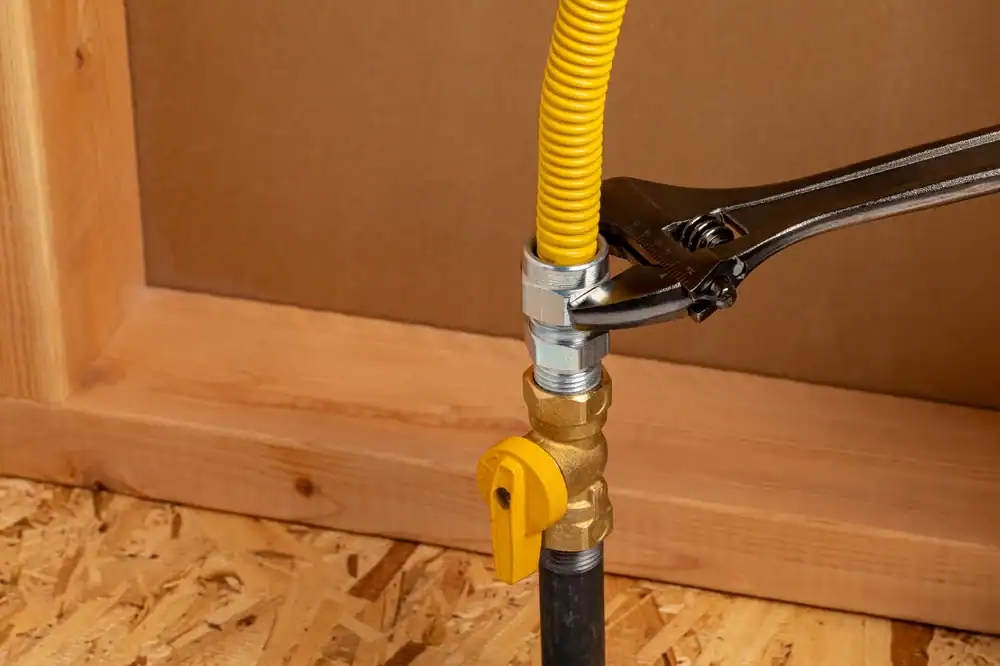
Yes, every gas line installation in New York City requires a permit filed through DOB NOW — the city’s online portal for building permits. There are no exceptions for small jobs or single appliance hookups. The permit must be filed by a Licensed Master Plumber before any work begins, and National Grid won’t activate gas service to a line that hasn’t been permitted and inspected.
In Port Richmond specifically, where a significant portion of the housing stock has been informally modified over the decades — gas dryer connections added without permits, boiler replacements where the new unit’s BTU demand was never accounted for — the permit process also serves as a reset. It gives you a documented record that the work was done correctly, which matters for your building insurance and for any future sale of the property. We handle the entire permit process as part of every installation, so you’re not navigating DOB NOW on your own.
The short answer is: you don’t, unless someone runs the numbers. Gas line sizing depends on the total BTU demand of every appliance connected to the line, the length of the run from the meter to the farthest appliance, and the diameter of the existing pipe. A line that was adequate for a 1960s-era gas range and a single boiler may not be sized correctly for a modern high-BTU range, a tankless water heater running at 150,000 to 199,000 BTU, and a gas dryer all operating in the same building.
This is a particularly common issue in Port Richmond’s two-family woodframes, where both units share a single gas riser or service line. When a ground-floor tenant upgrades to a higher-output appliance, the combined demand on the line increases — and if the existing pipe diameter can’t handle it, the appliances in both units will underperform. We perform a full BTU load calculation before recommending any new pipe work, so you know exactly what the existing system can handle and what needs to change before anything is installed.
Local Law 152 requires gas piping inspections every four years for virtually all NYC buildings — the main exemption is one- and two-family homes. If you own a mixed-use building, a three-family or larger residential building, or a commercial property in Port Richmond, LL152 almost certainly applies to you. The inspection must be conducted by a Licensed Master Plumber, and the results must be filed electronically with the NYC DOB using a GPS-2 certification form through DOB NOW. Non-compliance penalties can reach up to $10,000.
Staten Island Community District 1 — which covers Port Richmond — fell within LL152 sub-cycles 1 and 2, meaning the 2024 and 2025 inspection windows are either current or recently passed. Given the age of Port Richmond’s building stock, an LL152 inspection here carries a real chance of surfacing violations: corroded fittings, missing shutoff valves, informal connections made without permits, or CSST piping that was never properly bonded. We handle the full LL152 process — inspection, remediation of any violations found, and GPS-2 filing — so you end up with a clean compliance record, not just a report of problems.
For most installations, the process runs one to three days from start to finish. That includes the installation itself, pressure testing, and National Grid’s involvement in activating or authorizing service. The exact timeline depends on the scope of the job — running a new line to a single appliance in a straightforward setup is faster than re-piping a two-family home where the existing infrastructure needs to be replaced throughout both units.
What tends to extend the timeline in Port Richmond’s older homes is what gets discovered once the walls are opened. Pre-war woodframes built between 1895 and 1925 sometimes have informal additions, corroded sections, or undersized risers that weren’t visible during the initial assessment. We communicate what we find before proceeding with additional work — you’re not handed a larger invoice at the end without a conversation first. If you’re dealing with a National Grid shutoff and need gas restored urgently, our 24/7 emergency availability means you’re not waiting through a weekend without heat or hot water.
No. In New York City, only a Licensed Master Plumber can legally install, alter, repair, or maintain gas lines. This is codified in the NYC Fuel Gas Code and the Administrative Code — it’s not a recommendation, it’s the law. Unlicensed gas work is a criminal offense in NYC, and National Grid will not activate gas service to a line that wasn’t installed by an LMP with a valid DOB permit.
Beyond the legal issue, there’s a practical one. If unlicensed work is discovered during an inspection — or worse, if something goes wrong — your building insurance can be voided, the utility can shut off service to the entire building, and you can be left holding liability for the work. In a two-family home in Port Richmond where a tenant is also affected, that exposure is doubled. The LMP credential exists because gas work done incorrectly has real consequences. Hiring someone without it isn’t a cost savings — it’s a liability you’re taking on personally.
A failed LL152 inspection doesn’t mean the process is over — it means you have violations that need to be remediated before the GPS-2 certification can be filed. The specific violations found during the inspection determine what remediation looks like: it might be as straightforward as installing a missing shutoff valve or bonding a CSST line to the building’s grounding system, or it might involve replacing a corroded section of pipe or addressing an unpermitted connection.
In Port Richmond’s pre-war building stock, violations found during LL152 inspections often reflect decades of informal modifications — work done by previous owners without permits, appliance hookups added without proper shutoff valves, or gas piping that was never assessed as a complete system. The key is having the same contractor who conducted the inspection handle the remediation, so nothing gets lost between reports. We cover the full cycle: inspection, remediation, and GPS-2 filing. You end up with a single documented record of the entire process — the inspection findings, the repairs made, and the LMP certification filed with the NYC DOB — rather than a violation notice you’re left to resolve on your own.
Other Services we provide in Port Richmond