

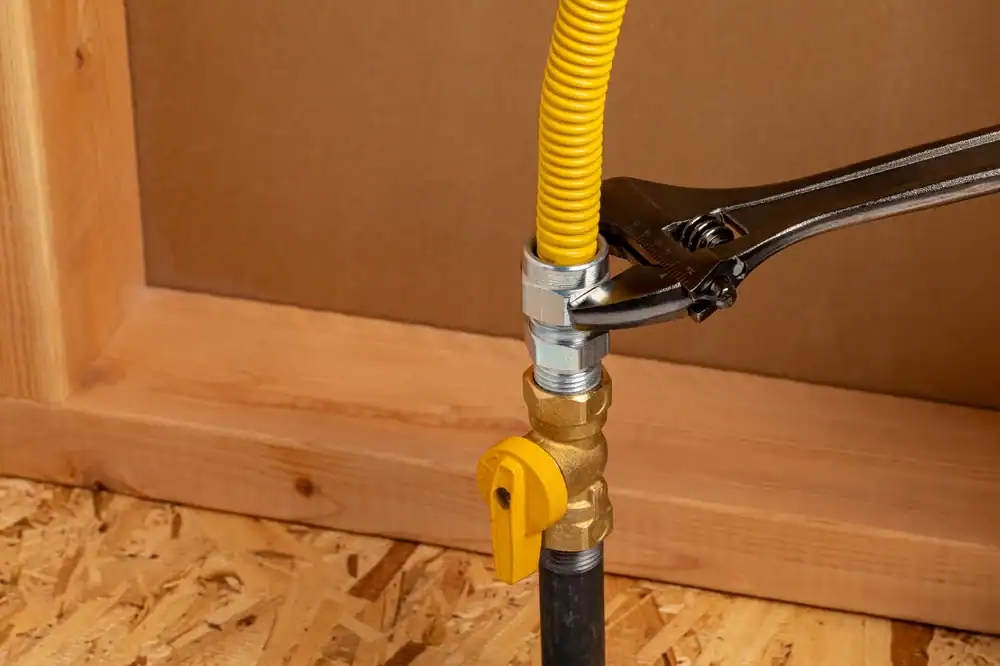
When the gas line is sized correctly and installed to code, your appliances perform the way they’re supposed to. That high-BTU range you upgraded to stops underperforming. Your tankless water heater delivers consistent pressure. And you’re not left wondering whether the person who did the work pulled a permit or just hoped for the best.
For homeowners in Stapleton, that peace of mind carries extra weight. A lot of the housing stock here — the Italianate Victorians on Van Duzer Street, the 1920s row houses near Tappen Park — was built in an era when gas lines were sized for appliances that drew a fraction of what modern kitchens demand. Getting a new line run isn’t just about hooking up an appliance. It’s about understanding what’s already in the walls and making sure the new work doesn’t create a problem the old work was quietly hiding.
For building owners along the Bay Street corridor, there’s the compliance side too. Mixed-use buildings in Stapleton fall under Local Law 152, which requires gas piping inspections every four years. When that inspection surfaces a violation, the clock starts ticking — and the penalties for missing the filing deadline reach up to $10,000. Getting the work done right, documented properly, and filed with the DOB on time isn’t optional. It’s the difference between a resolved issue and a growing liability.
We’ve been doing this since 1983. Over four decades of gas line work across Manhattan and Staten Island — through DOB code changes, utility company process overhauls, and the full evolution of what NYC gas compliance actually requires. When newer companies are still figuring out the DOB NOW filing system, we’ve been navigating it since before most of the competition was in business.
What that track record means for you in Stapleton specifically is that our Licensed Master Plumber has worked in buildings just like yours. Pre-war construction, older risers, walls that haven’t been opened in decades — none of that is a surprise. And because all of Staten Island runs on National Grid rather than Con Edison, every job we handle here involves National Grid authorization for new service or capacity changes. That’s not something we figure out on the fly — it’s a process we’ve handled consistently across the borough.
Every job comes with written documentation: safety test results, permit records, and LMP certification. That paper trail matters whether you’re a homeowner protecting your investment in a rising market or a building owner who needs to show a GPS-2 filing to the DOB.
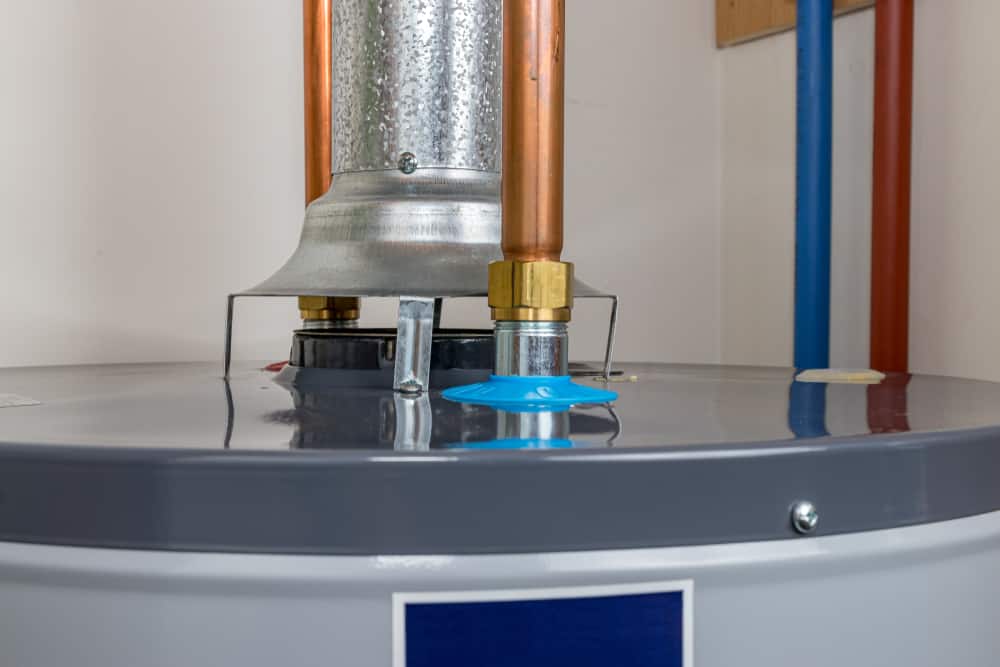
It starts with an assessment. Before any pipe gets run, we evaluate the existing gas infrastructure — what’s there, what condition it’s in, and whether it can support the full BTU load of everything connected to the line. In a Stapleton home with older infrastructure, this step matters more than it does in a newer build. Undersized or degraded pipe doesn’t always announce itself, and discovering it after the fact is a much harder conversation.
Once the scope is clear, we file the permit through DOB NOW — the NYC Department of Buildings’ online portal. This is a mandatory step for all gas line work in the city, no exceptions. For new service or capacity increases, National Grid authorization runs in parallel. We manage both sides of that process, so you’re not making calls to the utility company or tracking down forms on your own.
Installation follows the permit. Every joint gets pressure-tested at 1.5 times working pressure before gas service is activated — that’s the NYC Fuel Gas Code standard, not a preference. After testing is complete and the system passes, you get written documentation of the work: what was installed, how it was tested, and what the results were. For Local Law 152 compliance jobs, we file the GPS-2 certification electronically with the DOB. From first call to final documentation, we manage the process start to finish.
Ready to get started?
Gas line installation in Stapleton isn’t a one-size situation. A single appliance hookup — connecting a gas range, dryer, or water heater to an existing line — runs between $500 and $2,000 depending on the run length and complexity. Whole-home gas installations, which are more common in Stapleton’s larger Victorian properties being fully updated, range from $1,300 to $3,500. Pipe itself runs $12 to $25 per linear foot depending on the type and the complexity of the route.
Every installation includes a load calculation to make sure the line is sized for the full BTU demand of all connected appliances — not just the one being added. This is especially relevant in Stapleton’s older homes, where a kitchen renovation might add a high-output professional range to a line that was originally sized for a much smaller appliance. Getting that calculation wrong means the range underperforms, and in some cases, it means a code violation. Both outcomes are avoidable with the right assessment upfront.
For building owners in the 10304 ZIP code dealing with Local Law 152, we cover the complete compliance cycle: the LMP inspection, any required repairs, and the GPS-2 certification filing with the DOB. All three Staten Island community districts — including Community District 1, which covers Stapleton — were in sub-cycles 1 and 2 for 2024 and 2025. If your building hasn’t had its inspection completed and documented, that deadline pressure is real. We get the work done, resolve the violations, and submit the filing — nothing left open.

If your building in Stapleton is anything other than a one- or two-family home, Local Law 152 almost certainly applies to you. That includes mixed-use buildings along Bay Street, small multifamily properties, and commercial buildings throughout the neighborhood. The law requires gas piping inspections every four years, performed by a Licensed Master Plumber or a Registered Journeyman Plumber working under direct LMP supervision.
Stapleton falls within Staten Island Community District 1, which was scheduled in sub-cycles 1 and 2 — meaning the inspection deadlines landed in 2024 and 2025. If you haven’t completed your inspection and filed the GPS-2 certification with the DOB, you’re already in or approaching a non-compliance situation. The penalties for missing the deadline reach up to $10,000 per building, and they don’t pause while you’re finding a plumber. We handle the inspection, address any violations found, and file the certification electronically through DOB NOW.
In New York City, only a Licensed Master Plumber registered with the NYC Department of Buildings can legally install, alter, repair, or maintain gas lines. This applies to every neighborhood in all five boroughs, including Stapleton on Staten Island. It’s not a suggestion or a best practice — it’s the law, and it’s enforced. Unlicensed gas work is a criminal offense in NYC, not just a code violation.
Beyond the legal requirement, there’s a practical reason this matters. Utility companies — and in Stapleton, that means National Grid — will not activate gas service to work that wasn’t permitted and performed by a licensed plumber. If someone installs a gas line without pulling a DOB permit, the gas doesn’t get turned on. If an inspection later reveals unpermitted work, the cost of remediation and re-permitting far exceeds what the original job would have cost done correctly.
For a single appliance hookup — a gas range, dryer, or water heater connected to an existing line — most Stapleton installations fall between $500 and $2,000. The range depends on how far the line needs to run, whether it passes through walls or floors, and what the existing infrastructure looks like. Pipe material and routing complexity factor into the per-foot cost, which runs $12 to $25 per linear foot. Whole-home gas installations, which come up more often in Stapleton’s larger Victorian and pre-war properties during full renovations, typically run between $1,300 and $3,500.
What can push the cost higher in older Stapleton homes is discovering during the assessment that the existing line is undersized or in poor condition. A home built in the 1880s or 1920s wasn’t designed for a modern professional range drawing 60,000+ BTU or a tankless water heater demanding 150,000 BTU or more. If the existing pipe can’t handle the load, it needs to be replaced or supplemented — and that’s a conversation worth having before the appliance gets delivered, not after. A proper assessment upfront gives you an accurate number before any work begins.
For a straightforward single-appliance hookup where the existing infrastructure is adequate, most installations take somewhere between four and eight hours from start to finish on the day of the job. That includes the installation itself, pressure testing at 1.5 times working pressure, and final documentation. If the line requires a longer run, wall or floor penetrations, or work through the kinds of tight spaces common in Stapleton’s pre-war row houses, the job takes longer — but the timeline gets communicated clearly before work starts.
The part of the process that takes the most calendar time isn’t the installation itself — it’s the permitting and utility coordination that happens before we show up. Filing through DOB NOW and coordinating National Grid authorization for new service or capacity increases adds time to the overall project. Realistically, from initial call to gas activation, most Stapleton jobs complete within a few days to about a week when the permitting process moves smoothly.
Yes, and it’s worth understanding why before the work starts. Homes built in the 1880s through the 1940s — which make up a meaningful portion of Stapleton’s housing stock, particularly on Van Duzer Street and in the blocks around Tappen Park — were built with gas infrastructure sized for appliances of that era. The pipe diameters, the routing through walls and chases, and the overall system capacity weren’t designed with modern appliances in mind.
When you’re adding a high-BTU professional range, a tankless water heater, or any appliance with significantly higher gas demand than what was previously connected, the existing line may need to be upsized. That’s determined through a BTU load calculation that accounts for every appliance on the line, the total pipe length, and the available pressure. In older buildings, the routing can also be more complex — pipe may need to travel through finished walls, around original structural elements, or through spaces that haven’t been accessed in decades. None of that is insurmountable, but it’s exactly why the assessment phase matters and why experience with pre-war building stock is relevant.
A National Grid gas shutoff in Stapleton is a serious situation, but there’s a clear path to restoration — it just has to be handled in the right order. National Grid typically shuts off service when a safety issue is identified, whether during a routine inspection, a Local Law 152 compliance check, or a reported leak. Before the gas gets turned back on, the underlying issue has to be identified, repaired by a Licensed Master Plumber, and documented. Depending on the nature of the violation, a GPS-2 certification may need to be filed with the DOB before National Grid will schedule a meter reactivation.
The timeline for restoration depends on how quickly the repair work gets done and how fast the utility company can schedule their follow-up inspection. This isn’t a same-day process in most cases — it involves the repair, the LMP certification, the DOB filing, and then National Grid’s own inspection before the meter comes back on. What you can control is how fast the repair side moves. Getting a Licensed Master Plumber on-site quickly to assess the violation, complete the work, and handle the paperwork is the single biggest factor in shortening the time your household is without gas.
Other Services we provide in Stapleton