
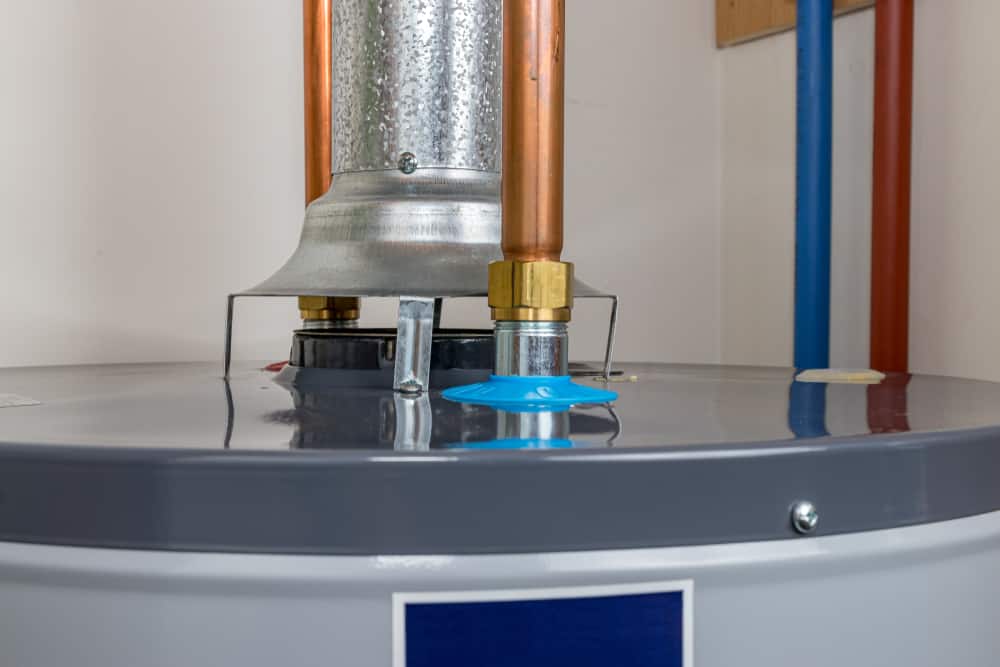
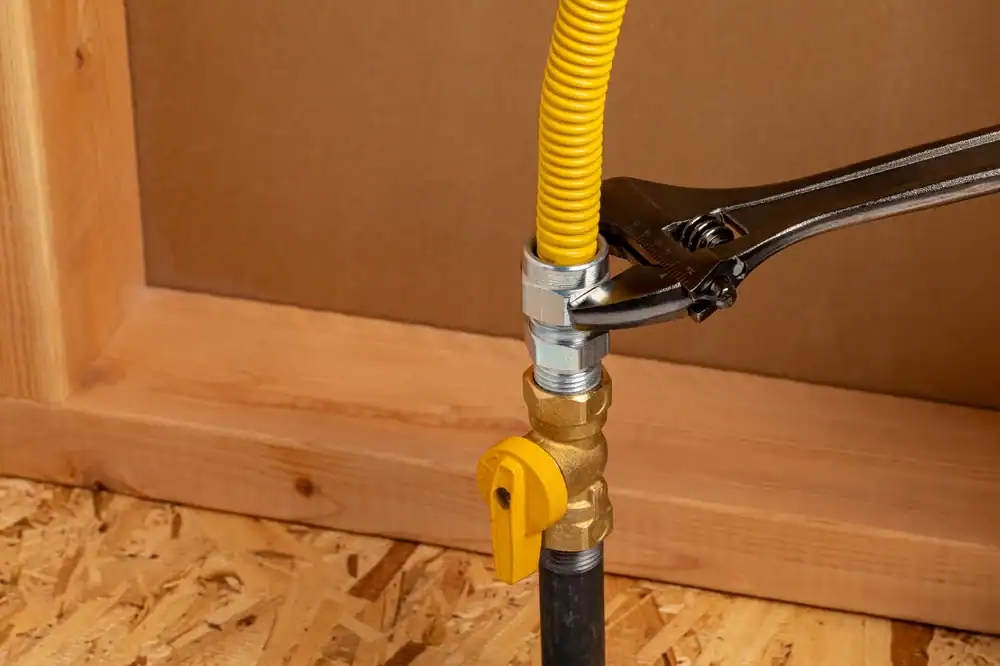
Most of the ranches, high-ranches, and split-levels in Willowbrook were built decades before anyone was putting a 60,000 BTU professional range or a tankless water heater in a residential kitchen. The original gas lines in those homes did the job fine — for the appliances of that era.
Today, when you’re upgrading your kitchen, replacing an aging boiler, or switching from oil heat to gas, that same line may not have the capacity to keep up. Undersized gas lines don’t just underperform — they can cause appliance issues, fail pressure tests, and create code violations that come back to bite you when you sell.
When the job is done right, you get heat that works when it’s cold, appliances that perform the way they’re supposed to, and a gas system that’s fully permitted and documented. That last part matters more than most people realize. In a neighborhood where homes sell for $650,000 to over a million dollars, undocumented gas work doesn’t stay hidden — it shows up during a title search or a buyer’s inspection at the worst possible time.
A properly installed, permitted, and tested gas line is an asset. A shortcut is a liability you’re paying for later. For Willowbrook homeowners who’ve already put money into replacing furnaces, adding central air, or renovating kitchens, getting the gas line right is the part of the project that protects everything else you’ve invested in.
RB Mechanical Plumbing and Heating has been doing gas line work in New York City since 1983. That’s over 40 years of navigating DOB permits, utility coordination, and the specific challenges that come with this city’s building stock — including the postwar homes that define Willowbrook and the surrounding neighborhoods.
We’ve already done work in Willowbrook, including a full oil-to-gas conversion for a homeowner in the area — boiler removed, oil tank out, new gas system installed and documented. Our licensed master plumber is on staff and on every job, not a name on a license while someone else does the work. That distinction matters in NYC, where gas work legally requires an LMP and the DOB can verify it.
On Staten Island, that also means working with National Grid — not Con Edison. The authorization process, the inspection scheduling, the service restoration procedures — they’re different, and we know them. A contractor who only knows the Manhattan side of things is learning on your job.
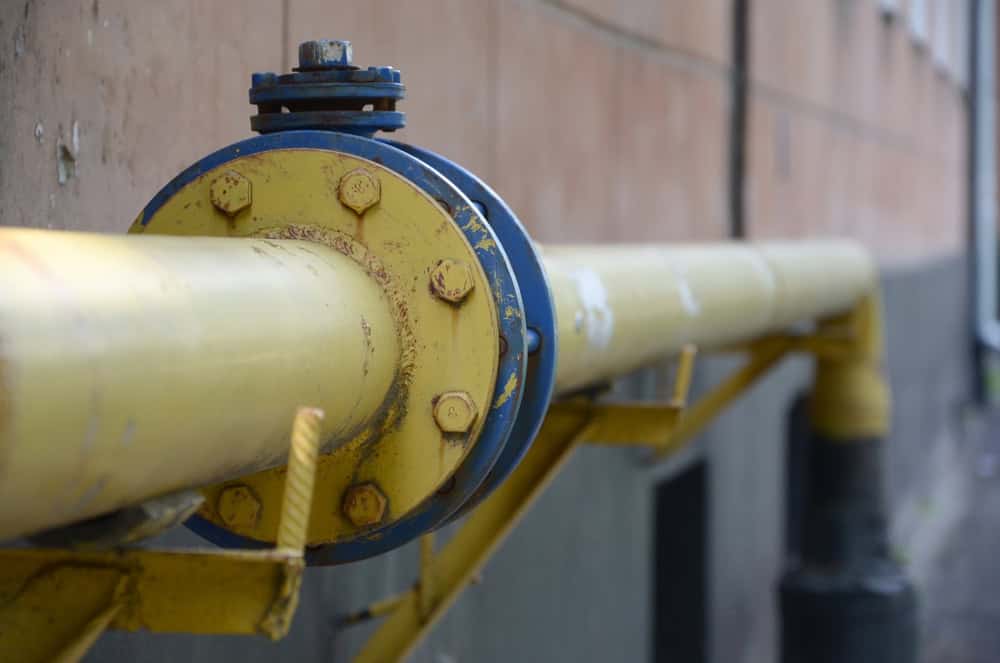
It starts with an assessment, not a sales pitch. Before anything is quoted or scheduled, we look at what you’re working with — your existing gas line, the appliances you’re adding or replacing, and the total BTU load the system needs to handle.
For a lot of Willowbrook homes, this step is where we catch the problem: a line that was sized for a 1975 furnace and a standard range that’s now being asked to feed a high-efficiency boiler, a tankless water heater, and a professional range at the same time. That math doesn’t work without an upgrade, and finding that out before the job starts saves everyone time and money.
Once the scope is clear, we file the DOB gas piping permit through DOB NOW — the city’s required online portal. That’s not optional for any gas line work in NYC, regardless of how small the job seems. After installation, every line is pressure-tested at 1.5 times working pressure, as required by the NYC Fuel Gas Code. Then we coordinate with National Grid for the authorization and inspection needed to activate your gas service. You don’t call them, wait on hold, or figure out what they need — we handle that.
When the job is closed out, you get written documentation of everything: the permit, the pressure test results, and the LMP certification. Most homeowners file it with their home records and don’t think about it again — until they’re selling and their attorney asks for it, and it’s already there.

Ready to get started?
Gas line installation isn’t one thing — it depends on what you’re adding, what’s already there, and what the full system needs to handle. For a single appliance hookup, like a gas stove or a gas dryer in a Willowbrook ranch, most installations run between $500 and $2,000 depending on the length of the run and what the existing line can support. Whole-home installations — when you’re converting from oil, re-piping an older system, or running new lines to multiple appliances — typically fall in the $1,300 to $3,500 range. Every job starts with a written, itemized estimate before any work begins.
For Willowbrook homeowners near the College of Staten Island who own rental properties or multi-family units, Local Law 152 compliance is part of the picture. If your building has three or more units, you’re on a four-year mandatory gas piping inspection cycle with the NYC DOB. Miss the filing deadline and penalties reach up to $10,000. We handle the full process: inspection by a licensed master plumber, any required repairs, and GPS-2 certification filing directly with the DOB.
Every installation includes a BTU load calculation for all connected appliances — not just the one being added — electronic leak detection, pressure testing, National Grid coordination, and full written documentation. The goal is a gas system that’s correctly sized, code-compliant, and fully on record. That’s what protects your home, your insurance coverage, and your investment in Willowbrook.

It depends on what you’re adding and what’s already connected to the line. Most homes in Willowbrook were built between the late 1960s and the 1990s, and the original gas piping was sized for the appliance loads of that era — a standard range, a basic furnace, a conventional water heater. If you’re upgrading to a high-BTU professional range, a tankless water heater, or a high-efficiency boiler, the existing line may not have the capacity to supply the new demand without pressure loss or performance issues.
The way to know for sure is a BTU load calculation, which accounts for every appliance connected to your gas system — not just the new one — along with the pipe diameter, total run length, and available pressure. That’s the first thing we do before recommending any new work. Sometimes the existing line is fine with a minor modification. Sometimes it needs to be upsized. Either way, you’ll know before we quote anything, and you won’t be surprised after the appliance is already installed.
In New York City — which includes Staten Island and Willowbrook — all gas line installation, repair, and alteration must be performed by a Licensed Master Plumber registered with the NYC Department of Buildings. This isn’t a recommendation; it’s the law, codified in the NYC Fuel Gas Code and the Administrative Code. Unlicensed gas work is a criminal offense in NYC, not just a code violation.
Beyond the legal requirement, there’s a practical one: National Grid, the gas utility for all of Staten Island, will not activate gas service to work that wasn’t permitted and performed by a licensed master plumber. That means if someone does the work without the right credentials, you could end up with a gas line that can’t be turned on — and a repair bill to redo it properly. When you hire RB Mechanical Plumbing and Heating, our LMP is on staff and handles the job directly. You can verify the license on the NYC DOB website before we ever show up.
For a single appliance hookup — say, a new gas range or gas dryer in a Willowbrook split-level — the physical installation usually takes anywhere from a few hours to a full day, depending on the length of the run and whether any walls or floors need to be penetrated.
What takes longer is the full process around it. The DOB permit needs to be filed and processed before work begins. After installation and pressure testing, National Grid needs to authorize and inspect the work before gas service is activated. That coordination can add several days to the overall timeline, depending on scheduling. We manage all of it — the permit filing through DOB NOW, the National Grid scheduling, and the final inspection — so the timeline doesn’t drag because something fell through the cracks on the administrative side. We’ll give you a realistic timeline upfront so you’re not left guessing how long you’ll be without gas.
Local Law 152 is a New York City mandate requiring gas piping inspections every four years for virtually all NYC buildings — with one main exception: one- and two-family homes are exempt. If you own a three-or-more-unit building in Willowbrook, including a multi-family home or a rental property, you’re subject to the law. The inspection must be performed by a Licensed Master Plumber, and the results must be filed electronically with the NYC DOB using a GPS-2 certification form through DOB NOW.
If violations are found during the inspection, they need to be repaired before the GPS-2 can be filed. Miss the filing deadline and penalties can reach up to $10,000. For landlords with rental units near the College of Staten Island campus or anywhere else in Willowbrook, this is an active compliance obligation — not something to deal with later. RB Mechanical Plumbing and Heating handles the full LL152 process: the inspection, any required repairs, and the GPS-2 filing. You don’t need to navigate the DOB portal yourself.
The cost depends on the scope of the job. For a single appliance hookup — a gas stove, dryer, or water heater — most installations in Willowbrook run between $500 and $2,000. That range reflects differences in pipe run length, whether walls or floors need to be opened, and what the existing system can support. For whole-home installations, such as an oil-to-gas conversion or re-piping a system across multiple appliances, the typical range is $1,300 to $3,500. Pricing is also affected by the per-linear-foot cost of the piping itself, which generally runs $12 to $25 depending on pipe type and job complexity.
What you should expect from any reputable contractor — and what we provide — is a written, itemized estimate before any work starts. No verbal ballparks, no invoices that look different from the quote. Willowbrook homes are significant investments, and the people who own them deserve to know exactly what they’re authorizing before a single tool comes out.
A National Grid shutoff — whether it’s triggered by a suspected leak, a failed inspection, or an LL152 violation — doesn’t get resolved with a single phone call. The process runs in sequence: the underlying issue needs to be identified and repaired by a Licensed Master Plumber, the work needs to be documented and certified, and then National Grid needs to schedule their own inspection before they’ll restore service. Each step depends on the one before it, and delays at any point extend the time your home is without heat, hot water, or cooking gas.
In Willowbrook, where postwar homes rely heavily on gas-fired heating systems and winters can push National Grid to record demand levels on Staten Island, losing gas service in the middle of heating season is a genuine emergency. The faster a licensed master plumber can assess the problem, complete the repair, and get the National Grid inspection on the calendar, the sooner your service is back on. RB Mechanical Plumbing and Heating offers 24/7 emergency availability for exactly this situation — and we know National Grid’s Staten Island restoration process from start to finish, which means we’re not learning the procedure while you’re sitting without heat.
Other Services we provide in Willowbrook