
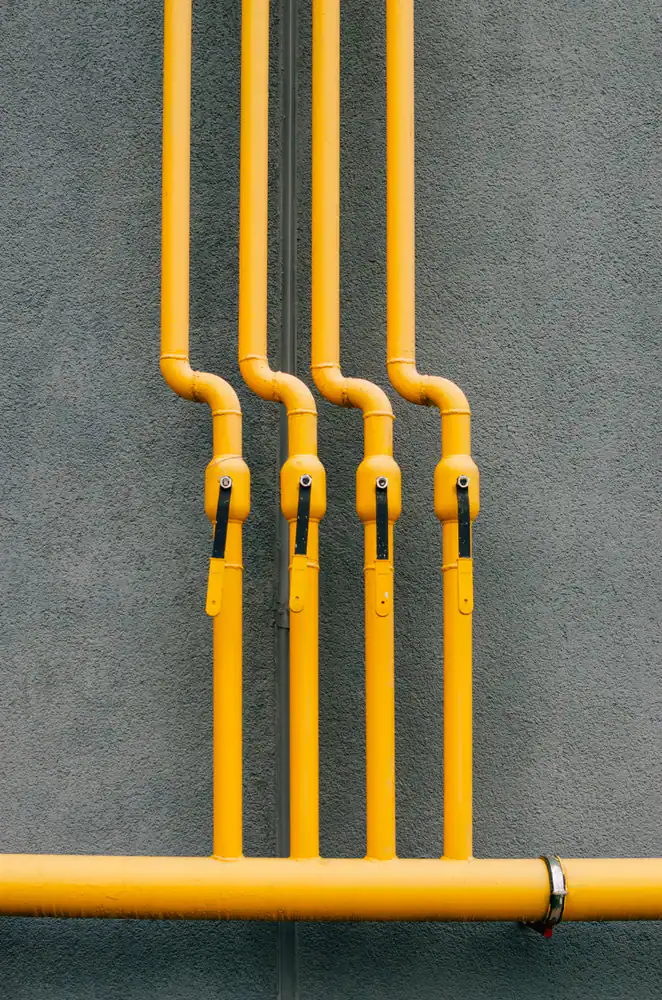
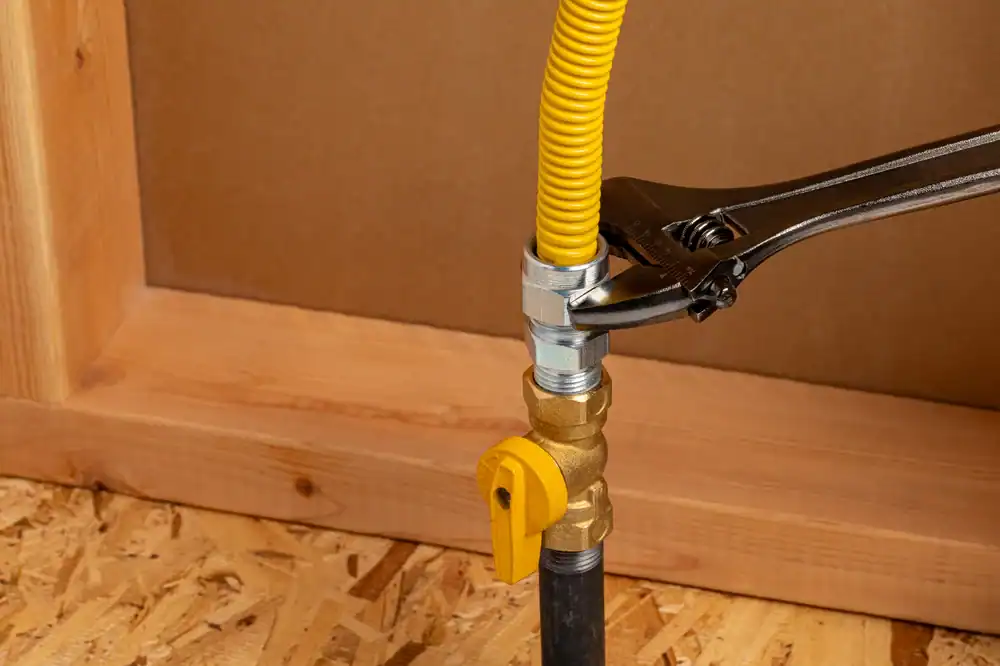
A gas shutoff in Willowbrook hits differently than it might somewhere else. The neighborhood sits inland, away from the harbor, and without the waterfront buffer that softens winters along the North Shore. When National Grid locks your meter in January, you’re dealing with real cold in a home that was built to run entirely on gas — no backup, no workaround, just no heat, no hot water, and no cooking until the job is done right.
The homes along Richmond Avenue, Victory Boulevard, and the blocks in between were built fast in the 1960s and 1970s to meet demand after the bridge opened. That postwar construction boom created a neighborhood full of high-ranches and split-levels with gas piping that is now 40 to 60 years old. Galvanized steel and black iron pipe from that era corrodes from the inside out, and when National Grid’s crew detects a pressure drop, they don’t wait — the meter gets locked and you come home to nothing.
What you need at that point isn’t a lecture about gas safety. You need someone who knows exactly what to file, who to call at National Grid, and how to get a DOB pressure test scheduled and passed on the first visit. That’s the difference between a two-week restoration and a two-month one — and it comes down entirely to who you hire.
We’re a father-and-son operation based at 49 Englewood Ave, right here on Staten Island. Bobby holds Licensed Master Plumber #1169 with the Gas Work Qualification that NYC law requires for any gas restoration work — and when you call, he and Rob Jr. are the ones who show up. Not a crew dispatched from a call center. Us.
We’ve been working Willowbrook and the surrounding Mid-Island neighborhoods for over four decades, which means we’ve been inside the same postwar housing stock — the same high-ranches, the same aging black iron pipe, the same National Grid territory — long before most plumbers advertising on Staten Island today were in the trade. That institutional knowledge matters when you’re trying to move a restoration through DOB and get National Grid back on your schedule.
Our credential stack backs it up: LMP #1169, Licensed Master Fire Suppression Contractor #954B, two FDNY Certificates of Fitness (#89078745 and #88089263), and Certified Backflow Prevention Technician #8422. Every box that needs to be checked for a legal, compliant gas restoration in New York City — we’ve checked it.
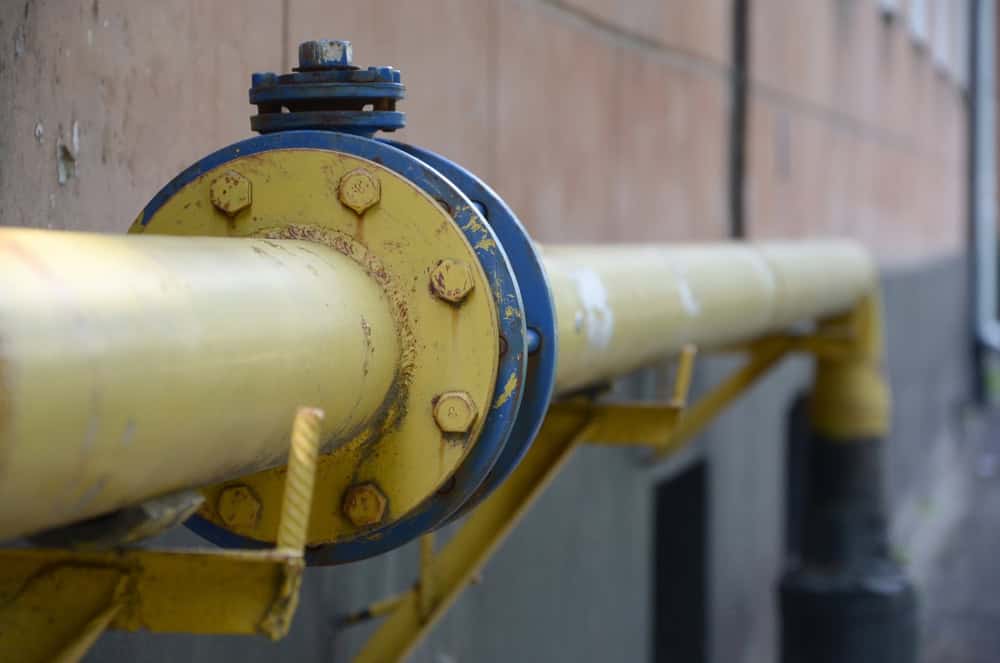
The first thing to understand is that once National Grid locks your meter in Willowbrook, you cannot turn it back on yourself. Tampering with a locked meter is illegal, and the utility won’t restore service until the building’s internal piping has been repaired, inspected, and approved. That sequence has to happen in the right order, and every step has to be handled by a Licensed Master Plumber with a Gas Work Qualification.
Here’s how it actually moves. We file an Emergency Work Notification with the NYC Department of Buildings — this is the legal gateway that authorizes the repair work to begin. From there, the damaged or deteriorated piping gets repaired or replaced, and the system is prepared for a DOB pressure test. That test has to pass on the first attempt. A failed pressure test means restarting the inspection queue, which adds weeks to a restoration that’s already stressful enough.
Once the DOB inspection clears, we notify National Grid to schedule their reconnection. National Grid’s stated timeline once all approvals are in place is one to two days, not exceeding five business days. The whole process — from the day you call to the day your gas is back on — depends almost entirely on how well your plumber manages the paperwork and the coordination between agencies. We handle all of it: the EWN filing, the permit, the pressure test, the DOB inspection, and the National Grid coordination. One call, one team, one point of accountability.
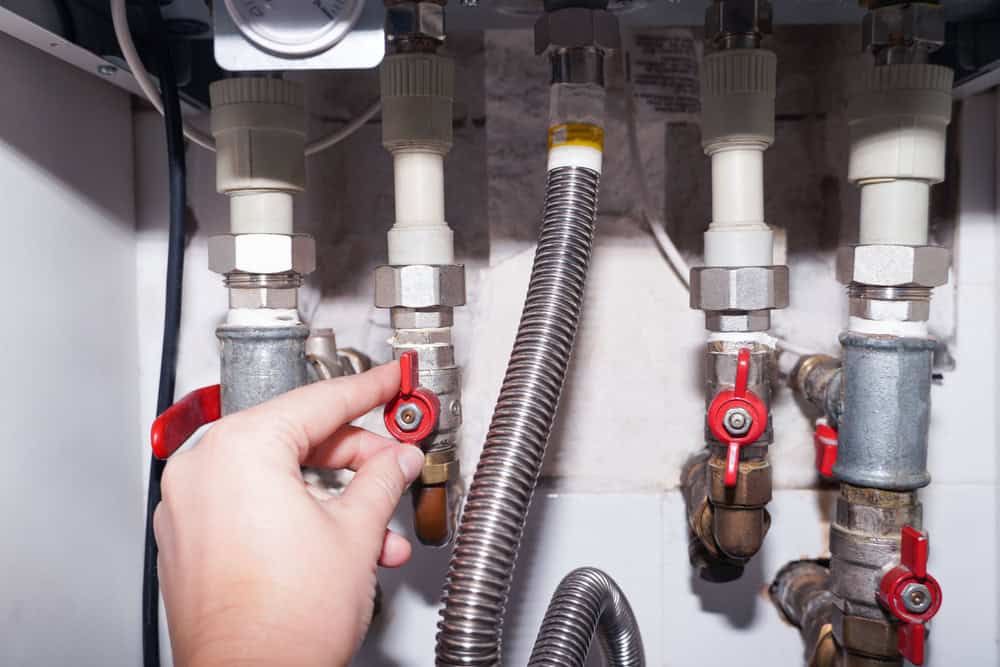
Ready to get started?
Every gas shut down restoration we handle covers the full scope — not just the repair itself, but every regulatory and coordination step required to get your gas legally and safely restored. That means the Emergency Work Notification, the Limited Alteration Application permit through the NYC DOB, the pressure test, the DOB field inspection, and the National Grid reconnection coordination. Nothing gets handed off to you mid-process.
Because all of Willowbrook is National Grid territory — not Con Edison — the restoration process follows National Grid’s specific procedures. That distinction matters. A plumber who primarily works Manhattan or the Bronx knows Con Edison’s system. We’ve been coordinating National Grid restorations on Staten Island for decades and know the utility’s field crew scheduling, documentation requirements, and escalation procedures from direct experience.
For Willowbrook properties that include institutional buildings — synagogues, community centers, or multi-family homes — Local Law 152 compliance inspections may also be relevant. If your building is on the four-year inspection cycle and a failed inspection triggered the shutdown, we handle that side of the process as well. Before any work begins, you receive a full cost breakdown. No hidden charges, no surprise invoices at the end.
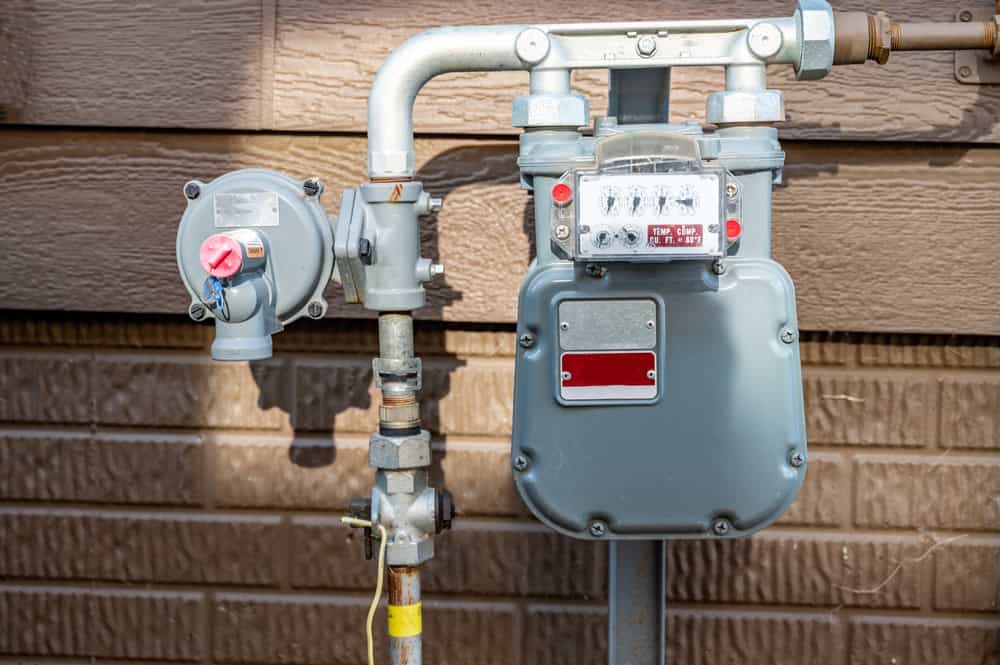
Every home in Willowbrook is served by National Grid for natural gas — not Con Edison. Con Edison handles electricity for Staten Island, but gas is entirely National Grid’s territory across the borough. This distinction matters more than most people realize when a gas shutoff happens.
The restoration process differs between the two utilities. National Grid has its own documentation requirements, its own field crew scheduling system, and its own reconnection timeline. Their stated timeline once all repairs are approved and DOB inspection is cleared is one to two days, not exceeding five business days. But that clock doesn’t start until everything on the plumbing and DOB side is complete and properly filed. A plumber who knows National Grid’s specific process — who to contact, what to submit, and how to move a job through their queue — will get you restored faster than one who’s navigating it for the first time on your job.
The honest answer is that it depends almost entirely on who you hire and how quickly they move through the required steps. The regulatory process involves filing an Emergency Work Notification with the NYC DOB, completing the physical repair, scheduling and passing a DOB pressure test, and then coordinating with National Grid for reconnection. Each of those steps has to happen in sequence, and a delay or error at any point resets the clock.
In a best-case scenario, where the repair is straightforward and the plumber manages the paperwork efficiently, a Willowbrook homeowner can realistically expect the process to take one to three weeks from start to finish. If the DOB pressure test fails, or if the wrong forms are filed, or if National Grid coordination is mishandled, that timeline can stretch to two months or longer. The difference between those two outcomes is not the complexity of the repair — it’s the experience of the plumber handling the process.
It can, yes. The high-ranches and split-levels that define Willowbrook’s residential character were built primarily in the decade following the 1964 Verrazano-Narrows Bridge opening. The gas piping installed in those homes — typically black iron or galvanized steel — is now 40 to 60 years old. Pipe of that age corrodes from the inside out, develops pinhole leaks at joints and fittings, and can fail in multiple locations along the same run.
What that means practically is that when National Grid detects a leak and shuts off service, the repair sometimes involves replacing a longer section of pipe than originally expected — because the adjacent pipe is in similar condition. We assess the full run, not just the obvious failure point, and give you an accurate picture of what needs to happen before the pressure test. That kind of experience with homes of this age and construction type is exactly what prevents a second shutdown six months later.
No — and this is one of the most important things to understand before you hire anyone. Under NYC Local Law 150 of 2016, which took effect January 1, 2020, all gas work in New York City must be performed by a Licensed Master Plumber who also holds a Gas Work Qualification. A standard plumbing license is not enough. Many plumbers who advertise gas work on Staten Island do not hold this specific credential, which means they cannot legally perform the repair, file the required DOB paperwork, or have the work inspected.
If you hire a plumber without the Gas Work Qualification, the DOB will not accept the permit filing, the pressure test cannot proceed, and National Grid will not restore service. You will have paid for work that cannot legally move forward, and you will have to start over with a qualified plumber. You can verify any plumber’s LMP status and Gas Work Qualification directly on the NYC DOB website — the credential cards now include a QR code for instant verification. We hold LMP #1169 with the required Gas Work Qualification.
After a gas line is repaired or replaced, the NYC Department of Buildings requires a pressure test before gas service can be restored. The test verifies that the repaired piping holds pressure without any leaks — it is a hard regulatory gate, meaning National Grid will not reconnect service until the DOB inspection clears and the pressure test passes.
If the test fails, the plumber has to address the failure, reschedule the DOB inspection, and wait for the next available slot. In New York City, DOB inspection scheduling is not always immediate, and a failed test can add one to three weeks to a restoration that’s already dragging. For a Willowbrook homeowner in the middle of a cold winter without heat, that delay is genuinely serious. We prepare the job so that every connection, fitting, and repair point is ready for inspection before the DOB crew arrives — not after. First-time pass rates on DOB pressure tests are one of the clearest indicators of a plumber’s real competence in this work.
Local Law 152 of 2016 requires most New York City buildings — with the exception of single and two-family homes classified as R-3 — to undergo a gas piping inspection every four years on a rolling cycle by community district. The inspection must be performed by a Licensed Master Plumber with a Gas Operator Qualification. If the inspection reveals unsafe conditions, or if a building owner fails to file the required compliance documentation, the DOB can issue a shutdown order.
In Willowbrook, this is most relevant for multi-family properties, commercial buildings, and institutional structures — including the synagogues, community centers, and yeshivas that are part of the neighborhood’s established Orthodox Jewish community. If your building is on the four-year inspection cycle and missed a filing or failed an inspection, that could be the direct cause of your gas shutdown. The path forward in that case involves both remedying the underlying piping issue and filing the correct compliance documentation with the DOB. We handle both the inspection side and the restoration side, so you are not managing two separate contractors through a process that needs to move in one coordinated sequence.
Other Services we provide in Willowbrook