
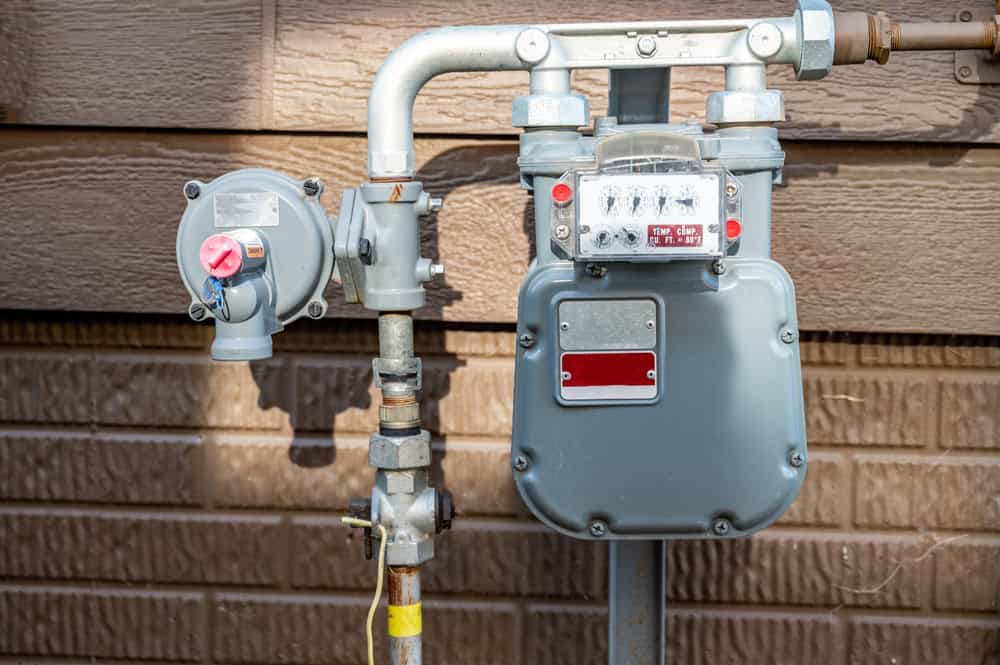
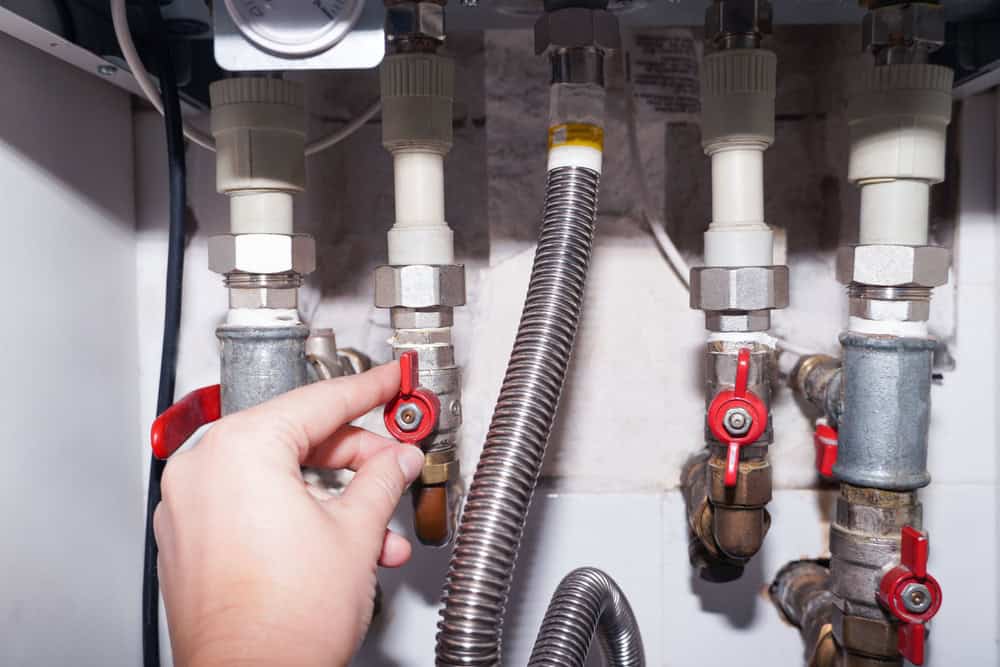
A gas shutoff in Hamilton Park isn’t just an inconvenience — it’s a cold-weather emergency. These homes sit exposed to wind off the Kill Van Kull, and most were built long before modern insulation standards existed. When the gas goes off in January, indoor temperatures in a Victorian on Pendleton Place or Harvard Avenue can drop to dangerous levels within hours.
What you need in that moment is someone who can move fast, file the right paperwork the first time, coordinate with Con Edison through every step of the process, and pass the DOB pressure test without a re-do. A failed pressure test doesn’t just delay your restoration — it sends everything back to square one. The difference between a competent plumber and an inexperienced one on a job like this is often the difference between two weeks without gas and two months.
When we complete the job right, you get your heat back, your hot water back, and the confidence that the work was done by a Licensed Master Plumber — not handed off to someone learning on your landmark home.
We’ve been working Staten Island’s neighborhoods since 1983. That means we were here long before the 2016 gas law overhaul changed everything, and we’ve navigated every regulatory shift since. Bobby and Rob Jr. — the father-son team behind RB Mechanical Plumbing and Heating — have worked on North Shore homes, including the kind of aging Victorian-era building stock that defines Hamilton Park. When you call, we’re the ones who show up. Not a crew you’ve never met.
Every job we take on is performed by a Licensed Master Plumber holding a Gas Work Qualification — LMP #1169, verifiable on the NYC DOB website. That credential isn’t a formality. Under Local Law 150 of 2016, it’s the only thing that legally authorizes gas restoration work in New York City. We also hold two FDNY Certificates of Fitness, which matters when a job involves re-lighting and inspecting boilers and water heaters after service is restored — common in the older homes along Richmond Terrace and Brighton Heights.
No hidden charges. No surprise invoices. A detailed cost breakdown before work starts, every time.
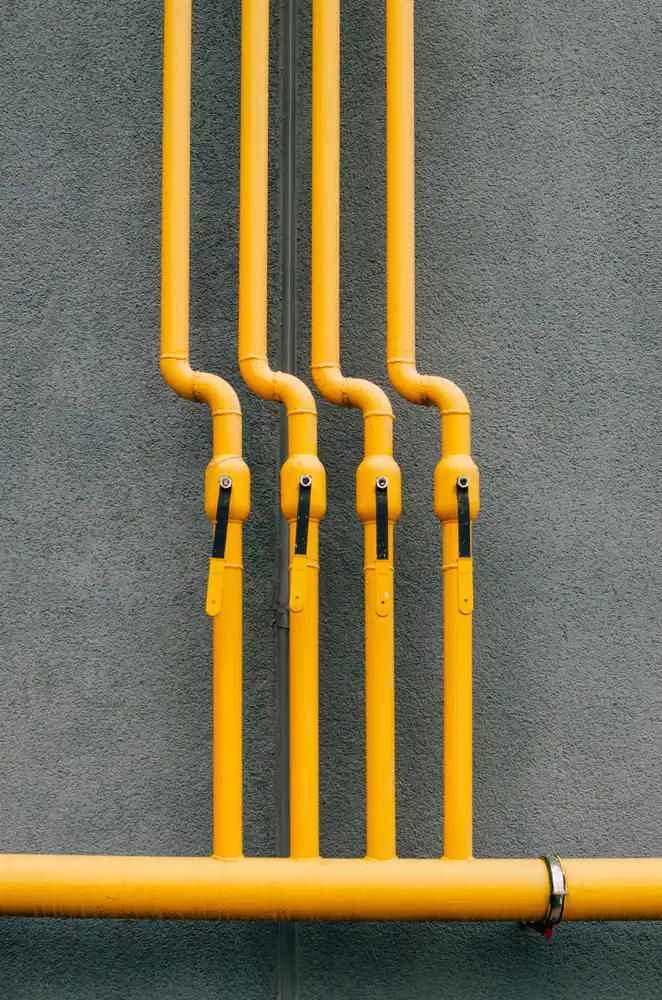
The first thing to understand is that once Con Edison locks your meter, you cannot turn it back on yourself. Tampering with a locked meter is illegal and won’t work — the utility controls that step, and they only come back after a licensed plumber has completed the repair work and the job has passed inspection. That’s the sequence, and there are no shortcuts in it.
Here’s how the process actually moves. We start by filing an Emergency Work Notification with the NYC Department of Buildings — that’s the legal gateway to beginning emergency gas repair work. From there, the scope of the repair is assessed, permits are filed through the DOB, and the physical work gets done. In Hamilton Park’s older homes, that often means identifying failing sections of cast iron or galvanized steel piping that have been corroding for decades, isolating the problem, and replacing what needs to go. The North Shore’s coastal environment accelerates that kind of corrosion, so what looks like a single leak point can sometimes be a broader system issue.
Once the repair is complete, a DOB pressure test is scheduled. This is a hard regulatory gate — the gas stays off until the system passes. After that, Con Edison does their own two-step sign-off: a visual inspection of the repair work, followed by a leak test by their field crew. We coordinate both. When everything clears, the utility restores service. Con Edison’s typical timeline after all approvals are in place runs one to three weeks. Our goal is to keep every step moving so nothing stalls unnecessarily.
Ready to get started?
Hamilton Park’s homes are among the oldest residential structures in Staten Island — many built in the 1850s and 1860s, some listed on the National Register of Historic Places, and a few carrying individual NYC landmark status. Gas piping in these buildings reflects that age. Cast iron lines, original galvanized fittings, and connections that have been patched and re-patched over generations don’t behave like the piping in a newer home. Identifying where the real problem is — and fixing it in a way that passes a modern DOB pressure test — requires experience with aging infrastructure, not just general plumbing knowledge.
We handle the full scope of what gas restoration in Hamilton Park actually requires: Emergency Work Notification filing, DOB permit coordination, physical pipe repair or replacement, pressure testing, Con Edison coordination through their inspection and leak test process, and final utility reconnection sign-off. That’s one call, one team, no hand-offs.
For buildings in New Brighton’s denser multi-family zones — where a single shutoff can leave multiple households without heat, hot water, and cooking gas simultaneously — the same complete process applies. Local Law 152 compliance inspections are also available for buildings in Community District 1 that are approaching their four-year inspection cycle. Catching a problem during a scheduled inspection is significantly less disruptive than dealing with an emergency shutoff after the fact.
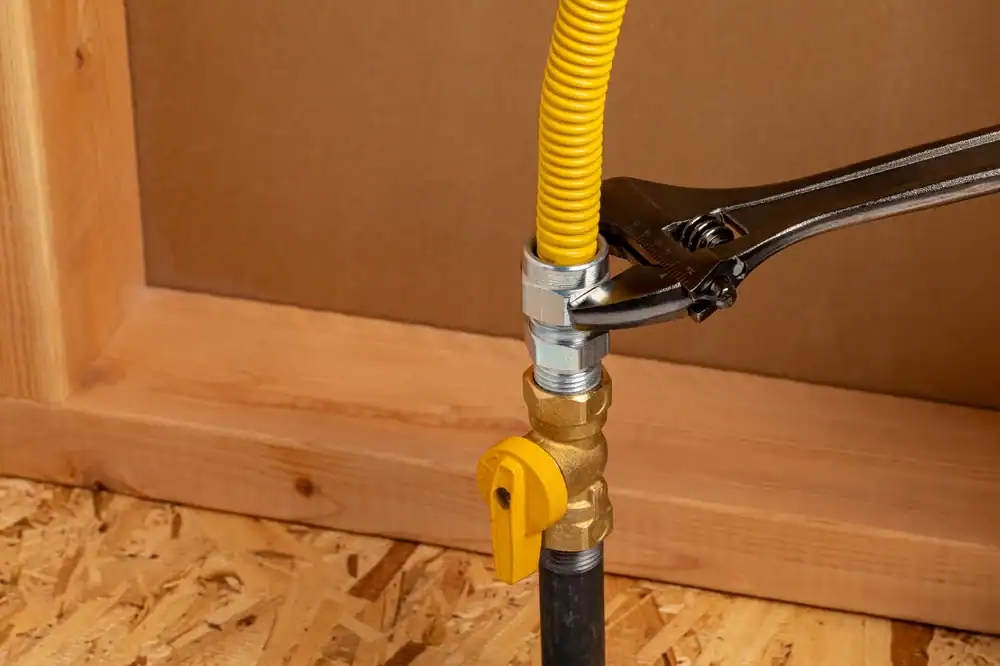
The honest answer is that it depends on how fast the repair work moves and whether the paperwork is filed correctly the first time. Once the physical repair is complete and the DOB pressure test is passed, Con Edison’s restoration timeline typically runs one to three weeks from the point all approvals are in place. That’s the utility’s side of the process, and it doesn’t speed up regardless of how urgent your situation is.
What does speed up — or slow down — is everything that happens before Con Edison gets involved. Filing the Emergency Work Notification promptly, pulling the correct DOB permit, completing the repair work, and scheduling the pressure test without delays are all within our control. In Hamilton Park specifically, older homes sometimes surface additional issues during the repair — corroded sections of pipe that weren’t visible until the wall was opened, for example — which can extend the timeline if the plumber isn’t prepared for what aging North Shore infrastructure looks like. Working with us means you’re working with someone who has seen the inside of these homes before, which makes a real difference in how quickly things move.
No — and this is one of the most important things to understand before you hire anyone. Under Local Law 150 of 2016, which took effect January 1, 2020, all gas work in New York City must be performed by a Licensed Master Plumber who also holds a Gas Work Qualification. A standard plumbing license alone is not enough. Many licensed plumbers do not have this specific qualification, which means they cannot legally touch your gas piping, perform the pressure test, or submit the required documentation to the DOB.
Before you hire anyone for gas restoration, ask for their LMP license number and confirm that their Gas Work Qualification is active. You can verify both on the NYC DOB website — the qualification cards now include a QR code for instant verification. We hold LMP #1169 with an active Gas Work Qualification. In a neighborhood like Hamilton Park, where the infrastructure is complex and the stakes of a failed inspection are high, hiring someone without the right credentials doesn’t just delay your restoration — it can make the situation significantly worse.
Con Edison’s job is to deliver gas to your building and to shut it off when they detect a safety issue. Repairing the gas piping inside your building — and getting it back to a state where it passes inspection — is entirely the building owner’s responsibility. Con Edison will not fix internal piping. They come back at the end of the process to restore service, not to do the repair work.
For tenants in Hamilton Park’s multi-family buildings, this distinction matters. If your landlord is telling you they’re “working on it” but weeks are passing without visible progress, you have options. Filing an HPD complaint and contacting 311 puts the landlord on record and can accelerate action. Tenants also have the right to pursue an HP Action in Housing Court and may be entitled to retroactive rent abatement for the period without service. In New Brighton’s denser residential zones, where a single shutoff can affect multiple units simultaneously, knowing your rights as a tenant is as important as understanding the repair process itself.
An Emergency Work Notification, or EWN, is a filing submitted to the NYC Department of Buildings that authorizes a Licensed Master Plumber to begin emergency gas repair work. It’s the legal starting point for the restoration process — without it, work cannot begin under emergency conditions. The EWN is filed by email directly with the DOB’s LAA Unit, and it must be submitted by the Licensed Master Plumber, not the building owner or tenant.
In most gas shutoff situations in New York City — including those triggered by Con Edison in Hamilton Park — an EWN is the first step. It’s separate from the full DOB permit, which comes after, and it’s separate from the utility’s own sign-off process, which comes at the end. The reason the sequence matters is that skipping or mishandling any step sends the whole process backward. An experienced plumber who knows the DOB’s filing requirements and has done this process many times will move through it faster and with fewer complications than someone encountering it for the first time.
The age of the infrastructure is the main factor. Homes in Hamilton Park were built primarily in the 1850s and 1860s — before the Civil War — and the gas piping running through them reflects that history. Even where lines have been partially updated over the decades, it’s common to find original or early-generation cast iron and galvanized steel sections that have been corroding for a very long time. The Kill Van Kull waterfront location accelerates that corrosion — coastal salt air and moisture work on metal piping in ways that don’t apply to mid-island or South Shore neighborhoods.
What this means practically is that a gas shutoff in a Hamilton Park Victorian is often not a single-point failure. When we open the wall or trace the line, we may find that the problem is more systemic than the original leak suggested. A plumber who isn’t familiar with aging North Shore infrastructure can be caught off guard by this, which leads to delays, re-work, and sometimes additional DOB filings. For homes that also carry NYC landmark status — like the Pendleton Houses on Pendleton Place — any work that touches historic fabric adds another layer of care that not every contractor is prepared to provide.
Local Law 152 is a New York City law that requires most buildings — anything beyond a single or two-family home — to undergo a gas piping inspection every four years. The inspections are on a rolling cycle by community district, and Hamilton Park falls within Staten Island Community District 1. If your building is due for an inspection and it hasn’t been done, or if a previous inspection flagged issues that weren’t addressed, you’re already carrying risk of a DOB-initiated gas shutoff.
The inspection itself must be performed by a Licensed Master Plumber with a Gas Operator Qualification. If the inspection surfaces problems — corroded sections, failing joints, pressure issues — those repairs need to happen before the building can be certified as compliant. In Hamilton Park’s older building stock, inspections frequently do surface issues, simply because the infrastructure is old. The practical advantage of working with us is that we handle both the LL152 inspection and any repair work that follows. You’re not coordinating two separate contractors or waiting for one to hand off paperwork to another — the same licensed team that identifies the problem is the one that fixes it.
Other Services we provide in Hamilton Park