
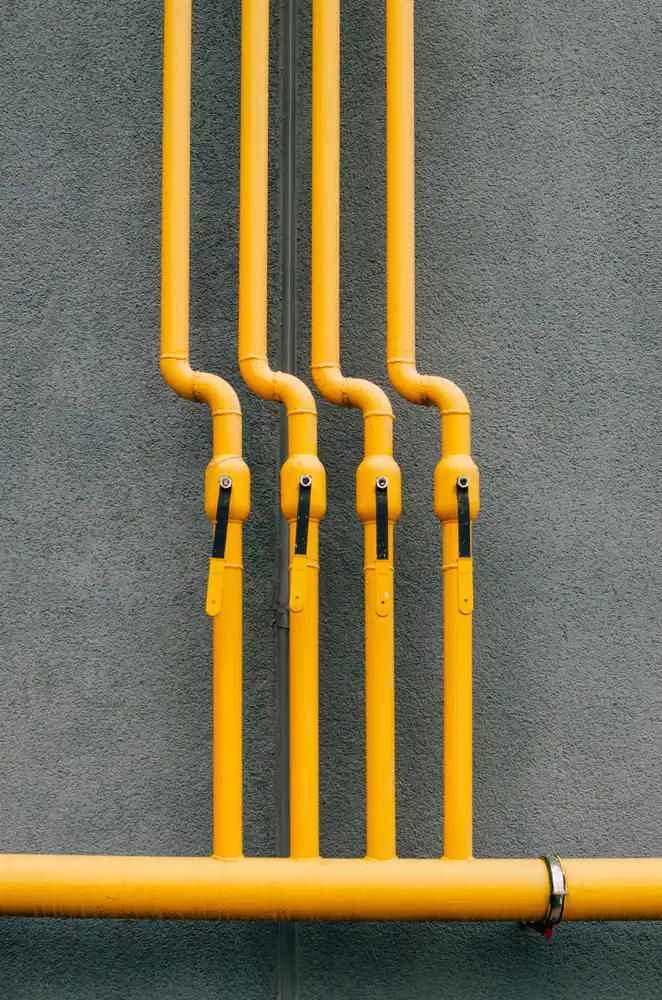
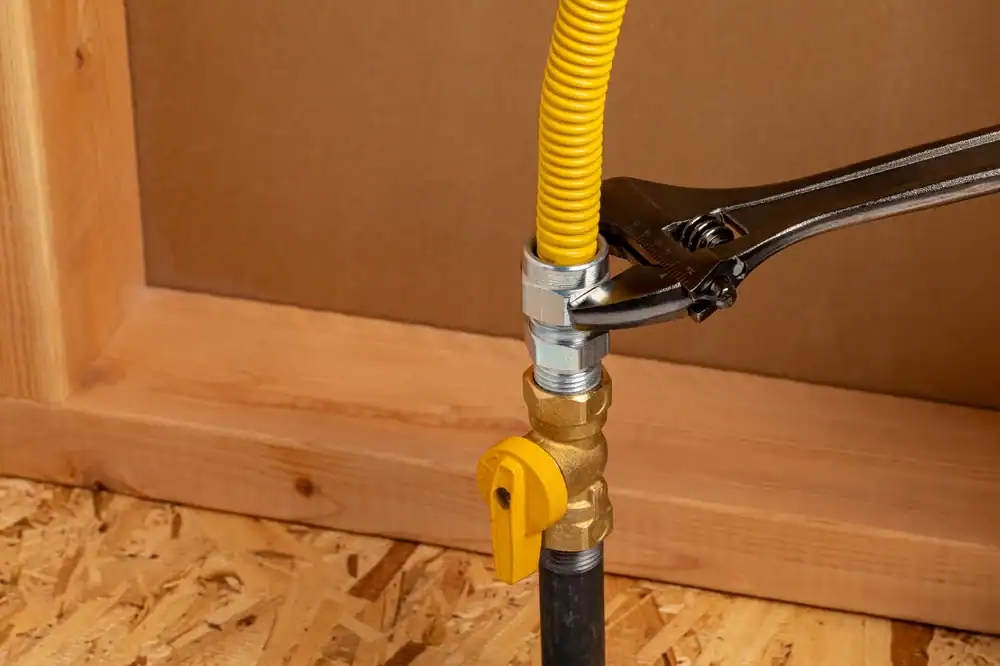
A gas shutdown in Rosebank isn’t just an inconvenience — it’s a household crisis. No heat, no hot water, no cooking gas. And in a neighborhood where a significant portion of homes were built before 1940, the pipes behind your walls have been working hard for a long time. When National Grid’s detection equipment picks up a leak and locks your meter, the underlying cause is often corrosion that’s been building quietly for years.
Getting your gas restored isn’t just about flipping a switch. It’s about finding a plumber who understands what’s actually happening inside those walls and fixes it properly. Rosebank’s location on Upper New York Bay adds another layer to this. The coastal humidity along Bay Street and the blocks running down toward the Alice Austen House accelerates corrosion in older gas piping in ways that inland Staten Island neighborhoods simply don’t experience. That’s a real, local condition that affects how gas systems age here — and it’s the kind of thing that only shows up as a problem when it’s already urgent.
When we complete the restoration the right way, you get more than gas back. You get a job that passes the DOB pressure test the first time, paperwork that’s filed correctly from the start, and National Grid back on your doorstep to restore service on their fastest possible timeline — which is 1 to 2 days once everything clears, with a maximum of 5 business days. That’s the difference between a two-week outage and a two-month one.
We’ve been doing gas work on Staten Island since 1983 — that’s four decades of navigating National Grid’s restoration process, filing Emergency Work Notifications with the DOB, and passing pressure tests the first time around in Rosebank and across the borough. We understand the aging housing stock here: the pre-war two-families on Tompkins Avenue, the multi-unit buildings on the hillside blocks off Hylan Boulevard, the older single-family homes scattered through the neighborhood.
Bobby and Rob Jr. are the ones who show up. Not a crew dispatched from a call center — the Licensed Master Plumber himself, on your property in Rosebank, doing the work. LMP #1169 with Gas Work Qualification is the credential that makes gas restoration legal in New York City under Local Law 150 of 2016, and you can verify it directly on the NYC DOB website. We also hold FDNY Certificates of Fitness #89078745 and #88089263, which matter when boilers and water heaters need to be re-lit and inspected as part of getting your system back online.
For a neighborhood like Rosebank — where community roots run deep and people remember who did good work and who didn’t — that kind of personal accountability isn’t a selling point. It’s just how we’ve always operated.
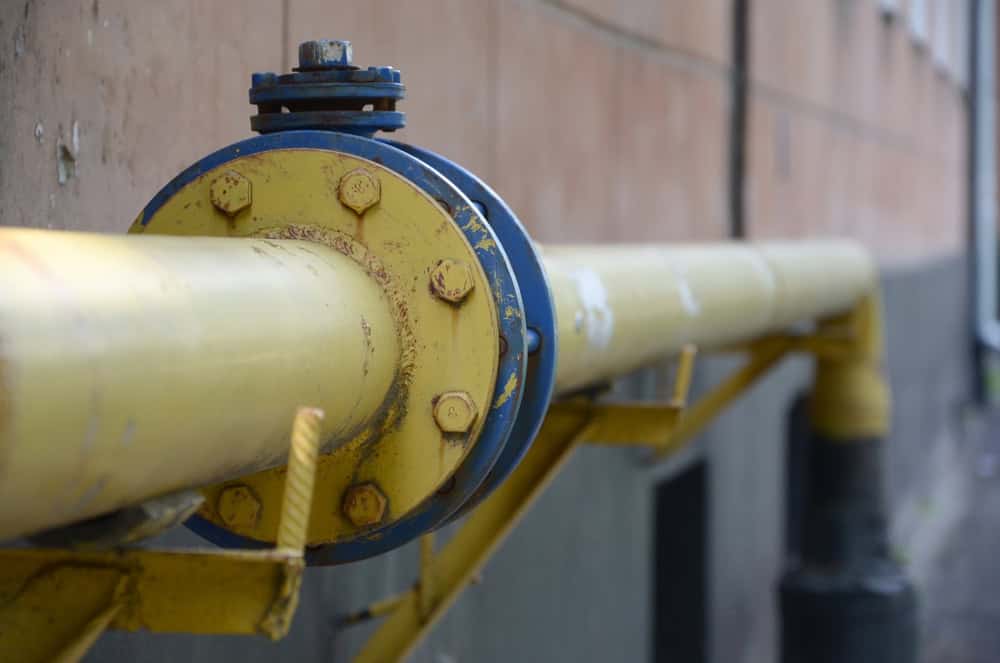
The first thing to understand is that you cannot restore your own gas once National Grid locks the meter. Tampering with a locked meter is illegal and dangerous — and the utility won’t reconnect until a Licensed Master Plumber with a Gas Work Qualification has completed the repair and the work has passed inspection.
We begin by assessing the full scope of the problem — not just the section that triggered the shutoff. In Rosebank’s older homes, a leak at one fitting often signals broader corrosion in the surrounding pipe. Getting this right upfront is what prevents a second shutdown six months later. Once the scope is clear, an Emergency Work Notification is filed with the NYC DOB, which is the legal authorization to begin emergency repair work. Permits are pulled, the repair is completed, and then a DOB pressure test is scheduled.
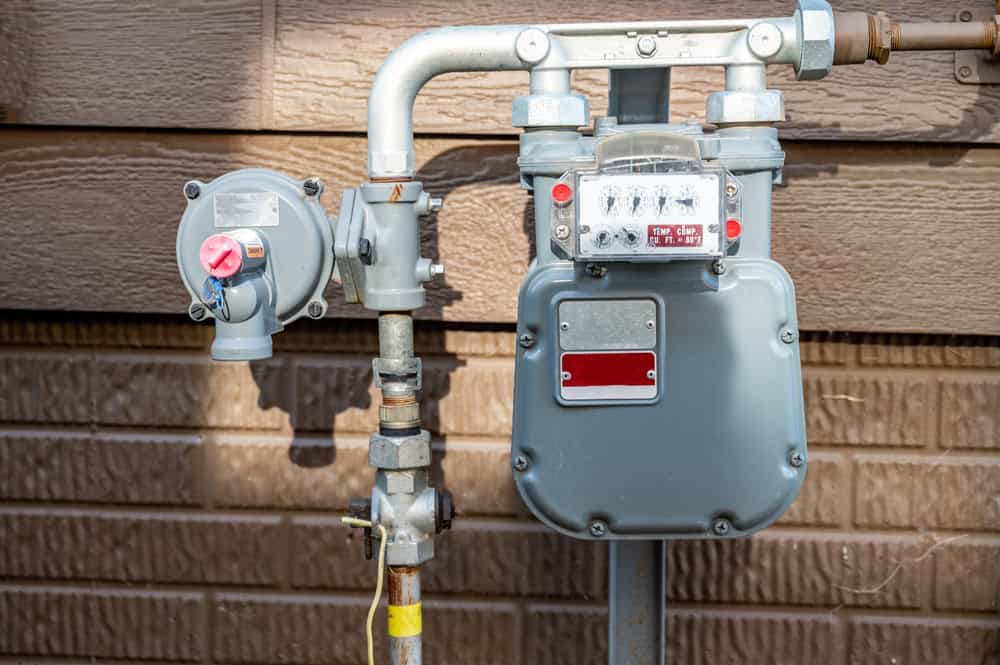
This is a hard regulatory gate — gas cannot be restored until the system holds pressure to the DOB’s standard. After the pressure test passes, National Grid coordinates the final reconnection on their end. For Staten Island, that process typically runs 1 to 2 days once all approvals are in place. We handle the coordination with National Grid directly — you don’t need to manage that back-and-forth yourself. The goal is to move through every step as cleanly as possible so National Grid’s clock starts on time and runs as fast as the system allows.
Ready to get started?
Gas restoration in Rosebank involves more moving parts than most people realize. It’s not just a repair — it’s a coordinated sequence of regulatory steps, and missing any one of them delays everything that comes after. We handle the full process: leak detection and diagnosis, pipe repair or replacement, Emergency Work Notification filing with the NYC DOB, permit coordination, pressure testing, scheduling the DOB inspection, and managing the National Grid reconnection sign-off on the Staten Island side.
For Rosebank’s two-family homes and older multi-unit buildings — where a single gas shutdown affects multiple households at once — that full-service approach matters even more. Building owners managing rental properties along Tompkins Avenue or the hillside blocks off Hylan Boulevard don’t need to learn the difference between an Emergency Work Notification and a Limited Alteration Application. We know the paperwork, know the process, and know how National Grid’s Staten Island field operations work.
Local Law 152 compliance is also part of the picture for most Rosebank buildings. If your building is due for a gas piping inspection under the 4-year cycle for Community Board 1, or if a failed inspection triggered your shutdown, that’s handled as part of the same process — not as a separate engagement. Before any work begins, you get a detailed cost breakdown. No hidden charges. No surprise invoice at the end.
National Grid’s stated timeline for restoring gas service once all the work is complete and approved is 1 to 2 days, with a maximum of 5 business days. But that clock doesn’t start until the plumber’s repair has passed the DOB pressure test and National Grid has given its sign-off on the work. The total time from shutdown to restored service depends almost entirely on how quickly and correctly the plumber moves through the steps before that.
In practice, the biggest delays come from paperwork errors, failed pressure tests, or a plumber who doesn’t know how to coordinate with National Grid’s Staten Island field team. A plumber who gets the Emergency Work Notification filed correctly, completes the repair to DOB standard, and passes the pressure test on the first attempt puts you in the best possible position. We’ve been navigating this exact process in Rosebank and across Staten Island for over 40 years — that institutional knowledge is what keeps the timeline as short as the system allows, not longer.
No — and this is one of the most important things to understand before you hire anyone. Since January 1, 2020, under Local Law 150 of 2016, all gas work in New York City must be performed by a Licensed Master Plumber who also holds a Gas Work Qualification. A standard plumbing license is not enough. Many licensed plumbers do not hold this additional qualification, which means they cannot legally perform gas restoration work, file the required permits, or conduct the pressure test that the DOB requires before gas can be restored.
You can verify any plumber’s LMP status and Gas Work Qualification directly on the NYC DOB website — the credential cards now include a QR code for instant verification. We hold LMP #1169 with Gas Work Qualification. If a plumber can’t give you a verifiable license number or hesitates when you ask about their Gas Work Qualification, that’s a serious red flag — especially in a neighborhood like Rosebank where older homes and aging infrastructure make getting this right the first time even more critical.
The most common trigger in Rosebank is a gas leak detected by National Grid during a routine inspection or in response to a reported smell. In a neighborhood where more than 17% of homes were built before 1940, the gas piping in many of these houses is original or near-original — cast iron and bare steel that has been in the ground or behind the walls for decades. These materials corrode over time, and Rosebank’s location on Upper New York Bay means coastal humidity is working on those pipes year-round in ways that don’t affect inland parts of Staten Island.
The second most common cause is a DOB-ordered shutdown following a failed Local Law 152 inspection or unpermitted work discovered during a renovation. Rosebank has seen significant development pressure in recent years — older properties being converted for rental use, teardowns being replaced with new two-family homes — and unpermitted gas work during those renovations is a documented trigger for DOB shutoffs. In either case, the fix requires a Licensed Master Plumber with a Gas Work Qualification, proper permitting, and a passed pressure test before National Grid will restore service.
An Emergency Work Notification, or EWN, is the legal authorization from the NYC Department of Buildings that allows a Licensed Master Plumber to begin emergency gas repair work. It’s filed by email to the DOB’s LAA Unit and is required before any emergency gas restoration work can legally start. Without it, the plumber isn’t authorized to touch the system, and any work done without it won’t be recognized during the inspection process.
For most gas shutoffs in Rosebank — whether triggered by National Grid detecting a leak or by a DOB violation — the EWN is the first step in the restoration process. It’s not a formality; it’s what puts the job on the DOB’s radar and starts the clock on the permit and inspection sequence. A plumber who skips this step or doesn’t know it’s required will create problems downstream that add weeks to your outage. We handle EWN filing as a standard part of every gas restoration engagement — it’s built into the process, not an afterthought.
If you’re a tenant in a Rosebank rental property and your gas has been shut off, you have real legal options — and waiting passively often extends the outage. The NYC Department of Housing Preservation and Development (HPD) can issue a violation against the building owner for failure to restore gas service. You can file a complaint through 311, and HPD will send an inspector. If the landlord still doesn’t act, you can file an HP Action in Housing Court to compel repairs. Tenants may also be entitled to a rent abatement — typically 10 to 20 percent retroactively — for the period without gas service.
The practical reality is that landlords who are told “we’re working on it” but aren’t moving quickly often need external pressure to act. Knowing your rights and using them — HPD complaint, 311, Housing Court — creates that pressure. If you’re a building owner in Rosebank managing a multi-unit property and your gas has been shut off, the fastest path forward is hiring a Licensed Master Plumber with a Gas Work Qualification who can handle the full restoration process, including the DOB filings and National Grid coordination, without you having to manage every step.
Yes — and that matters more than it might seem. The gas restoration process in NYC involves two separate tracks running in parallel: the DOB side (Emergency Work Notification, permit filing, pressure test, final inspection) and the utility side (National Grid coordination, reconnection scheduling, field sign-off). A plumber who handles the repair but leaves you to manage the National Grid coordination on your own is handing you a job you’re not equipped for — and delays on the utility side can add weeks to an already stressful situation.
We manage both tracks from start to finish. That includes filing the Emergency Work Notification with the DOB, completing the permitted repair work, passing the pressure test, scheduling the DOB inspection, and coordinating directly with National Grid’s Staten Island field team for the reconnection. For Rosebank homeowners and building owners who are already dealing with the disruption of a gas outage — no heat, no hot water, households in distress — not having to project-manage the regulatory process on top of everything else is a significant part of what makes the difference between a manageable situation and a prolonged one.
Other Services we provide in Rosebank