
A gas shutoff in Rossville doesn’t just mean an inconvenience — it means no heat, no hot water, and no cooking, all at once. For a neighborhood where nearly every home was built between 1970 and 1999 and relies entirely on gas-fired systems for warmth, that’s not a minor disruption. It’s a crisis that hits fast and, if you call the wrong plumber, can drag on for weeks.
The right outcome here is simple: gas restored correctly, on the first attempt, without a failed pressure test or a misfiled permit adding days to your wait. Rossville’s aging housing stock — much of it now 30 to 50 years old — means the gas infrastructure in your home is entering its most vulnerable window. When National Grid’s crews detect a problem and shut the meter off on the spot, you need someone who already knows this neighborhood’s building stock, knows National Grid’s Staten Island restoration process, and can move through every required step without stalling.
That’s what a clean, first-time-right gas restoration looks like. Heat back on. Hot water running. Family back to normal. No surprise bills at the end.
We’ve been doing gas work in Staten Island since 1983 — which means we’ve been working in Rossville’s streets, developments, and condo communities since before most of the neighborhood’s current housing stock was built. Our business address is 49 Englewood Ave, Staten Island, NY 10309. That’s the same ZIP code as Rossville. We’re not a company that added your neighborhood to a service area map — we’re already here.
Bobby and Rob Jr. run the business together, and when you hire us, that’s exactly who shows up. Every job is performed by Licensed Master Plumber #1169 — not passed off to an unlicensed crew. In a tight-knit, owner-occupied community like Rossville, that kind of accountability isn’t a selling point. It’s just how the work should be done.
From Fawn Ridge condos to single-family homes along Arthur Kill Road, we’ve handled gas restoration across Rossville’s full range of housing types. We know what’s in the walls, we know National Grid’s process for the 10309 service territory, and we know how to get your gas back on without turning a two-week job into a two-month ordeal.
Most homeowners have no idea what’s involved between the moment National Grid locks the meter and the moment gas service is restored. That gap in understanding is exactly where bad experiences happen — because people hire whoever answers the phone first, without knowing whether that plumber can actually navigate what comes next.
Here’s how it works. First, an Emergency Work Notification has to be filed with the NYC Department of Buildings. This is the legal gateway to beginning any gas restoration work, and it has to be filed by a Licensed Master Plumber holding a Gas Work Qualification. Without that credential, the plumber can’t legally touch the job. Once the EWN is accepted, the physical repair work begins — finding the problem, fixing the pipe, replacing what needs to be replaced.
In Rossville’s 1970s-era homes, that often means aging black iron pipe that’s corroded from the inside out over decades of coastal humidity near the Arthur Kill waterfront. After the repair, a DOB pressure test is required before anything else can happen. Pass it, and the DOB inspection gets scheduled. Once that clears, National Grid coordinates the utility-side reconnection.
Their stated timeline is one to two days once everything is properly filed and approved — but only if the plumber has navigated every prior step correctly. We handle all of it: the EWN, the permit, the repair, the pressure test, the DOB inspection, and the National Grid coordination. One call covers the whole process.
Ready to get started?
Gas shut down restoration in Rossville isn’t a single task — it’s a sequence of coordinated steps involving the NYC DOB, National Grid, and a Licensed Master Plumber who knows how to move through all of them without stalling. We handle the full scope: Emergency Work Notification filing, Limited Alteration Application permit, physical pipe repair or replacement, DOB pressure testing, inspection coordination, and National Grid reconnection sign-off.
For homeowners in Fawn Ridge or Woodbrooke Estates, the complexity goes up. A gas problem in an attached condo building doesn’t just affect your unit — it can shut down an entire building’s heat and hot water simultaneously. Building-level gas restoration requires pressure testing the full system, DOB filings for the entire building, and National Grid coordination at the building level.
We have the credentials and the multi-unit restoration experience to handle it, and we do it in a way that’s designed to pass inspection on the first attempt. All gas work is performed by Licensed Master Plumber #1169 with Gas Work Qualification — the specific credential required under Local Law 150 of 2016 for any gas restoration work in New York City.
We also hold two FDNY Certificates of Fitness (#89078745 and #88089263), which matter when restoration involves re-lighting boilers, water heaters, and appliances after service is reconnected. Before work begins, you get a detailed cost breakdown. No hidden charges. No surprise invoice at the end.
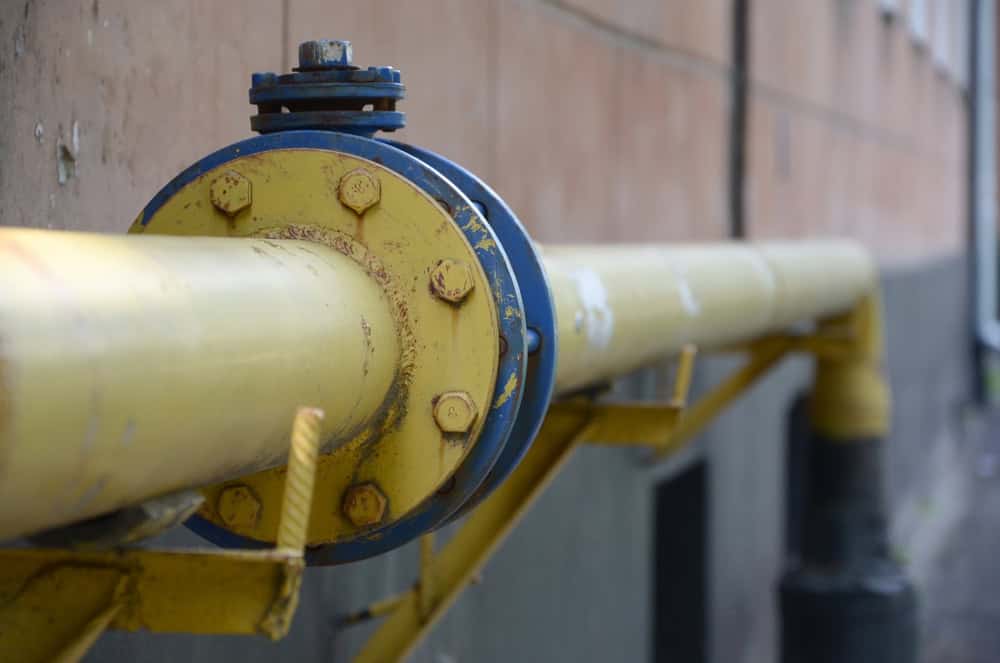
National Grid is the gas utility for all of Staten Island, including Rossville. Con Edison handles gas service in Manhattan and the Bronx — not here. This distinction matters more than most people realize when your gas gets shut off, because the restoration process, the paperwork, and the utility-side coordination all run through National Grid’s Staten Island service team, not Con Edison’s.
If you’ve been searching online and found information about Con Edison’s gas restoration process, some of it may apply in general terms, but the specific steps, contacts, and timelines are different. National Grid states it can restore service within one to two days — not exceeding five business days — once all repair work is complete and properly filed. Getting there quickly depends entirely on hiring a plumber who knows National Grid’s process for the 10309 service territory, not one who primarily works with a different utility across the borough.
National Grid’s official position is that they can restore service within one to two days once the plumber’s work is complete, approved, and properly filed — with a maximum of five business days. That timeline sounds manageable, but it only holds when every prior step has been handled correctly. The real variable isn’t National Grid’s schedule. It’s whether your plumber filed the Emergency Work Notification properly, whether the repair passed the DOB pressure test on the first attempt, and whether the DOB inspection was scheduled and completed without delays caused by paperwork errors.
When those steps go wrong — misfiled permits, failed pressure tests, incomplete coordination — a restoration that should take one to two weeks can stretch into months. In Rossville, where many homes were built in the 1970s and 1980s and are now showing their age in the gas infrastructure, the repair work itself can also be more involved than a simple fitting replacement. The more experienced the plumber, the faster and cleaner the whole process moves.
No. Since January 1, 2020, all gas work in New York City — including gas restoration after a shutoff — must be performed by a Licensed Master Plumber who holds a Gas Work Qualification. This is a separate credential from the standard LMP license, and many plumbers who are otherwise licensed do not have it. If a plumber without this qualification attempts gas restoration work, the job cannot be legally completed, the DOB inspection cannot proceed, and National Grid will not restore service.
You can verify any plumber’s LMP status and Gas Work Qualification on the NYC DOB website. Gas qualification cards now include a QR code for instant verification. We hold LMP #1169 with Gas Work Qualification — the specific credential the law requires. Before you hire anyone for gas restoration in Rossville, it’s worth taking 60 seconds to confirm their qualification status. In a space where unlicensed operators are a real risk, that verification step protects you from hiring someone who can’t legally finish the job.
An Emergency Work Notification, or EWN, is a filing submitted to the NYC Department of Buildings that authorizes emergency gas restoration work to begin. It’s the legal first step in the process — without it, no licensed plumber can lawfully start the repair. The EWN is filed by email to the DOB’s LAA Unit, and it must be submitted by a Licensed Master Plumber with Gas Work Qualification. This requirement has been in place since November 2016 and applies to all gas restoration work in New York City, including every home and condo in Rossville.
After the EWN is accepted, the plumber can proceed with the physical repair work, followed by the DOB pressure test and inspection. For homeowners in Rossville who’ve never dealt with a gas shutoff before, the EWN requirement is often the first surprise — and the first place where an inexperienced plumber can cause delays by filing it incorrectly or incompletely. We handle the EWN filing as part of the full restoration process, so you don’t have to manage any of the regulatory steps yourself.
It can, and in many cases it does. In attached townhome and condo buildings like those in Fawn Ridge and Woodbrooke Estates, the gas distribution system is shared infrastructure. A problem detected in one part of the building — a corroded fitting, a failing valve, a leak in a shared riser — can trigger a shutoff that affects every unit connected to that line. When National Grid shuts off gas to a condo building in Rossville, every resident loses heat, hot water, and cooking gas simultaneously, and the homeowners association becomes responsible for coordinating the restoration.
Building-level gas restoration is meaningfully more complex than a single-family home job. It requires pressure testing the full building system, DOB filings for the entire building’s gas piping, and National Grid coordination at the building level rather than a single meter. The stakes are also higher — dozens of residents are waiting on the outcome. We have handled multi-unit gas restoration for exactly this type of attached housing, and we carry the credentials and experience to get it done in a way that passes inspection the first time.
It comes down to age and location. Rossville’s residential housing was built almost entirely between 1970 and 1999 — a window that’s now 25 to 55 years in the past. Gas infrastructure installed during that era, particularly the black iron pipe common in 1970s construction, corrodes from the inside out over decades. Fittings degrade. Joints loosen. And the problem doesn’t always announce itself — National Grid leak detection crews often find issues during routine patrols before a homeowner notices anything wrong, and when they do, they shut the meter off on the spot.
Rossville’s proximity to the Arthur Kill waterway adds another layer. Homes on the western side of the neighborhood are exposed to higher ambient humidity and salt air than inland Staten Island areas, which accelerates corrosion in older gas fittings over time. This doesn’t mean every home in Rossville has a gas problem waiting to happen — but it does mean the neighborhood’s housing stock is entering the age range where proactive inspections and prompt repairs matter most. Local Law 152 requires periodic gas piping inspections for most buildings in New York City on a four-year cycle. Staying current on that inspection is one of the most reliable ways to catch a problem before National Grid does.
Other Services we provide in Rossville