
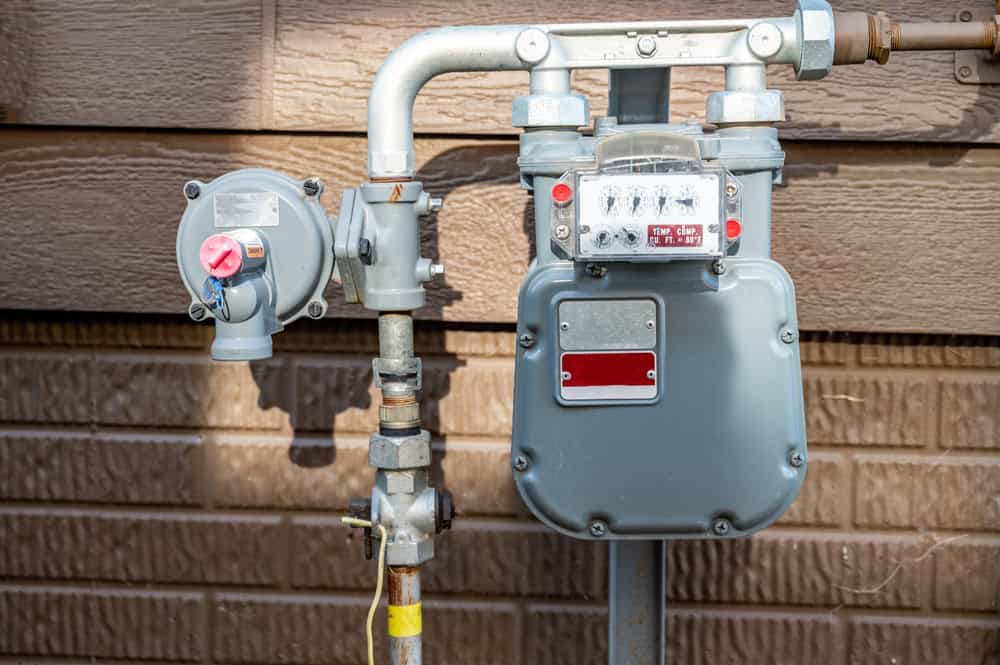
A gas shutoff doesn’t just cut off a utility. In Westerleigh, where a significant portion of homes were built in the 1920s and 1930s, it often signals something bigger — aging piping that’s been quietly deteriorating behind walls and under floors for decades. When National Grid shows up and locks your meter, you’re suddenly facing a process most homeowners have never had to navigate: DOB filings, pressure testing, utility coordination, and a restoration timeline that depends almost entirely on who you hire to handle it.
The difference between getting your gas back in days versus weeks — or worse, months — comes down to whether your plumber knows the process cold. We file the right paperwork immediately, pass the DOB pressure test the first time, and coordinate directly with National Grid’s Staten Island operations to move through every step without unnecessary delays. When that happens correctly, you’re not sitting in a cold house on Neal Dow Avenue waiting for answers. You’re back to normal.
Getting this right also protects your home’s value. With median sale prices in Westerleigh sitting around $706,500, a DOB violation left unresolved or a gas restoration done without proper permits can create real problems when it’s time to sell. Doing it right the first time isn’t just about comfort — it’s about protecting what you’ve built here.
We’ve been doing this work on Staten Island since 1983. That’s over four decades of navigating NYC’s gas regulations, working with National Grid’s local crews, and handling restorations in exactly the kind of older homes that line the streets around Westerleigh Park and along Manor Road. This isn’t a company that dispatches whoever’s available. Bobby and Rob Jr. are the ones who show up, do the work, and stand behind it.
Every job we perform is handled by a Licensed Master Plumber — LMP #1169, verifiable on the NYC DOB website. That credential, combined with a Gas Work Qualification, means we’re legally authorized to do what most plumbers in this city cannot: handle the full scope of gas restoration work from the repair itself through final inspection and utility reconnection.
When you’re dealing with a gas shutoff in Westerleigh, you don’t need a company that’s going to learn the National Grid process on your timeline. You need one that’s already done it hundreds of times.
The first thing to understand is that once National Grid locks your meter, you cannot simply have the pipe fixed and turn the gas back on yourself. There’s a multi-step process that has to happen in the right order, and every step has a regulatory gate. Here’s how we move through it.
The process starts with an Emergency Work Notification filed with the NYC Department of Buildings. This is the legal authorization to begin emergency repair work, and it has to be submitted by a Licensed Master Plumber with a Gas Work Qualification — which is exactly what we hold. Once that’s filed, the actual repair work begins: identifying the source of the problem, replacing or repairing the affected gas piping, and preparing the system for a DOB pressure test.
In Westerleigh’s older homes, this sometimes means addressing more than the immediate issue — corroded sections of pipe, outdated fittings, or piping that was never up to current code. Everything gets documented and done to pass inspection the first time.
After the pressure test clears, the DOB inspection is scheduled and completed. Once that sign-off is in hand, National Grid is notified to restore service. National Grid states a reconnection timeline of one to two days, not exceeding five business days, from the point all work is approved. That timeline holds when the paperwork is clean and the coordination is handled correctly — which is exactly what we’re built to do.
Ready to get started?
Gas restoration in Westerleigh isn’t just a plumbing job. It’s a regulatory process that touches the NYC Department of Buildings, the NYC DOB’s inspection unit, and National Grid — and every one of those pieces has to be handled correctly for the gas to come back on. We manage the entire sequence: Emergency Work Notification filing, gas piping repair or replacement, DOB pressure testing, final inspection coordination, and National Grid reconnection sign-off. You don’t have to figure out which agency to call first or what form goes where. That’s handled.
For Westerleigh homeowners dealing with older housing stock, the scope of work sometimes goes beyond a single pipe repair. A home built in the 1930s may have gas piping that’s been in place for 80 or 90 years. When National Grid flags a leak or the DOB identifies a violation during a renovation permit, the underlying issue is often widespread corrosion or piping that simply doesn’t meet current code. We assess the full system, explain what needs to be done and why, and provide a detailed cost breakdown before any work begins — no surprise invoices after the fact.
For multi-unit buildings in Westerleigh, Local Law 152 compliance is also part of the picture. Community District 1 — which covers this area — had its second LL152 inspection cycle due by December 31, 2024. Buildings that missed that deadline or failed their inspection are currently out of compliance and at risk of a DOB-initiated shutoff. We handle both the inspection and the restoration if a shutdown follows.
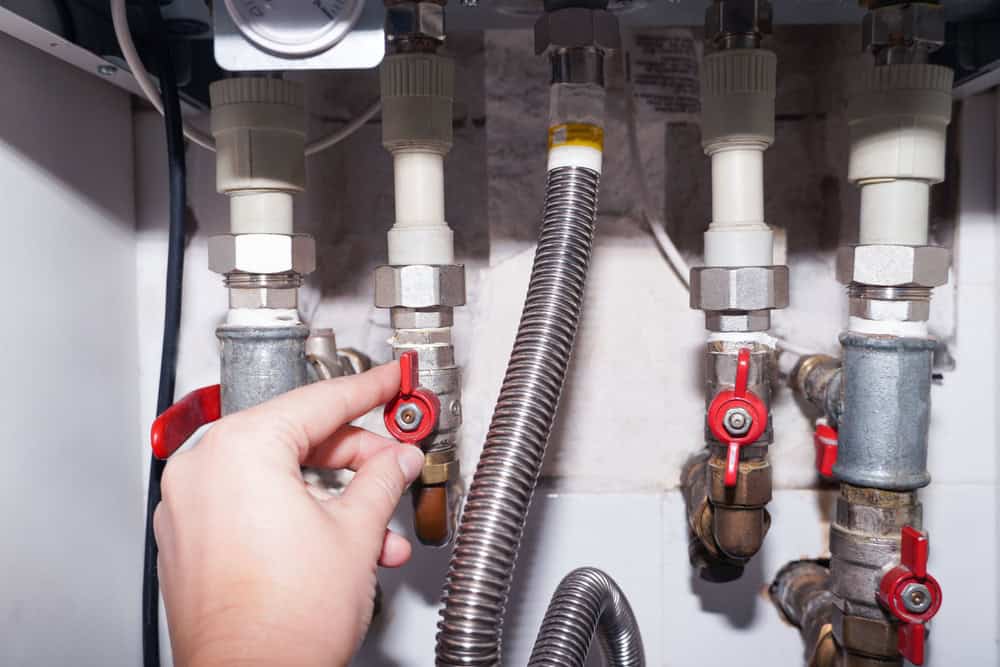
The first thing to do is not panic, and the second is to call a Licensed Master Plumber holding a Gas Work Qualification. Since January 1, 2020, only a plumber with that credential can legally perform gas restoration work in New York City. That’s not a formality — it’s a hard legal requirement, and hiring someone who doesn’t meet it means the work can’t pass DOB inspection, which means the gas stays off longer.
Once you’ve confirmed you’re working with a qualified plumber, we’ll file an Emergency Work Notification with the NYC Department of Buildings. This is the legal authorization to begin emergency repair work and it has to happen before anything else. From there, we assess the cause of the shutoff, make the necessary repairs, and move through the pressure test and DOB inspection process. National Grid is the gas utility for all of Staten Island — not Con Edison — and their reconnection process has its own specific steps that we coordinate directly. The faster that coordination happens, the faster your gas comes back on.
National Grid’s stated timeline for reconnection is one to two days, not exceeding five business days, once all repair work is complete and approved. That’s the best-case scenario, and it’s achievable — but only when the plumber files clean paperwork, passes the DOB pressure test on the first attempt, and coordinates the utility notification correctly.
Where restorations drag out — sometimes into weeks or months — is when something goes wrong in that sequence. A failed pressure test means starting the inspection process over. Incorrect or incomplete DOB filings cause delays at the agency level. A plumber who isn’t familiar with National Grid’s Staten Island operations may not know exactly what documentation National Grid needs or how to schedule their crews efficiently. We’ve been working with National Grid on Staten Island for over 40 years. That institutional familiarity is what keeps a restoration on the short end of the timeline rather than the long one.
Yes, and it’s one of the most important things to understand before work begins. Homes built in the 1920s and 1930s — a significant portion of Westerleigh’s housing stock — may have gas piping that’s been in place for 80 to 90 years. Steel and iron piping from that era corrodes over time, and what National Grid flags as a single leak point is sometimes the visible symptom of a broader problem throughout the system.
A thorough assessment of the full gas piping system is essential in older Westerleigh homes, not just a patch of the immediate issue. If the DOB pressure test reveals additional problems beyond the original repair, the process has to continue until the entire system passes. This isn’t us making more work — it’s the regulatory requirement for restoring gas service safely. Understanding this upfront, before work begins, helps you avoid surprises mid-project. We provide a full scope assessment and a detailed cost breakdown before any work starts, so you know exactly what you’re looking at.
Yes, and it catches a lot of Westerleigh homeowners off guard. When you pull a permit for a boiler replacement, kitchen update, or any work that involves the gas system, the contractor is legally required to inspect the existing gas piping as part of the permitted work. In an older home — and Westerleigh has many — what that inspection sometimes reveals is piping that doesn’t meet current code. When that happens, the DOB can issue a stop-work order and National Grid can shut off service until the non-compliant piping is brought up to standard.
This is how the system is designed to work. But it means a project you planned as a boiler swap can become a full gas restoration job that you didn’t budget for or anticipate. The best way to avoid being blindsided is to have a Licensed Master Plumber assess the condition of your gas piping before renovation work begins. If there are issues, you can address them on your own timeline rather than reactively after a shutoff has already occurred.
Yes, a permit is required. Gas restoration in New York City is not a repair you can do informally and then have the utility reconnect. The NYC Department of Buildings requires a Limited Alteration Application permit for gas piping work, and under Local Law 151 of 2016, self-certifications are no longer allowed for any gas work — every job requires a DOB inspection before service can be restored.
The permit must be filed by a Licensed Master Plumber with a Gas Work Qualification. That same plumber is also responsible for filing the Emergency Work Notification that authorizes the repair to begin, coordinating the pressure test, and scheduling the DOB inspection. For homeowners in Westerleigh, this means the plumber you hire is doing far more than physical pipe work — they’re managing a regulatory process that involves multiple agencies and a utility company. We handle all of it. You don’t need to figure out the DOB filing system or track down the right contact at National Grid’s Staten Island office. That coordination is part of the job.
Go to the NYC Department of Buildings website and search the plumber’s license number. A Licensed Master Plumber’s active status, insurance, and Gas Work Qualification are all verifiable there. Gas qualification cards now include a QR code that makes the verification even faster — you can check it on your phone before anyone touches your gas system.
Why does this matter so much in practice? Because not every licensed plumber holds a Gas Work Qualification. Since Local Law 150 of 2016 took effect on January 1, 2020, that qualification is a legal requirement for gas restoration work in NYC — not optional, not a formality. A plumber without it cannot legally perform the repair, cannot file the required DOB documentation, and cannot get the work to pass inspection. If you hire someone who doesn’t meet that standard, you’ll eventually need to hire someone who does — and you’ll be starting the clock over on your restoration. Our LMP license number is #1169. Look it up before you call anyone else.
Other Services we provide in Westerleigh