

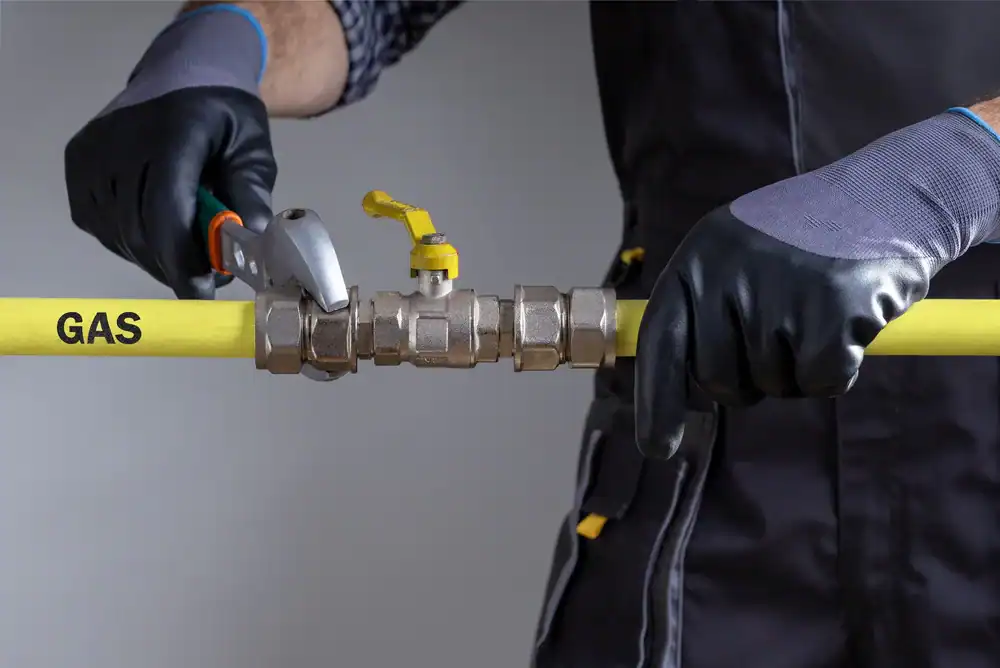
When your gas line is repaired correctly, you stop wondering. You stop second-guessing every smell, every hiss, every moment your appliances act up. That’s the outcome — not just a fixed pipe, but the confidence that comes from knowing a licensed master plumber handled it properly, pulled the right permits, and tested the system before calling it done.
Princes Bay’s position on Raritan Bay creates corrosion conditions that inland Staten Island neighborhoods simply don’t deal with at the same level. Salt-laden air, persistent coastal humidity, and a high water table from the tidal wetlands around Lemon Creek — these aren’t abstract concerns. They’re the conditions your buried gas lines and exterior fittings sit in every single day. Catching a corroded fitting or a degraded joint early costs a fraction of what it costs after a National Grid shutoff.
If your home was affected by Superstorm Sandy’s flooding in 2012, there’s a real chance your gas system was stressed in ways that were never properly inspected afterward. Moisture-compromised fittings don’t fail immediately — they corrode gradually, over years. Getting that system checked isn’t overcautious. It’s just smart.
We’ve been serving Staten Island since 1983. Bobby and Rob — father and son — built this company on the kind of reputation that only holds up in a tight-knit borough where neighbors talk to each other. Princes Bay is exactly that kind of community, and word travels fast on Amboy Road.
We’re not a Manhattan company that drives over the bridge when it’s convenient. We’re Staten Island plumbers who know the South Shore’s housing stock, its coastal conditions, and the specific challenges that come with older homes and waterfront proximity. Every job comes with a written estimate before any work starts, and we carry full licensing and insurance — including the NYC DOB Gas Work Qualification endorsement that’s legally required for permit-filed gas piping work in New York City.
When National Grid shuts off your gas in Princes Bay, you need someone who knows exactly how to navigate the restoration process. We’ve done it many times.
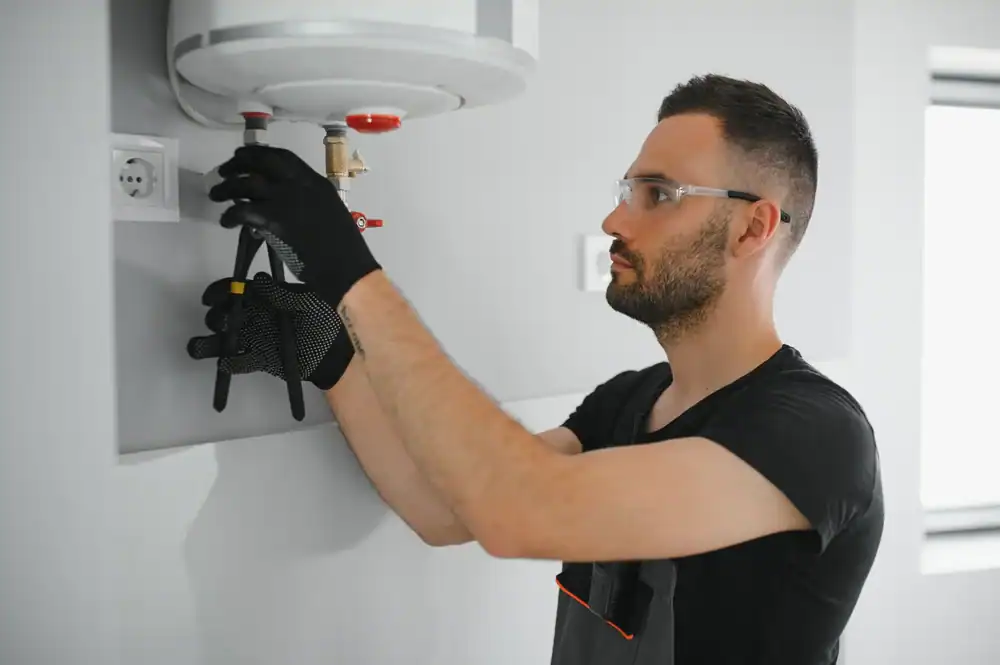
When you call, the first priority is understanding what you’re dealing with. If you’re smelling gas — that rotten egg or sulfur odor — leave the house, don’t touch any switches, and call from outside. We’re available 24/7 for exactly this situation, and we charge the same rate whether it’s Tuesday afternoon or Saturday night. No emergency markup.
Once on-site, we start with a thorough inspection and gas pressure testing to locate the source of the problem. For Princes Bay homes — especially those closer to the waterfront along Seguine Avenue or in older sections of the neighborhood — that often means checking fittings, joints, and buried sections that have been exposed to coastal moisture over years or decades. If your home was built during the post-Verrazzano Bridge construction boom of the 1960s through 1980s, the gas infrastructure in your walls may have never been replaced.
From there, the repair scope gets documented, a written estimate is provided, and the correct NYC DOB permits are filed before work begins. After repairs are complete, post-repair pressure testing confirms the system is sealed and safe. Then comes National Grid coordination — because in Princes Bay, it’s National Grid that controls your gas service restoration, and a plumber who knows that process can save you days of waiting.

Ready to get started?
Gas line repair in Princes Bay covers a wider range of work than most homeowners expect. Emergency gas pipe leak repair is the call that comes in at 2 AM — and we handle it at the same rate as any other time of day. But there’s also the work that doesn’t announce itself: corroded gas pipe replacement for fittings and lines that have been quietly degrading in the coastal air, gas pressure testing after any repair or appliance change to confirm the system is intact, and gas line rerouting when kitchens are renovated or new appliances are added.
For homeowners in the Captain’s Quarters community — 266 townhomes built in 1986 that are now approaching 40 years old — the original gas infrastructure is at the age where fittings, connectors, and older corrugated stainless steel tubing can start to show real wear. A proactive inspection is a lot less disruptive than an emergency repair or a National Grid shutoff.
Local Law 152 also applies to buildings in Princes Bay, as it does across all of New York City. The current compliance cycle runs through 2028, and non-compliance fines can reach $10,000 per year. We handle the full LL152 process — inspection, DOB filing, and utility notification — so you’re not left piecing together the paperwork on your own.
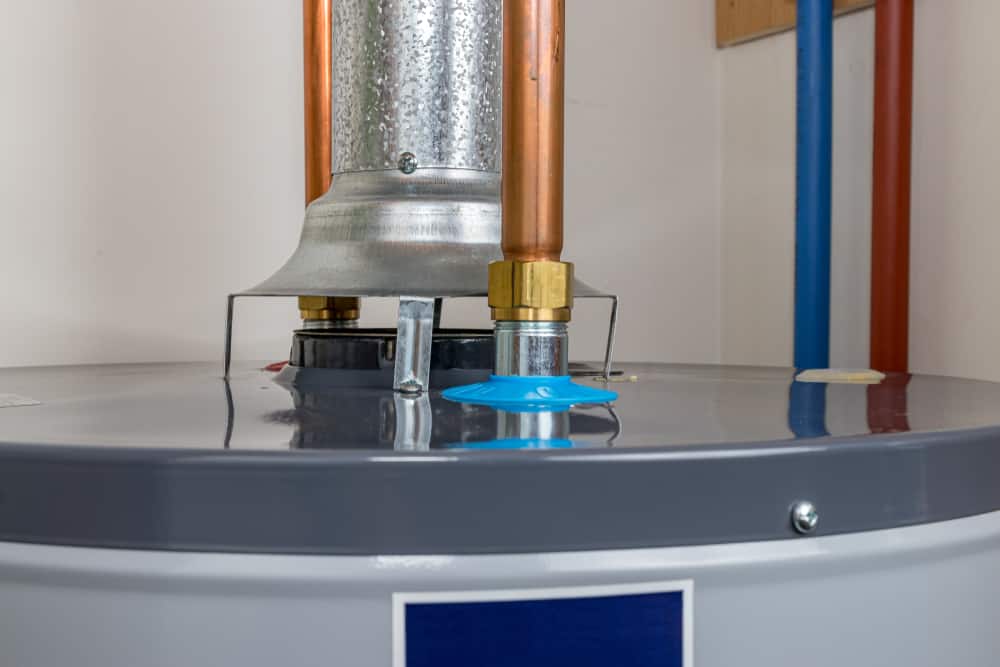
The first thing to do is get out. Don’t flip light switches, don’t use your phone inside, and don’t try to find the source yourself. Once you’re outside and away from the building, call 911 and then call a licensed master plumber. Natural gas has a mercaptan odorant added to it specifically so you can detect it — that rotten egg or sulfur smell at even a faint level means there’s a real issue, not a false alarm.
In Princes Bay, the coastal conditions around Raritan Bay can accelerate the kind of fitting and joint corrosion that leads to slow leaks — the type that build up gradually rather than announcing themselves with a loud bang. If you’ve been noticing an intermittent smell that comes and goes, that’s worth taking seriously even if it doesn’t seem like an emergency yet. We’re available 24/7 for gas emergencies and charge the same rate regardless of when you call.
The honest answer is that it depends on what’s actually wrong. Simple repairs — fixing a leaky connection or a minor fitting — can run $150 to $300. More involved work like a water heater replacement typically falls in the $1,200 to $2,500 range depending on the unit and installation requirements. Gas line-specific work varies based on the scope: how much pipe needs replacing, whether it’s accessible or buried, and what permits are required.
What you should always expect before any number is committed is a written estimate. We provide a detailed estimate before work begins — no surprises after the fact. For Princes Bay homeowners with significant equity in their homes, knowing the cost upfront isn’t just a courtesy; it’s how a legitimate contractor operates.
For most gas line work in New York City — including Princes Bay — yes, a permit is required. NYC Administrative Code mandates that gas piping work be performed by a Licensed Master Plumber who holds a Gas Work Qualification (GWQ) endorsement issued by the NYC Department of Buildings. That endorsement is separate from a standard plumbing license and specifically authorizes the plumber to file permits for gas piping projects.
This matters for a few practical reasons. Unpermitted gas work creates violations that attach to your property — and when you go to sell your home, those violations surface in title searches and can delay or derail the transaction. In a neighborhood where median home values sit around $855,000 to $938,888, that’s not a small risk to take. We pull the correct permits for every job and handle the DOB filing process, so the work is documented and clean from start to finish.
Local Law 152 is a New York City law requiring all buildings to have their gas piping inspected every four years by a Licensed Master Plumber. The inspection must be filed with the NYC Department of Buildings within 30 days of completion. The current compliance cycle runs from 2024 through 2028, and buildings that missed the first cycle are now receiving Notices of Deficiency from the DOB.
The consequences of non-compliance are real — fines can reach $10,000 per year, and National Grid (which is the gas utility for all of Staten Island, including Princes Bay) can shut off service to buildings that fall out of compliance. If you own a multi-unit building or a property with shared gas infrastructure in Princes Bay and you’re not sure where you stand in the LL152 cycle, it’s worth finding out before the DOB finds out for you. We handle the full compliance process from inspection through DOB filing.
Yes, and this is a question more Princes Bay homeowners should be asking. Superstorm Sandy’s storm surge came directly off Raritan Bay and hit the South Shore hard in 2012. Flooding doesn’t just damage what’s visible — it can shift buried gas lines, introduce moisture into fittings and joints, and compromise connections that then corrode slowly over the following years.
Thirteen years after Sandy, those fittings are older, and if they were stressed by flooding and never professionally inspected afterward, the cumulative corrosion is real. It doesn’t show up on the outside of your home. It shows up when a fitting finally fails or when a slow leak builds to the point where you’re smelling it in your kitchen. A post-flood gas line inspection by a licensed master plumber is about knowing what’s actually in your walls and under your foundation before it becomes an emergency.
This is where a lot of homeowners get caught off guard. When National Grid shuts off your gas — whether due to a violation, a failed inspection, or a reported leak — they don’t just turn it back on once the plumber says the work is done. The process requires your licensed master plumber to complete the repairs, perform post-repair pressure testing, file the necessary documentation with the NYC DOB, and then coordinate directly with National Grid for a service restoration appointment.
If your plumber isn’t familiar with that process — or if they do the repair but leave you to navigate the utility side on your own — you can end up waiting days or longer without gas. In a Princes Bay winter, that means no heat and no hot water while paperwork works its way through the system. We handle the National Grid coordination as part of the job, not as an afterthought. Knowing the process, knowing who to call at the utility, and knowing what documentation they need is how you get your gas back on without unnecessary delays.
Other Services we provide in Princes Bay