
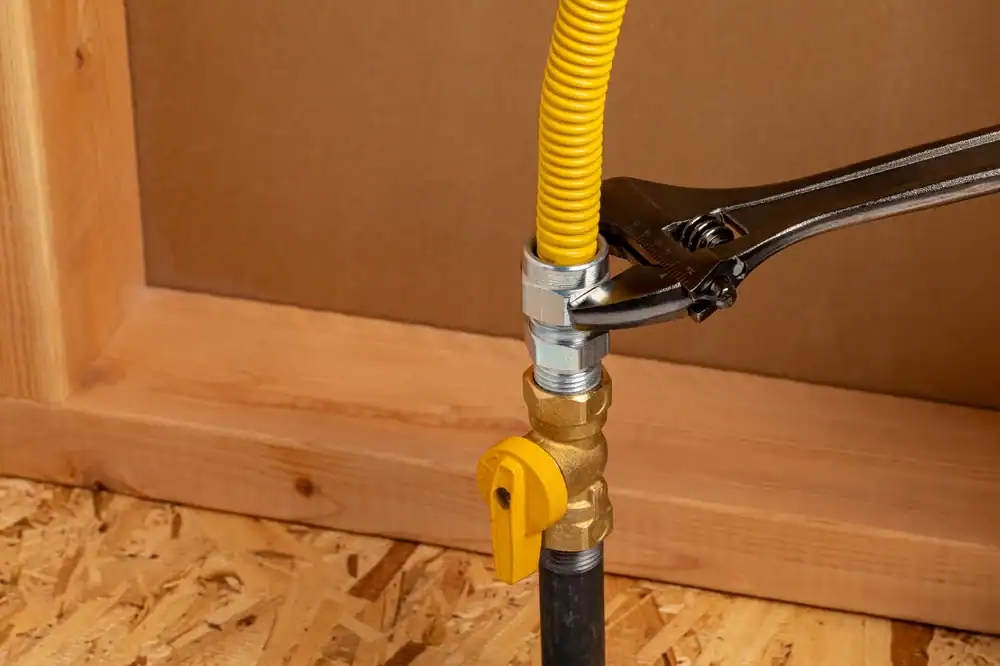
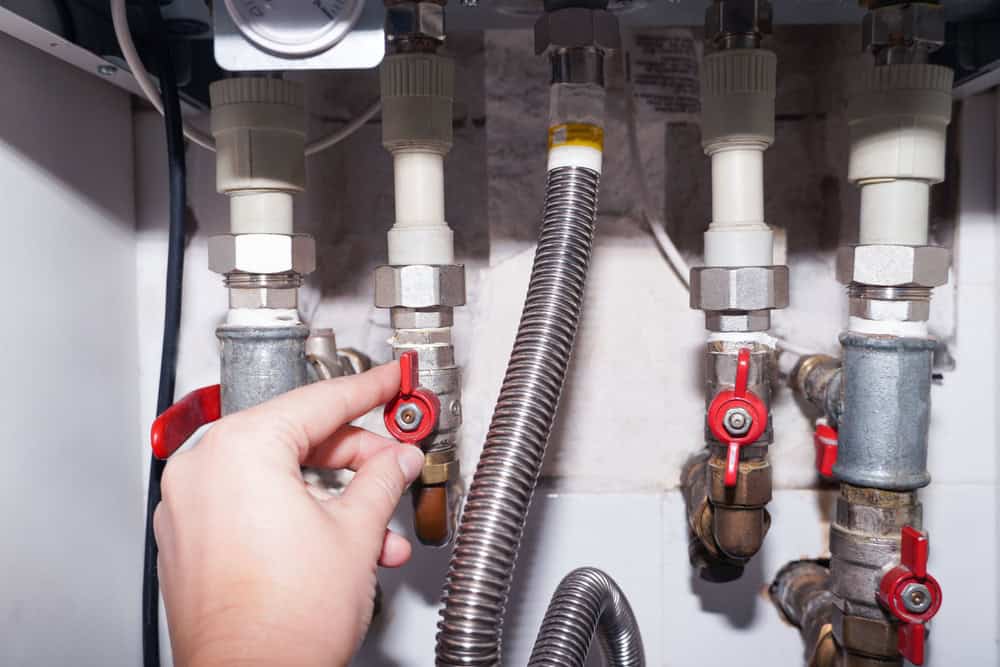
A gas shutoff in Princes Bay isn’t just an inconvenience. Much of the neighborhood’s housing stock was built between 1970 and 1999, which means pipes are now 25 to 55 years old. Galvanized steel corrodes from the inside out. Fittings loosen over decades. National Grid detects a problem, locks the meter, and suddenly a home worth close to a million dollars has no heat, no hot water, and no way to cook.
What you need after that is simple: gas back on, done right, as fast as the process allows.
National Grid’s stated timeline — once all repairs are approved and paperwork clears — is one to two days, not exceeding five business days. But that clock doesn’t start until the repair is complete, DOB documentation is filed correctly, and the pressure test passes. Every delay in that chain is another night without heat.
When we handle the restoration properly, you stop eating out every night. You stop waking up to a cold house. You stop wondering when this ends — because it already has.
We’re based at 49 Englewood Ave, Staten Island, NY 10309 — the same ZIP code as Princes Bay. This isn’t a company crossing the bridge from another borough. Bobby and Rob Jr. have been working on Staten Island gas systems since 1983, which means we were doing this work before many of the homes along Seguine Avenue and Amboy Road were even finished.
Every job is handled by Bobby or Rob Jr. directly — both Licensed Master Plumbers. When you call, you’re not getting a dispatcher who sends out whoever’s available. You’re getting the people whose names are on the license, on the paperwork, and on the door.
We hold Licensed Master Plumber #1169 with Gas Work Qualification, FDNY Certificates of Fitness #89078745 and #88089263, Licensed Master Fire Suppression Contractor #954B, and Certified Backflow Prevention Technician #8422. Every credential is verifiable on the NYC DOB website.
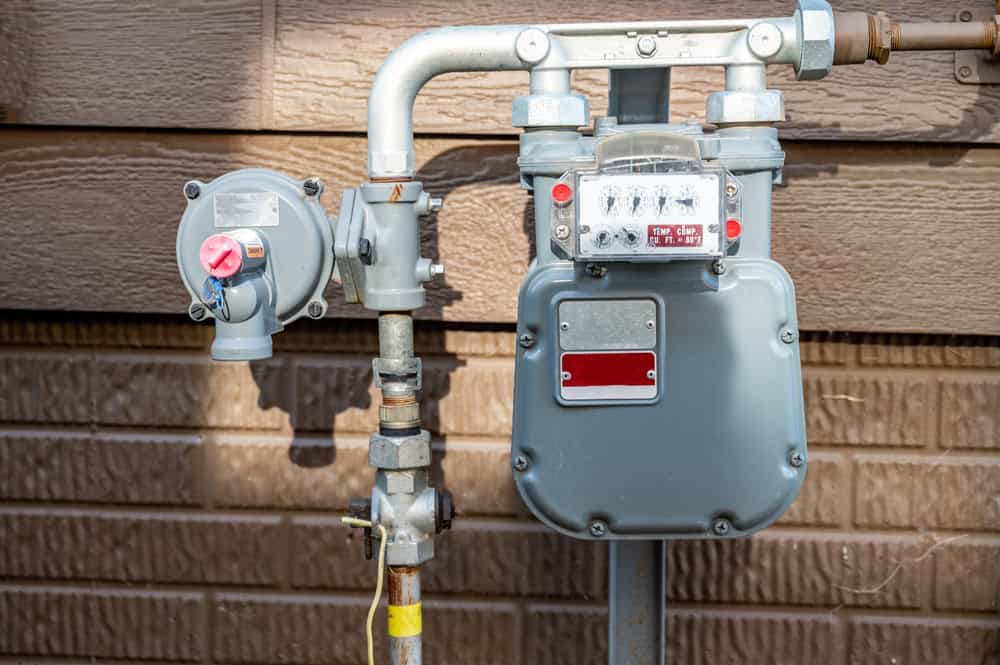
The first step after a National Grid shutoff is an Emergency Work Notification filed with the NYC Department of Buildings. This is the legal gateway to starting any gas restoration work in New York City — and it must be filed by a Licensed Master Plumber with Gas Work Qualification. Without that filing, nothing else moves forward.
Once the EWN is accepted, we locate the problem — whether it’s corroded pipe, a failing fitting, or damage from years of wear in an older Princes Bay home — and replace it to current NYC DOB standards. The work requires a final DOB inspection with no self-certifications, no shortcuts.
After the repair, we schedule and complete a pressure test with the DOB. Once that passes, we notify National Grid and coordinate their crew to restore service. You’re not spending your lunch break on hold trying to figure out where things stand.
Ready to get started?
Gas restoration in Princes Bay involves more than fixing a pipe. It involves navigating the NYC DOB permit process, coordinating directly with National Grid, scheduling and passing a pressure test, and making sure every piece of documentation is in order before the utility will restore service. A single misstep — a wrong form, a failed pressure test, a missed notification — adds days or weeks to the timeline.
We handle the full scope: Emergency Work Notification filing, DOB Limited Alteration Application permit, the repair itself, pressure testing, DOB inspection coordination, and National Grid reconnection sign-off. All work is performed by a Licensed Master Plumber with Gas Work Qualification, as required under Local Law 150 of 2016. That’s not optional in New York City — it’s the law.
For Princes Bay homes that also have boilers, water heaters, or gas appliances needing verification and re-lighting after service is restored, our FDNY Certificates of Fitness cover fuel-burning equipment as well. You get one contractor who handles the pipe, the permit, the pressure test, and the appliances — not three different calls to three different people.
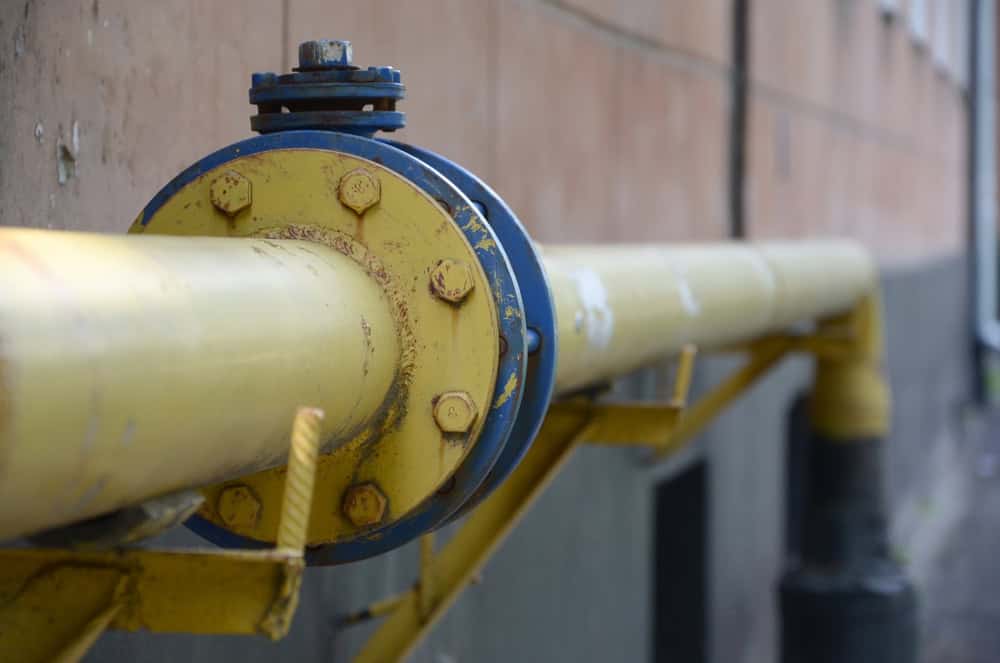
This is one of the most common points of confusion. National Grid is the gas utility for all of Staten Island, including Princes Bay. When they detect a leak or safety issue, they shut the gas off and lock the meter. That part is their job. But restoring service is not.
The repair of your building’s internal gas piping is entirely your responsibility, and it must be done by a Licensed Master Plumber with Gas Work Qualification under NYC Local Law 150 of 2016. Once the plumber completes the repair, files the correct DOB documentation, and passes the pressure test, National Grid is notified and their crew comes out to restore service. Their stated timeline at that point is one to two days, not exceeding five business days.
So National Grid is involved at the beginning and at the end — everything in between is on you and the contractor you hire.
The honest answer depends almost entirely on how quickly the plumber moves and how well they know the process. National Grid’s stated timeline for restoration — once all repairs are approved and documentation is in order — is one to two days, not exceeding five business days. But that clock doesn’t start until the plumber has completed the repair, filed the Emergency Work Notification and DOB permit correctly, and passed the pressure test.
A plumber who files the wrong paperwork, fails the pressure test, or doesn’t know how to coordinate with National Grid’s inspection scheduling can drag the process from two weeks into several months. In Princes Bay, where many homes have aging gas systems from the 1970s and 1980s that may require more extensive repair work, getting the scope right the first time matters. The fastest restorations happen when an experienced contractor handles every step without needing to redo work or refile paperwork.
No — and this is important. As of January 1, 2020, under Local Law 150 of 2016, all gas work in New York City must be performed by a Licensed Master Plumber who also holds a Gas Work Qualification. A general plumbing license alone is not enough. If a plumber does not hold this specific qualification, they cannot legally perform the repair, file the required documentation, or represent the job to the DOB.
This matters because unqualified contractors do take on gas restoration work — and when they do, the job stalls. It fails DOB inspection. The homeowner ends up paying twice: once for the contractor who couldn’t legally finish the job, and again for someone who can. Before hiring anyone for gas restoration in Princes Bay, ask for their LMP license number and Gas Work Qualification. We hold LMP #1169 with Gas Work Qualification, and both are verifiable on the NYC DOB website.
The most common trigger is a leak detected during a routine inspection or in response to a reported smell. National Grid does not wait for a convenient time — if their crew detects a gas leak at your meter or in your service line, they shut it off on the spot.
In Princes Bay specifically, aging housing stock is a significant factor. A large portion of the neighborhood was built between 1970 and 1999, which means the original gas piping in many homes is now 25 to 55 years old. Galvanized steel pipe from that era corrodes from the inside out. Fittings loosen over decades of thermal expansion and contraction. Superstorm Sandy’s coastal flooding also caused corrosion damage to gas systems throughout the South Shore that may only now be showing up as leaks in homes that were affected.
Yes, and there are no exceptions. Under Local Law 151 of 2016, self-certifications for gas work are no longer permitted in New York City. Every gas restoration job requires a DOB permit, a formal inspection, and a passed pressure test before National Grid will restore service. The permit is filed as a Limited Alteration Application, and in emergency situations, an Emergency Work Notification must be filed with the DOB’s LAA Unit before repair work can even begin.
This is not a formality — it is a hard regulatory gate. National Grid will not restore service without confirmation that the DOB process has been completed correctly. For homeowners in Princes Bay dealing with a shutoff, this means the plumber you hire needs to be comfortable navigating the DOB filing process, not just the physical repair. A contractor who treats the permit as an afterthought will slow down your restoration significantly.
The clearest warning signs are a persistent sulfur or rotten egg smell near gas appliances or along the pipe run in your basement, a hissing sound near a fitting or valve, or a noticeable drop in appliance performance — burners that don’t light properly, a boiler that short-cycles, a water heater that takes longer than usual to recover. Any of these can indicate a developing leak or a deteriorating connection.
For Princes Bay homeowners, the age of the home is itself a risk indicator. If your house was built in the 1970s or 1980s and the gas piping has never been replaced or inspected beyond routine utility checks, the system is now old enough that proactive assessment makes sense. The cost of catching a problem before National Grid does is significantly lower — in time, money, and disruption — than managing a full restoration after a shutoff. We can assess the condition of your gas system and address problems before they become emergencies, rather than waiting until the meter is already locked.
Other Services we provide in Princes Bay