
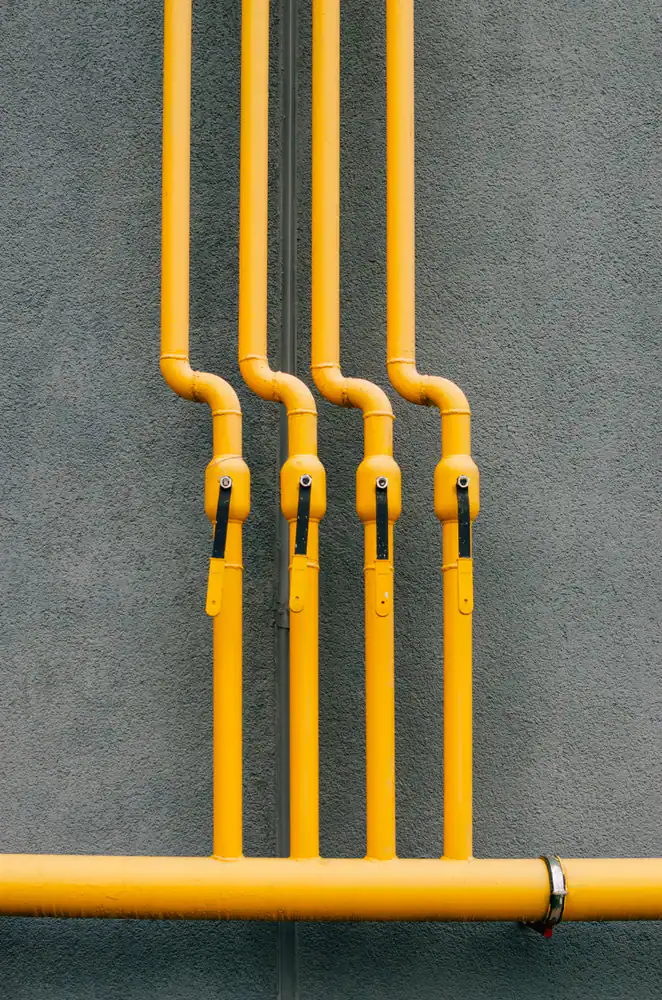
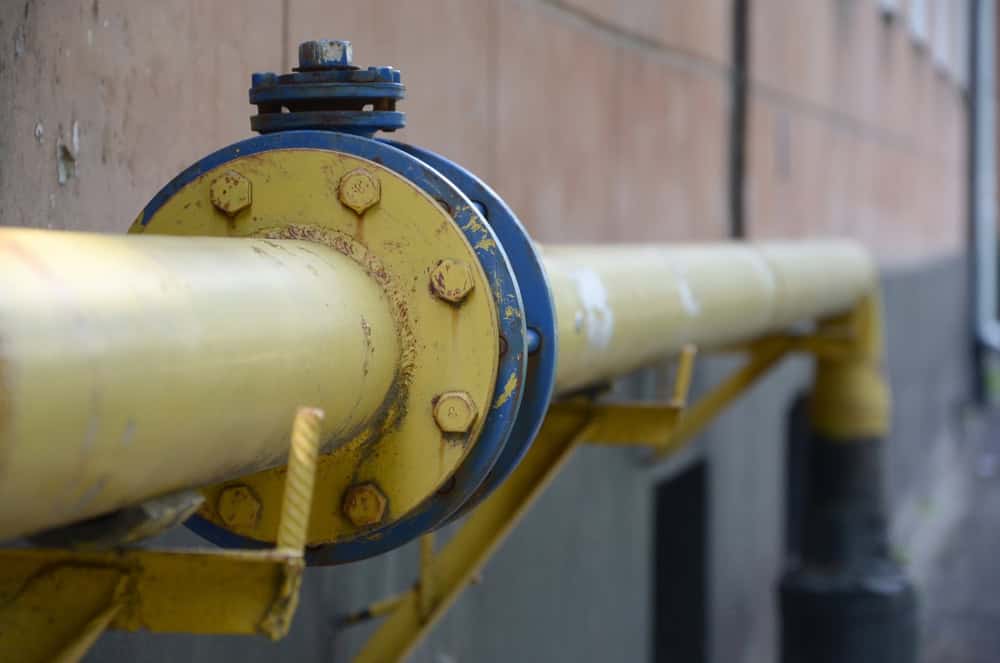
Look at what a gas outage actually costs a building. The work itself. The disruption to whoever is in the building. The Department of Buildings filing. Then the wait for an inspection and an approved Gas Authorization before the utility reconnects.
Only the first of those scales with how much pipe work you do. The rest you pay once, whether the job is one connection or four separate pieces of work.
Which means a building that does one task now, another next year and a third the year after pays for three outages, three filings and three restoration waits to get what one shutdown could have delivered.
Gravesend has a lot of buildings in that position because the housing is mixed and much of it has been adapted over time: row houses subdivided, basements converted, storefronts on Avenue U changed repeatedly. There is usually more than one thing worth doing.
So when we are planning a shutdown here, the question we ask is not only what is wrong. It is what else you would want done if the gas were already off.
RB Mechanical Plumbing and Heating is third generation and owner operated, licensed master plumbers working in New York City since 1983. We are on Staten Island’s south shore, a short run from Gravesend.
A gas shut down means something different depending on which Gravesend building you own. On a row house it is one household and a straightforward plan. On a larger building it is tenants, notice and the question of whether risers can be isolated. On a storefront with apartments above it is trading days on one side and families on the other.
Those are three different conversations and we would rather have the right one from the start. Tell us the building type on the first call and we can be useful immediately rather than after a site visit.
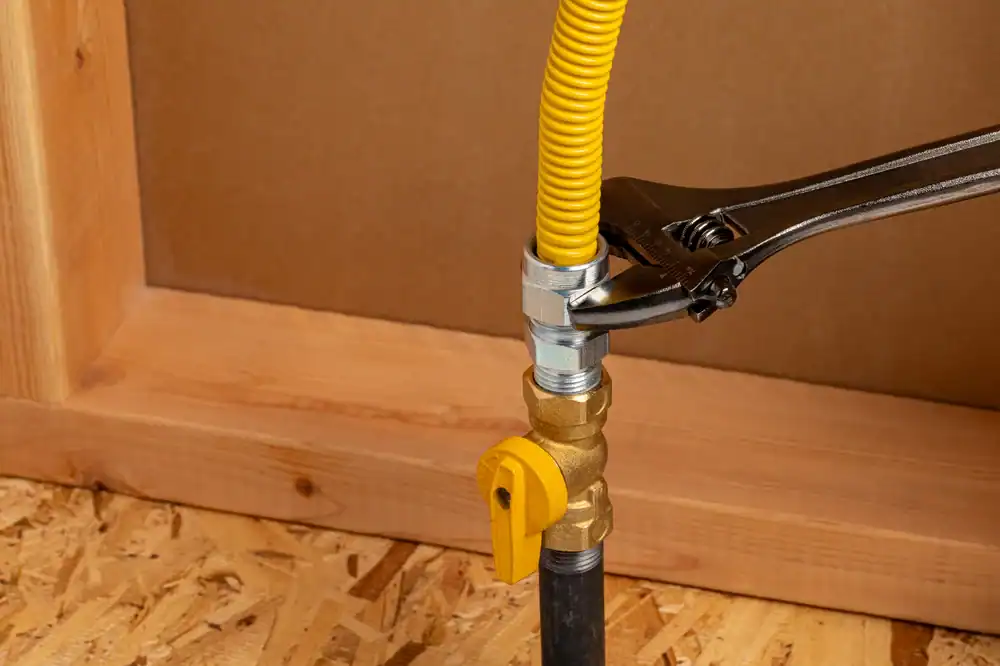
We pressure test and walk the system before a planned shutdown. That gives you two things: what has to be done, and what would be sensible to do at the same time.
We check what can be isolated. On a larger building, taking one riser off rather than the whole service is the difference between a nuisance and a crisis.
We file before the gas goes off. Filings go through DOB NOW: Build; the Department of Buildings no longer accepts paper filings. Repair or replacement of existing equipment commonly runs under a self-permitted Limited Alteration Application.
Then restoration: the Gas Authorization Request through DOB NOW: Inspections, Plumbing Unit review, and the utility reconnection on approval. That is the step that sets how long the building is off, so it is the one we own rather than delegate.
Ready to get started?
Any known fault on the system, obviously. But also these.
Appliance connections you have been putting off. A dryer, a second range, an outdoor line. Each would need its own filing and, on its own, its own outage.
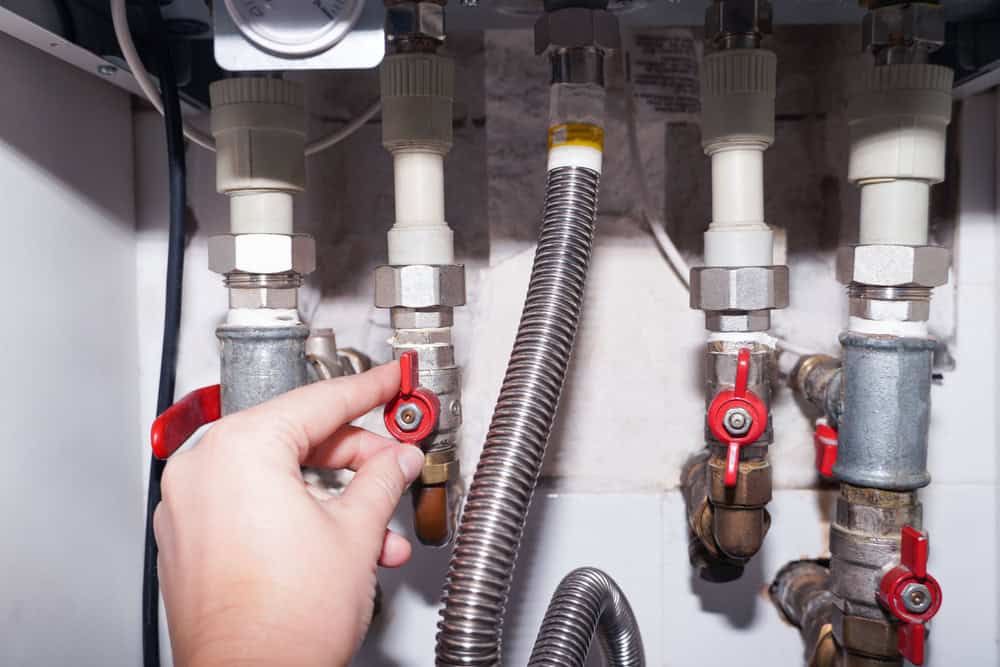
Shutoff valves that are old, stiff or have been damp. Replacing them while the gas is off is straightforward. Doing it later is another shutdown.
Boiler or water heater replacement, if the equipment is near the end of its life. The gas connection work is already happening.
Legalizing old unfiled work, if there is any. It has to be resolved before a future permit anyway, since an outstanding work-without-permit penalty blocks new permits.
And if your building is in scope, the Local Law 152 gas piping inspection. Deadlines are set by community district and Gravesend spans three, so check your own address rather than a neighbour’s date.
You can, and sometimes that is right. The reason to ask the question is that the outage, the filing and the restoration wait cost the same whether you do one task or several.
If there are two or three things you know you will need within a couple of years, doing them together is usually materially cheaper. If there is only one, do the one. We are not going to invent work to fill a shutdown.
A row house, because only one household is affected and there is no notice or isolation to manage. The city process is identical, but the human side is simple.
Larger and mixed use buildings are more involved, mainly because of who else is affected and whether the system can be isolated. That is established by testing rather than by assuming.
Often, in a building piped by riser or with a separable commercial branch. We establish it before setting a date, because it changes the notice required and the number of people inconvenienced.
It is not always possible, and we will tell you plainly when it is not rather than discovering it on the morning.
We will not give a date before seeing the system. The work itself is usually predictable; the Department of Buildings inspection and the Gas Authorization approval are where the variation is.
Filing in advance on planned work removes some of that uncertainty before the gas is even off, which is the main practical advantage of planning over reacting.
If your building is in scope, it is worth knowing your deadline while a Licensed Master Plumber is already on site. The inspection is a separate job from a shut down, but the trip is not.
Note that deadlines are set by community district and Gravesend spans three, so most of the neighborhood sits on one cycle and part of it on another. Check your address rather than assuming.
A Licensed Master Plumber. Fuel gas piping work in New York City is restricted to LMPs, including work classed as ordinary maintenance that needs no permit at all.
Check the licence on the Department of Buildings License Search before work starts, and look at the Know Your Construction Professional tool for disciplinary history. Two minutes, and worth it before a building wide outage.