
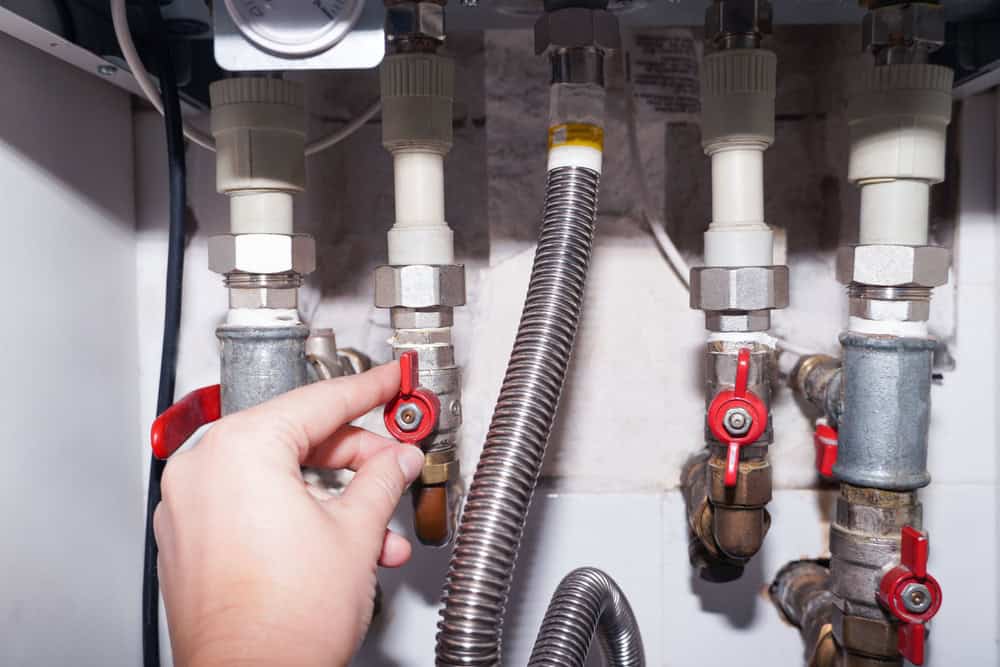
A gas shutoff doesn’t just mean cold showers. It means no heat, no stove, no hot water — and in Shore Acres, where homes sit right on Upper New York Bay, a winter without gas isn’t just uncomfortable. Bay winds off the Narrows cut through a cold house in a way that inland Staten Island neighborhoods simply don’t experience. The faster your gas is restored, the faster your home is livable again.
What most homeowners don’t realize is that the timeline is almost entirely controlled by who you hire. The repair itself is often the shortest part of the process. What takes time — or what goes sideways — is the paperwork, the permit filing, the DOB pressure test, and the coordination with National Grid to schedule reconnection. When those steps are handled correctly the first time, you’re looking at days to a couple of weeks. When they’re not, you could be waiting months.
Shore Acres homes carry a specific concern that newer construction doesn’t. Much of the neighborhood’s housing stock dates to the 1930s through the 1960s — original development by Cornelius Kolff, who built Shore Acres as an enclave of substantial single-family homes with generous lots and mature trees. That character has held. But the gas piping in some of those homes has been in place for 60 to 90 years. Aging iron and steel pipe, combined with the salt air and coastal humidity off the bay, creates conditions where corrosion moves faster than it would even a mile inland. When National Grid’s mandatory inspection finds a problem, the meter gets locked on the spot. We understand what we’re walking into — and we know exactly how to move through the restoration process without delays.
We’ve been doing gas work on Staten Island since 1983. Every home in Shore Acres is served by National Grid — not Con Edison. The restoration process, the filing requirements, the inspection scheduling, and the utility coordination all run through National Grid’s system. We’ve been navigating that system for over four decades, long before most of the current regulations even existed.
When you call, you’re getting Bobby and Rob Jr. — the father and son who own and operate the business. We show up, do the work, and sign off on it. Licensed Master Plumber #1169 with Gas Work Qualification. That credential is required by NYC law for any gas restoration work, and it’s verifiable on the NYC DOB website. Not every plumber in Staten Island holds it.
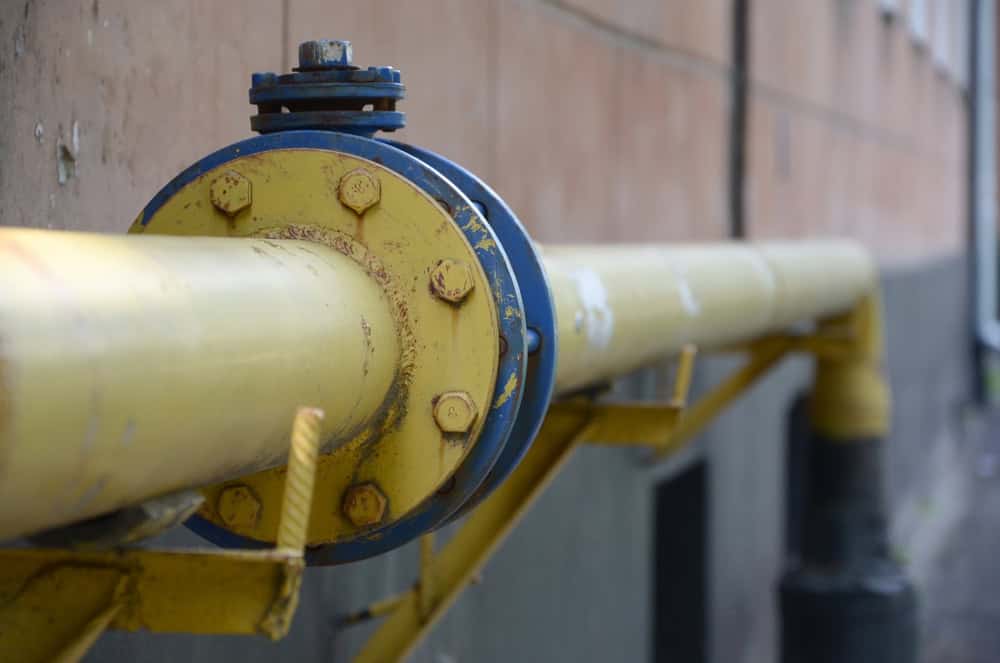
The Grasmere Gate Station — the National Grid distribution hub serving Shore Acres and roughly 80,000 to 100,000 Staten Island customers — is currently undergoing a full two-phase rebuild through June 2026. We know this infrastructure, this utility, and this borough. Shore Acres isn’t a stretch of our service area. It’s home turf.
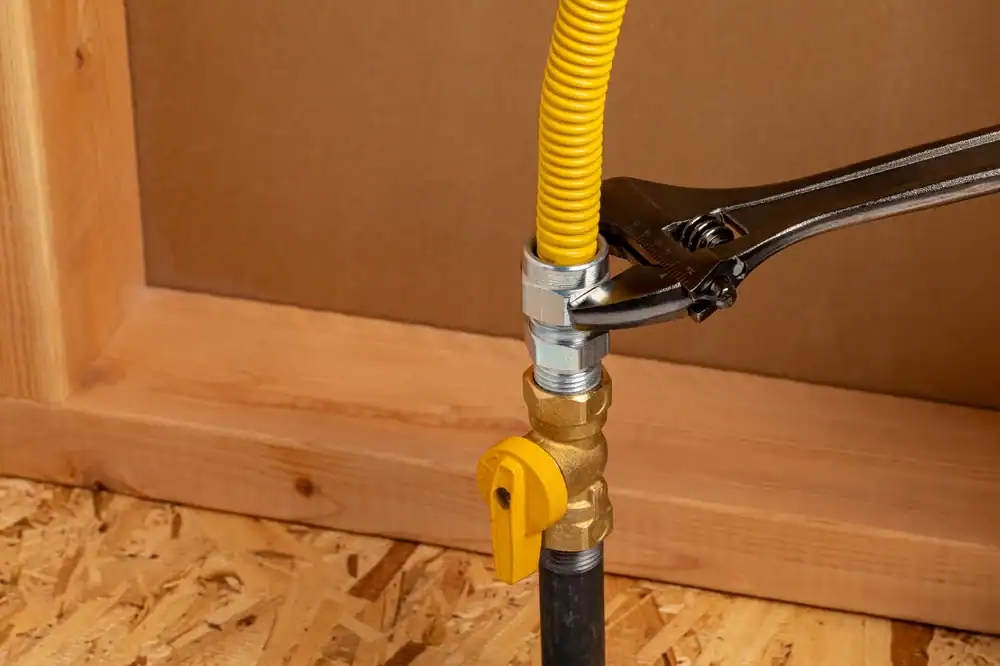
The first thing to understand is that once National Grid locks your meter, you cannot turn it back on yourself. Tampering with a locked meter is illegal and will make the restoration process longer, not shorter. What you need is a Licensed Master Plumber with a Gas Work Qualification to take over — and that process starts immediately when you call us.
The first step is an Emergency Work Notification filed with the NYC Department of Buildings. This is the legal gateway that authorizes the repair work to begin. From there, we assess the piping, identify what failed National Grid’s inspection or triggered the shutoff, and complete the necessary repairs. In Shore Acres, that often means dealing with aging iron pipe or corroded fittings — the kind of work that requires real experience with pre-war and mid-century housing stock, not just a repair kit and a permit.
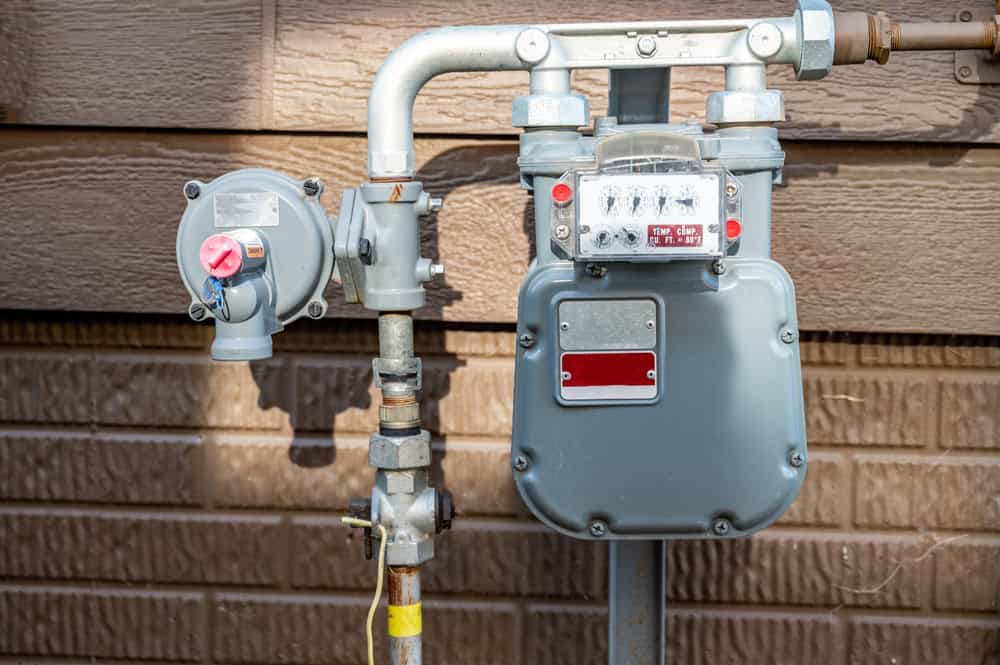
Once the repair is complete, a DOB pressure test is scheduled and must be passed before anything else can happen. This is a hard gate — no exceptions. After the pressure test clears, we coordinate directly with National Grid to schedule the reconnection. National Grid’s stated timeline is one to two days once everything is approved, with a maximum of five business days. That clock doesn’t start until the plumber’s work is done and documented correctly. Every step we take is designed to keep that clock moving without delays caused by misfiled paperwork or a failed test.
Ready to get started?
Gas shut down restoration in Shore Acres isn’t a single task — it’s a sequence of regulated steps, each one dependent on the last. We handle the full sequence: Emergency Work Notification filing, Limited Alteration Application with the NYC DOB, the physical repair work, DOB pressure testing, and National Grid reconnection coordination. You don’t need to manage multiple contractors or figure out who to call at each stage. One call covers it.
Because Shore Acres sits in National Grid territory exclusively, every part of the utility coordination runs through National Grid’s Staten Island restoration process — not Con Edison’s. That distinction matters more than most people realize. The filing requirements, the inspection scheduling, and the reconnection protocols are different between the two utilities. We’ve been working in National Grid territory since we opened in 1983. We know the process because we’ve been doing it here for decades.
For Shore Acres homeowners specifically, our service accounts for what’s common in this neighborhood’s housing stock. Homes built in the 1930s through 1960s along streets like Shore Acres Road and Wadsworth Avenue often have gas systems that have never been fully replaced. When the repair involves aging piping near the bay, the work needs to be done right — not just well enough to pass a single test. We provide a detailed cost breakdown before work begins so you know exactly what you’re paying. No hidden charges, no surprise invoices at the end.
The first thing to know is that you cannot restore gas service yourself once National Grid has locked the meter. Attempting to open a locked meter valve is illegal and will complicate the restoration process significantly. What you need to do is contact a Licensed Master Plumber who holds a Gas Work Qualification — that credential is required under NYC Local Law 150 of 2016 for any gas restoration work in the city.
From there, the plumber files an Emergency Work Notification with the NYC Department of Buildings, which is the legal authorization to begin repair work. In Shore Acres, where many homes have older gas systems and where National Grid is the sole utility provider, it’s important that your plumber has direct experience with National Grid’s Staten Island restoration process specifically — not just general gas work experience. The faster the notification is filed and the repair is completed correctly, the sooner National Grid can schedule your reconnection.
National Grid’s official timeline is one to two days after all work is approved, with a maximum of five business days. But that clock doesn’t start until the plumber has completed the repair, passed the DOB pressure test, and submitted all required documentation. The actual time from shutoff to restored service depends almost entirely on how quickly and accurately your plumber moves through each step.
In practice, a well-managed restoration in Shore Acres — where National Grid handles all gas service — typically takes anywhere from a few days to a couple of weeks from start to finish. Where restorations drag on for months, it’s almost always because of a failed pressure test, misfiled paperwork, or a plumber who isn’t familiar with National Grid’s specific filing and inspection requirements. Hiring someone who has done this repeatedly in National Grid territory is the single biggest factor in keeping the timeline short.
No. Since January 1, 2020, NYC Local Law 150 of 2016 requires that all gas restoration work be performed by a Licensed Master Plumber who also holds a Gas Work Qualification. This is a separate credential from a standard LMP license, and not every licensed plumber in Staten Island has it. Hiring a plumber without this qualification means the work cannot legally proceed — and if it does proceed without it, you’re looking at failed inspections, potential fines, and a restoration that takes far longer than it should.
When you’re evaluating plumbers for gas restoration in Shore Acres, ask for the LMP license number and confirm it includes the Gas Work Qualification. Both are verifiable on the NYC DOB website. We hold LMP #1169 with Gas Work Qualification — you can check it yourself before making any decisions.
National Grid is required by New York State to conduct residential gas leak inspections every three years. When an inspection crew detects a leak or a compromised section of piping, they are required to shut off service immediately — there’s no notice period when there’s a safety concern. For homeowners in Shore Acres, this can feel like it comes out of nowhere, but the underlying cause is usually a slow-developing issue that wasn’t visible from inside the house.
Shore Acres’ location directly on Upper New York Bay creates conditions that accelerate this kind of deterioration. Salt air and coastal humidity attack exterior gas piping, meter connections, and service lines year-round — faster than in inland neighborhoods. Homes along Shore Acres Road and Wadsworth Avenue with original or aging piping are particularly exposed to this. It’s also worth noting that the National Grid Grasmere Gate Station — the distribution hub serving Shore Acres — is currently undergoing a full rebuild through June 2026, which means inspection activity in the surrounding service area is elevated during this period.
The DOB pressure test is a required inspection step in which the repaired gas piping is pressurized and monitored to confirm there are no leaks before service can be restored. It is a hard regulatory gate — National Grid will not reconnect your service until the pressure test has been passed and the results have been documented and submitted to the Department of Buildings. There are no shortcuts around it.
What matters most about the pressure test is passing it on the first attempt. A failed test means starting the inspection scheduling process over, which adds days or weeks to the restoration timeline. Experienced plumbers who work regularly in NYC’s gas permitting system — and who understand the specific requirements under Local Law 151 of 2016, which eliminated self-certification for all gas work — know exactly how to prepare the repair so it passes the first time. This is one of the clearest areas where hiring the right plumber upfront saves significant time and stress.
It’s a fair concern. Shore Acres was developed in the 1930s by Cornelius Kolff, and much of the neighborhood’s housing stock dates to the 1930s through the 1960s. Homes from that era were often built with black iron or early steel gas piping that has been in place for 60 to 90 years in some cases. That piping can still function, but it’s operating well past the service life that most modern gas systems are designed for.
The additional factor in Shore Acres specifically is the coastal environment. The neighborhood sits directly on Upper New York Bay, and the combination of salt air, tidal humidity, and marine conditions off the Narrows accelerates corrosion of exterior gas components faster than anywhere inland on Staten Island. If your home hasn’t had a gas system inspection recently, and particularly if you’ve never had the piping assessed since purchasing the property, it’s worth having a Licensed Master Plumber take a look — not because something is necessarily wrong, but because knowing the condition of a 60-year-old gas system in a bayfront home is genuinely useful information before National Grid finds a problem on their schedule instead of yours.
Other Services we provide in Shore Acres