
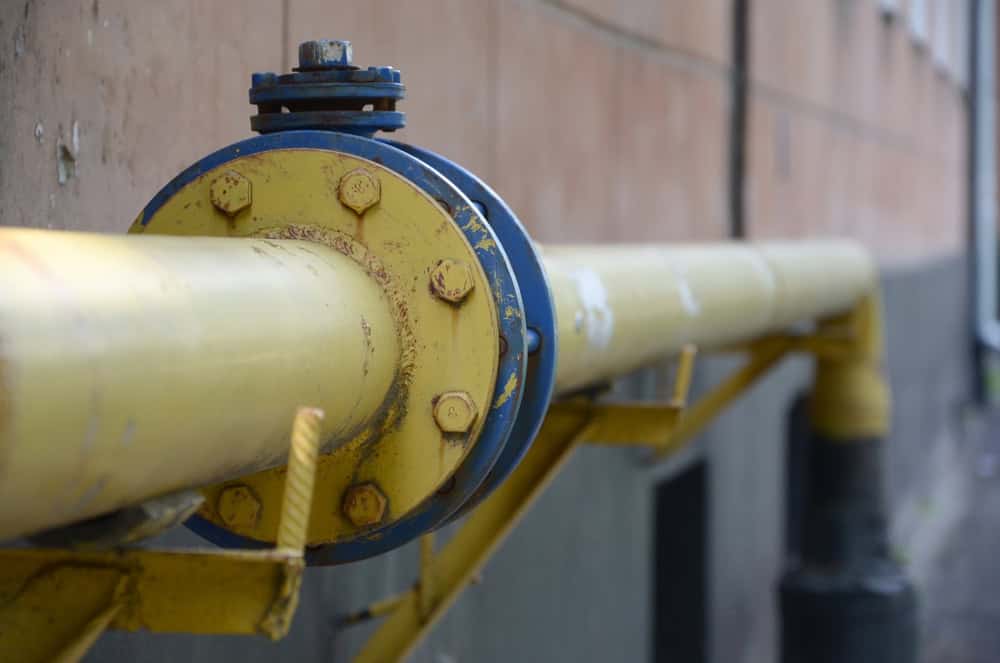
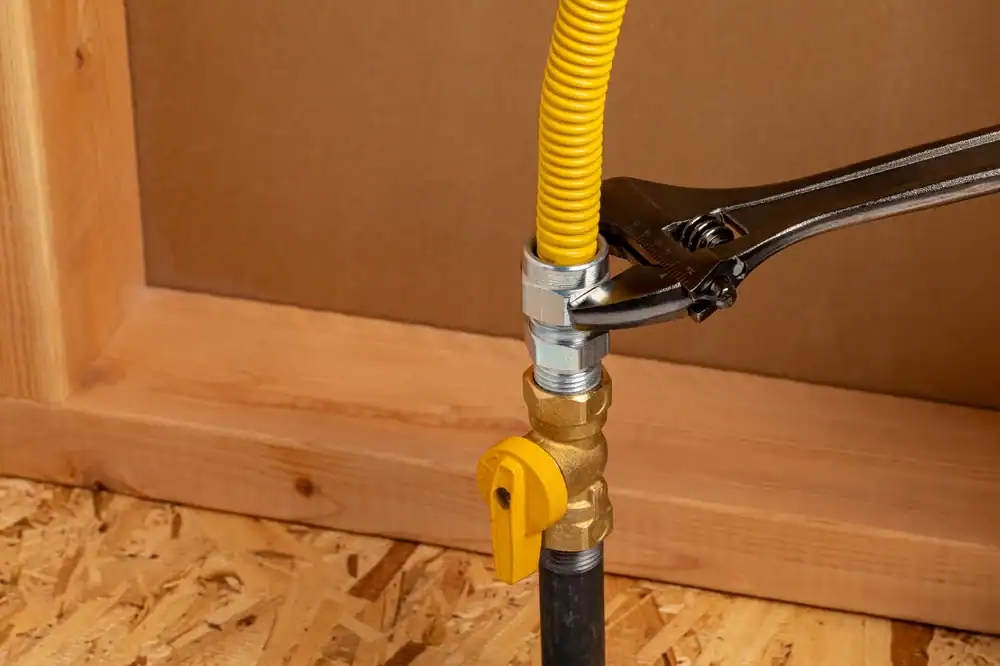
A gas shutoff in Tompkinsville hits differently than it does in a newer, single-family neighborhood. Most of the residential buildings here were constructed before 1939 — some well before that — and when Con Edison locks a meter on a 100-year-old system, the path to restoration isn’t always straightforward. The piping is old, the infrastructure is aging, and a plumber who doesn’t know what they’re looking at can make a two-week problem into a two-month one.
When the job is handled correctly from the start, you get a clear timeline, a pressure test that passes on the first attempt, and a coordinated process with Con Edison that moves as fast as the regulations allow. That means heat and hot water back on for your tenants, no compounding HPD violations, and no surprise invoices after the fact.
With 55% of Tompkinsville households renting, a building-wide shutoff doesn’t just inconvenience one family — it affects everyone inside. Getting the right Licensed Master Plumber on-site immediately is the single biggest factor in how quickly this gets resolved.
We’ve been doing gas work on Staten Island since 1983. Bobby and Rob Jr. — the father and son who own and operate this business — are the ones who show up, do the work, and put our names on it. There’s no crew of unlicensed laborers dispatched in our place. The Licensed Master Plumber is on-site, every time.
We know Tompkinsville. We know the building stock along Bay Street and Victory Boulevard. We know what pre-war gas piping looks like under pressure, what it takes to pass a DOB inspection the first time, and how Con Edison’s restoration process works on the Staten Island side of the operation. That institutional knowledge isn’t something you build overnight.
LMP #1169 is verifiable on the NYC DOB website. If you want to check it before you call, you can — and that’s exactly the kind of transparency we operate on.
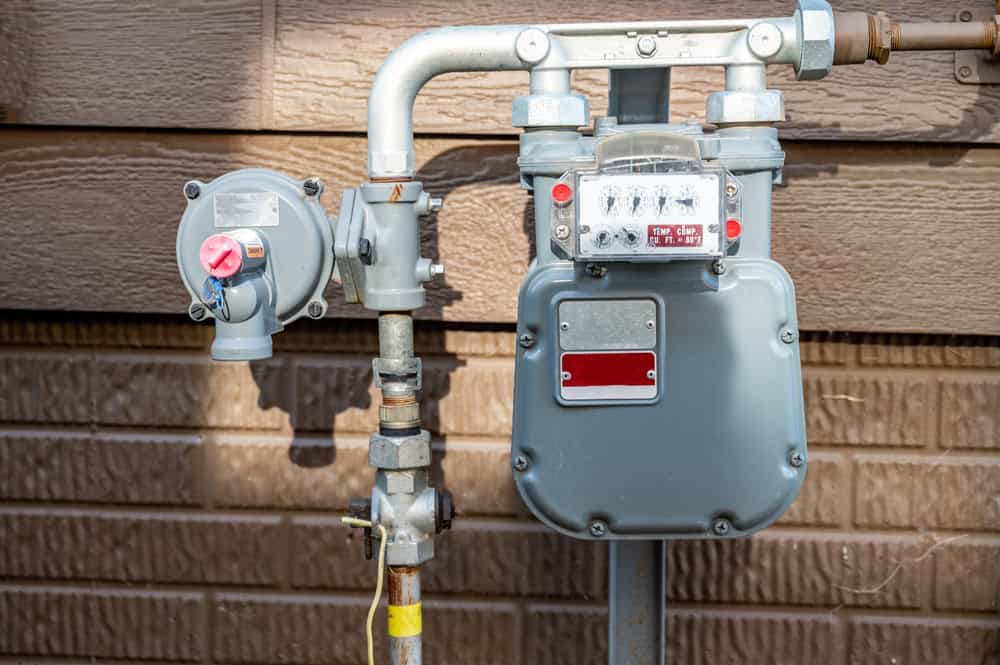
The first thing to understand is that once Con Edison locks your meter, you cannot restore service yourself. The utility shut the gas off for a safety reason, and only a Licensed Master Plumber with a Gas Work Qualification can legally perform the repair work that gets it turned back on. That’s been the law in New York City since January 1, 2020 under Local Law 150 of 2016.
Once we’re on-site, the process starts with assessing the system. In Tompkinsville’s older multifamily buildings, that assessment matters more than most people realize. A building with century-old gas piping needs a realistic read on what’s there before any paperwork gets filed. From there, we file an Emergency Work Notification with the NYC DOB, pull permits, make repairs, and schedule a DOB pressure test — with the inspector on-site to witness it. That test is the hard gate. Nothing moves forward until it passes.
After the pressure test clears, Con Edison coordinates the final restoration. Their process involves a visual inspection of the repair work followed by a scheduled leak test by their field crew — both have to pass before the gas comes back on. Tompkinsville falls within Community District 1, and we know the local DOB office at 10 Richmond Terrace in St. George, right up the road. That familiarity with the local regulatory process keeps things moving.
Ready to get started?
Gas restoration isn’t one task — it’s a sequence of coordinated steps that all have to happen in the right order with the right documentation. We handle the full process: Emergency Work Notification filing, DOB permit coordination, gas line repair or re-piping where needed, pressure testing, Con Edison coordination, and final inspection sign-off. One call, one team, no handoffs to someone else mid-job.
For Tompkinsville’s multifamily buildings — the converted Victorians, three-deckers, and small apartment complexes that make up a significant portion of the neighborhood’s housing stock — that matters in a specific way. A building-wide restoration involves more complexity than a single-unit repair. Multiple units, multiple appliances, a shared gas system that may not have been touched in decades. We handle all of it, including the boiler and water heater re-commissioning that has to happen once gas is restored, backed by FDNY Certificates of Fitness #89078745 and #88089263.
Tompkinsville is also in Community District 1, which completed its Local Law 152 gas piping inspection cycle in 2024. If your building was flagged during that cycle and you’re now dealing with a DOB-initiated shutoff or a required repair filing, we handle that process too. Before any work begins, you get a detailed cost breakdown — no hidden charges, no numbers that change when the invoice arrives.
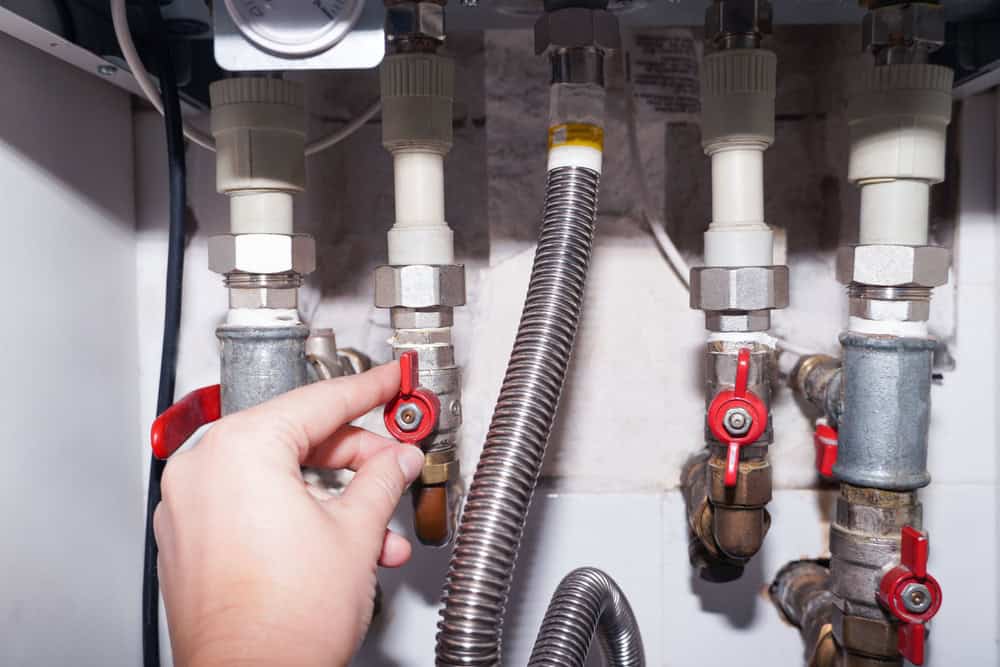
The honest answer is that it depends on two things: the condition of the building’s gas system and how quickly the right steps get filed. For a Tompkinsville property with aging pre-war piping, the assessment phase matters more than people expect. If the system holds pressure after repairs, Con Edison’s process typically takes one to three weeks from the point where all repair work is approved and documentation is filed.
Where restorations drag out — sometimes into months — is when the pressure test fails, when paperwork is filed incorrectly, or when the plumber doesn’t understand how to coordinate with Con Edison’s two-step inspection process. In a Tompkinsville building where multiple families are without heat and hot water, those delays have real consequences. Getting a Licensed Master Plumber on-site immediately, one who knows the DOB process and Con Edison’s Staten Island operations, is the single biggest factor in keeping the timeline reasonable.
No — and this is one of the most important things to verify before you hire anyone. Under Local Law 150 of 2016, which took effect on January 1, 2020, all gas work in New York City must be performed by a Licensed Master Plumber who also holds a Gas Work Qualification. A standard plumbing license is not enough. If a plumber doesn’t have that specific qualification, they cannot legally touch the gas system, file the required permits, or perform the pressure test that the DOB needs to witness before Con Edison will restore service.
You can verify a plumber’s LMP status and Gas Work Qualification on the NYC DOB website. We hold LMP #1169 — look it up before you call if you want to confirm it. In a neighborhood like Tompkinsville, where the stakes on a building-wide restoration can be significant, hiring someone who isn’t legally qualified to do the work doesn’t just waste time — it can result in failed inspections, re-work costs, and an extended outage for every tenant in the building.
A failed pressure test means the process resets. The DOB inspector has to witness a passing test before any further steps can happen, and Con Edison won’t move forward on restoration until that sign-off is in place. In a building with pre-war gas piping — which describes a significant portion of Tompkinsville’s residential stock — a failed pressure test often points to a system-wide issue rather than a single identifiable leak. When you can’t isolate the leak, a full re-pipe may be the only path forward.
This is exactly why the assessment phase matters so much before any paperwork gets filed. A plumber who runs a pressure test on a 100-year-old system without first evaluating its overall condition is setting up for a failure that adds weeks to the outage. We evaluate the system honestly before committing to a repair scope — and if a re-pipe is what the building needs, that conversation happens upfront, with a full cost breakdown, before work begins.
The building owner is responsible for hiring a Licensed Master Plumber and funding the repairs to the building’s internal gas system. Con Edison’s role is to shut off the gas when there’s a safety issue and then restore it once the building’s system has passed inspection — they don’t repair anything inside the property. Tenants have no direct ability to initiate the restoration process, but they do have rights. If a landlord in Tompkinsville is slow to act, tenants can file an HPD complaint, call 311, or pursue an HP Action in Housing Court, which can compel the landlord to move faster and may result in rent abatement.
From the building owner’s perspective, the urgency is real. A gas shutoff affecting multiple units creates immediate exposure to HPD violations and tenant claims. The longer the outage runs, the more that exposure compounds. Getting a qualified plumber on-site quickly — one who can move through the DOB filing and Con Edison coordination without delays — is the fastest way to limit that liability while getting your tenants their heat and hot water back.
Yes, directly. Local Law 152 requires gas piping inspections every four years for all buildings except single and two-family homes — and Tompkinsville falls within Community District 1, which completed its most recent inspection cycle in 2024. Buildings that failed their LL152 inspection, or that had deficiencies noted during the inspection, are now required to make repairs and re-file with the DOB. If those repairs aren’t completed, the DOB can initiate a gas shutoff as a compliance enforcement action.
For Tompkinsville’s multifamily building owners, this means the 2024 inspection cycle may be creating current demand for gas line repairs and restoration work right now. If your building had issues flagged during that cycle and you haven’t addressed them, the risk of a DOB-initiated shutoff is real. We handle both the repair work and the DOB filing, so a compliance problem becomes a resolved status rather than an ongoing liability. The next CD1 inspection cycle begins in 2028 — but if your building has outstanding issues from 2024, waiting isn’t the right move.
The Bay Street Corridor is one of the most active construction zones in New York City right now. The 2019 rezoning and the $400 million North Shore investment have brought significant excavation activity to the waterfront and Bay Street corridor — and construction excavation is one of the most common causes of accidental damage to underground gas mains. When a contractor strikes a gas line during excavation, the utility shuts down service to the affected area immediately, sometimes without warning.
For building owners on or near Bay Street, Victory Boulevard, and the surrounding streets in Tompkinsville, this is a present-tense risk, not a hypothetical. Tompkinsville’s underground gas infrastructure includes aging pipes that were never designed to sit beneath an active construction zone. If your building loses gas service due to nearby construction activity, the restoration process is the same as any other shutoff — we file an Emergency Work Notification, make repairs, pass the DOB pressure test, and coordinate the final restoration with Con Edison. The difference is that construction-related shutoffs can sometimes involve coordination between multiple parties. Having an experienced LMP who knows how to navigate that quickly is what keeps the outage from stretching into weeks.
Other Services we provide in Tompkinsville