Summary:
That letter from NYC DEP just arrived. Your backflow prevention device needs annual testing, and you’re not entirely sure what that means or where to start. You’re not alone. Many property owners in Richmond County don’t realize they have a backflow device until they receive that first compliance notice. Here’s what matters: RPZ backflow testing is legally required in New York State. Skipping it or missing your deadline can result in fines, violations, or water service disconnection. This guide walks you through the compliance requirements, testing process, and how to handle it without the confusion. If you’ve been putting this off or just need to understand what’s required, keep reading.
What Is RPZ Backflow Testing and Why NY Law Requires It
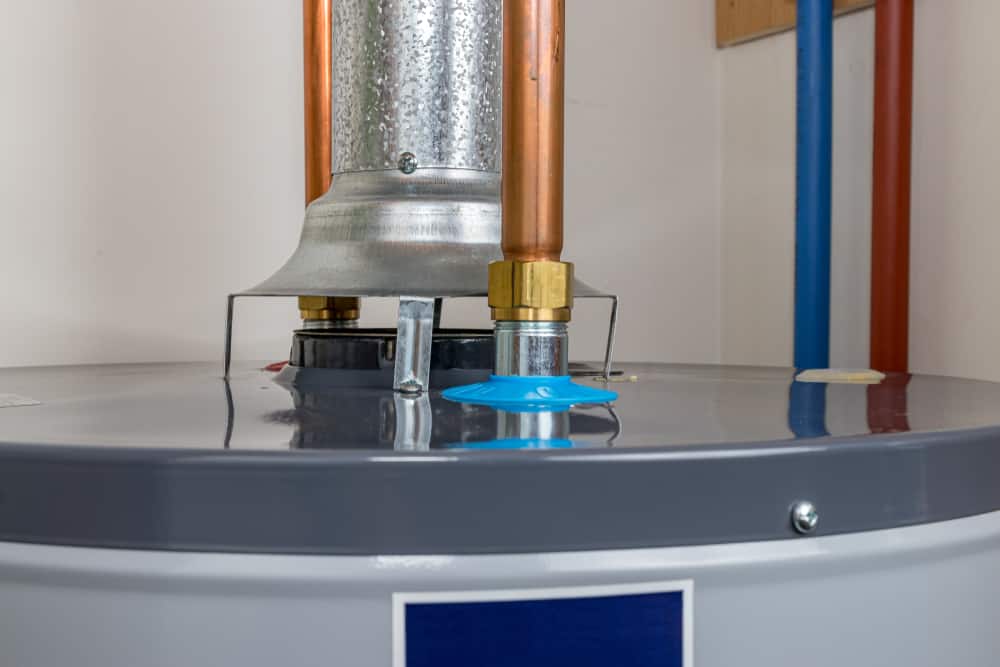
RPZ stands for Reduced Pressure Zone, the most common backflow prevention device in New York City properties. The device installs where municipal water enters your building. Its job is simple but critical: stop contaminated water from flowing backwards into the public water supply.
Annual testing exists because water pressure changes constantly. Construction shuts down a water main. A fire hydrant opens. Pressure drops. Without a functioning backflow device, sewage, chemicals, or wastewater can reverse direction into drinking water.
That’s not theoretical. It happens when devices fail. New York State law requires annual RPZ backflow testing by a certified backflow prevention technician using calibrated equipment. A Licensed Master Plumber must sign the paperwork. The test report gets filed with NYC DEP to confirm your device works properly and your property stays compliant.
Water Damage Prevention Starts with Backflow Testing
Backflow testing protects more than water quality. It prevents property damage most owners don’t anticipate until they’re dealing with the aftermath.
Failed backflow devices allow contaminated water into your plumbing system. That doesn’t just create health risks. It corrodes pipes, damages boilers, and creates perfect conditions for mold. Mold growth starts within 24 hours of water exposure. Once wastewater enters your system, contamination spreads through pipes, fixtures, walls, and floors.
Richmond County’s aging building stock makes this especially relevant. Many Staten Island properties were built decades ago with galvanized steel pipes and systems not designed for modern water pressure. When a backflow device fails in an older building, damage compounds fast because the infrastructure is already vulnerable.
Annual testing catches problems early. A worn gasket. A valve not sealing correctly. Debris blocking the line. These are fixable when you identify them during routine testing. Ignore them, and you’re looking at emergency repairs, water damage restoration, and potential violations.
Water damage remediation costs thousands. It involves extraction, drying, dehumidification, sanitization, sometimes reconstruction. Preventing that starts with maintaining the systems designed to protect your water supply. Your backflow device is a critical piece of that protection. Testing it annually isn’t just about compliance. It’s about avoiding damage that’s far more expensive than the test itself.
Which Richmond County Properties Need Annual Backflow Testing
Not every property needs a backflow prevention device. But if you have one, annual testing is mandatory. NYC DEP requires it for specific property types based on contamination risk.
Large residential buildings with water boilers using rust inhibitors or chemical treatment need backflow devices and yearly testing. That includes many apartment buildings, condos, and co-ops across Staten Island. Commercial properties with cooling towers, chemical processing, or industrial water use fall under the requirement. Hospitals, greenhouses, commercial kitchens, manufacturing facilities, metal plating operations—all need devices installed and tested annually.
If your building has a commercial boiler or treated boiler water, you need annual RPZ backflow testing. Properties with fire suppression systems, irrigation systems, or equipment that could introduce contaminants into water supply must comply.
The regulation targets properties with the highest cross-connection risk—situations where non-potable water could mix with drinking water. A boiler using chemical treatments could send those chemicals backwards into city water if pressure drops and no backflow preventer stops it.
Not sure if your Richmond County property requires testing? A Licensed Professional Engineer or Registered Architect can assess your water usage, equipment, and building systems. But if you already received a DEP notice, that question’s answered. You have a device. It needs testing.
Non-compliance isn’t minor. NYC DEP enforces regulations through fines from $50 to $25,000 per violation. Ongoing violations rack up daily penalties. Severe cases result in cease and desist orders or water service termination. For residential buildings, that means tenants without water. For commercial properties, operations shut down. The cost and disruption of non-compliance far exceed scheduling annual testing.
How RPZ Backflow Testing Works in Richmond County, NY
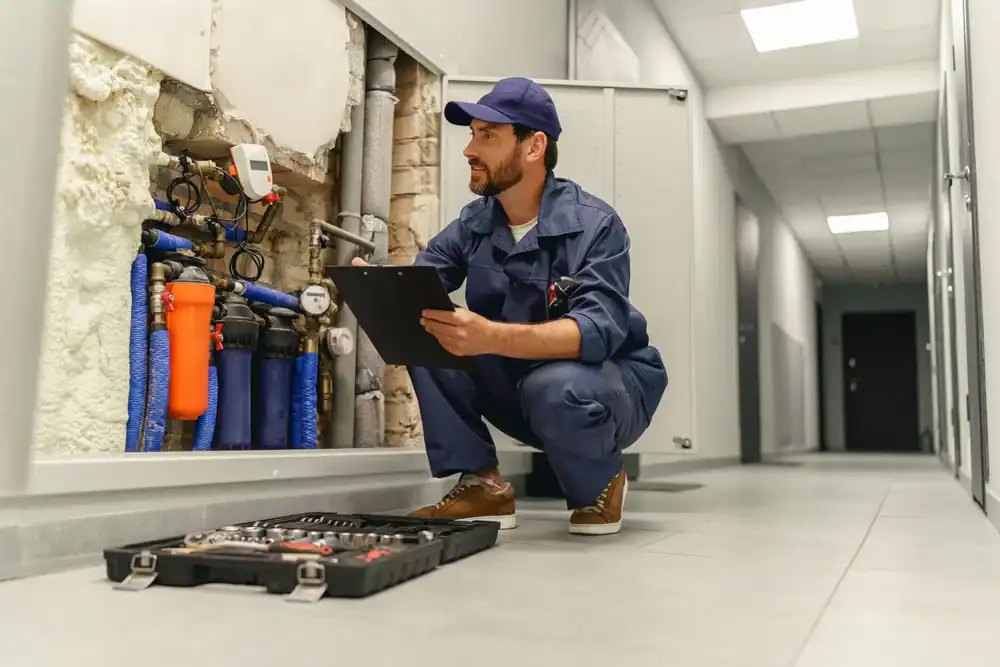
The testing process is straightforward once you know what’s required and who can perform it legally. Only a New York State certified backflow prevention device tester can run the test. They use calibrated equipment to check pressure differentials, valve function, and relief valve operation.
The tester opens and closes valves in specific sequences, measures pressure at different points, and verifies the device prevents backflow under various conditions. After testing, the certified tester completes the official form. A Licensed Master Plumber must sign it. If your tester isn’t also a Licensed Master Plumber, you need both professionals involved.
The signed form gets submitted to NYC DEP within required timeframes. For annual tests, that means within 12 months of your last test. Initial installations require submission within 30 days.
Initial Testing vs Annual RPZ Testing Requirements
Initial testing after installation differs from annual testing. Understanding both matters whether you’re dealing with a new device or managing an existing one.
When a backflow prevention device is first installed, testing must happen within 30 days. This initial test requires three signatures: the certified tester who performed it, the Licensed Master Plumber who installed the device, and the Professional Engineer or Registered Architect who designed the backflow prevention plan submitted to NYC DEP. That signed report confirms the device was installed correctly and functions as designed.
After initial testing, you enter the annual cycle. Every 12 months, the device needs testing again. NYC DEP sends notification letters when tests are due, but scheduling and completing testing falls on you. Annual tests need signatures from the certified tester and a Licensed Master Plumber.
If your device fails—whether initial or annual testing—you must make repairs and retest. Retest results must be submitted within 30 days of repairs. Common failures include worn gaskets, debris blocking valves, or pressure differentials not meeting specifications. Most are fixable, but they need prompt attention to maintain compliance.
Some property owners discover they have backflow devices with no DEP record. This happens with older installations or when ownership changes without proper record transfer. If DEP has no record of your device, you need the Professional Engineer or Registered Architect who designed the original installation to submit a record drawing and initial test report. If those professionals are unavailable, hire new ones to document the existing installation and bring it into compliance.
The testing cycle is strict. Missing your annual deadline starts the violation clock. DEP doesn’t offer grace periods. Approaching your due date without scheduled testing? That’s when to act, not after the deadline passes.
Finding Certified Backflow Testers in Richmond County
Not every plumber can test backflow devices. You need someone with New York State certification as a backflow prevention device tester. Ideally, find someone who also holds a Licensed Master Plumber credential so you don’t coordinate multiple professionals.
New York State maintains certified tester lists by county. For Richmond County, access that list through the NY State Department of Health website. Certification requires training, passing exams, and maintaining current credentials. Testers must use properly calibrated equipment meeting state standards.
When choosing a tester, ask about experience with your device type. RPZ devices are most common, but some properties have Double Check Valve Assemblies or other configurations. You want someone familiar with your specific setup who can identify problems and explain what needs attention.
Confirm they handle paperwork. Testing is half the job. The other half is completing forms correctly and filing with NYC DEP on time. Some testers include filing in their service fee. Others expect you to handle submission. Clarify upfront to avoid missed deadlines.
For Richmond County property owners managing multiple buildings or complex commercial properties, establishing a relationship with a certified tester who understands your systems makes annual cycles smoother. They know your equipment, have previous test records, and spot developing issues that might not be obvious on one-time visits.
Pricing varies, but backflow testing in Staten Island typically starts around $149 for basic residential devices. Larger commercial installations or systems requiring extensive testing cost more. Get quotes including both testing and filing to compare accurately.
Working with a local Richmond County Licensed Master Plumber who’s also a certified backflow tester gives you one contact for the entire process. They test the device, sign paperwork, and file with DEP. That’s the most efficient approach, especially managing compliance for the first time.
Common Questions About Backflow Testing and Plumbing Compliance
**What should you do if your water pipes freeze?**
Frozen pipes can compromise your entire plumbing system, including backflow prevention devices. If you turn on a faucet and only a trickle comes out, suspect frozen pipes. Open the faucet to release vapor as ice melts. Apply heat using a hair dryer, heat lamp, or portable space heater on the frozen section. Never use open flames—that’s a fire hazard and can cause steam explosions.
If you can’t locate the frozen area or access it safely, call a Licensed Master Plumber immediately. Turn off your main water supply if you suspect burst pipes. Prevent freezing by keeping your thermostat at minimum 55°F when away, letting faucets drip during extreme cold, insulating pipes in unheated areas like basements and crawl spaces, and opening cabinet doors to let warm air circulate around plumbing.
Frozen pipes in Richmond County properties are particularly concerning because many Staten Island buildings have older plumbing systems more vulnerable to freeze damage. When pipes freeze and burst, water damage happens fast. That damage can affect backflow devices, requiring emergency testing and repairs to maintain compliance.
**How often does my backflow device need testing?**
Annual testing is required by New York State law. You must have your device tested every 12 months by a certified backflow prevention device tester. NYC DEP sends notification letters when your test is due, but the responsibility to schedule and complete testing is yours.
**What happens if I miss my annual backflow test deadline?**
Missing your deadline triggers violations. NYC DEP can issue fines ranging from $50 to $25,000 per violation, with daily penalties for ongoing non-compliance. In severe cases, the city can terminate your water service or issue cease and desist orders. Don’t wait until after the deadline. Schedule testing as soon as you receive your notification.
**Can any plumber test my backflow device?**
No. Only New York State certified backflow prevention device testers can legally perform testing. The test form must also be signed by a Licensed Master Plumber. Some professionals hold both certifications, which simplifies the process. Always verify credentials before hiring someone for backflow testing.