

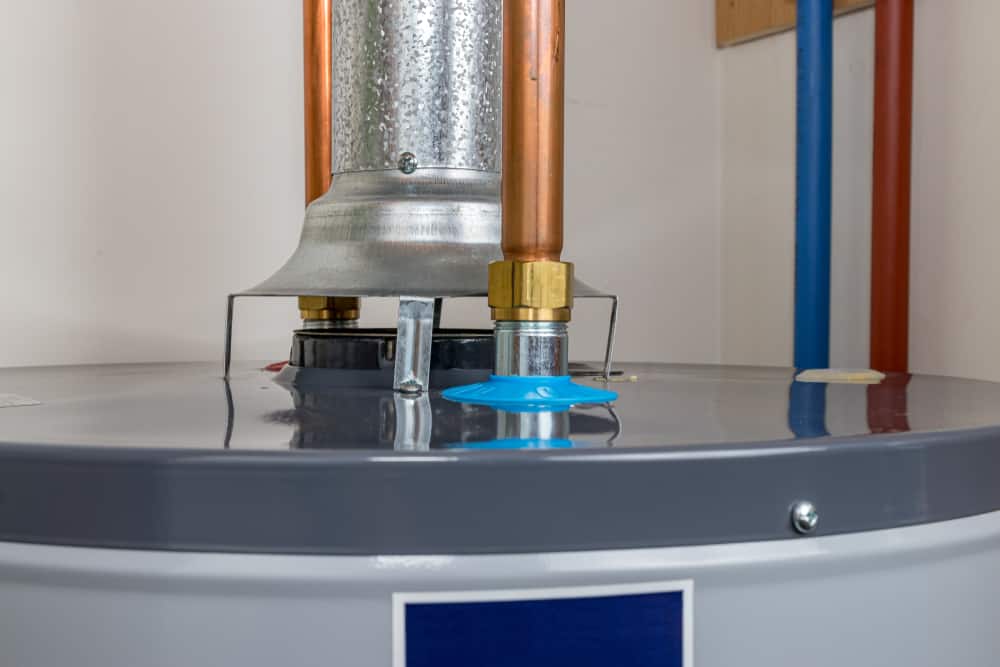
There are two separate things that get called a gas line problem, and they need opposite fixes.
A worn out line is a condition problem. Corrosion, loose joints, a section that no longer holds pressure. The answer is repair or replacement of that run.
An undersized line is a capacity problem. The pipe may be in fine condition and still be unable to feed what is connected to it. On 86th Street, 18th Avenue and Bay Parkway this is common, because commercial cooking equipment draws far more than the domestic appliances these buildings were originally piped for, and each successive tenant has added rather than resized.
The symptoms overlap, which is why guessing is expensive. Burners that run poorly when the boiler fires, equipment that underperforms at peak service, a kitchen that works in the morning and struggles at seven in the evening: those point at capacity, not corrosion. Repairing a joint will not fix any of it.
We test for both, and tell you which one you have before anything is quoted.
RB Mechanical Plumbing and Heating is third generation and owner operated, licensed master plumbers working in New York City since 1983. We are on Staten Island’s south shore, one bridge from Bensonhurst, on the same gas utility.
Bensonhurst sits in Brooklyn Community District 11, the most populous community district in south Brooklyn, and the building stock reflects it: dense, mixed use, with more units and more commercial space per block than the detached-house neighborhoods nearby.
What that means practically is that a gas line job here is rarely just pipe. It is pipe plus tenants plus trading hours plus, very often, a filing history that nobody has in one place. The four decades of Department of Buildings work behind us is what makes that manageable rather than an unpleasant surprise.

We pressure test the system to establish condition, and we look at what is connected to establish capacity. Those are two different questions and a building can fail either one.
Then the recommendation, in plain terms: repair this section, replace this run, or upsize the service. If it is the cheapest of the three, we will say so.
Work is filed through DOB NOW: Build, as the Department of Buildings no longer accepts paper filings. Repair or replacement of existing equipment commonly runs under a self-permitted Limited Alteration Application. Upsizing or new installation is a fuller filing.
If gas goes off, restoration is authorized by the Department of Buildings. We request the Gas Authorization through DOB NOW: Inspections and follow the Plumbing Unit review through, because on a building with a trading tenant that step has a daily cost attached.
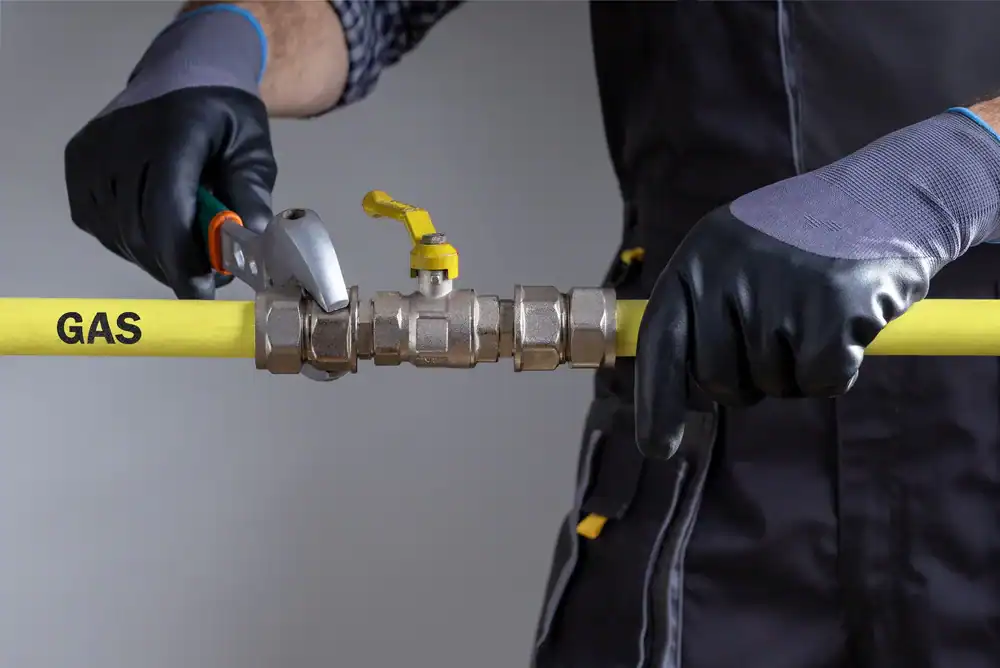
Ready to get started?
On a Bensonhurst mixed use building, the gas system usually carries the fingerprints of several past tenants. Each fit-out added or moved piping. Some of that was filed. Some was not.
That matters because unpermitted gas work can bring significant fines and a loss of service for the entire building, not just the space it happened in. And an outstanding work-without-permit penalty must be cleared before any new permit can be issued.
So the sequence on a repair is sometimes not what owners expect. If old unfiled work is found, legalizing it can have to come before the work you actually called about, because you need a permit for the latter.
None of that is a reason to avoid looking. It is a reason to look on your own schedule, with your own plumber, rather than during an inspection you did not choose the timing of.
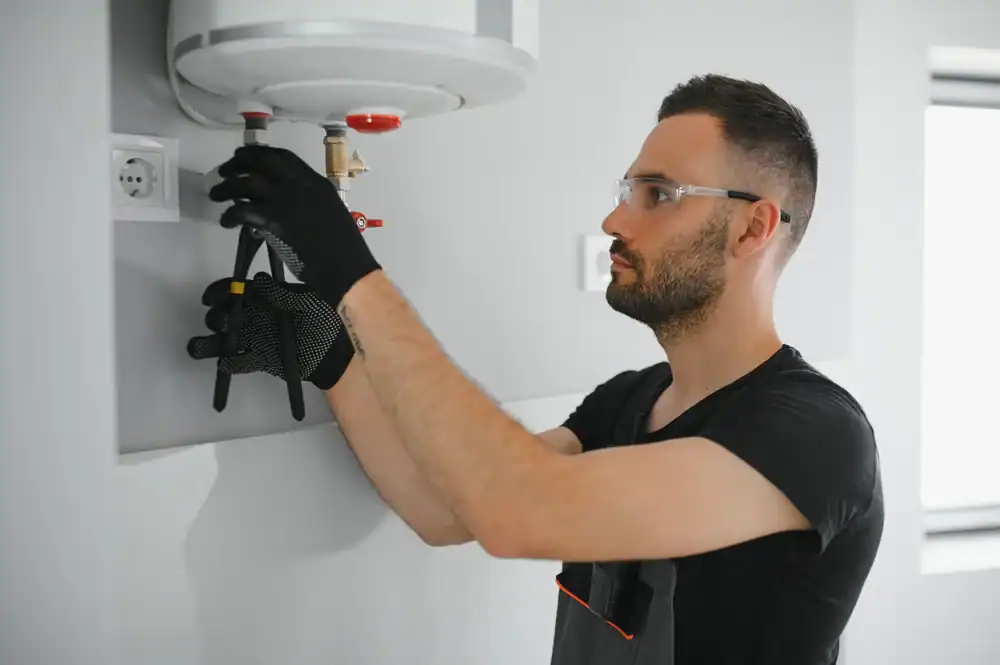
Frequently, yes. A system that works at ten in the morning and struggles at seven in the evening is usually a capacity problem rather than a fault: the pipe cannot deliver enough when everything is running at once.
That is diagnosed by looking at the run size against the connected load, not by hunting for a leak. If it is capacity, the answer is upsizing, and no amount of repair work will change it.
That is the normal arrangement on these buildings and it is worth planning early. What usually drives the schedule is not the pipe work, it is whether gas has to be off and for how long, which depends on whether the system can be isolated.
We would rather tell you that honestly at the quoting stage than discover it on the morning of the job.
We are plumbers rather than your attorney, so we will not advise you on liability. What we can tell you is the practical position: an outstanding work-without-permit penalty attached to the property has to be cleared before any new permit is issued.
So whoever did the work, the current owner is the one who cannot get a permit until it is resolved. That is the reason to establish what has and has not been filed before you need a permit urgently.
Repair if a sound system has one failed section. Replace if the run has failed more than once or is corroded through. Upsize if the pipe is in good condition but cannot feed what is connected.
They are genuinely different jobs with different prices, and a contractor who quotes before testing is picking one for you. Ask for the pressure test result and the load calculation.
It depends on whether the commercial branch can be isolated from the residential risers, which varies by building and is not always what the layout suggests.
We establish that before the work rather than during it, because the answer changes what notice the residents need and how the job is sequenced.
A Licensed Master Plumber. Altering, relocating or removing gas piping that serves restaurant cooking equipment must be done by an LMP, and repairs to fuel gas piping across New York City are restricted to LMPs generally.
You can verify a licence on the Department of Buildings License Search before anyone starts. For a commercial kitchen that is worth doing, because an inspection that fails on who did the work is an expensive way to find out.